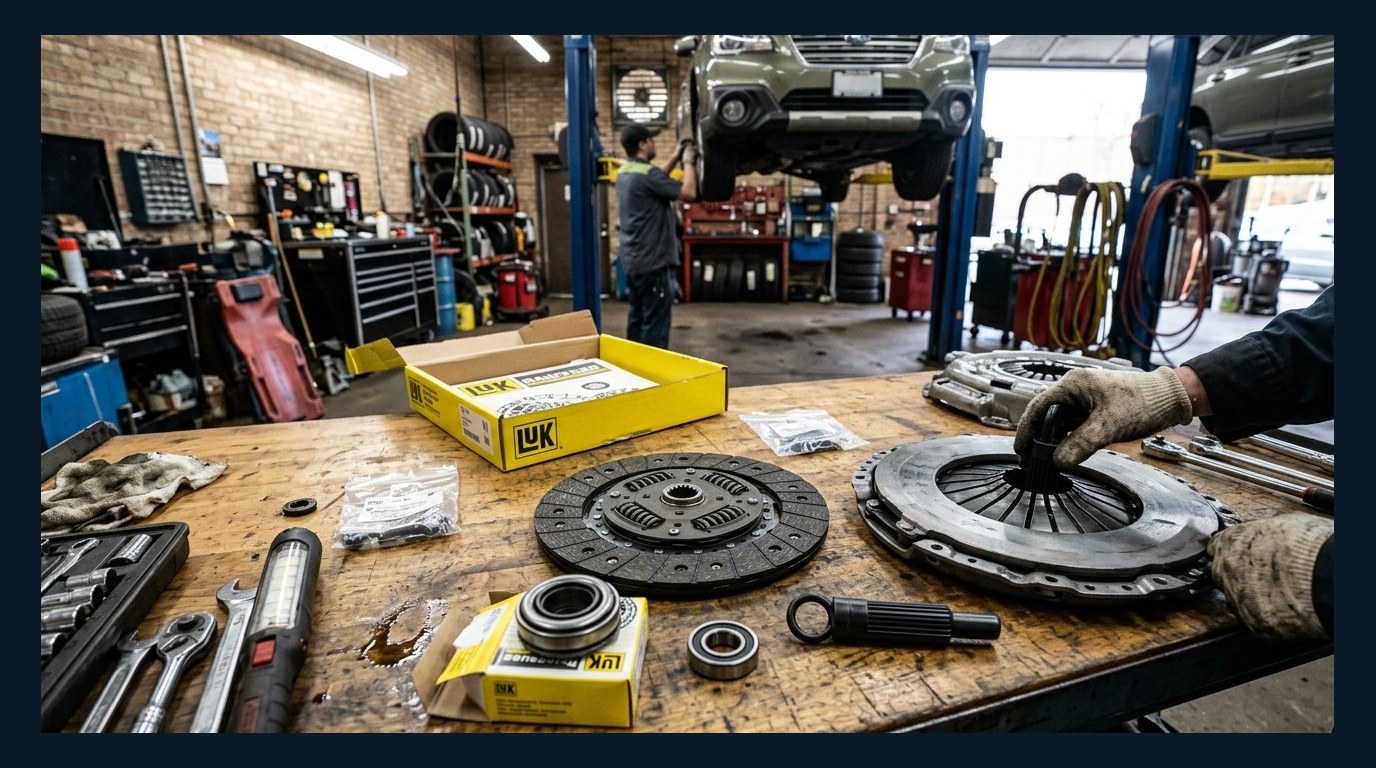
Symptoms
We document when the symptom appears, whether it changes warm versus cold, and whether the complaint sounds like hydraulic, electrical, clutch, converter, fluid, mount, or internal wear.
Rear main seal replacement starts by proving the leak is actually coming from the back of the engine. We check the bellhousing area, oil pan, valve covers, rear cover, and transmission fluid before recommending an access-heavy repair.
Rear main seal leaks are common on higher-mileage vehicles around Arlington Heights, especially after years of winter starts, salt, and stop-and-go commuting. The key is confirming the leak source before paying for transmission removal.
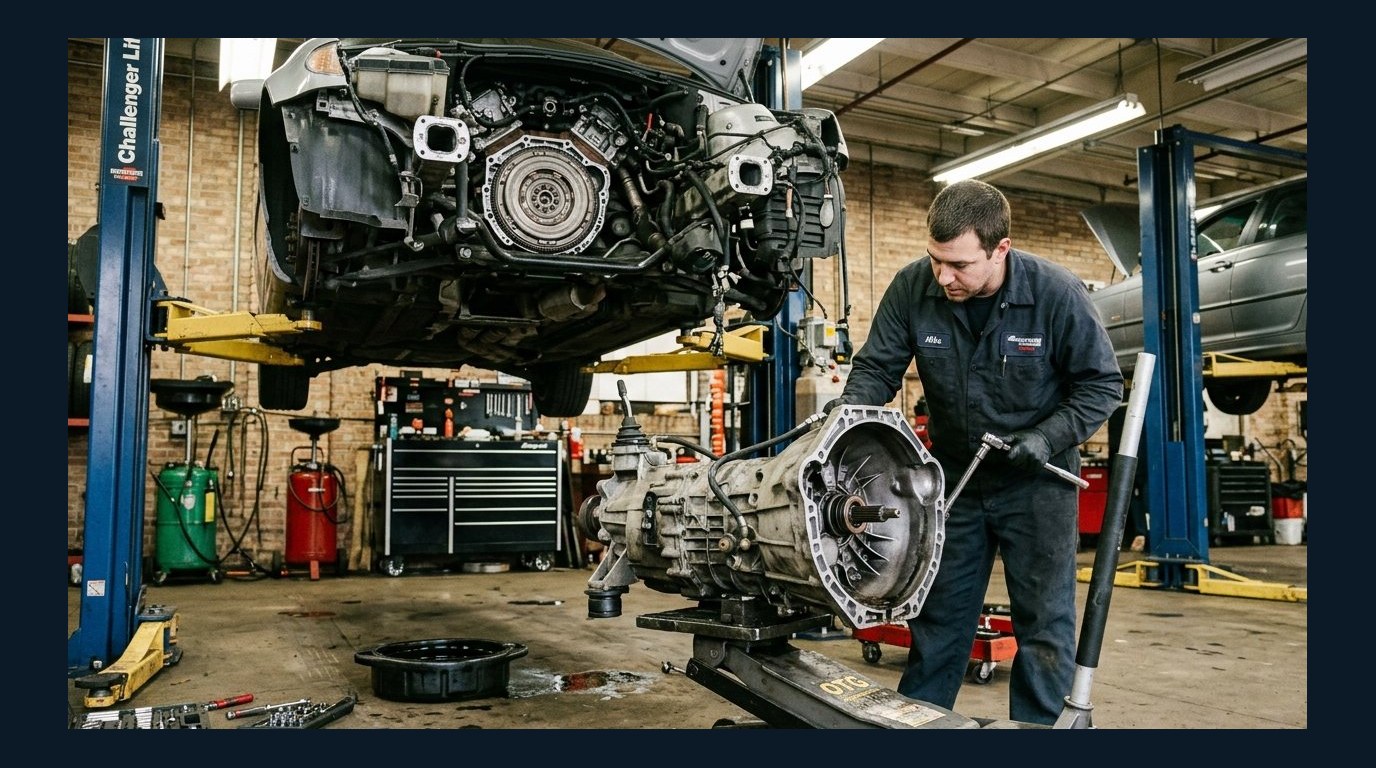
Rear main seal replacement should start by proving the leak source. Oil at the bellhousing can come from the rear main seal, oil pan, valve cover, intake, transmission front pump seal, cooler lines, or another leak that travels before it drips.
Because access often requires transmission removal, the estimate should confirm dye-test evidence, leak path, fluid type, clutch or converter access, flywheel or flexplate clues, and whether other seals or service items should be handled while the transmission is out.
The repair path should separate engine oil from transmission fluid, prove whether removal is justified, and explain what can be inspected while access is open.
Get Free DiagnosticThese clues need evidence before parts are ordered. Codes, fluid condition, road-test timing, and related-system checks keep the estimate honest.
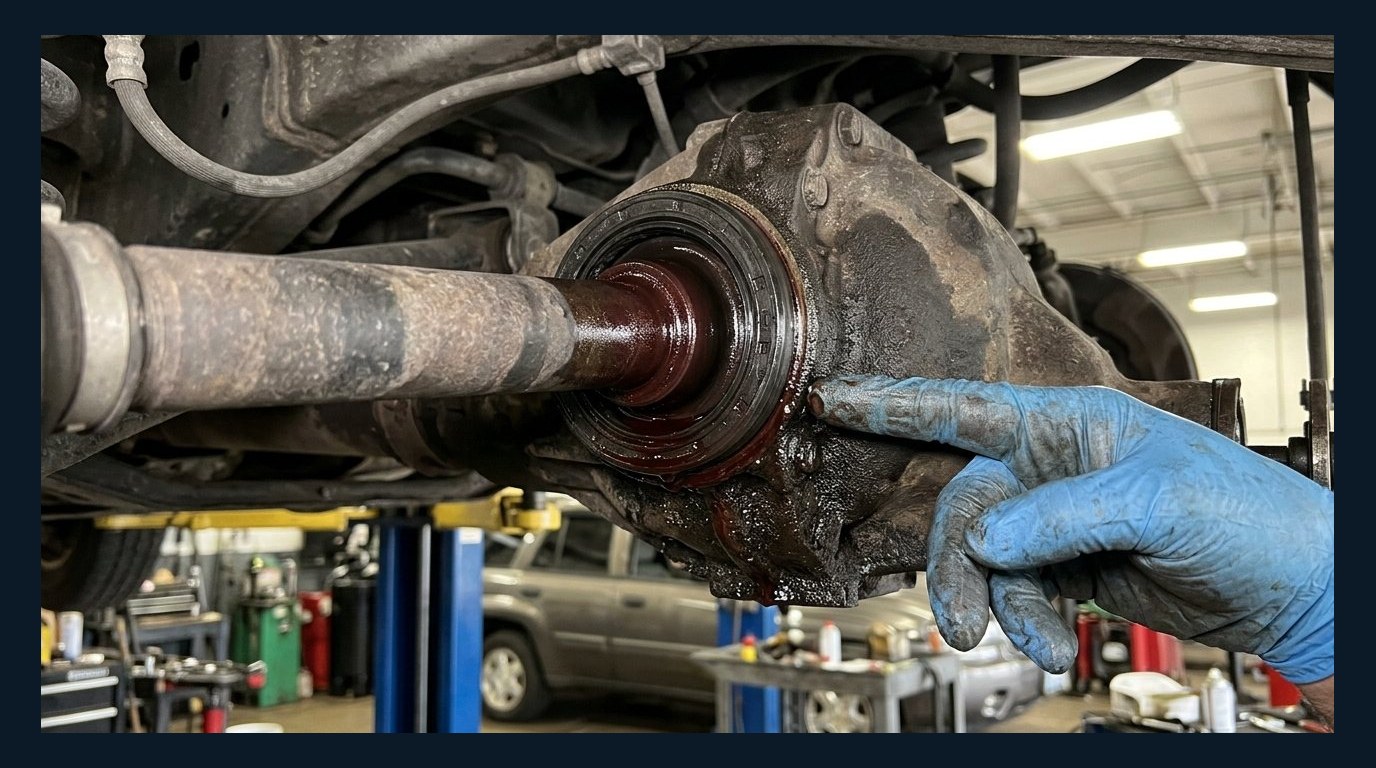
If the evidence points to a related system instead of the transmission itself, we explain that before recommending transmission work.
A useful estimate should explain what failed, what can wait, what protects the vehicle, and how the repair path compares with replacement.
We document when the symptom appears, whether it changes warm versus cold, and whether the complaint sounds like hydraulic, electrical, clutch, converter, fluid, mount, or internal wear.
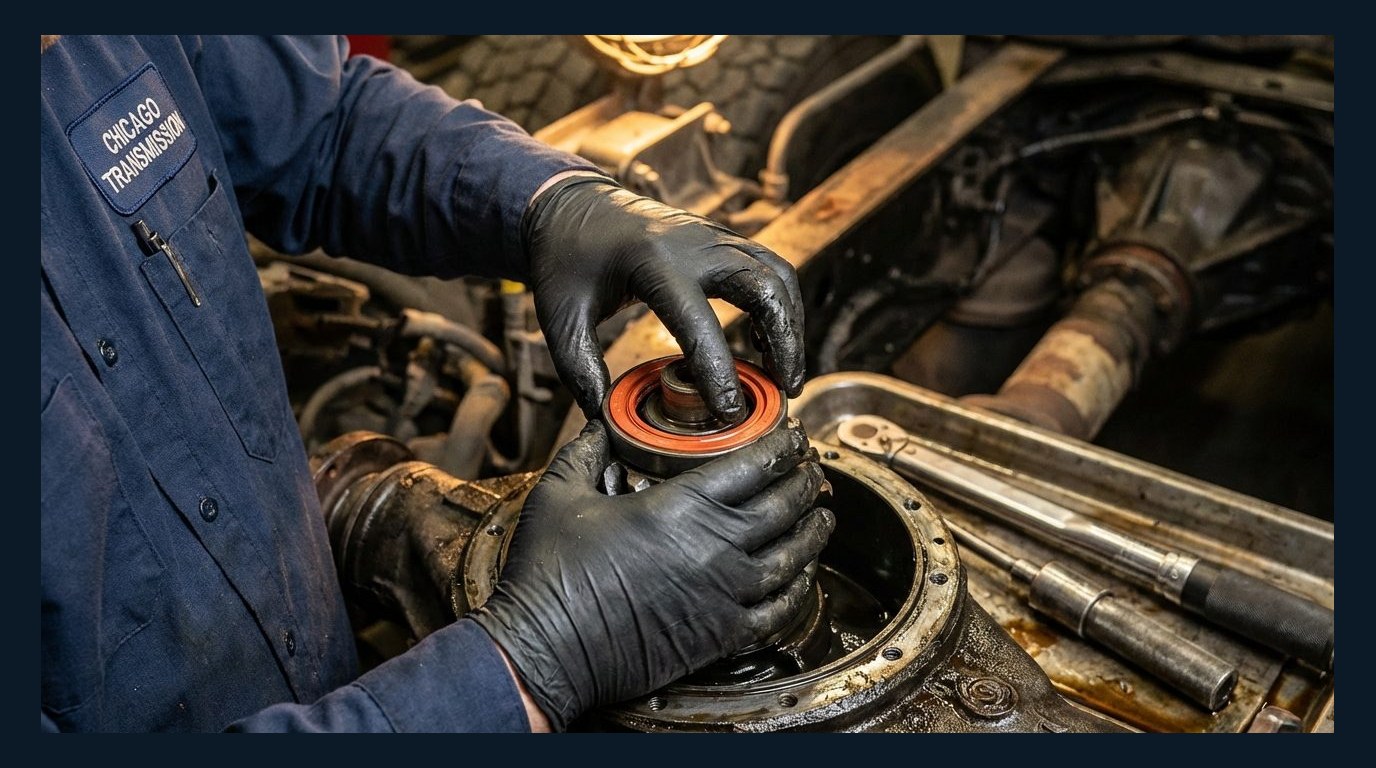
Scan data, fluid evidence, leak checks, road-test notes, service history, and parts availability keep the recommendation grounded.
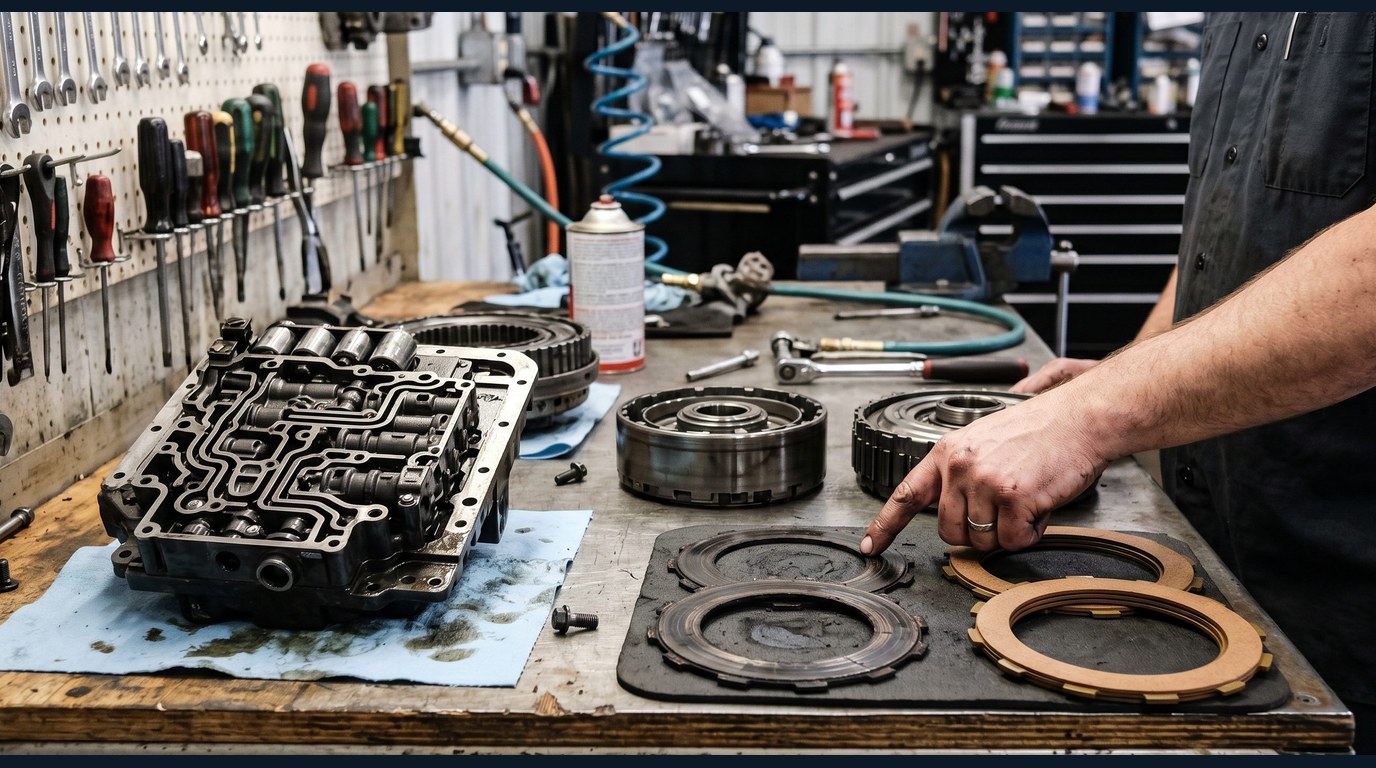
The written estimate separates service, targeted repair, rebuild, used unit, remanufactured unit, and replacement options before money is spent.
Rear main seal pricing depends on access, drivetrain layout, leak proof, supporting seals, clutch or converter access, and whether transmission removal is truly required.
Call or text 847-393-0191 with the year, make, model, mileage, codes, warning text, leak history, and symptoms.