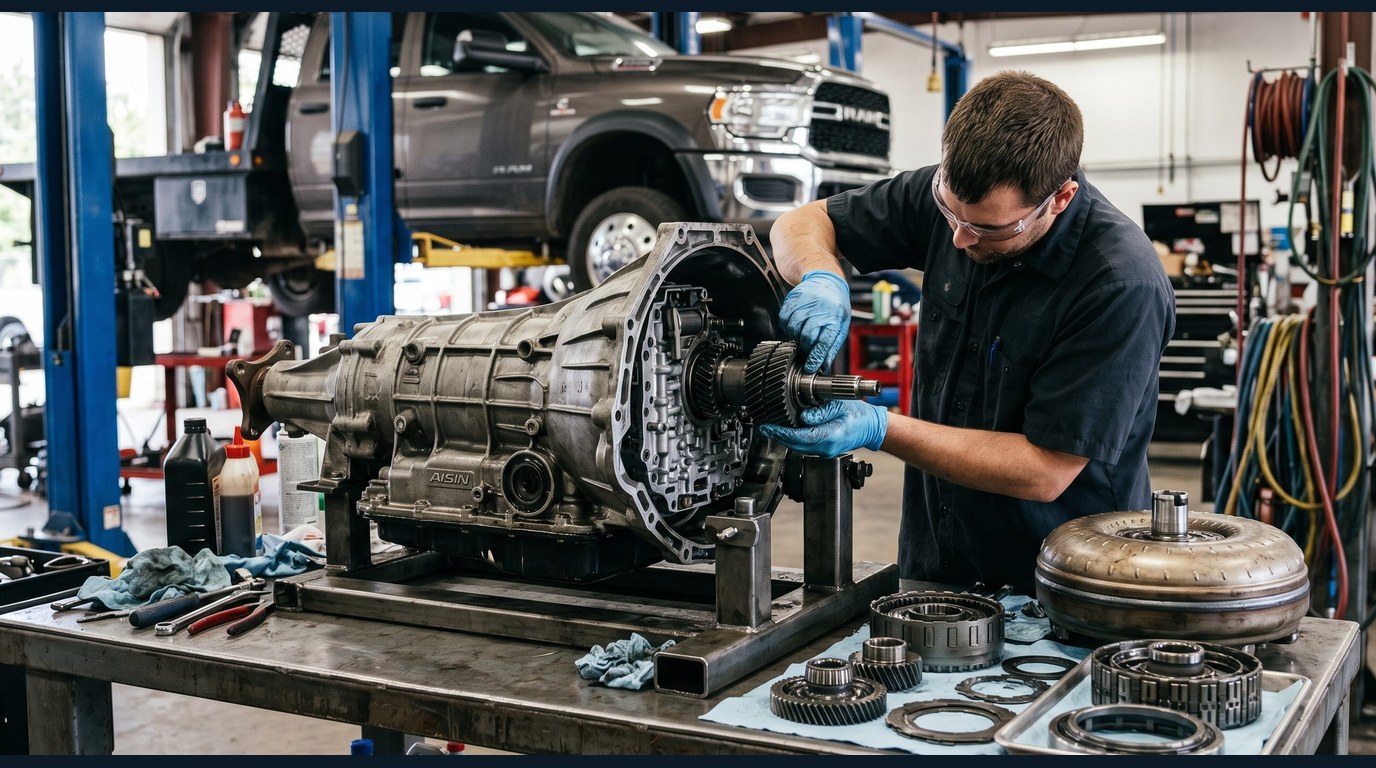
Symptoms
We document when the symptom appears, whether it changes warm versus cold, and whether the complaint sounds like hydraulic, electrical, clutch, converter, fluid, mount, or internal wear.
The Free Diagnostic is the first step before repair decisions get expensive. We listen to what the vehicle is doing, check the obvious evidence, and decide whether the next move is service, targeted repair, teardown, replacement, or towing.
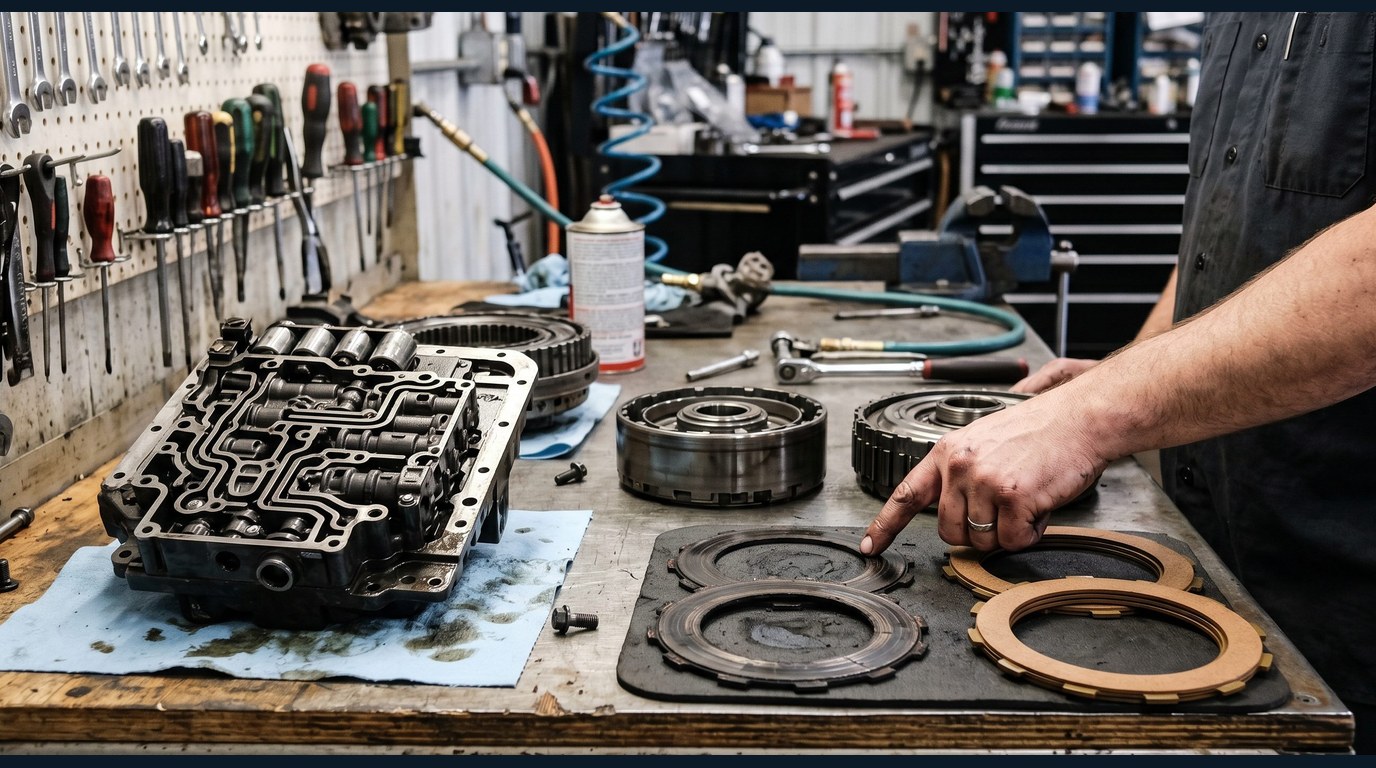
A free transmission diagnostic should do more than read one code and sell a unit. We look at warning lights, fluid evidence, leak clues, road-test behavior, service history, and the exact symptom pattern before recommending repair.
This is the right starting point for slipping, delayed engagement, hard shifts, shudder, overheating smells, warning messages, leaks, no-move complaints, repeat code clearing, or a second opinion on a dealer or chain-shop quote.
The goal is to separate fluid service, sensor or solenoid work, valve-body behavior, torque-converter symptoms, clutch or manual-transmission issues, driveline vibration, rebuild, used, remanufactured, and replacement paths. A useful diagnostic also explains what is safe to monitor, what should be stopped before more damage happens, and what evidence would change the recommendation.
Get Free DiagnosticThese clues need evidence before parts are ordered. Codes, fluid condition, road-test timing, and related-system checks keep the estimate honest.
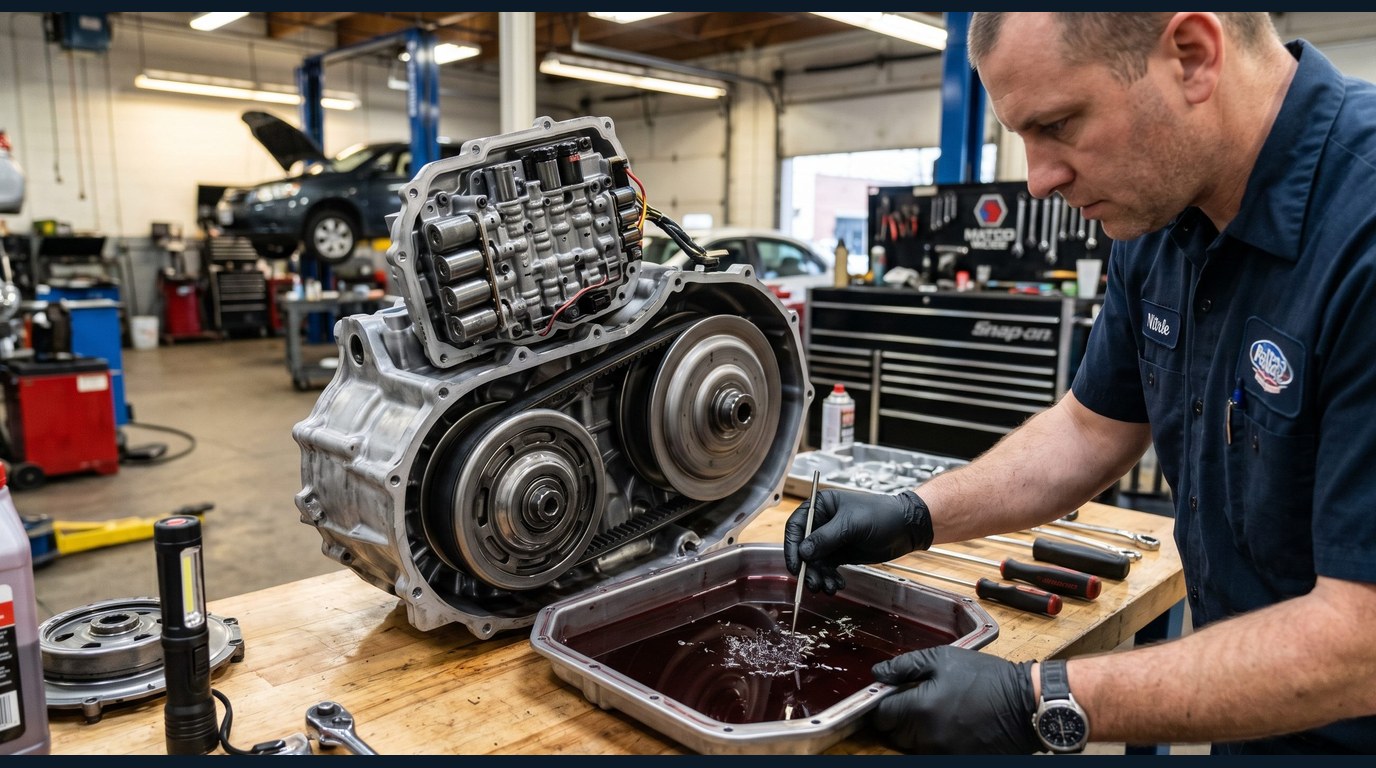
If the evidence points to a related system instead of the transmission itself, we explain that before recommending transmission work.
A useful estimate should explain what failed, what can wait, what protects the vehicle, and how the repair path compares with replacement.
We document when the symptom appears, whether it changes warm versus cold, and whether the complaint sounds like hydraulic, electrical, clutch, converter, fluid, mount, or internal wear.
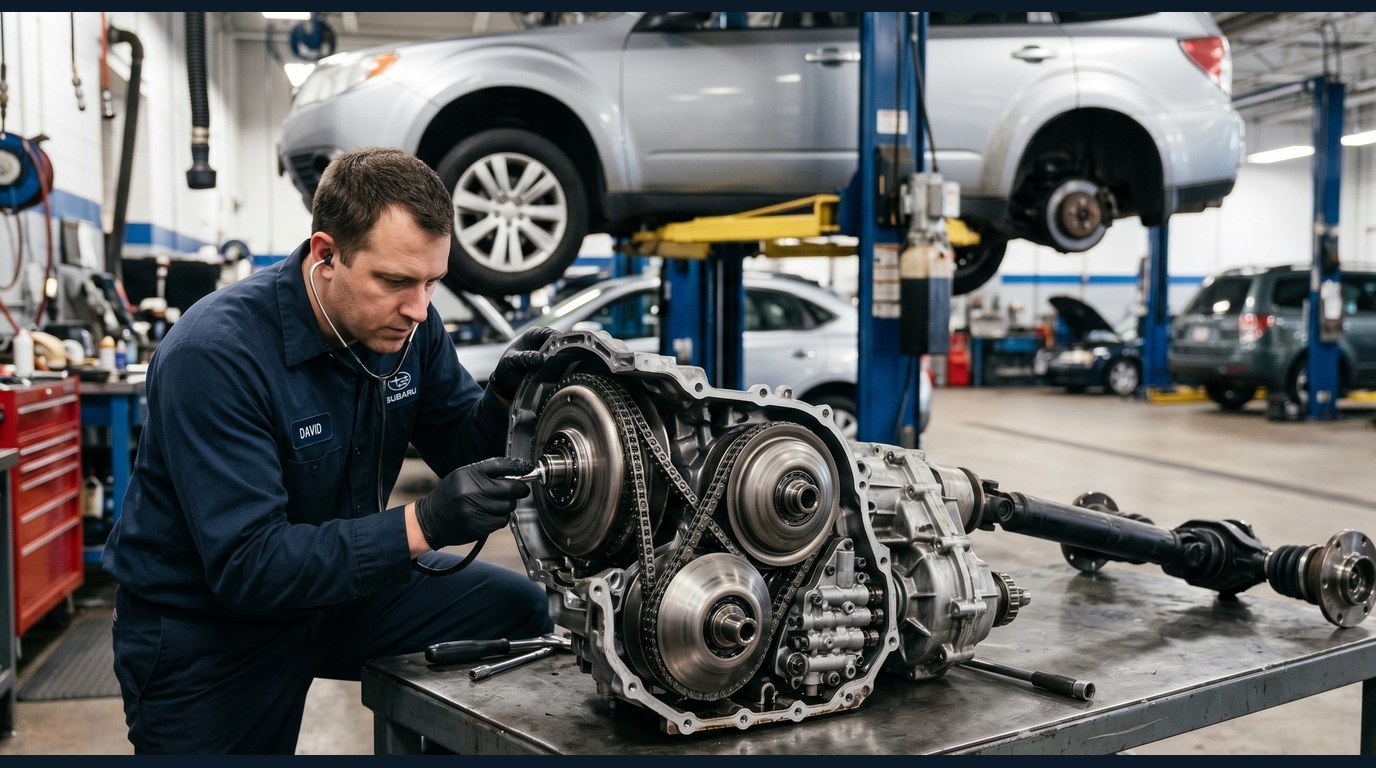
Scan data, fluid evidence, leak checks, road-test notes, service history, and parts availability keep the recommendation grounded.
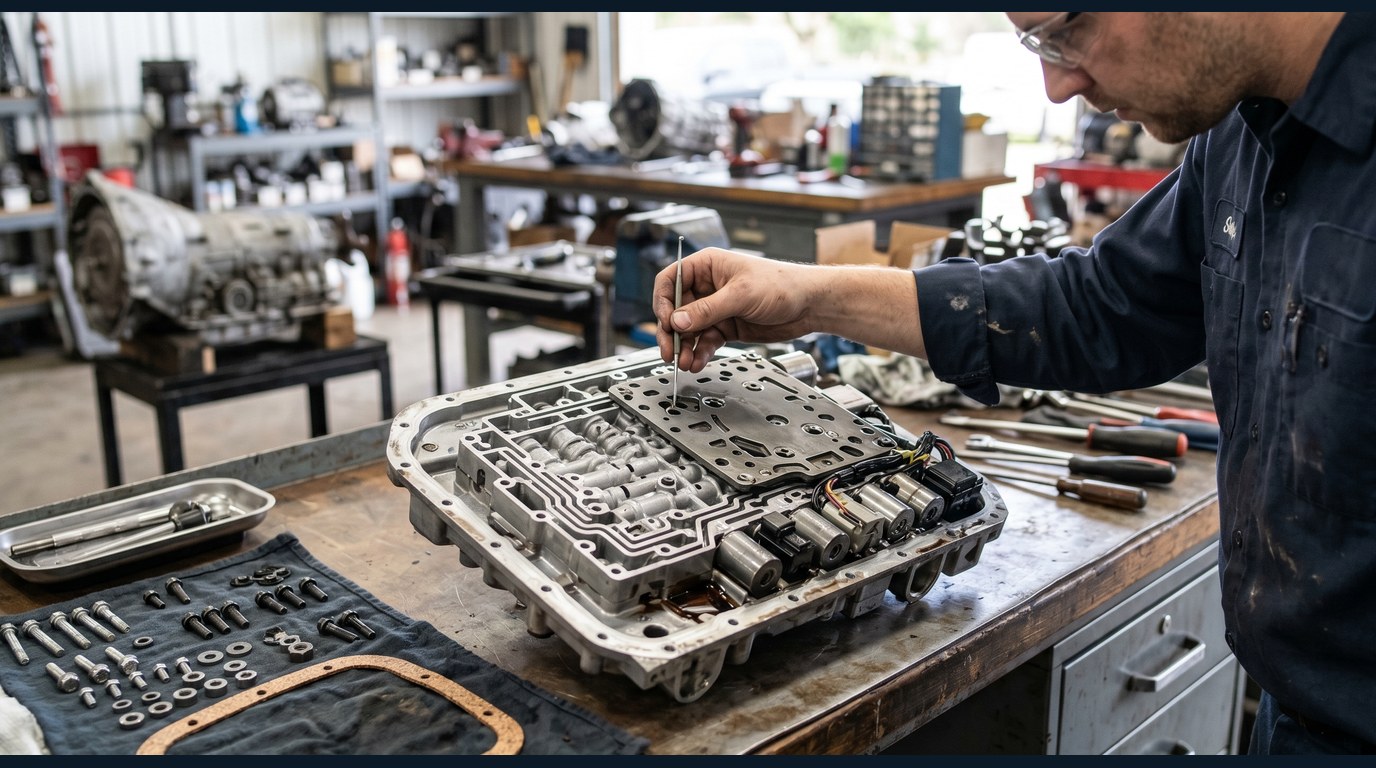
The written estimate separates service, targeted repair, rebuild, used unit, remanufactured unit, and replacement options before money is spent.
The diagnostic is free. The estimate depends on what testing proves, not on a prewritten replacement script.
Call or text 847-393-0191 with the year, make, model, mileage, codes, warning text, leak history, and symptoms.