Differential inspection photos
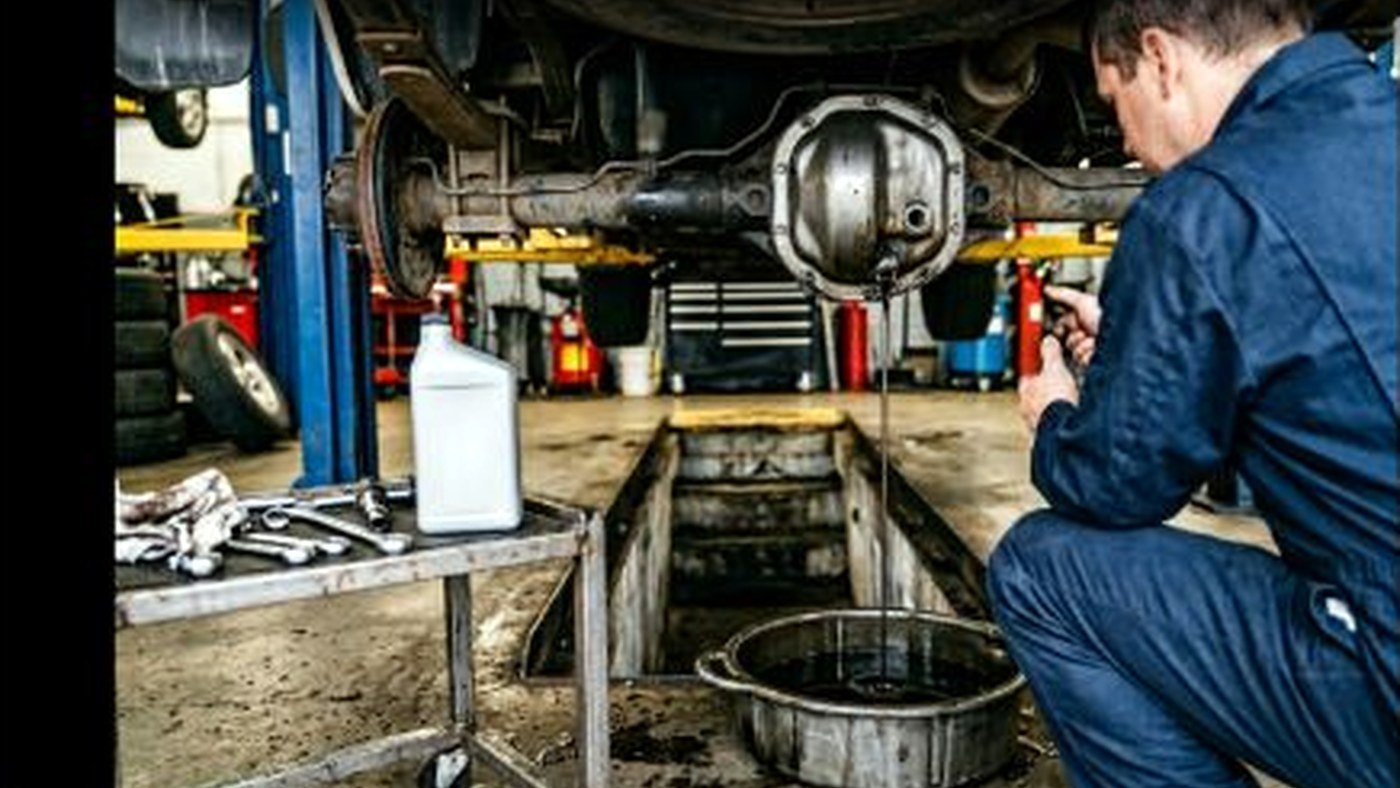
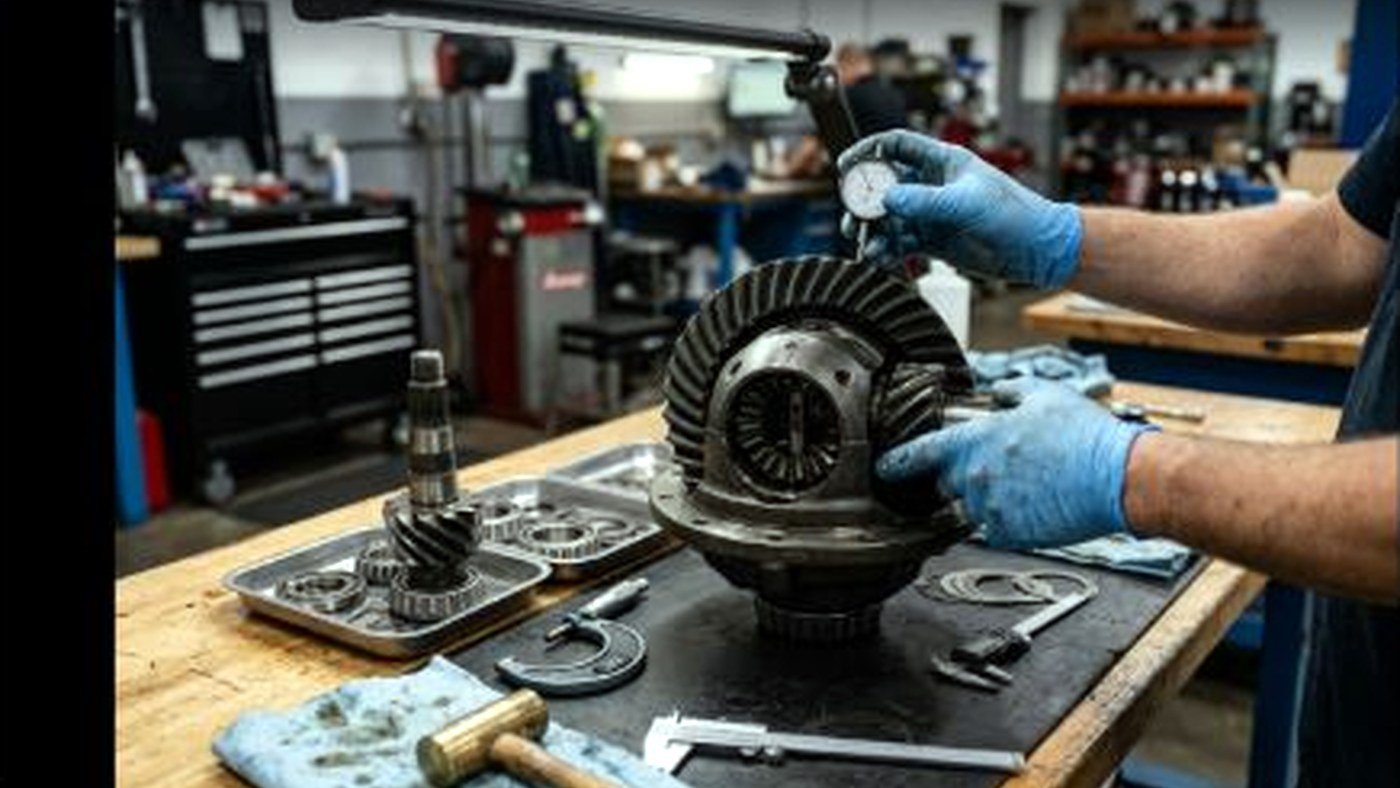
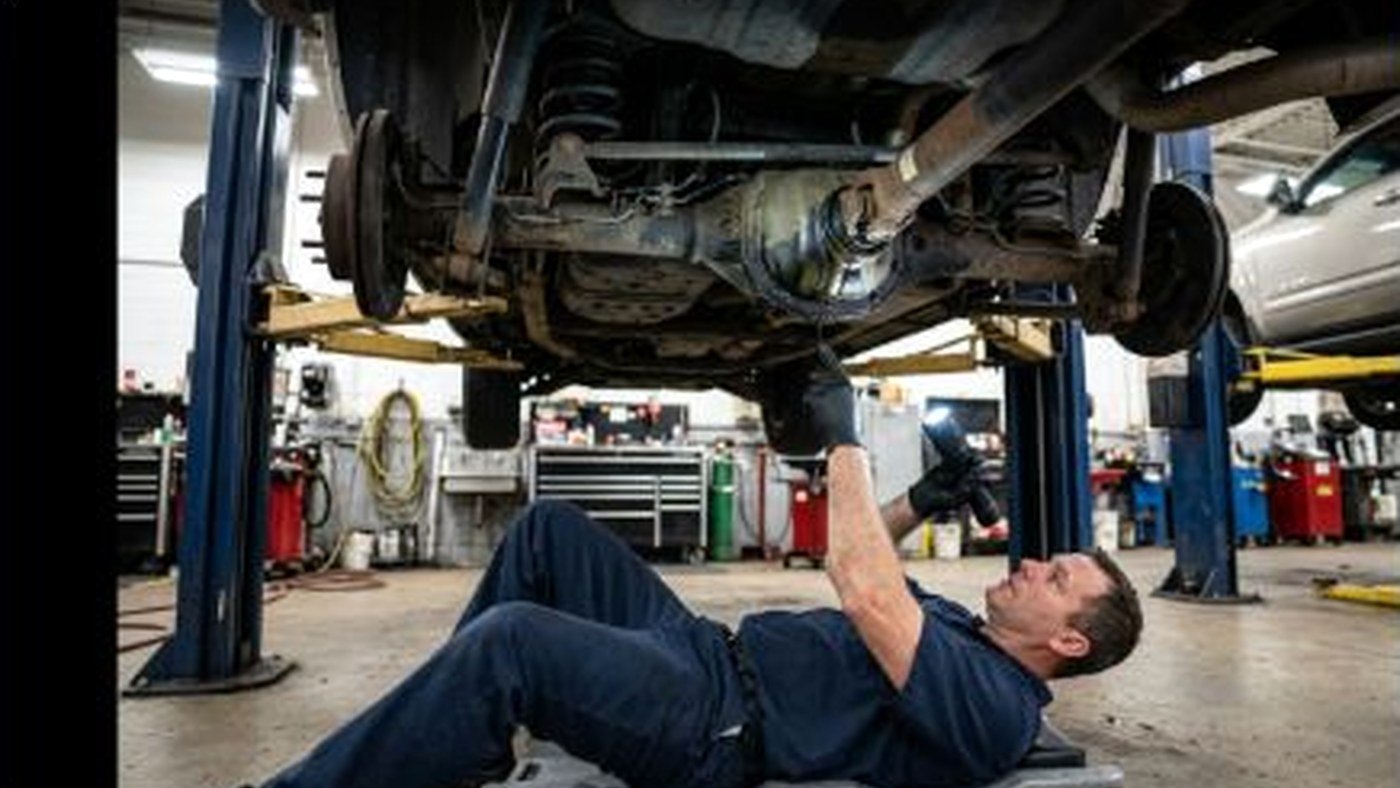
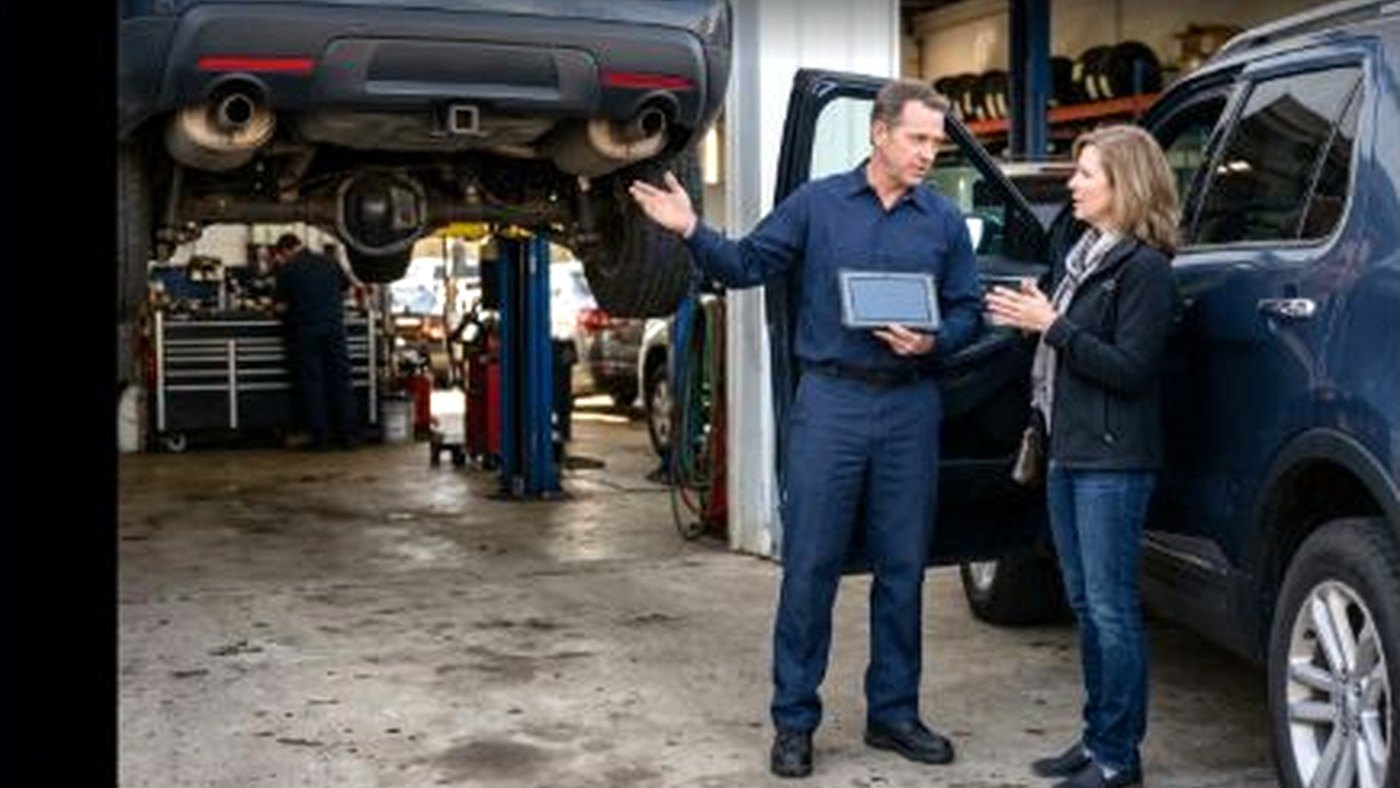
These photos show differential components, leak checks, lift inspections, and rebuild work related to rear axle, front differential, and AWD differential repair.
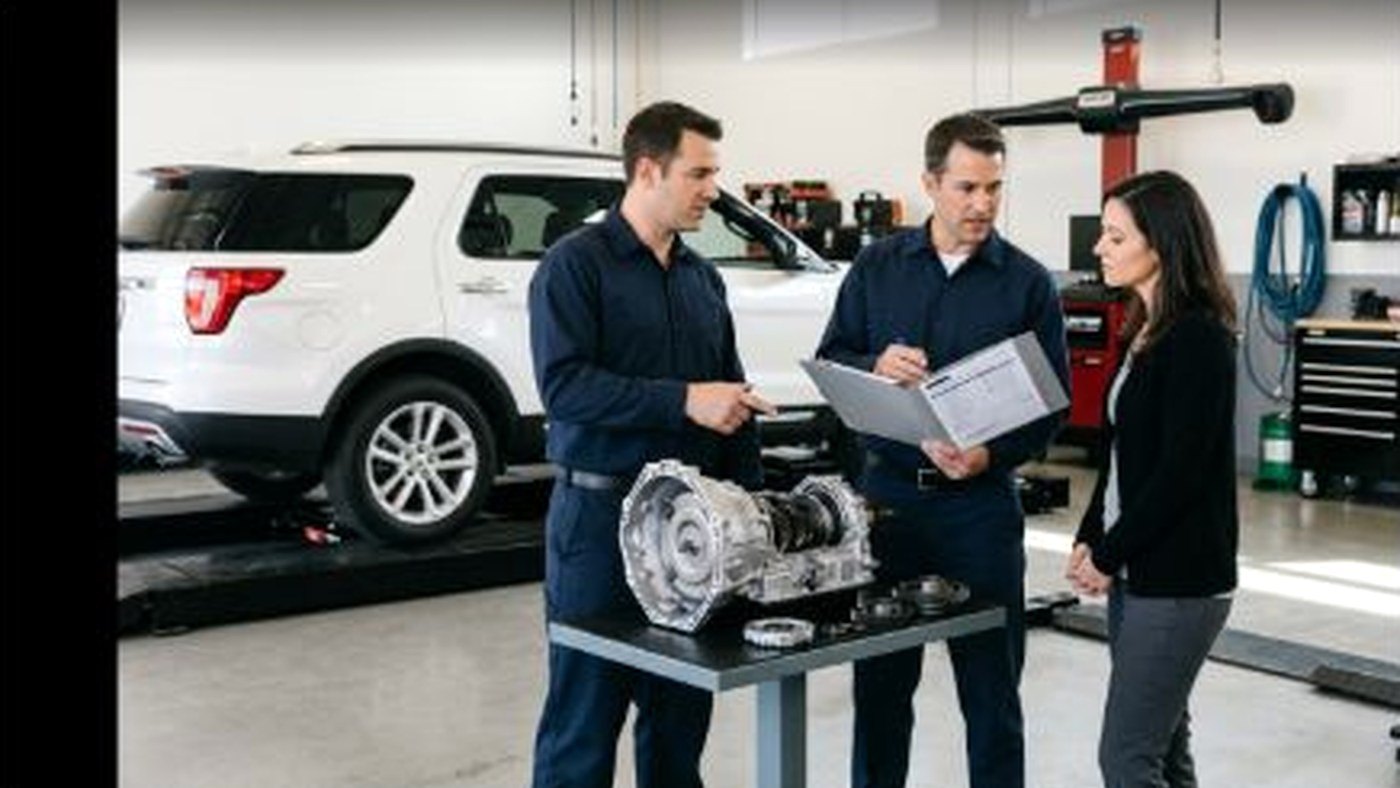
We diagnose differential and axle assembly problems for Arlington Heights drivers with a road test, scan data, fluid checks, and a written estimate before repair work starts. Road salt and pothole hits around the NW suburbs can speed up boot, seal, joint, and bearing wear.
Send the vehicle details and we will respond by call, text, or email.
Differential problems usually show up as sound, vibration, fluid loss, or a change under load. The useful question is not just whether the differential is noisy. It is when the noise appears, whether it changes on acceleration or coast, and whether the gear oil shows metal or heat damage.
A steady highway whine points in a different direction than a clunk when shifting from Drive to Reverse. A growl that changes with speed can point toward bearings. A howl that changes on throttle can point toward ring-and-pinion wear or setup. A vibration may be driveshaft, axle, tire, bearing, or differential related.
We road-test when the vehicle is safe, then inspect fluid level, color, smell, leaks, axle seals, pinion seal area, mounts, U-joints, wheel bearings, and related driveline parts. That keeps a tire or axle problem from being sold as differential repair.
For Arlington Heights drivers, winter salt can accelerate seal and vent problems. Once gear oil drops low, the differential can run hot and damage bearings or gears. A small wet area near the housing is worth checking before it becomes a howl.
If the fluid is low but the gears are quiet, the fix may be a seal, gasket, vent, or service. If the bearing preload is gone, the repair may involve bearings and setup. If the gear pattern is damaged, the estimate may move toward rebuild or replacement.
We explain the difference between maintenance, reseal, bearing repair, gear setup, and full rebuild. Those are not the same job, and the estimate should say which evidence supports the recommendation.
Bring any description of the sound: speed, load, turn direction, towing history, and whether it began after a leak, tire change, lift kit, or previous axle work. Those details help us narrow the inspection quickly.
A strong estimate should identify the leak point or noise source, note the fluid condition, and explain whether the repair is external service, bearing work, gear setup, or replacement. If the quote only says "rear end" or "differential" without findings, it is not specific enough.
We also look at vehicle value and use. A work truck, AWD crossover, family SUV, and performance car do not need the same conversation. Towing, highway commuting, oversized tires, and winter corrosion all affect the repair decision.
If the differential is quiet after fluid service, we tell you what to monitor. If the pattern shows damage, we explain why fresh gear oil will not undo worn gears. The goal is a practical decision before the noise gets expensive.
Call, text, or send the form with the noise, leak location, driving speed, and whether the vehicle is front-wheel, rear-wheel, AWD, or 4WD. We will inspect the differential and explain the repair path before work starts.
Differential inspection photos
These photos show differential components, leak checks, lift inspections, and rebuild work related to rear axle, front differential, and AWD differential repair.