4WD Transfer Case Service Arlington Heights photos
4WD transfer case photos should support shift-motor checks, fluid inspection, chain and bearing concerns, and truck driveline diagnosis.
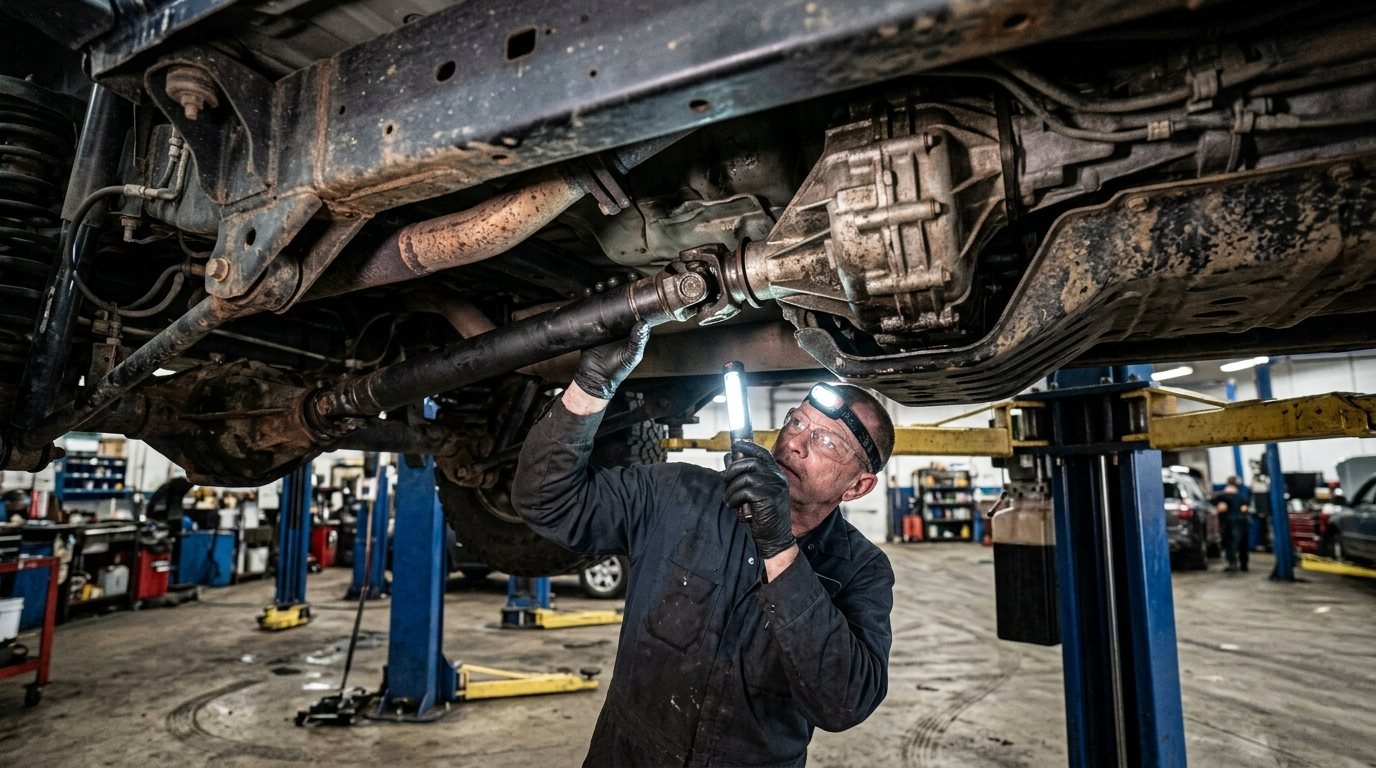
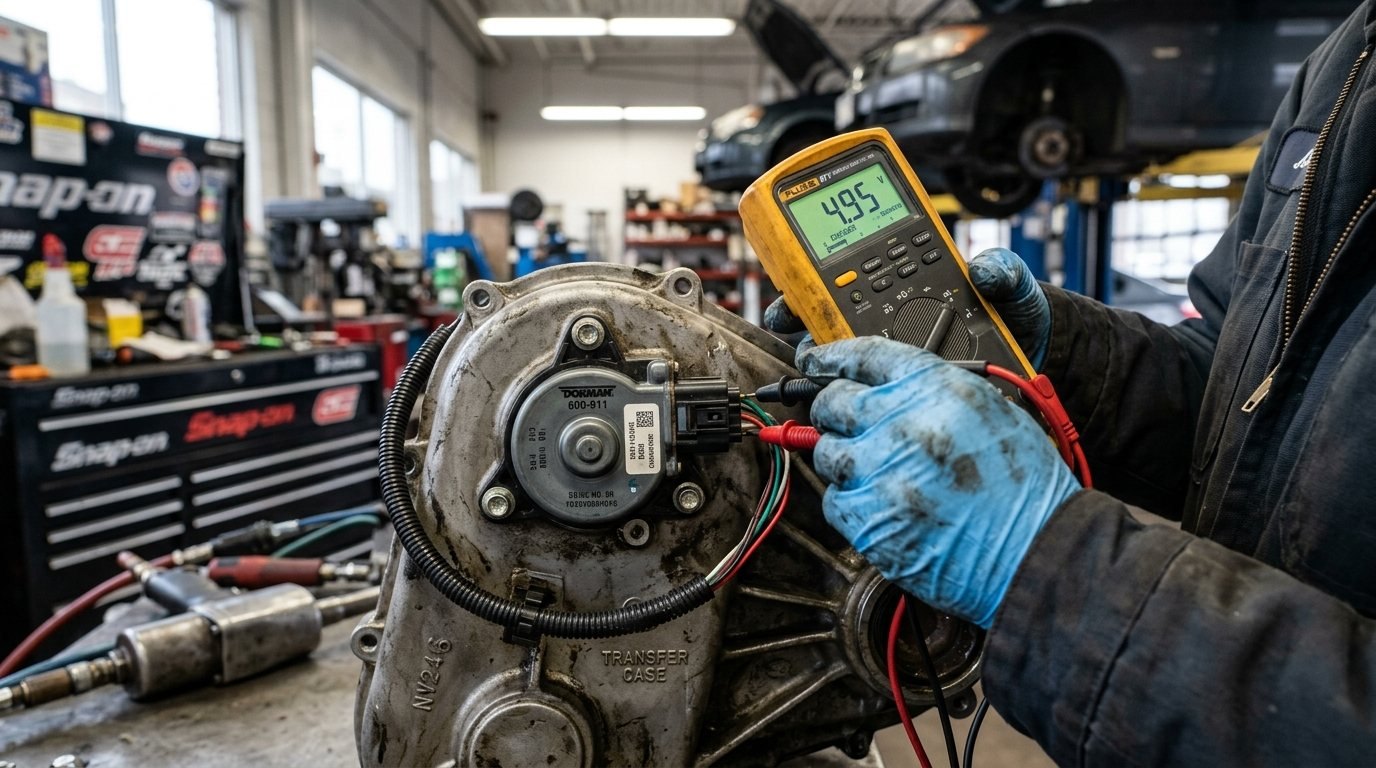
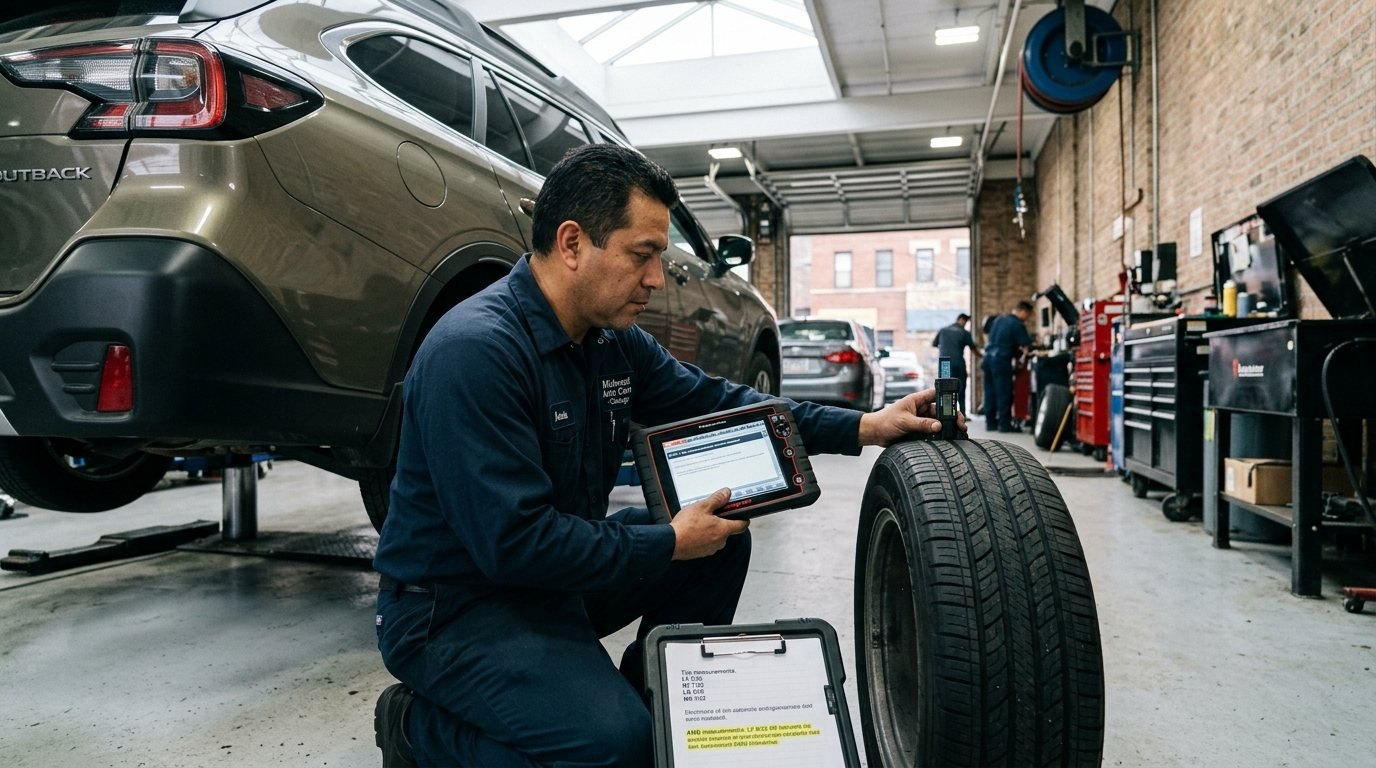
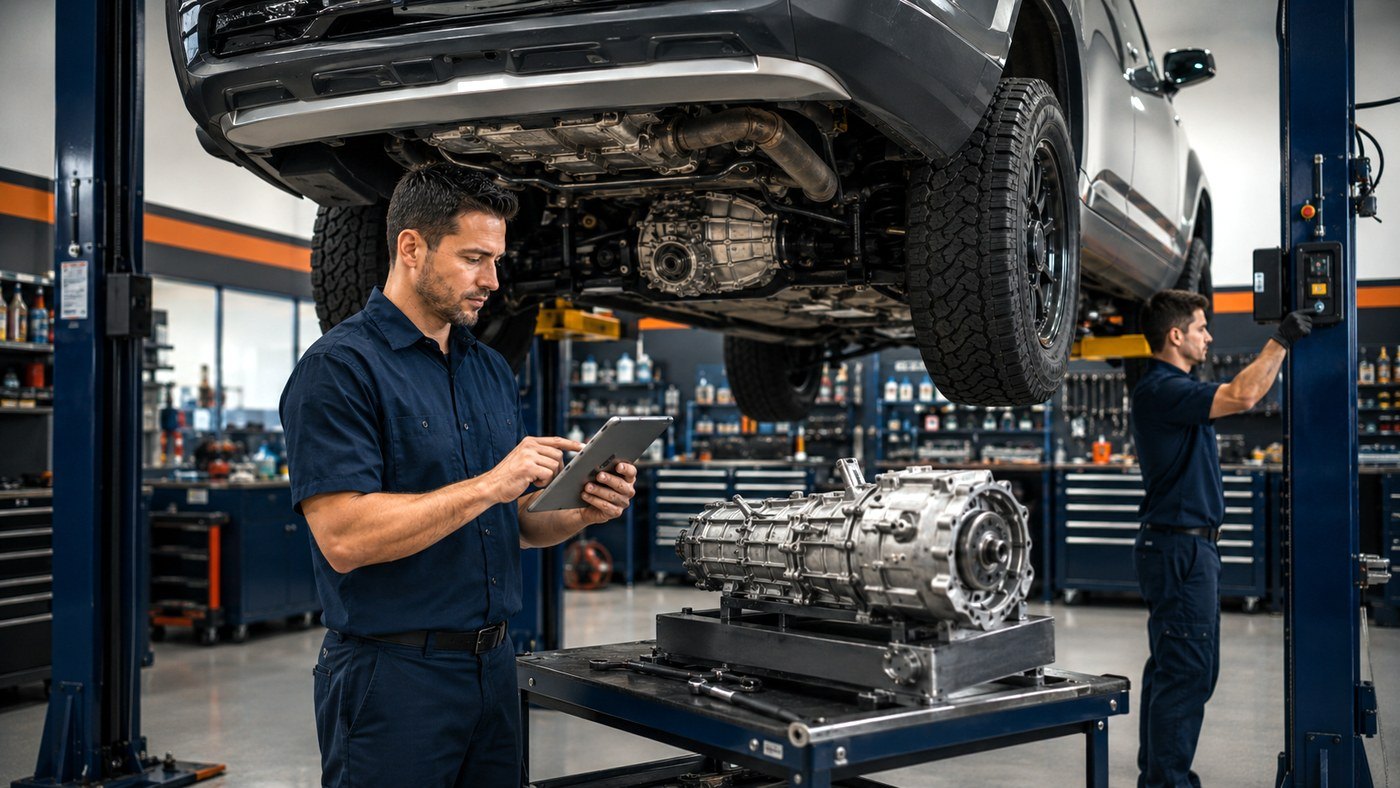
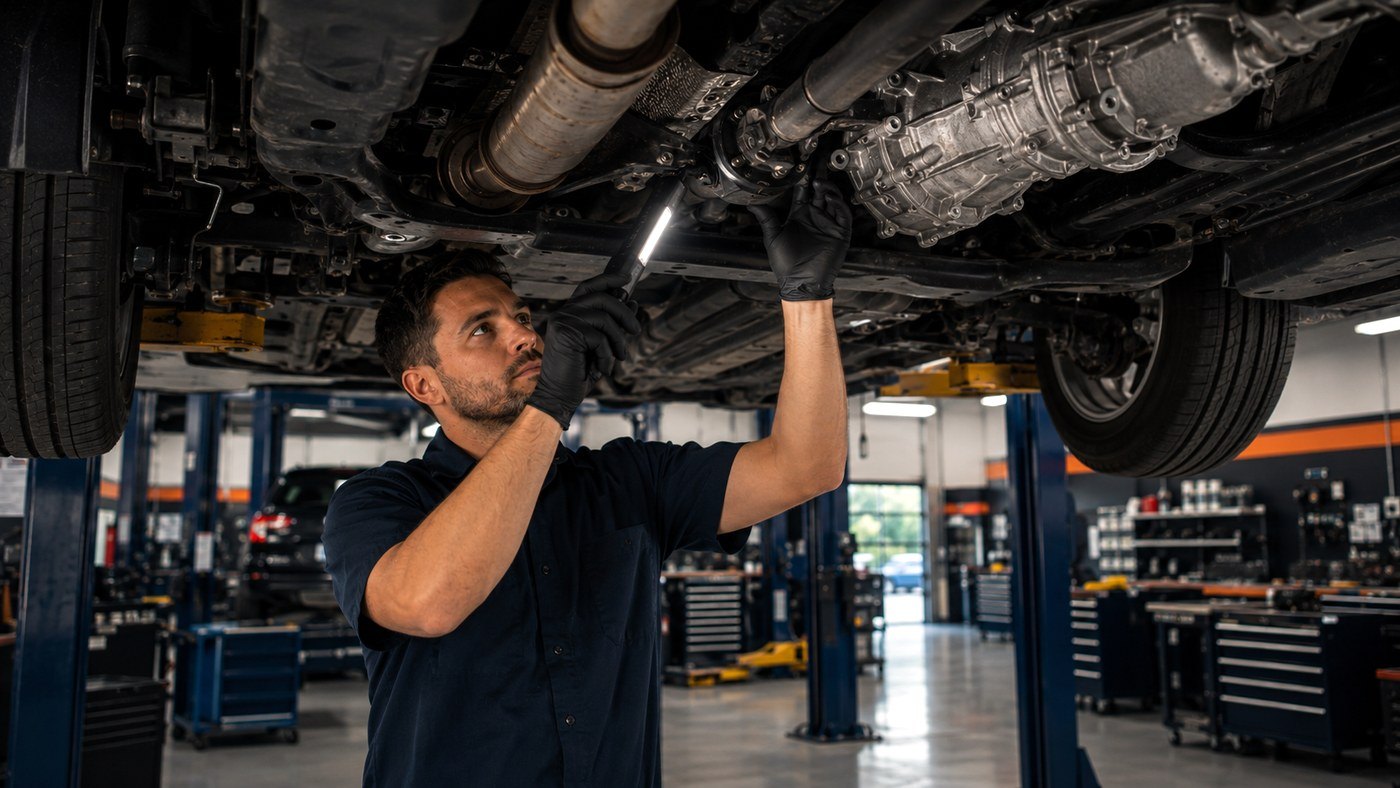
We diagnose four-wheel-drive transfer case problems for Arlington Heights drivers with a road test, scan data, fluid checks, and a written estimate before repair work starts. Winter salt, tight parking-lot turns, and mixed AWD driving can make transfer case problems easier to feel.
Send the vehicle details and we will respond by call, text, or email.
A 4WD transfer case complaint can come from the case itself, shift motor, encoder, actuator, wiring, fluid, chain, bearings, front axle engagement, or driveline bind. We do not assume the transfer case is bad until the 4WD system is checked as a system.
Drivers call when the truck will not shift into 4HI, gets stuck in 4WD, grinds in 4LO, shows a Service 4WD message, or bangs when the mode changes. Some symptoms are electrical or actuator-related. Others point toward internal chain, bearing, fork, or range issues.
We confirm the vehicle, transfer case type, button or lever behavior, codes, fluid level, leaks, front axle engagement, tire size match, and whether the problem happens only in cold weather or after highway driving.
Using 4WD on dry pavement can create driveline bind that feels like failure. A true transfer case problem usually needs more evidence than one tight parking-lot turn.
Low or burnt transfer case fluid can damage bearings, range components, and the chain. Chain stretch may show up as popping, banging, or slipping under load. Metal in the fluid changes the estimate from service to repair or rebuild.
Winter use around Arlington Heights and the northwest suburbs means the 4WD system may sit unused for months, then be needed during snow. Exercising the system and servicing fluid can catch problems before the first storm.
The estimate should explain whether the fix is fluid service, leak repair, actuator or encoder work, wiring, chain and bearing rebuild, or replacement.
Tell us whether the vehicle is stuck in 2WD or 4WD, whether the lights flash, whether there is a Service 4WD message, and whether the noise happens in 4HI, 4LO, or all modes. Mention tire size changes, recent battery work, towing, plowing, off-road use, or fluid leaks.
If the truck is binding badly, grinding, or stuck in a mode that makes it unsafe to drive, call before forcing it. A tow can prevent damage to the transfer case, axle, driveshaft, or transmission.
We give the repair path in writing so you know whether you are approving a control repair, mechanical rebuild, or replacement.
We also ask whether all four tires match in size and wear. Mismatched tires can load a 4WD system in ways that feel like a case failure. That check is simple, but it can prevent an expensive wrong turn.
If the case leaked after a seal or driveshaft repair, mention that history. A repeat leak may point to vent pressure, yoke wear, bearing movement, or installation damage rather than a simple gasket problem.
When the truck is used for plowing, towing, job sites, or winter recovery, the transfer case sees shock loads that a normal commuter truck may never see. That usage changes how we inspect the chain, range fork, mounts, and fluid.
Call, text, or send the form. We will start with the complaint, inspect the four-wheel-drive transfer case, and explain the practical repair path. Free diagnostic, written estimate, no obligation.
4WD Transfer Case Service Arlington Heights photos
4WD transfer case photos should support shift-motor checks, fluid inspection, chain and bearing concerns, and truck driveline diagnosis.