Symptoms
Rough idle, stalling, overheating, smoke, leaks, ticking, knocking, or power loss all point the inspection in different directions.
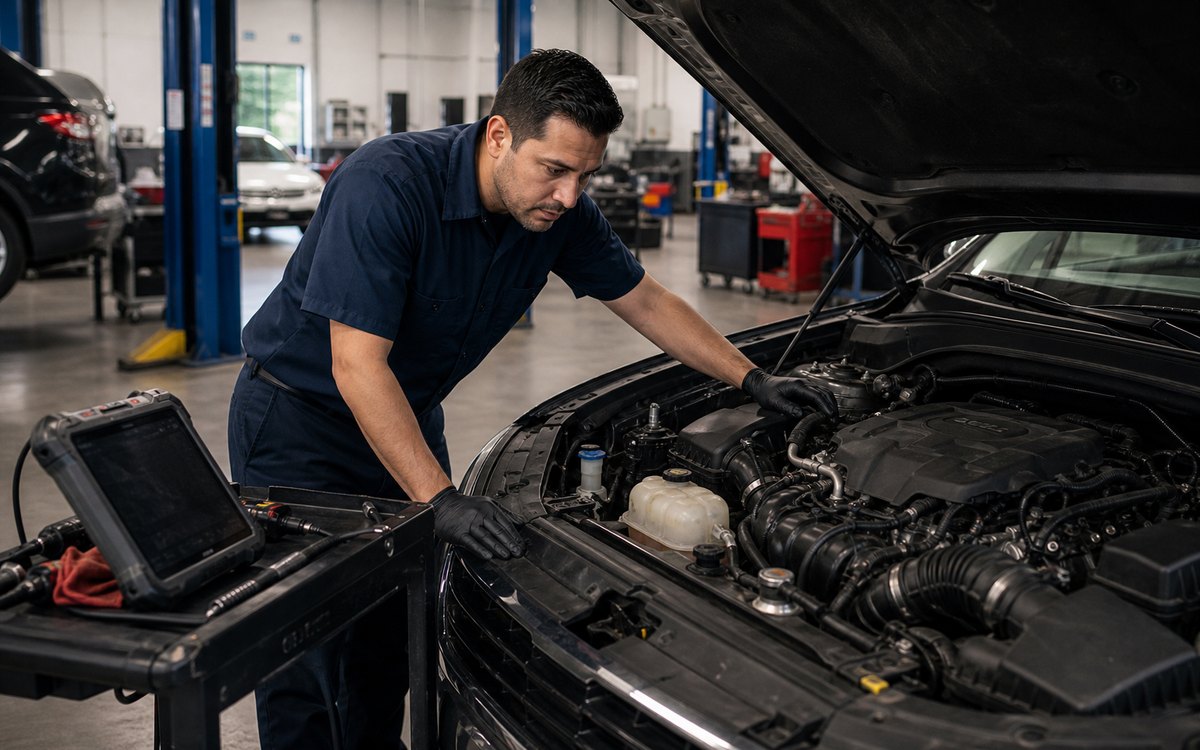
Engine repair starts with the complaint you can feel: rough idle, misfire, oil leak, overheating, no-start, loss of power, or a warning light. We scan it, inspect it, and explain whether the fix is minor service, mechanical repair, or a larger engine decision.
Vehicles around Arlington Heights deal with cold starts, road salt, short trips, and I-90 heat. That mix can turn small leaks, weak ignition parts, cooling issues, and neglected fluids into bigger repairs.
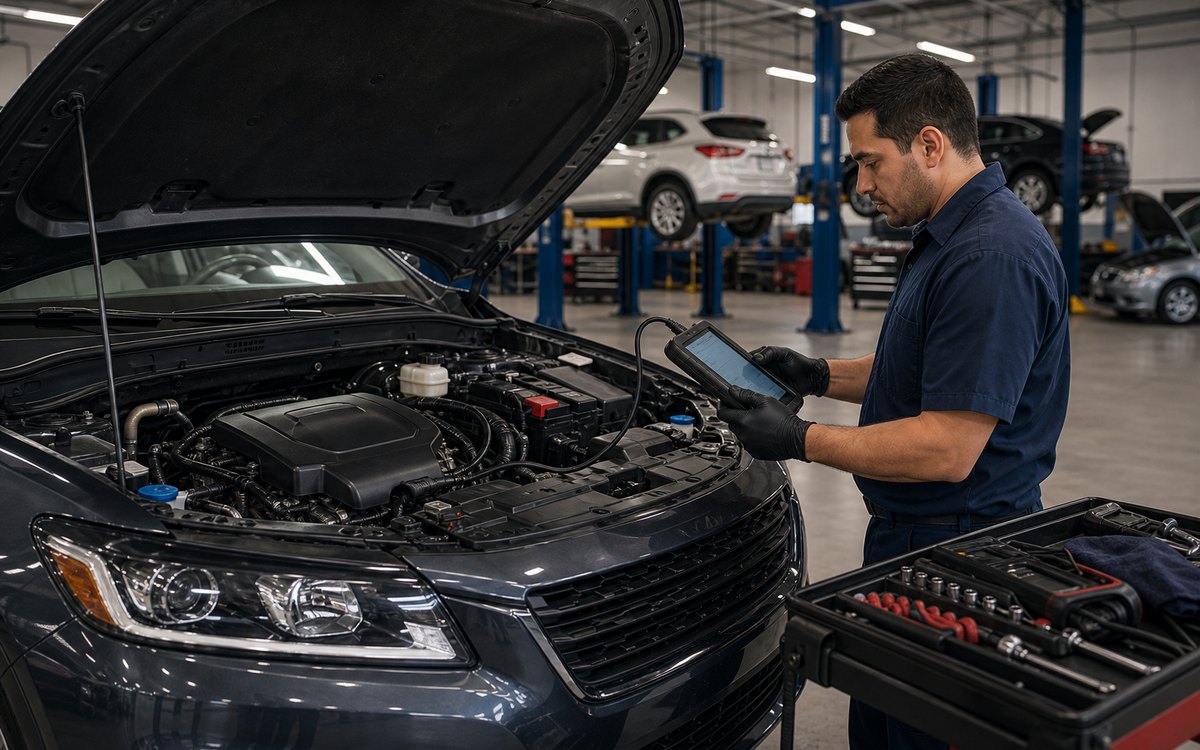
Engine service makes sense when the check engine light is flashing, the vehicle runs rough, oil or coolant is leaking, the temperature gauge climbs, or the engine noise changes suddenly.
If you are coming from Palatine, Schaumburg, Hoffman Estates, Rolling Meadows, Mount Prospect, Wheeling, or Buffalo Grove, call 847-393-0191 before driving far with overheating, heavy smoke, low oil pressure, or a flashing warning light.
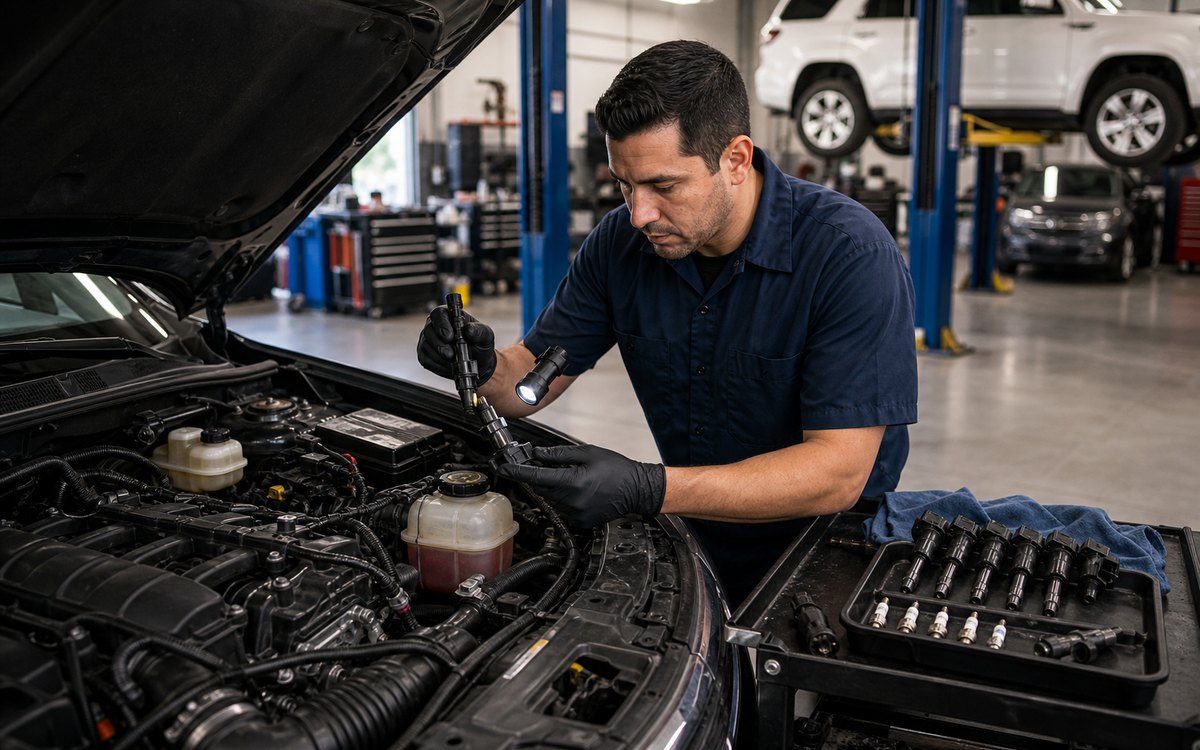
Some engine problems are straightforward: coils, plugs, sensors, belts, hoses, gaskets, or cooling repairs. Others require compression testing, leak-down checks, timing inspection, or a replacement-engine conversation.
Get Free Diagnostic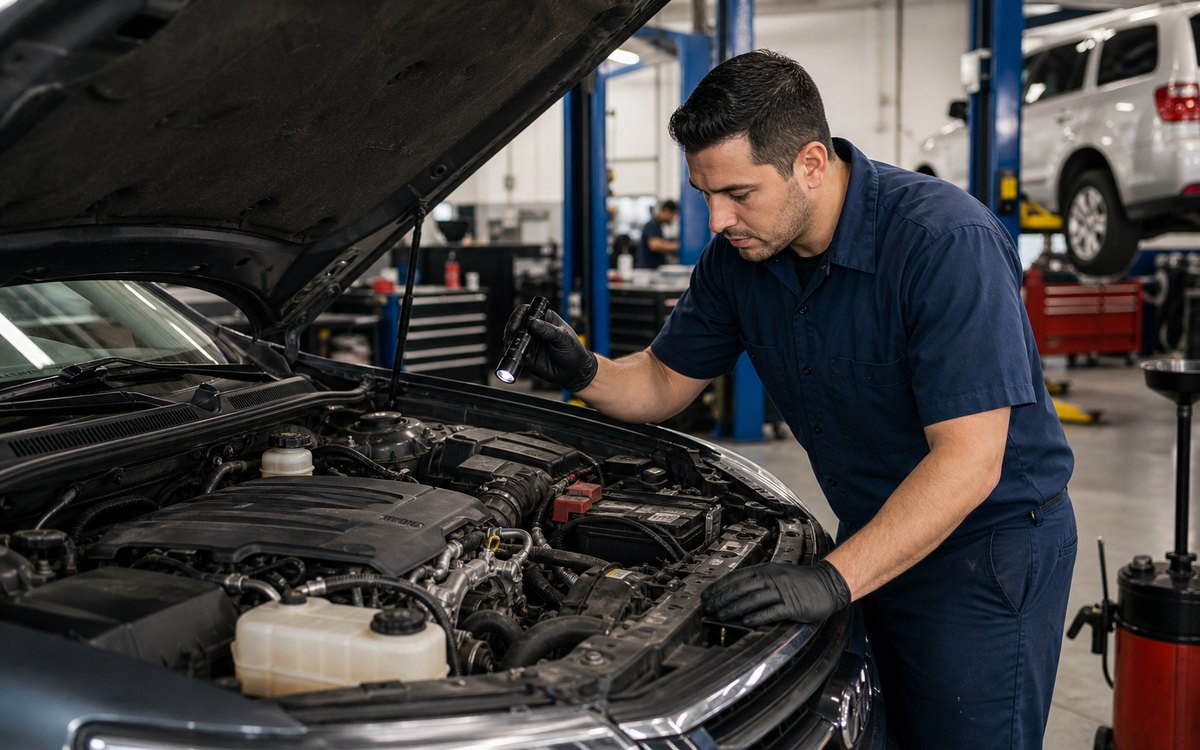
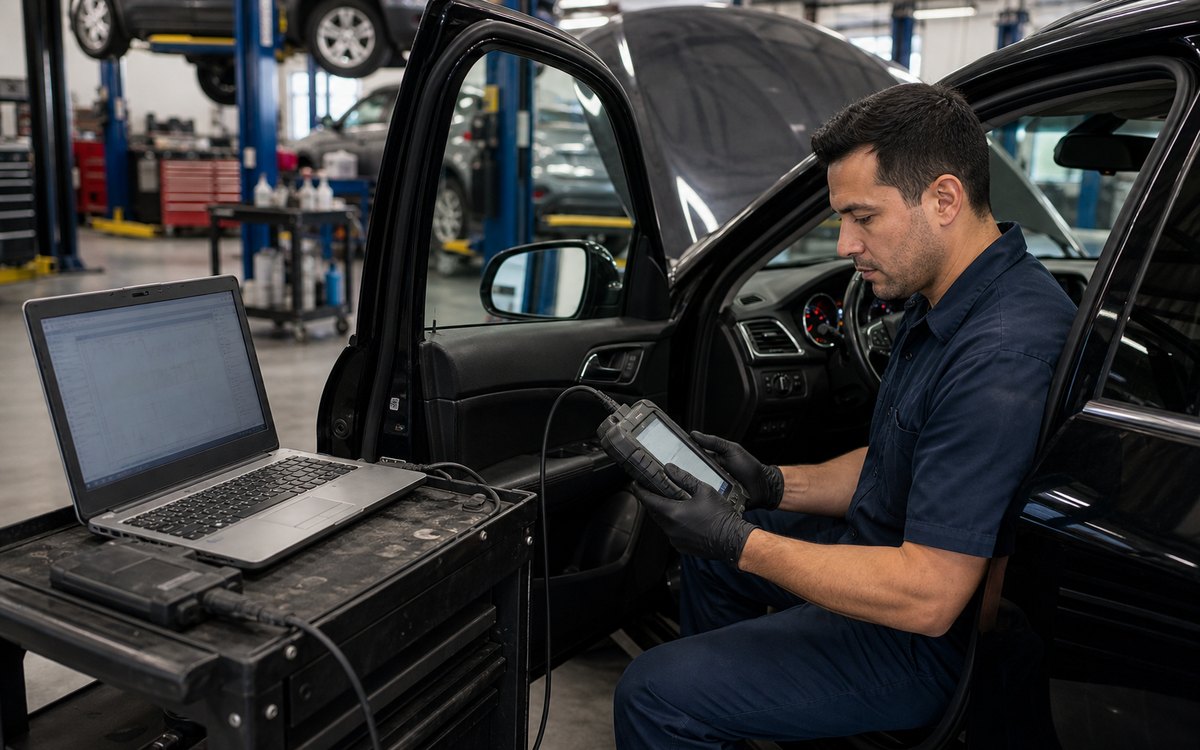
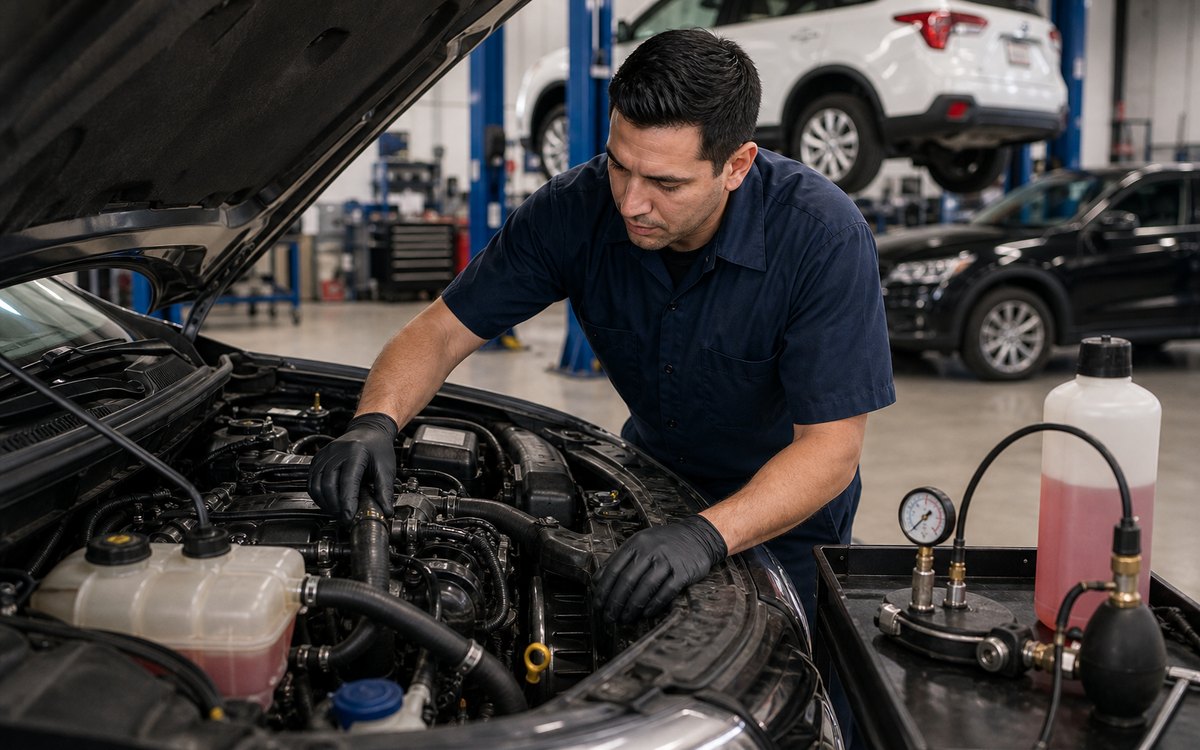
We start with scan data, fluid levels, visible leaks, battery and charging checks, cooling-system condition, belts, hoses, mounts, and a road test when the vehicle can be driven safely.
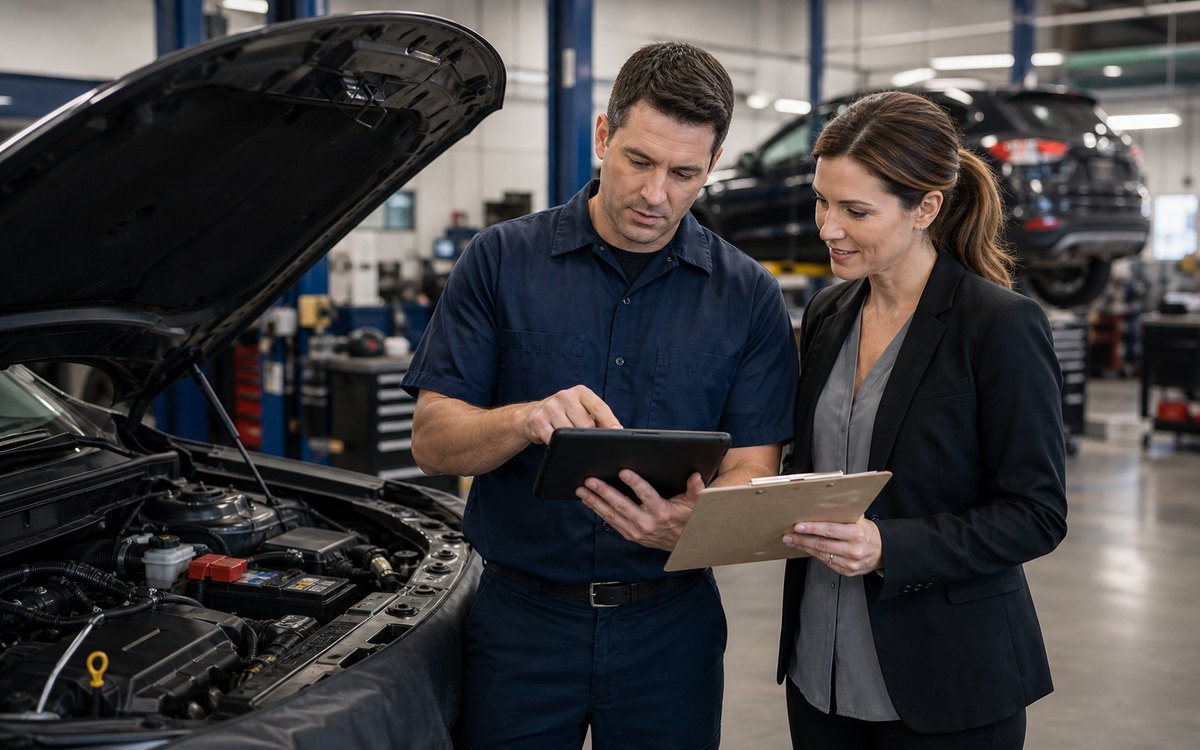
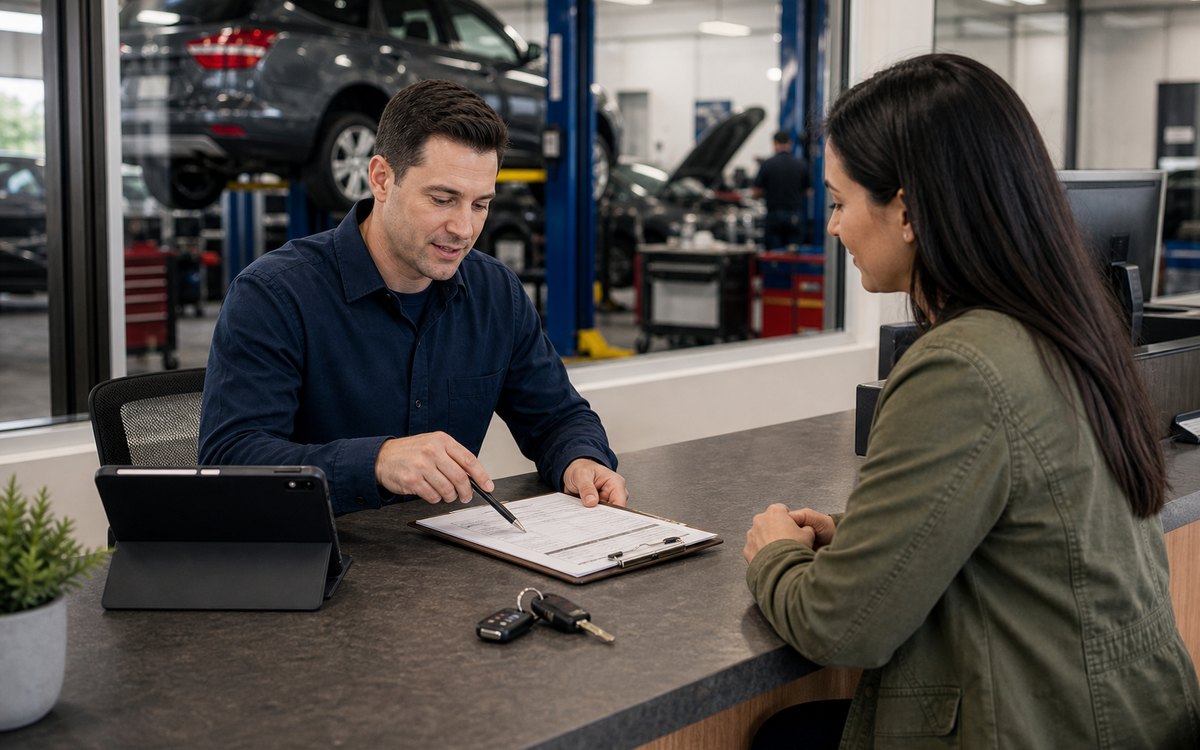
An engine estimate should tell you what failed, what proves it, what it costs to fix, and whether the vehicle is worth repairing at its age and mileage.
Engine repair pricing depends on access, parts, diagnostic time, and whether the concern is external, electrical, cooling-related, fuel-related, or internal. A check engine light code by itself is not enough to quote honestly.
Rough idle, stalling, overheating, smoke, leaks, ticking, knocking, or power loss all point the inspection in different directions.
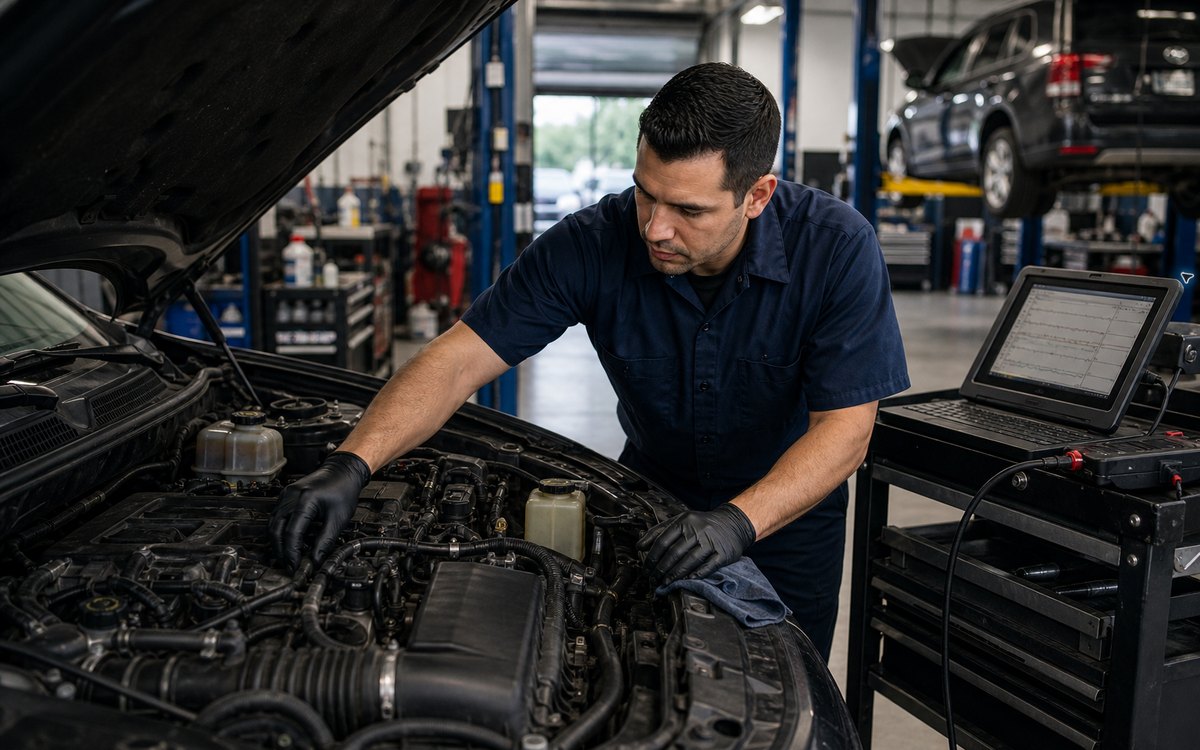
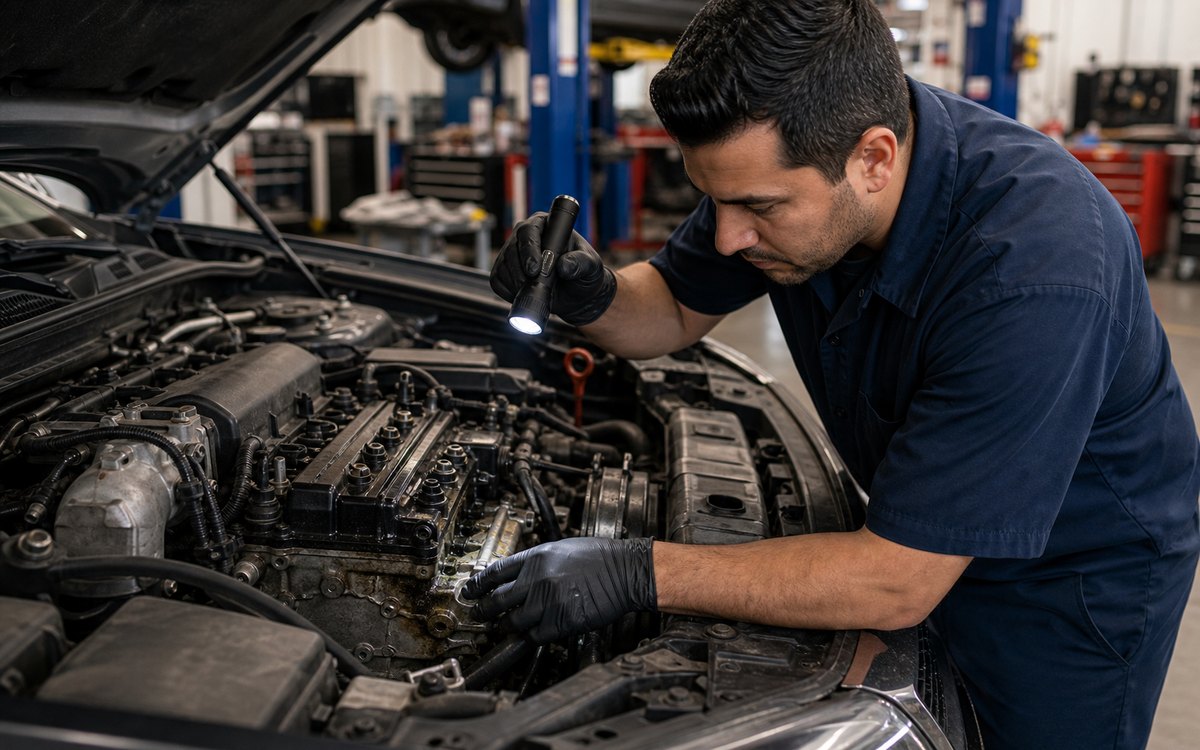
We combine scan data with hands-on checks for fluids, leaks, cooling condition, ignition, charging, belts, hoses, and mechanical health.
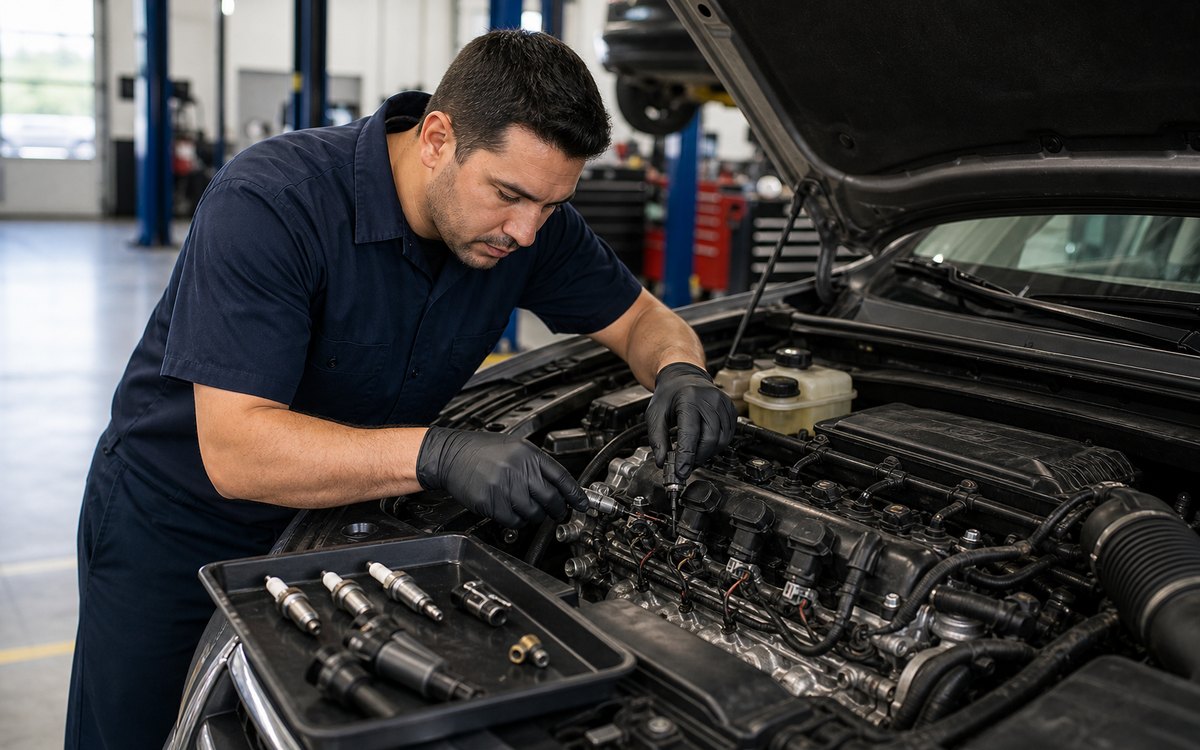
If the fix is a sensor, gasket, coil, belt, hose, or cooling repair, we keep it targeted. If the engine is failing internally, we explain the bigger options.
Call 847-393-0191 with the vehicle, mileage, warning lights, fluid loss, and what changed. If another shop quoted major engine work, bring the estimate for a second look.
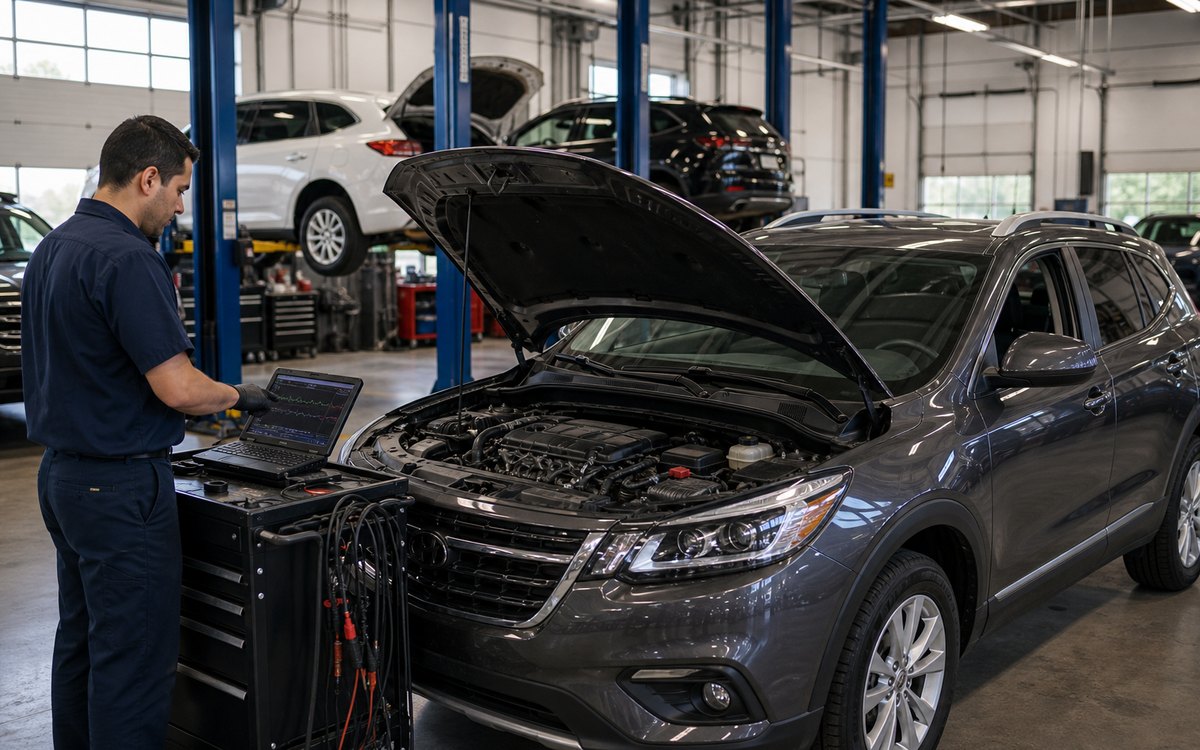
Call 847-393-0191 with the vehicle details and what you are noticing around warning lights, leaks, rough running, overheating, or no-start issues. We will inspect it, explain the written estimate, and review warranty terms before work starts.
Engine Repair Arlington Heights photos