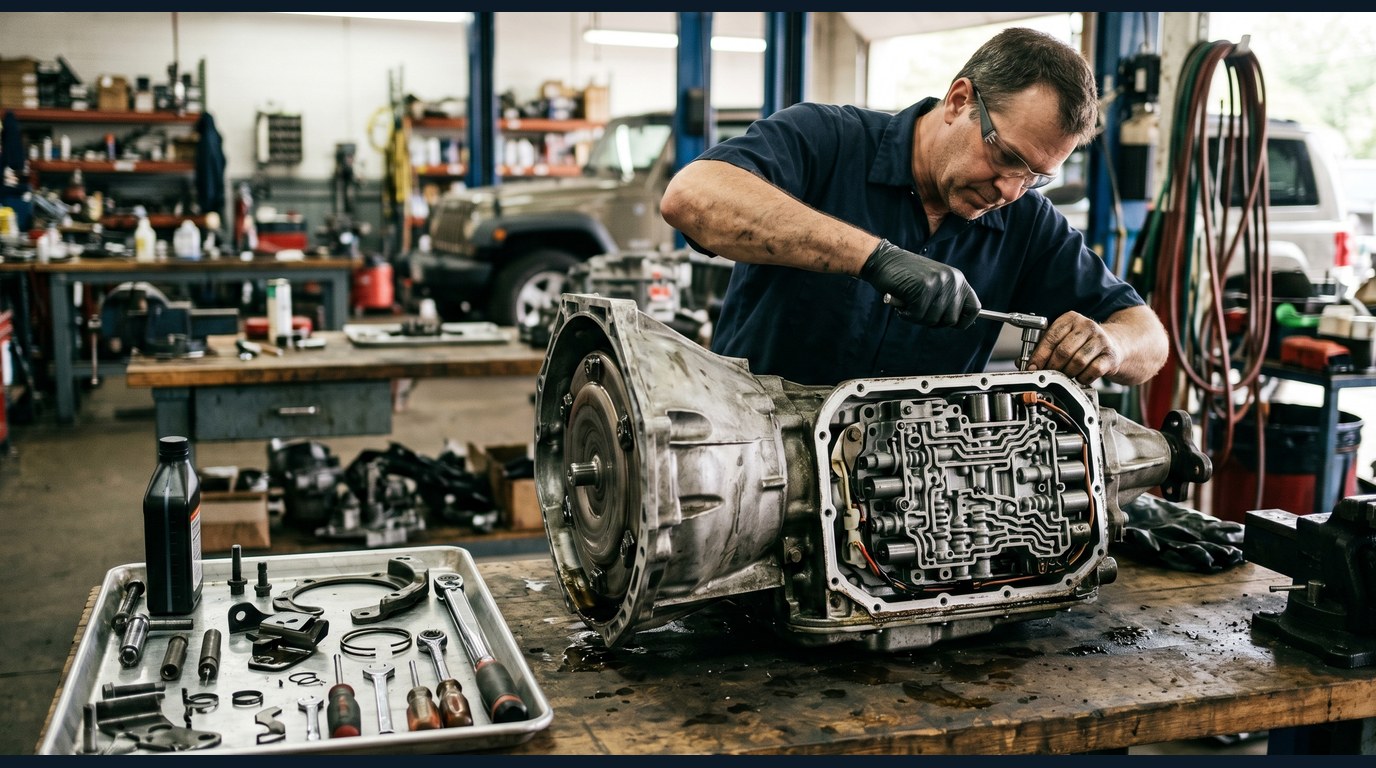
Symptoms
We document when the symptom appears, whether it changes warm versus cold, and whether the complaint sounds like hydraulic, electrical, clutch, converter, fluid, mount, or internal wear.
Transmission parts have to match the unit, the failure, and the repair plan. We help with hard parts, rebuild components, fitment questions, shop support, and parts decisions for drivers and repair shops around Arlington Heights.
The wrong part can turn a straightforward repair into a comeback. Around Arlington Heights, we help identify the unit, confirm fitment, and make sure the part being ordered actually matches the failure.
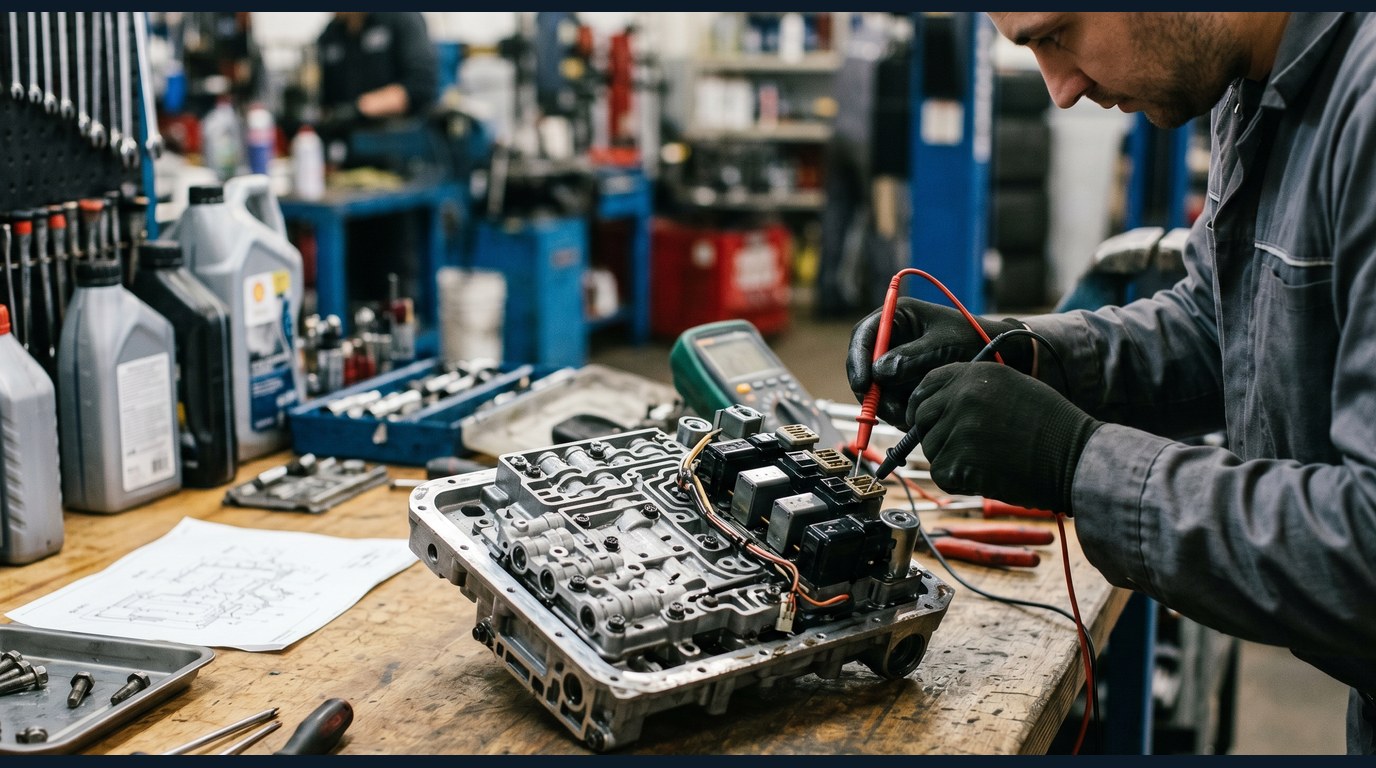
Transmission parts decisions should be tied to the repair path, not a random parts list. We review the failed component, transmission family, fluid evidence, hard-part wear, availability, warranty, programming needs, and whether parts-only work actually protects the vehicle.
Hard parts, valve-body components, solenoids, clutch packs, converters, seals, filters, pumps, drums, bearings, sensors, and rebuild kits each have different risk depending on debris, mileage, and how the failure happened.
The written estimate should explain whether a targeted part, rebuild parts, remanufactured unit, used unit, or full replacement is the best value after inspection.
Get Free DiagnosticThese clues need evidence before parts are ordered. Codes, fluid condition, road-test timing, and related-system checks keep the estimate honest.

If the evidence points to a related system instead of the transmission itself, we explain that before recommending transmission work.
A useful estimate should explain what failed, what can wait, what protects the vehicle, and how the repair path compares with replacement.
We document when the symptom appears, whether it changes warm versus cold, and whether the complaint sounds like hydraulic, electrical, clutch, converter, fluid, mount, or internal wear.
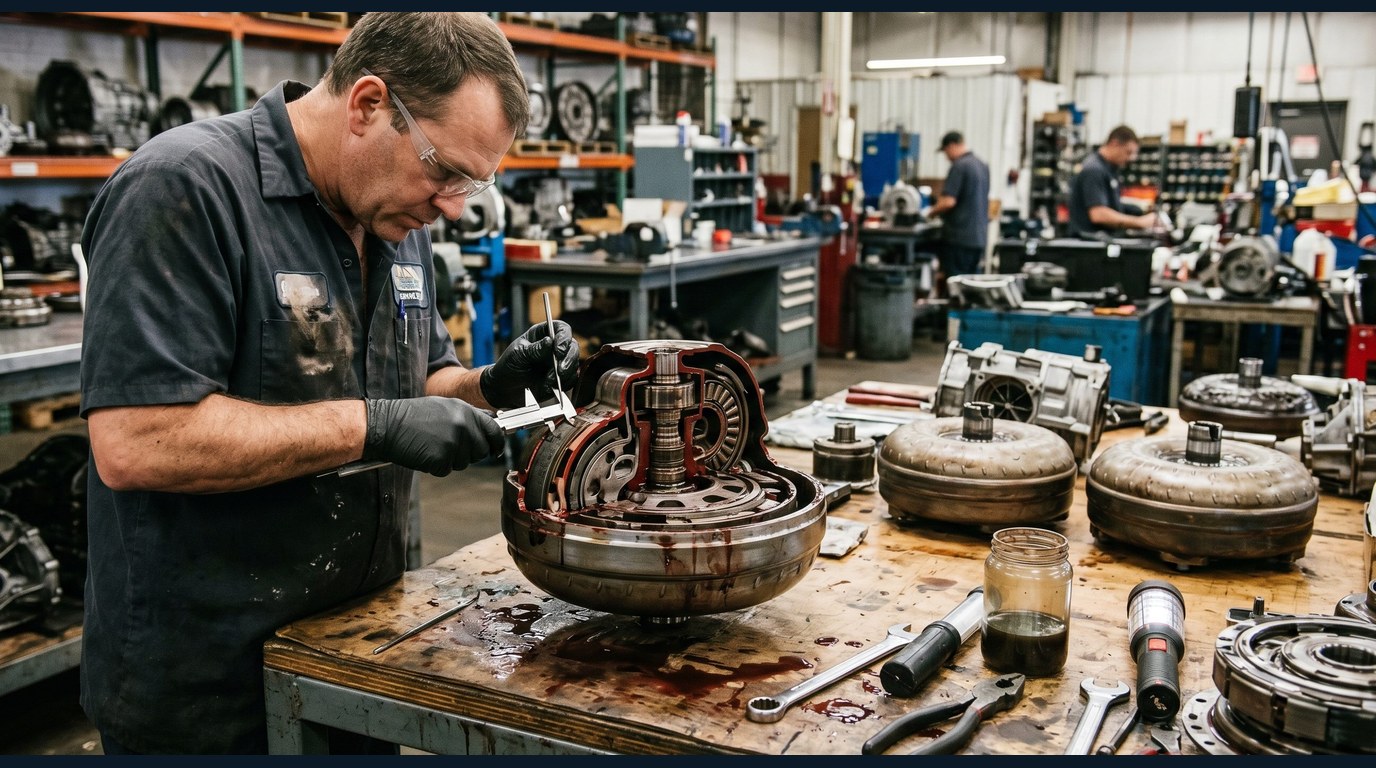
Scan data, fluid evidence, leak checks, road-test notes, service history, and parts availability keep the recommendation grounded.
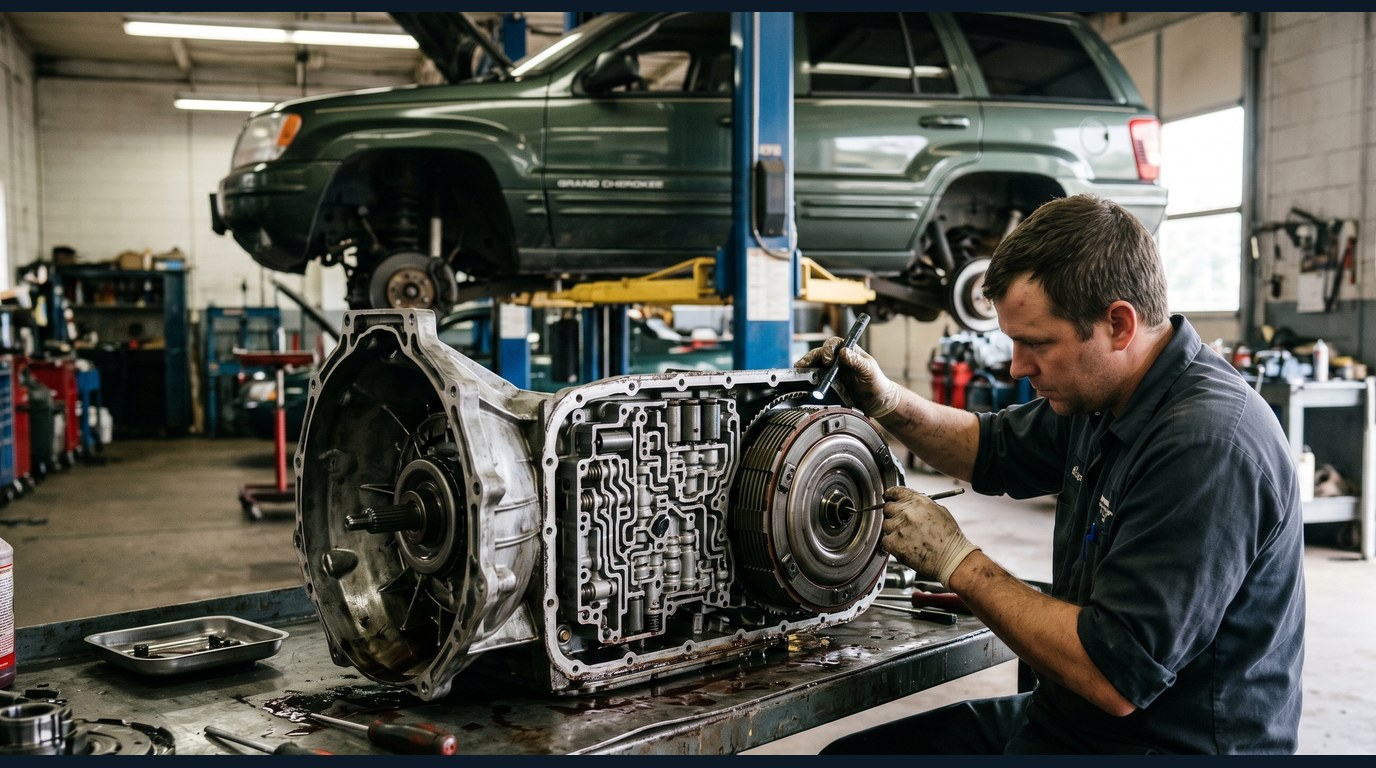
The written estimate separates service, targeted repair, rebuild, used unit, remanufactured unit, and replacement options before money is spent.
Parts pricing depends on transmission family, availability, quality level, supporting parts, programming, fluids, and whether the failure cause has been corrected.
Call or text 847-393-0191 with the year, make, model, mileage, codes, warning text, leak history, and symptoms.