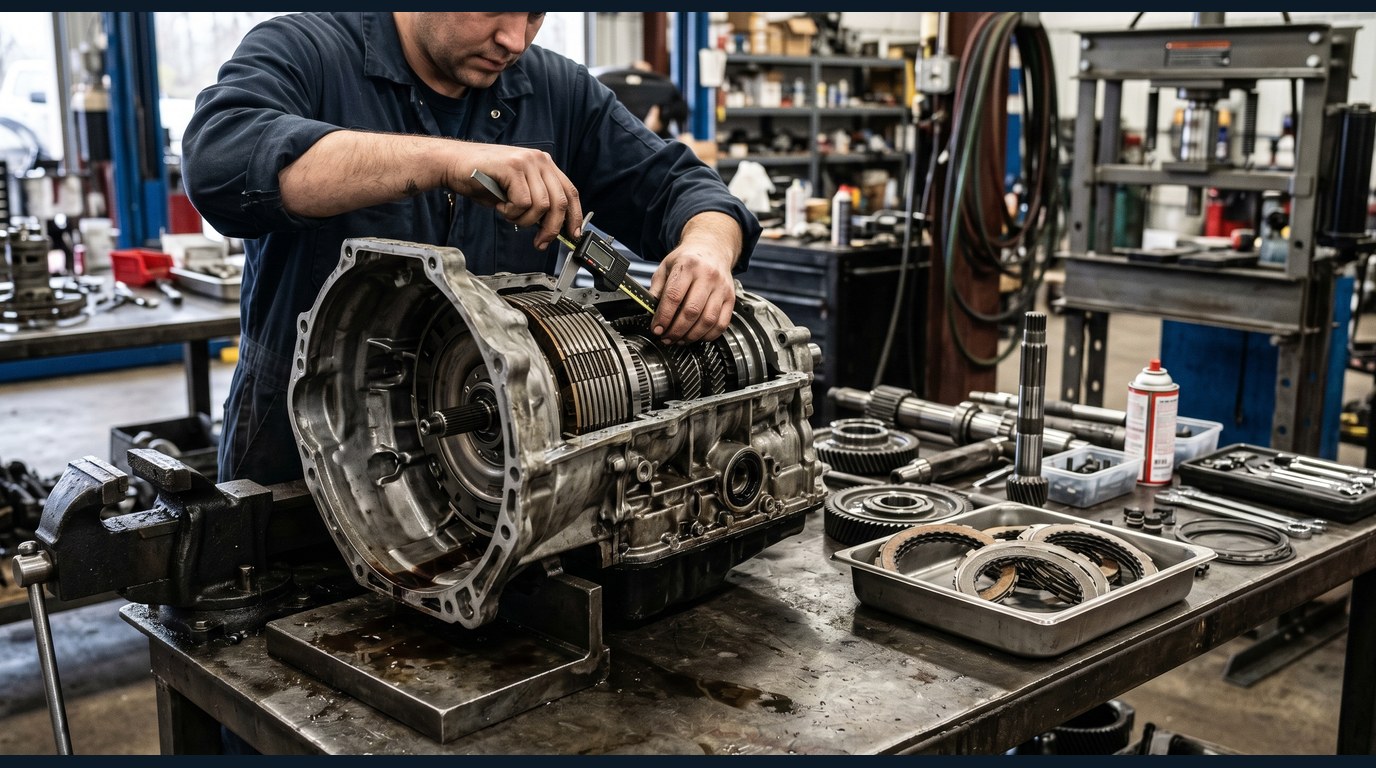
Symptoms
We document when the symptom appears, whether it changes warm versus cold, and whether the complaint sounds like hydraulic, electrical, clutch, converter, fluid, mount, or internal wear.
A failing torque converter can feel like a light shudder, slipping lockup, overheating, delayed movement, or a vibration that shows up at steady speed. We confirm the converter is the source before turning a drivability complaint into a major transmission job.
Route 53 merges, I-90 commuting, winter warmups, and stop-and-go northwest suburban traffic can make converter shudder and heat problems show up sooner. The right diagnosis separates a converter issue from fluid, valve body, mount, engine misfire, or full rebuild problems.
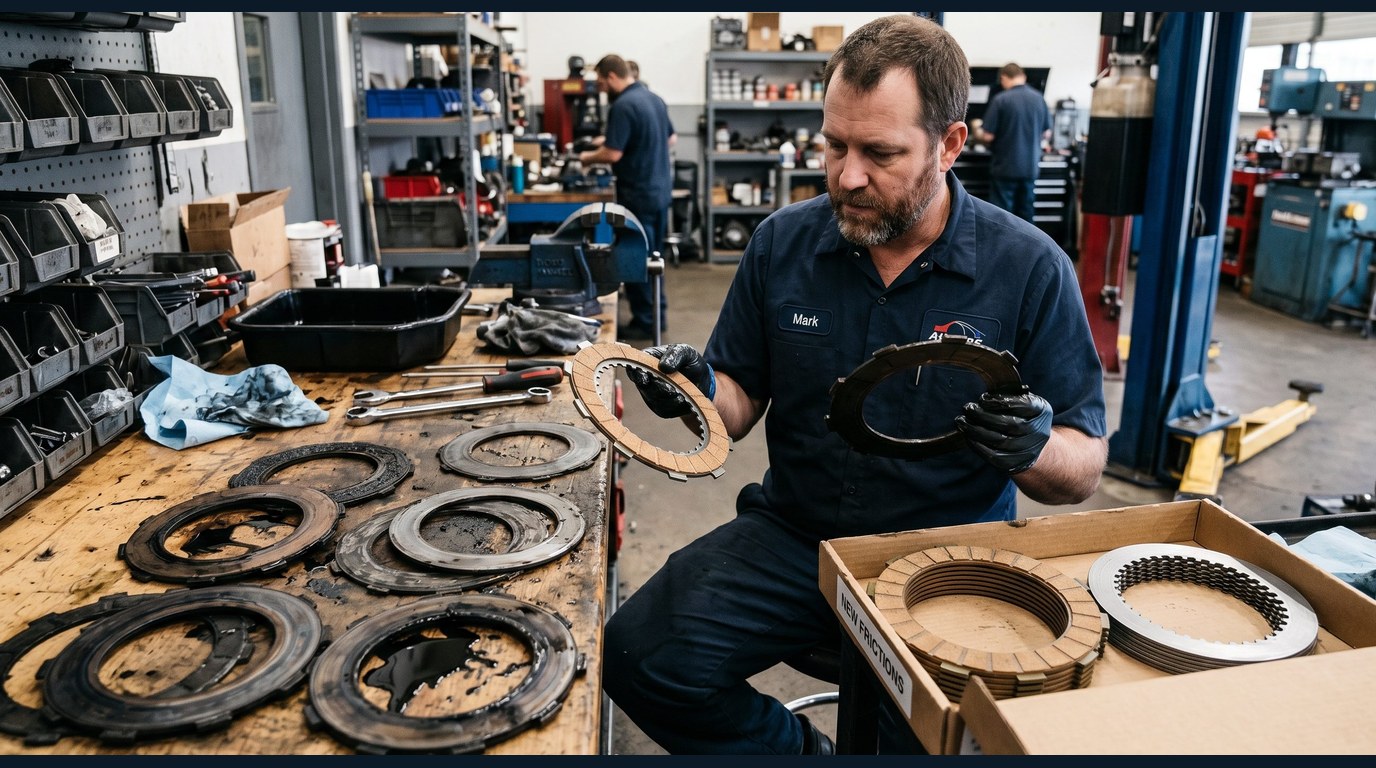
Torque converter replacement should be proven with road-test behavior, scan data, lockup command, slip data, fluid condition, cooler clues, pump evidence, and internal-wear signs before the transmission is removed.
A shudder at cruise, flare, stall-speed concern, metal in the pan, overheating, delayed engagement, or converter-clutch code can point to the converter, but it can also involve valve-body control, fluid, cooler, or internal wear.
The estimate should explain whether converter-only work is reasonable or whether valve-body, pump, cooler, rebuild, used, remanufactured, or replacement work protects the repair.
Get Free DiagnosticThese clues need evidence before parts are ordered. Codes, fluid condition, road-test timing, and related-system checks keep the estimate honest.
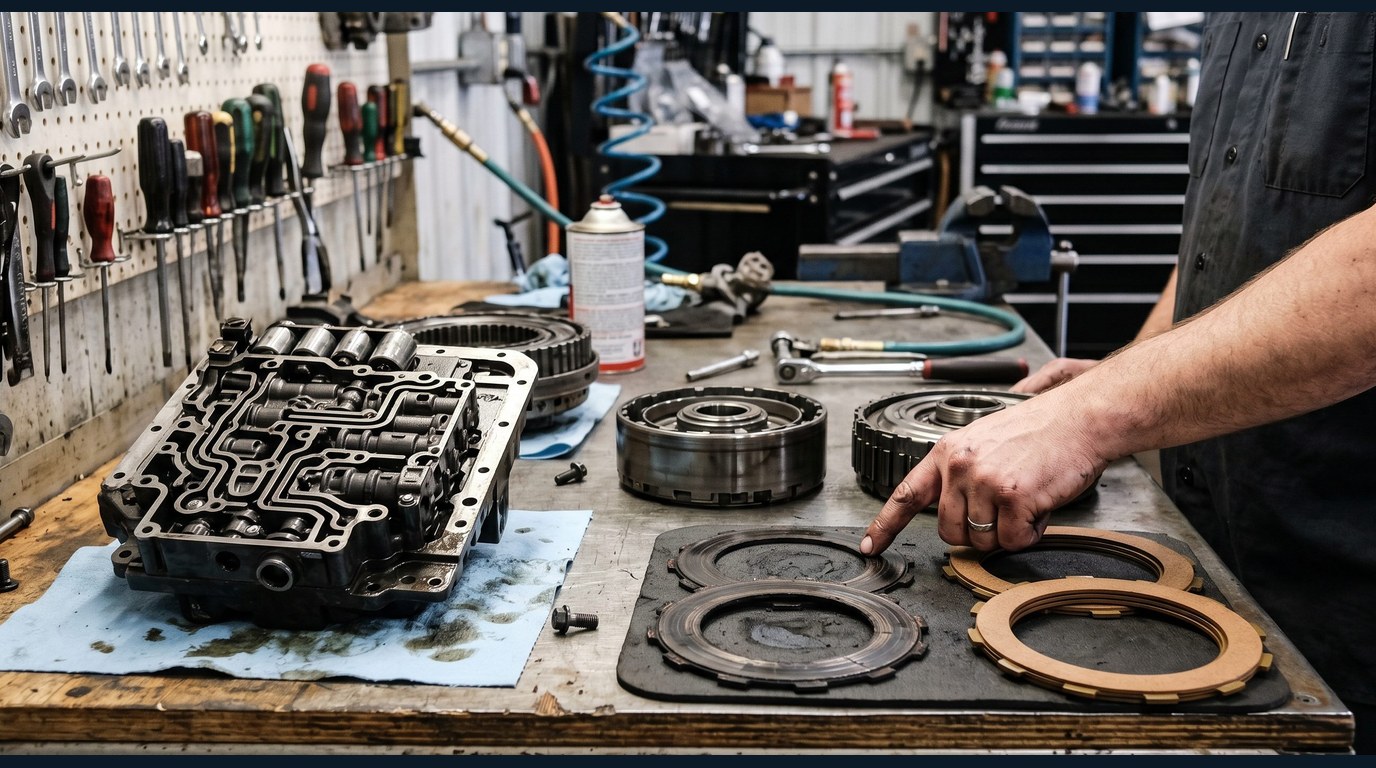
If the evidence points to a related system instead of the transmission itself, we explain that before recommending transmission work.
A useful estimate should explain what failed, what can wait, what protects the vehicle, and how the repair path compares with replacement.
We document when the symptom appears, whether it changes warm versus cold, and whether the complaint sounds like hydraulic, electrical, clutch, converter, fluid, mount, or internal wear.
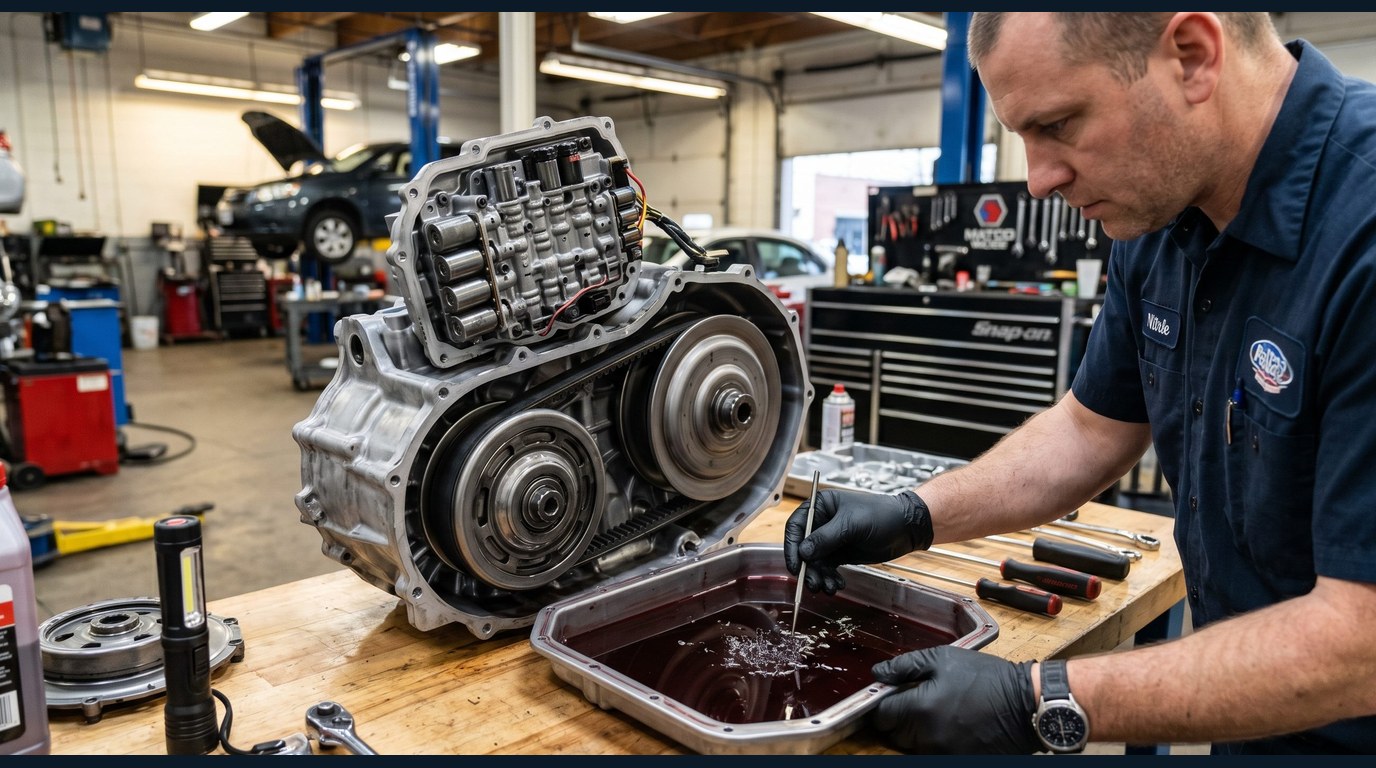
Scan data, fluid evidence, leak checks, road-test notes, service history, and parts availability keep the recommendation grounded.
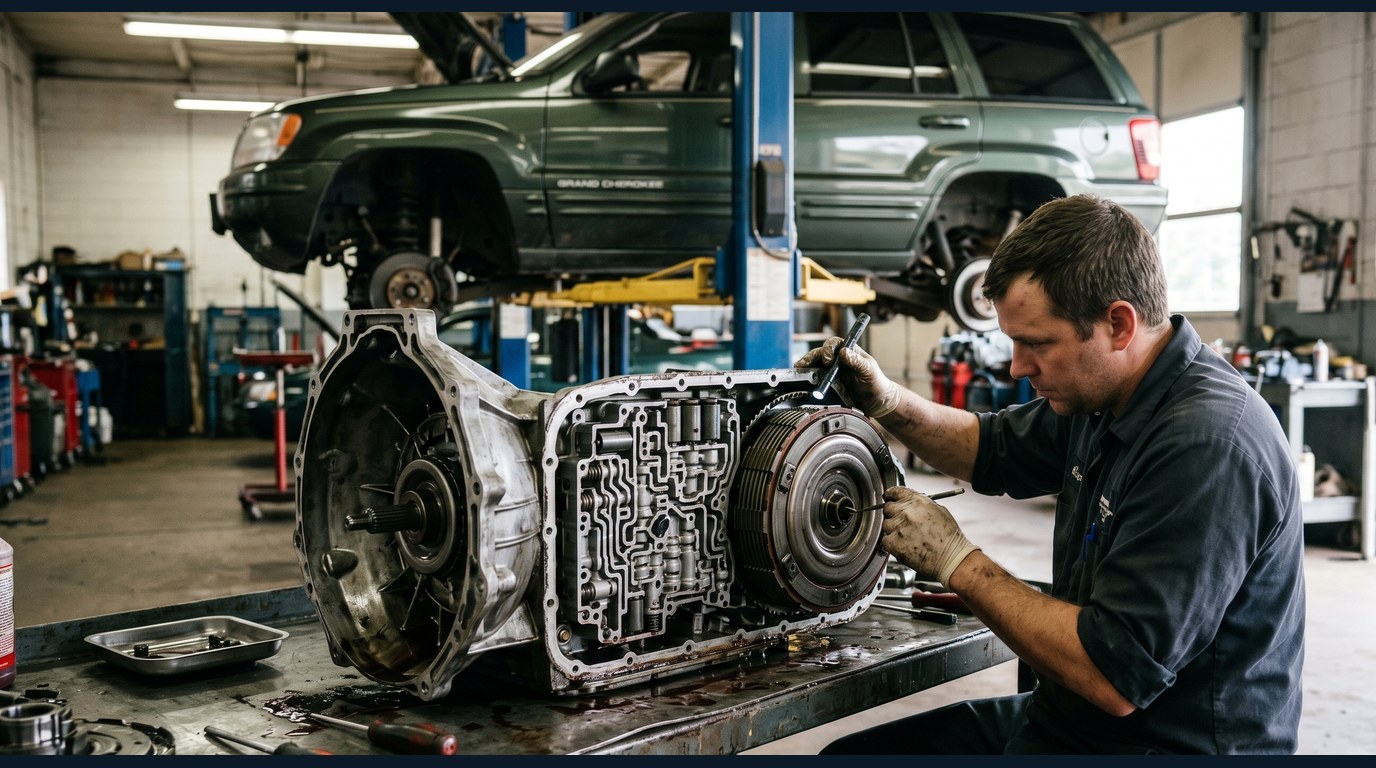
The written estimate separates service, targeted repair, rebuild, used unit, remanufactured unit, and replacement options before money is spent.
Torque converter pricing depends on access, converter quality, fluid/cooler needs, programming, and whether testing proves deeper internal damage.
Call or text 847-393-0191 with the year, make, model, mileage, codes, warning text, leak history, and symptoms.