FREE
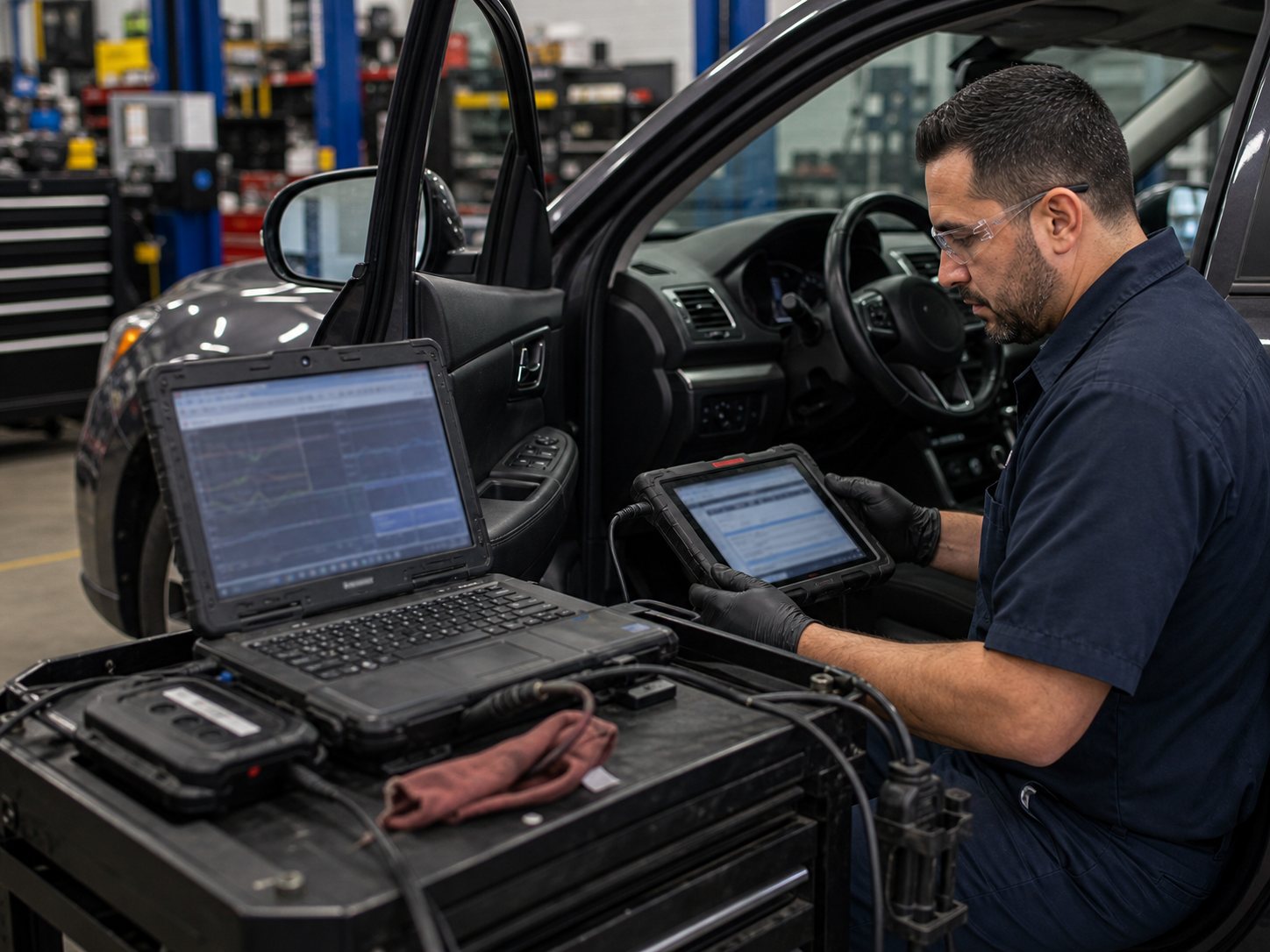
Computer Scan
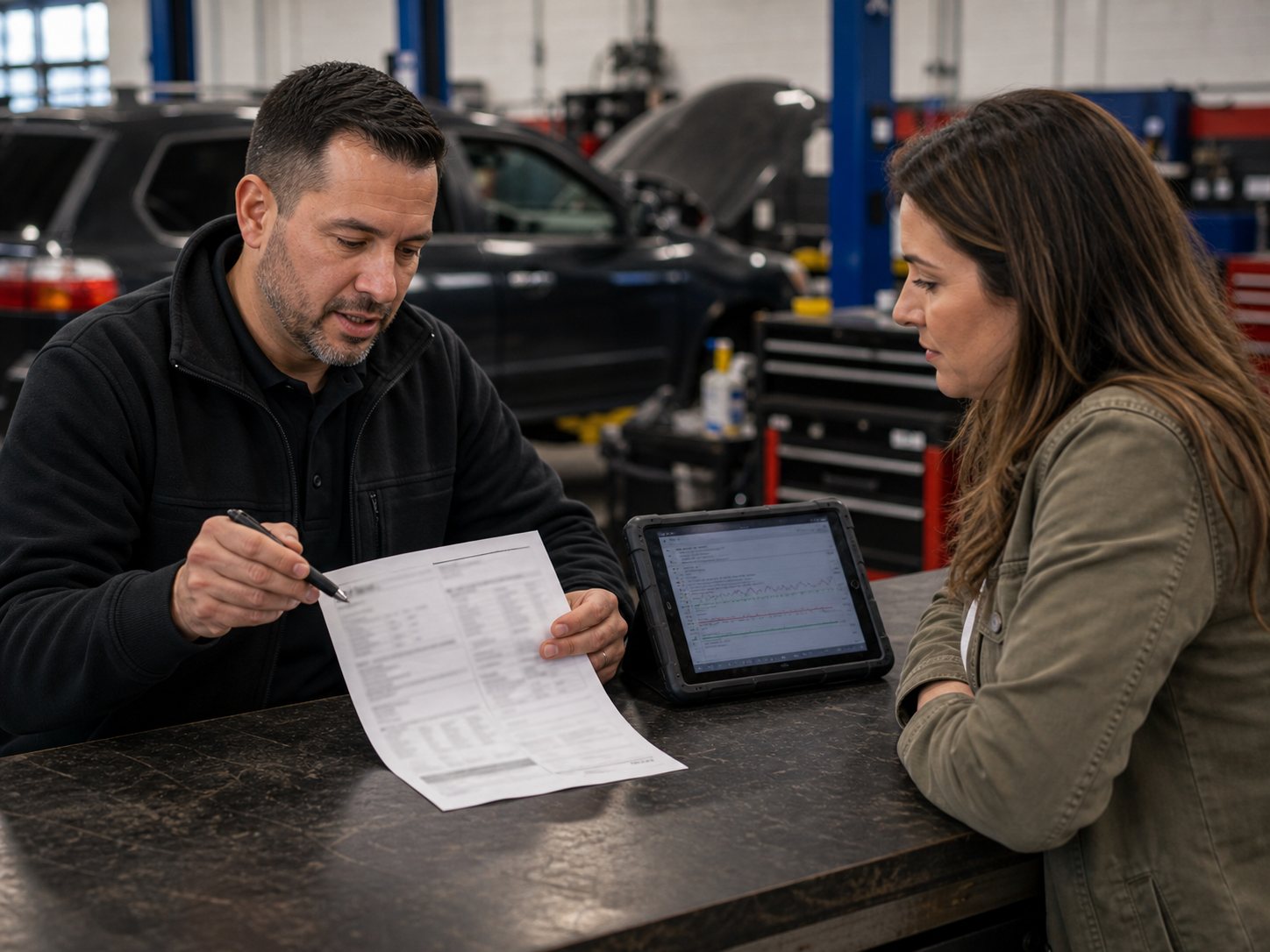
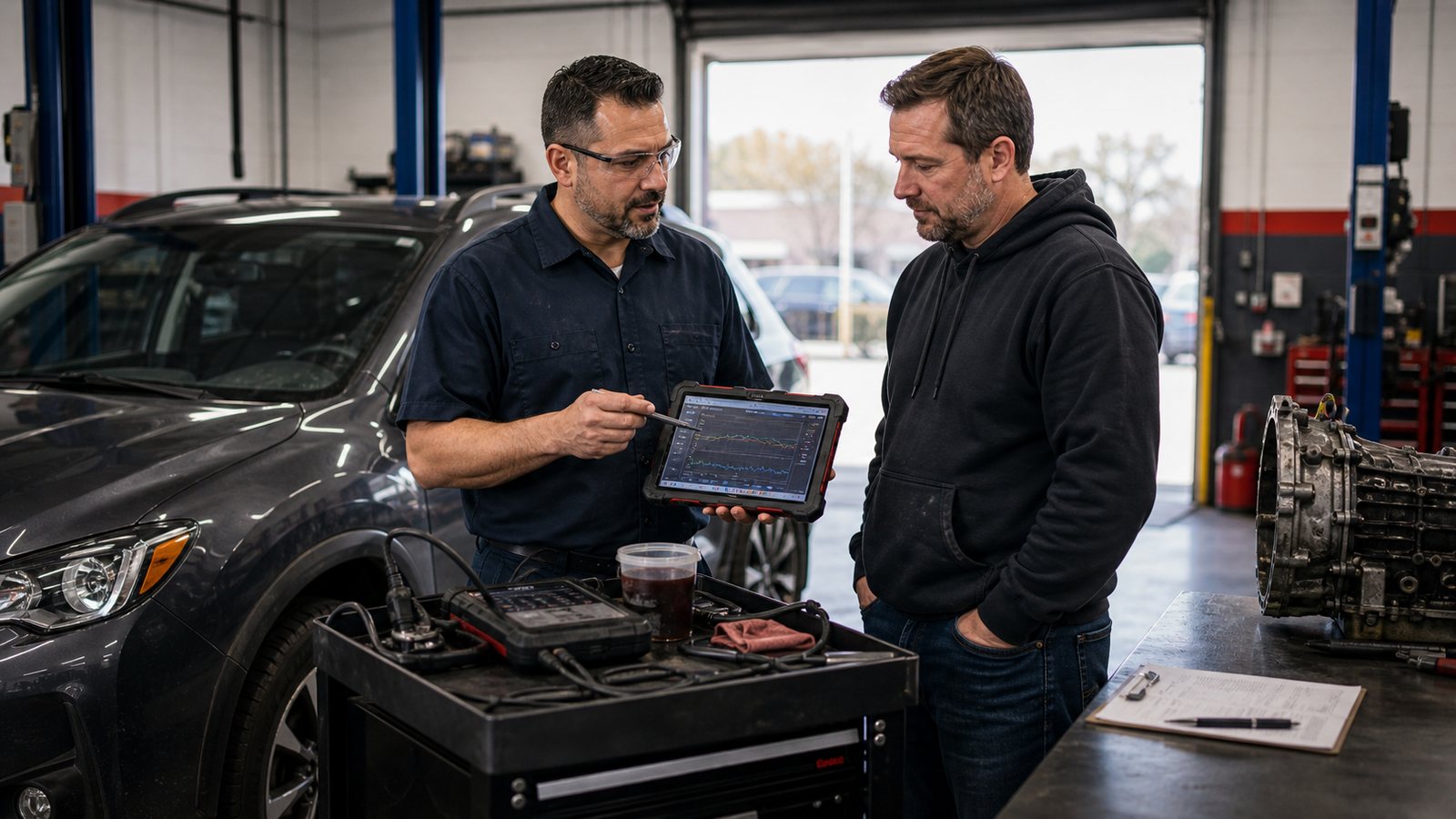
We check transmission, engine, ABS, and drivetrain data where it affects shift behavior.
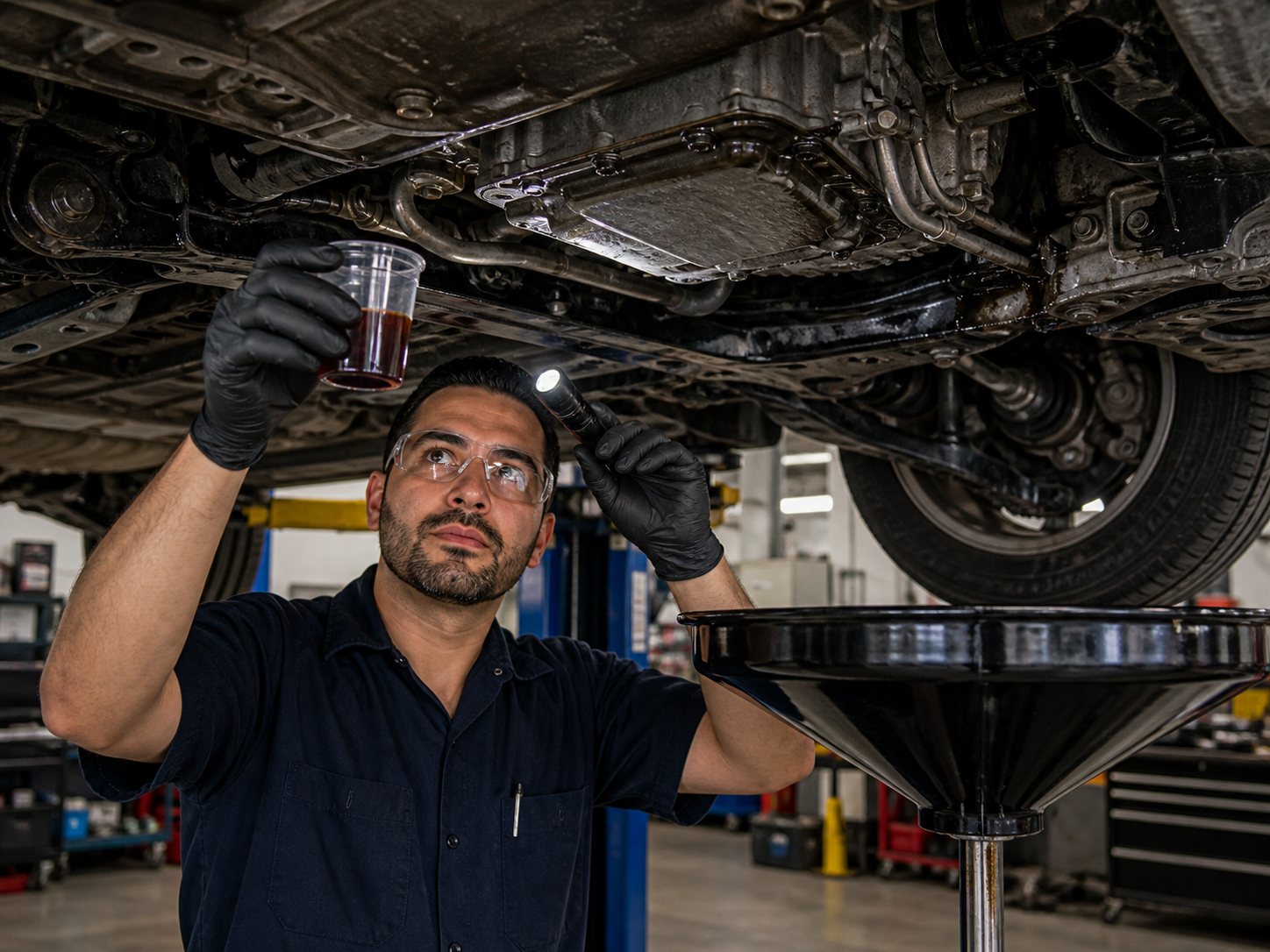
Claim OfferStart with a no-charge scan, fluid check, and plain-English review before you decide whether the vehicle needs service, repair, towing, or a second opinion.
Available for Arlington Heights and nearby northwest-suburban drivers who need a clear first look.
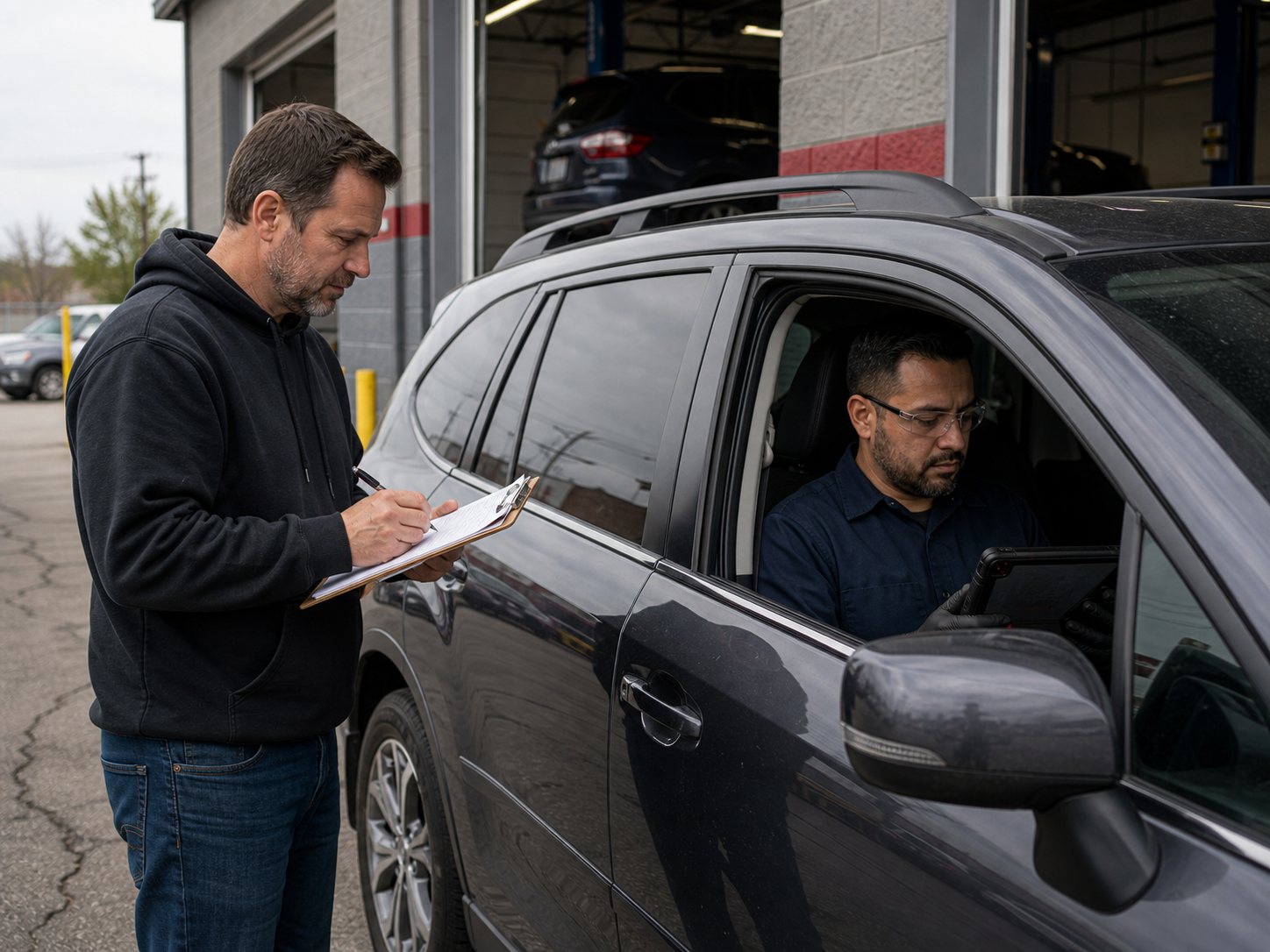
Send the year, make, model, mileage, and what the transmission is doing. We will tell you what the free diagnostic covers and whether driving it in from Arlington Heights or a nearby suburb makes sense.
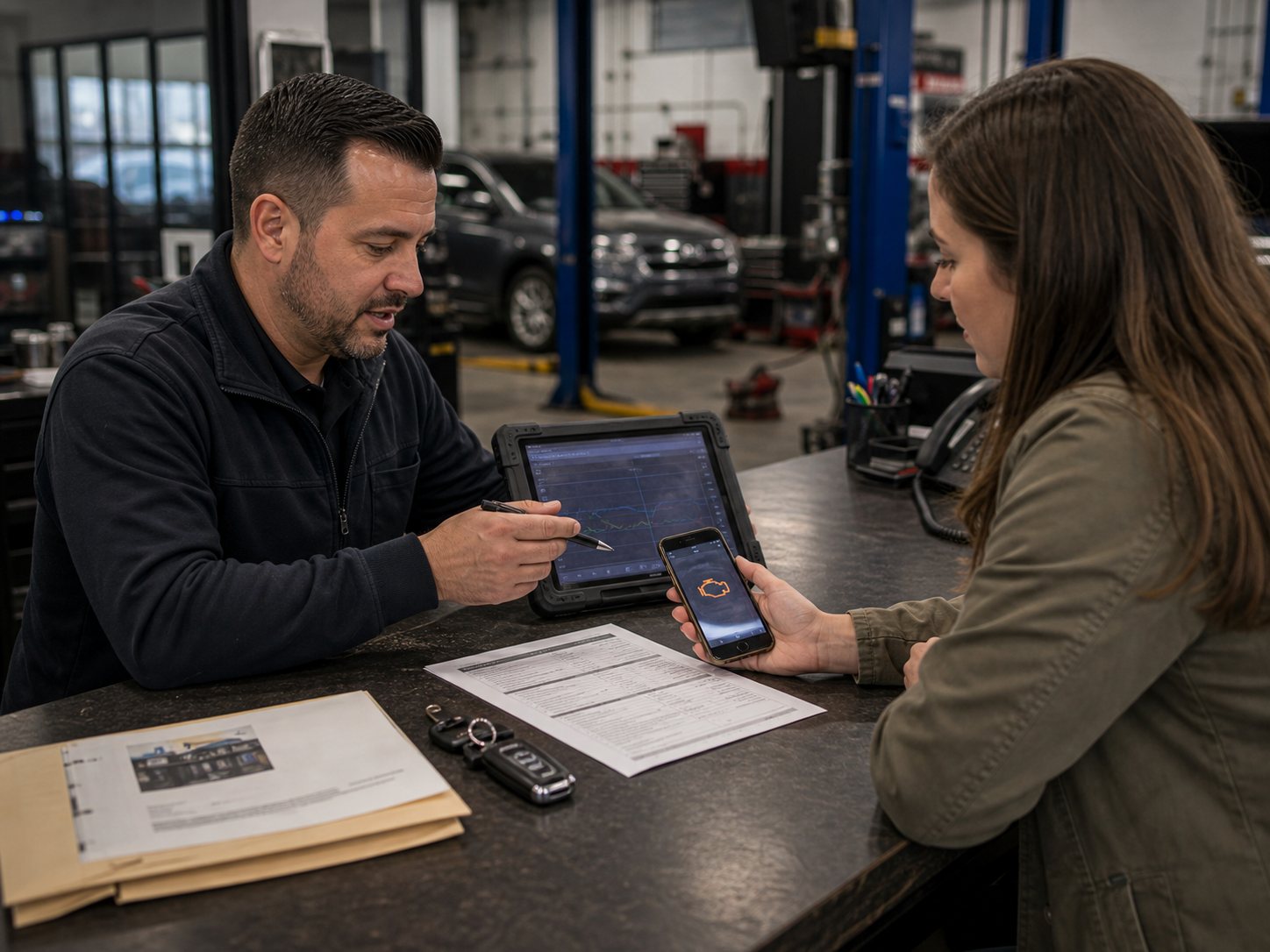
Bring a photo of any dashboard warning light, a scan report if another shop gave you one, and the mileage. If you have a written quote already, bring that too so we can explain what it includes and what it leaves out.
Tell us when the symptom shows up: first thing in the morning, after the Route 53 commute, backing out of a driveway, or sitting in stop-and-go traffic. Those details matter more than a generic symptom label.
Text to ClaimNo charge for the first look, no pressure after the estimate, and no teardown without approval.
We check transmission, engine, ABS, and drivetrain data where it affects shift behavior.
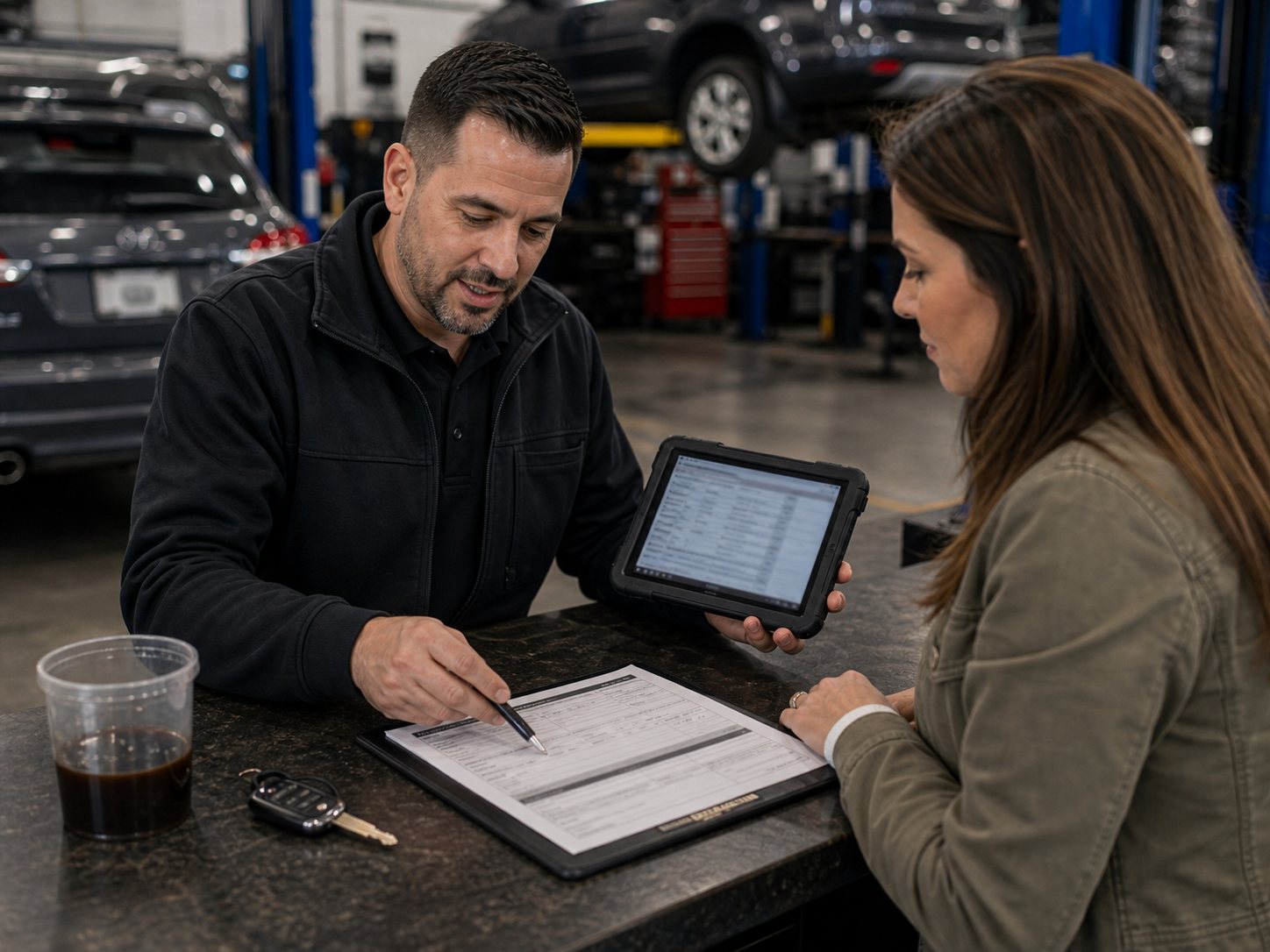
Claim OfferThe estimate explains the suspected failure, the repair path, and what is optional versus urgent.
Claim OfferText the basics and we will reply with the fastest appointment window available.
Text to Claim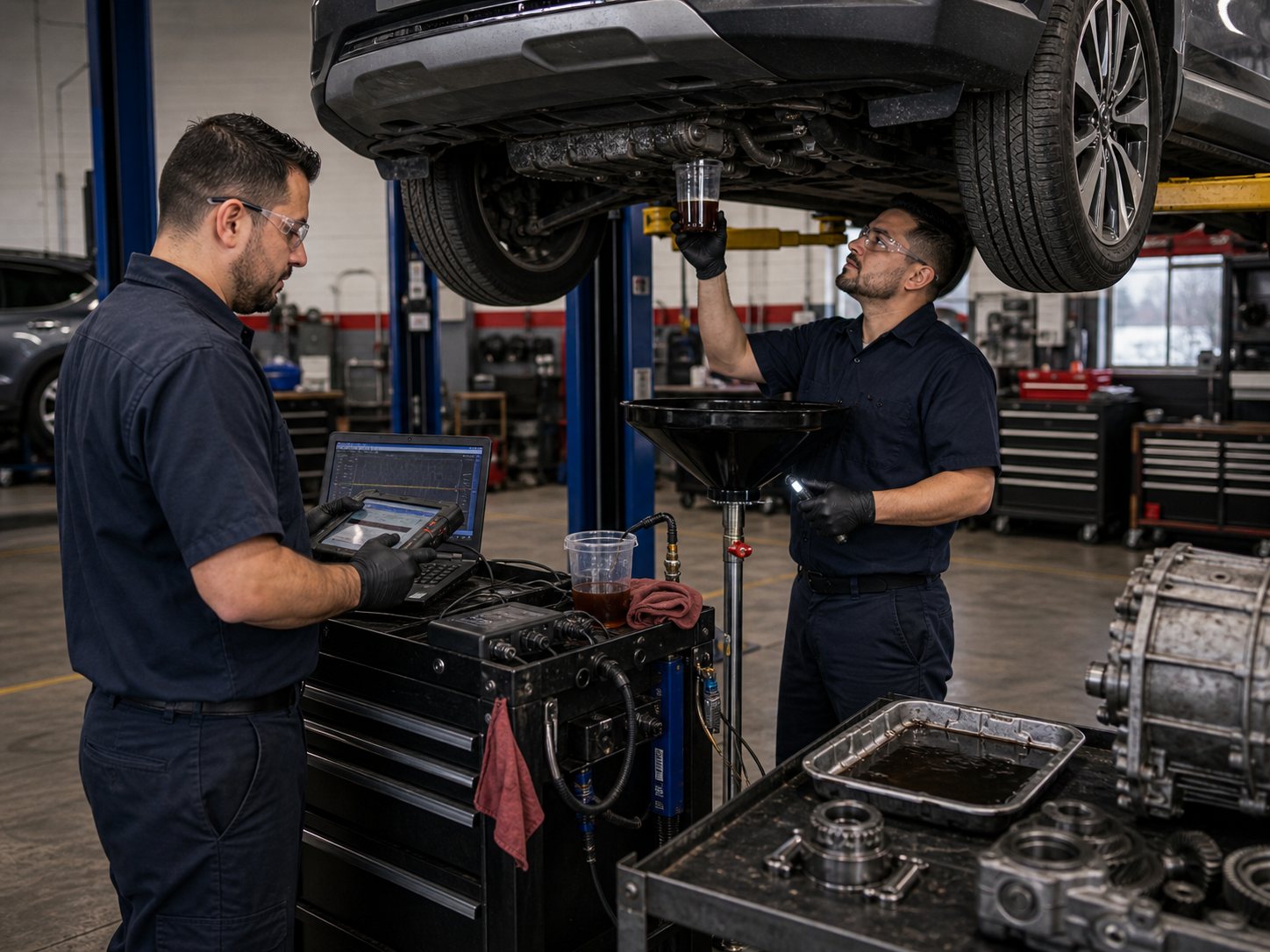
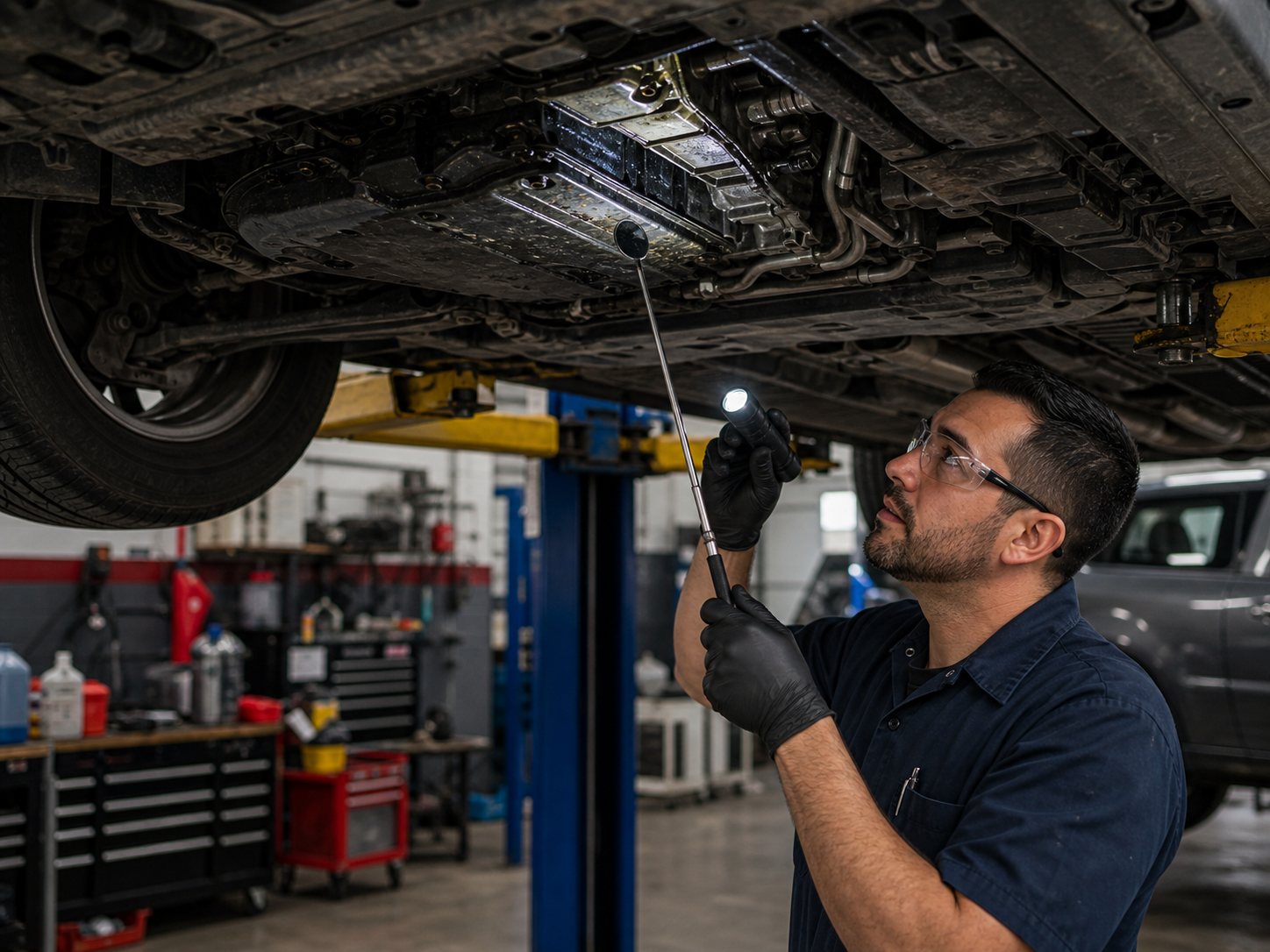
If the diagnostic points to a bigger repair, you still control the decision. We explain the finding first, then price the next step.
A slipping transmission, a bad solenoid, low fluid pressure, and an overheated unit can feel similar from the driver's seat. The free diagnostic gives the repair conversation a factual starting point.
Call or text first if the vehicle is barely moving, smells burnt, or is leaking heavily. We would rather help you choose a tow than watch a repair get more expensive on the way in.
Text the vehicle, mileage, and symptom. We will help you decide whether to drive it in, tow it, or bring an existing estimate for review.