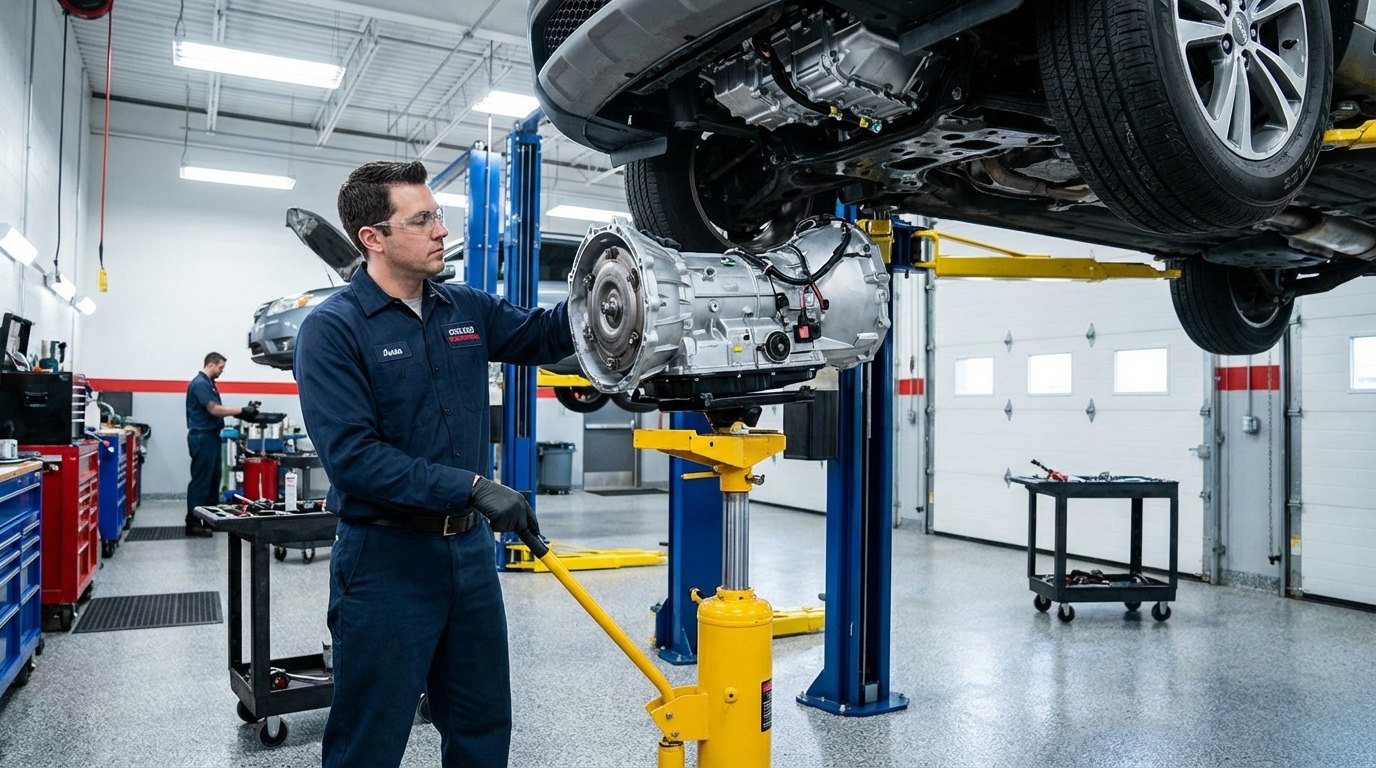
Symptoms
We document when the symptom appears, whether it changes warm versus cold, and whether the complaint sounds like ZF, DCT, manual clutch, xDrive, converter, mount, or internal wear.
BMW transmission work should start with the exact gearbox, xDrive status, fault data, fluid evidence, mounts, and road-test behavior. A driveline warning can come from several systems.
Send the BMW model, year, mileage, engine, xDrive status, warning text, codes, service records, leak history, and when the symptom appears.
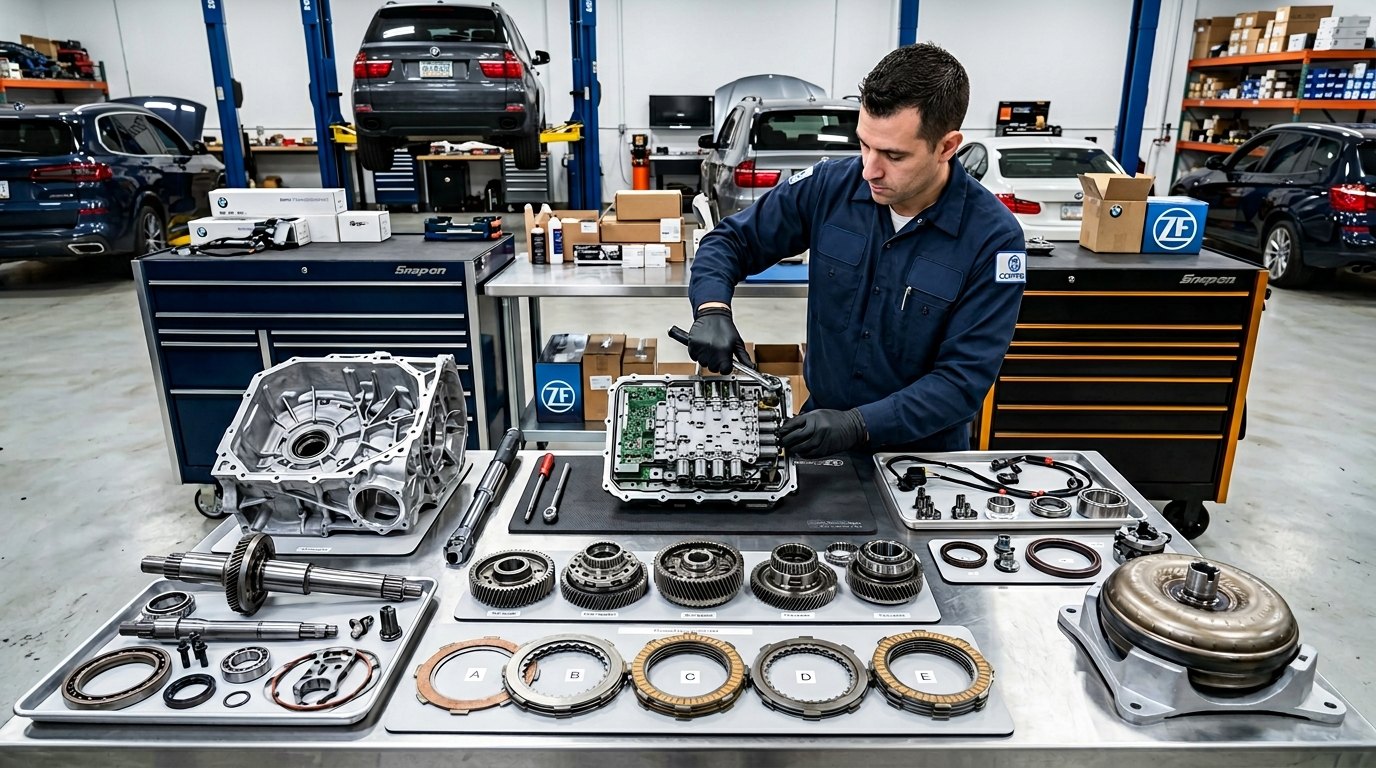
BMW transmission complaints need the exact chassis, transmission family, xDrive status, fluid history, scan data, adaptation values, leak evidence, and road-test behavior checked before repair pricing makes sense.
A delayed engagement, harsh 2-3 shift, converter shudder, limp mode, drivetrain warning, sleeve leak, DCT judder, manual clutch complaint, or xDrive vibration can point to very different repair paths.
The inspection should prove whether the issue is fluid service, sealing, software/adaptation, mechatronic, valve body, converter, clutch, xDrive/driveline, internal wear, rebuild, or replacement work before an expensive repair is approved.
Get Free DiagnosticBMW symptoms need module scan data, fluid evidence, leak inspection, and road-test notes before parts are ordered. The exact transmission family changes the estimate.
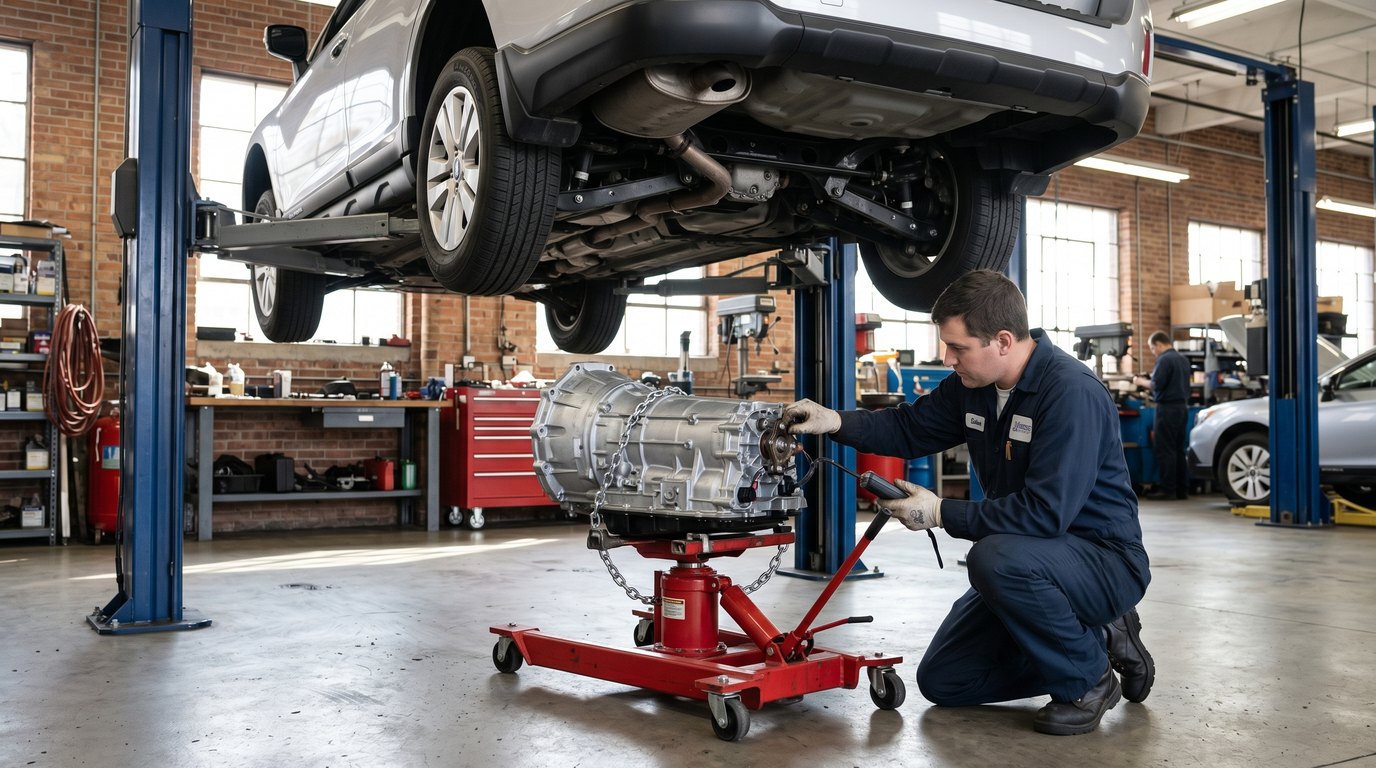
If the evidence points to a related drivetrain system instead of the transmission itself, we explain that before recommending transmission work.
A useful BMW estimate should identify the transmission family, likely failure category, what can wait, and how repair compares with replacement.
We document when the symptom appears, whether it changes warm versus cold, and whether the complaint sounds like ZF, DCT, manual clutch, xDrive, converter, mount, or internal wear.
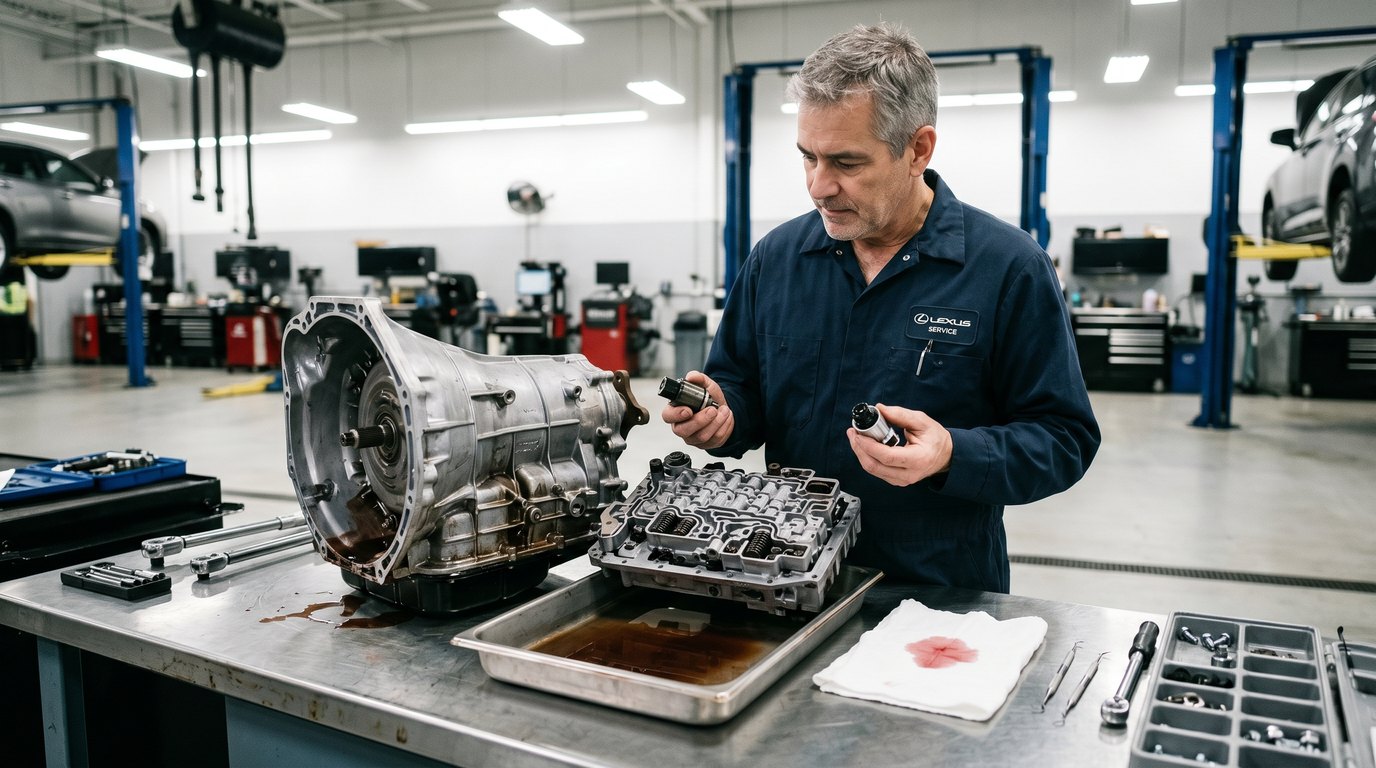
Scan data, adaptation clues, fluid evidence, leak checks, mount inspection, road-test notes, and BMW service history keep the recommendation grounded.
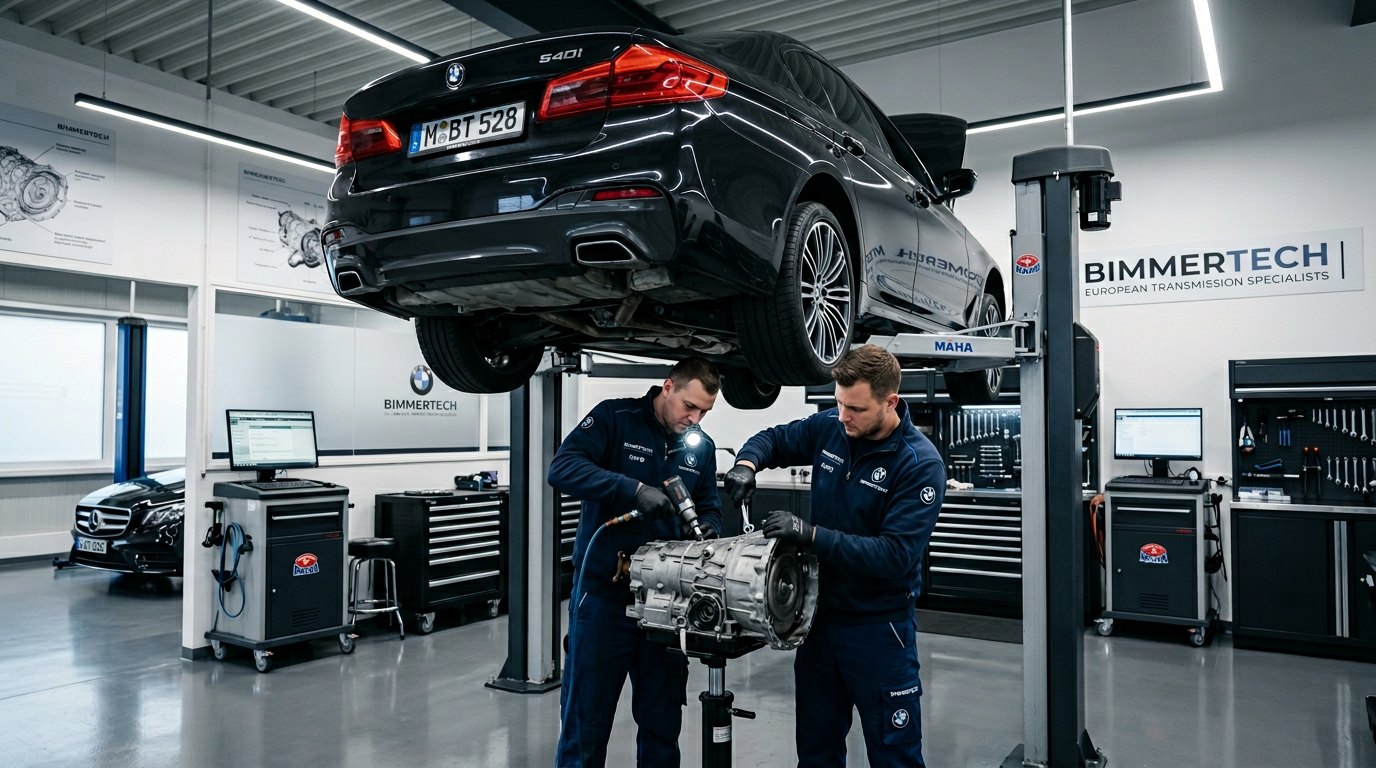
The written estimate separates fluid service, sleeve or pan sealing, adaptation, mechatronic, valve body, converter, clutch, rebuild, used unit, reman unit, and replacement options.
These are planning categories only. The final estimate depends on model year, transmission family, xDrive status, parts availability, programming needs, fluid evidence, and what testing finds.
Call or text 847-393-0191 with the BMW model, year, mileage, xDrive status, codes, warning text, leak history, and symptoms.