Symptoms
Tell us whether the problem happens cold, hot, in reverse, on the highway, during light throttle, or after sitting at a stoplight.
Transmission repair starts with the complaint you can actually feel: a flare between gears, a hard bump into drive, a delay in reverse, a leak on the driveway, or a warning light that came back after clearing codes. We use those details to narrow the problem before anyone talks about replacing major parts.
Drivers around Palatine, Schaumburg, Hoffman Estates, Rolling Meadows, Mount Prospect, Wheeling, and Buffalo Grove deal with the same mix of cold starts, Route 53 traffic, I-90 heat, and winter salt. That driving pattern matters when we decide whether the issue is electrical, hydraulic, external, or internal.
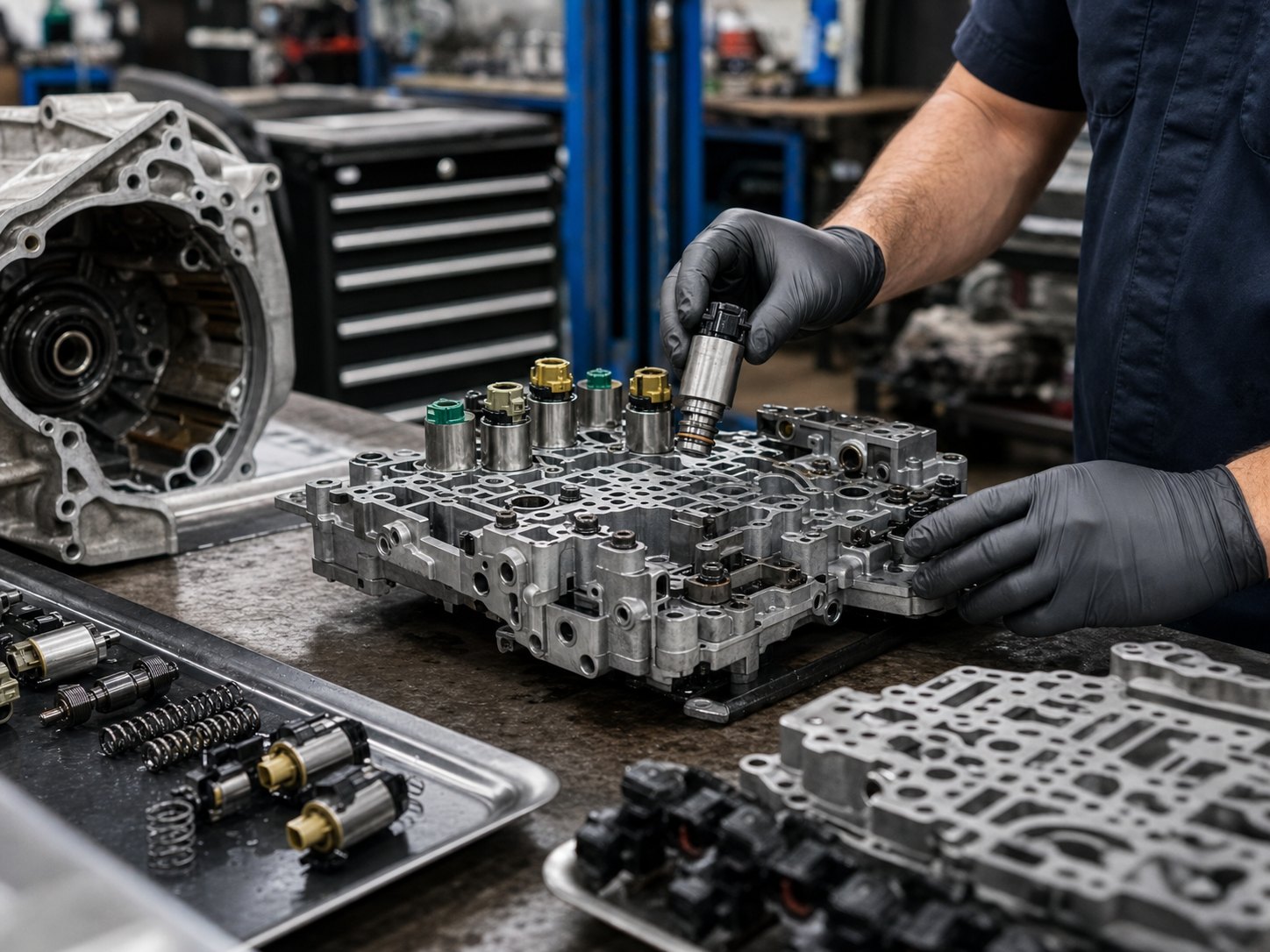
Not every transmission complaint means the unit has to come out. A bad solenoid, leaking cooler line, worn mount, valve body issue, sensor fault, or contaminated fluid can all feel serious from the driver's seat while still being repairable without a full rebuild.
Call before driving farther if the vehicle slips under throttle, hesitates going into gear, bangs into reverse, smells burnt, leaves fluid, or overheats in traffic. A short tow can cost less than turning a repairable fault into clutch and drum damage.
For Arlington Heights commuters, timing matters. A symptom that only appears after an I-90 run or during stop-and-go traffic near Route 53 gives us a different clue than a cold-start delay in the driveway.
Get Free Diagnostic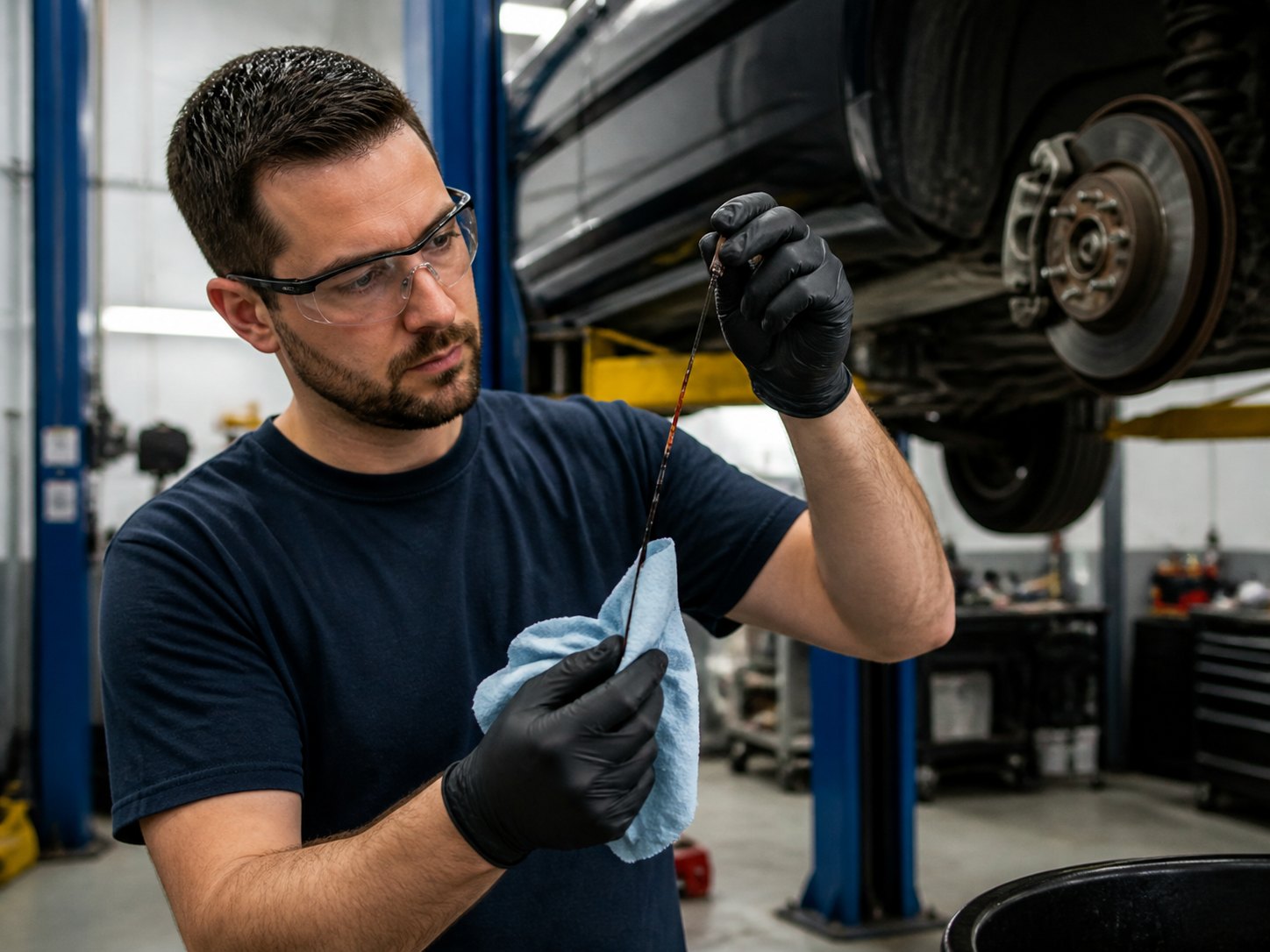
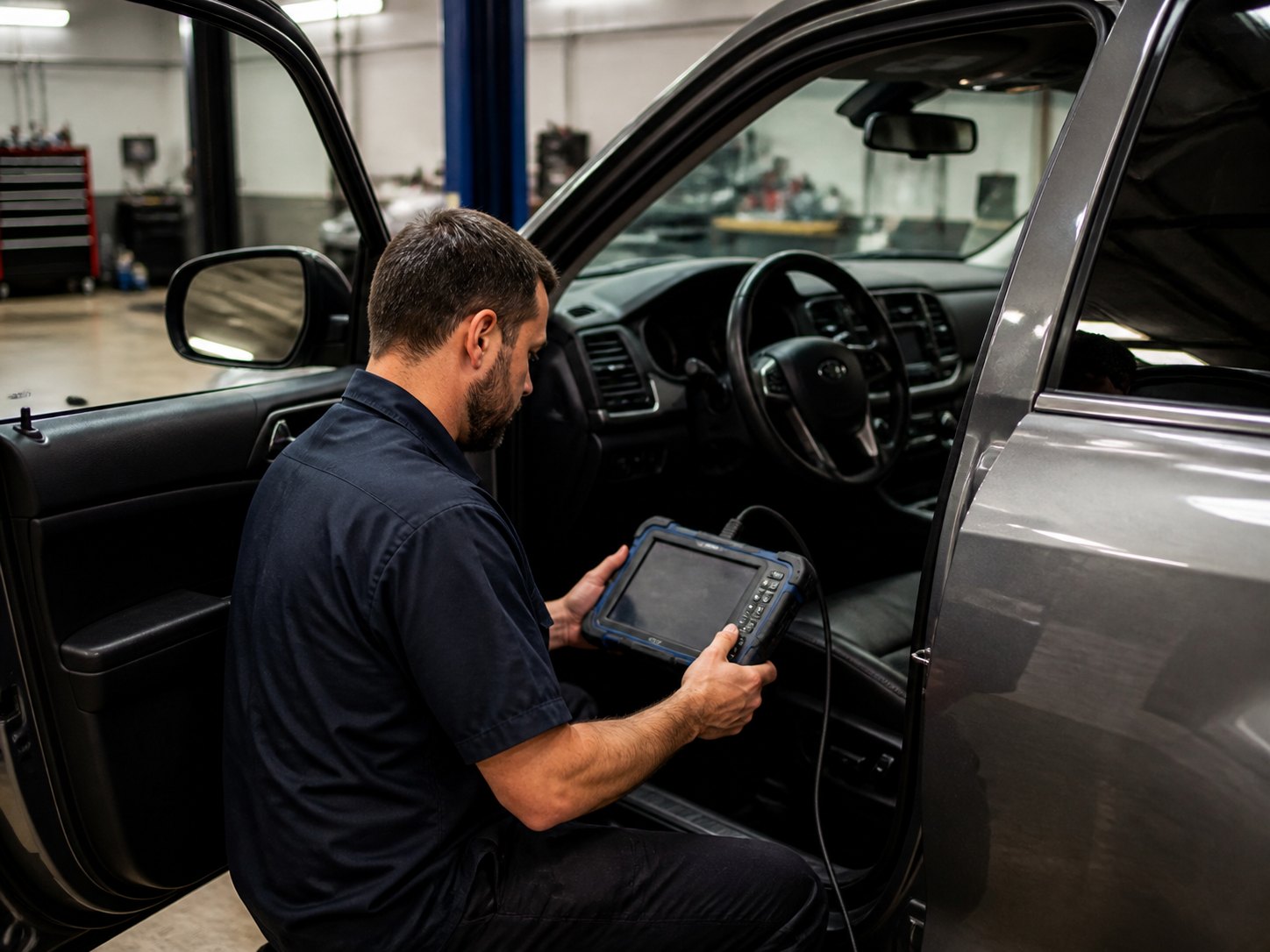
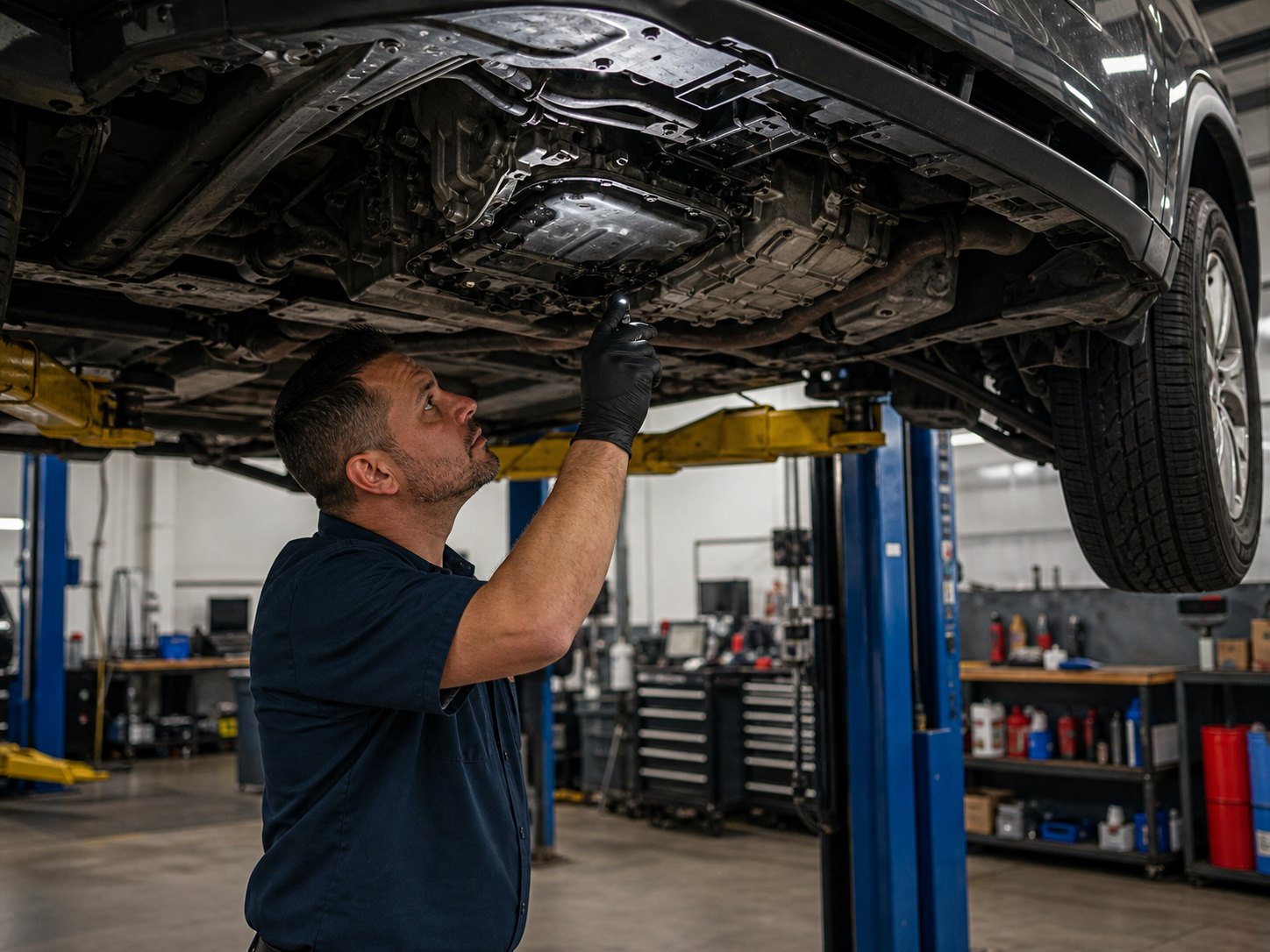
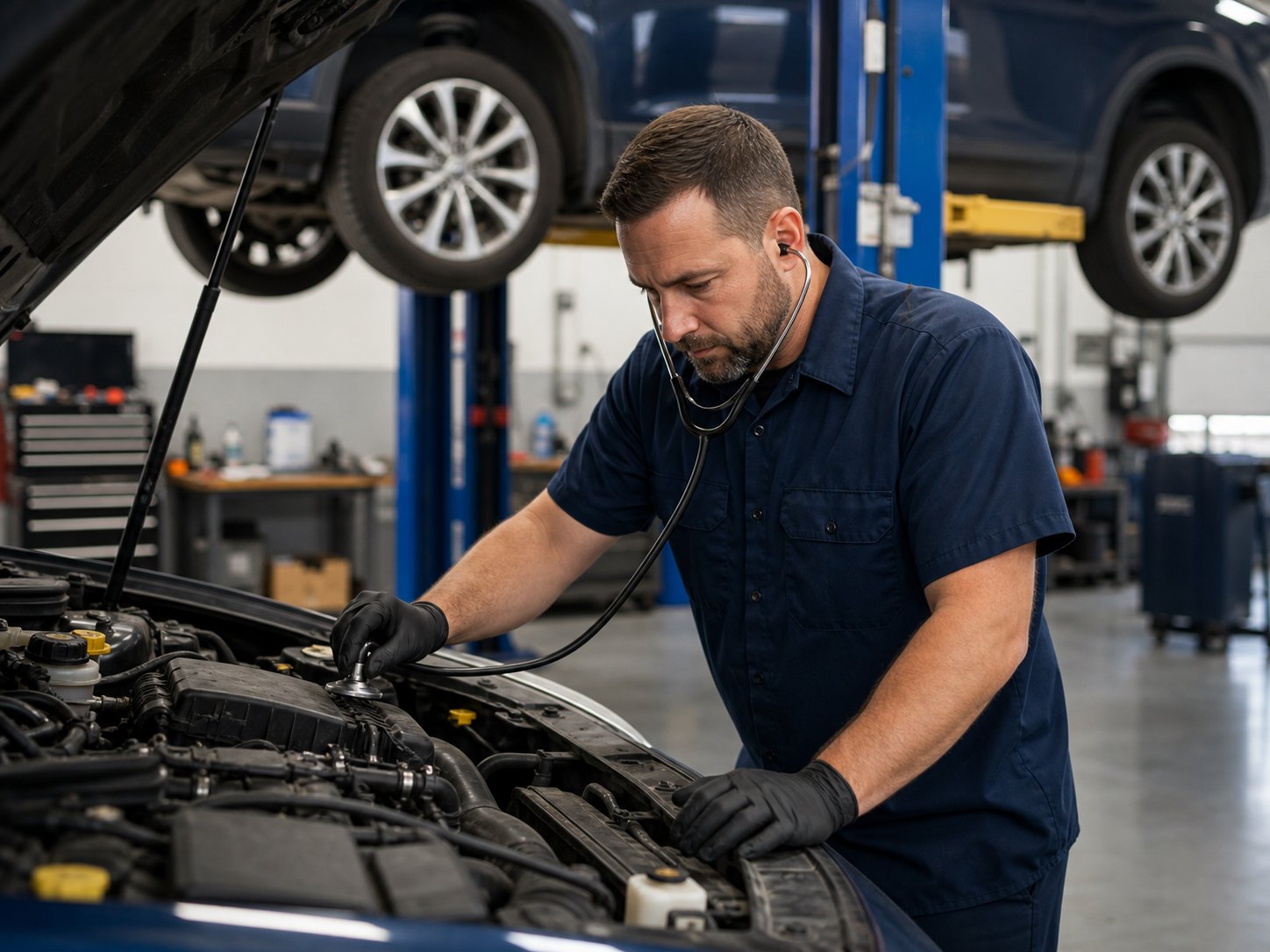
We start with mileage, service history, fluid level, fluid color, stored codes, visible leak points, wiring condition, mounts, cooler lines, and a road test when the vehicle can be driven safely.
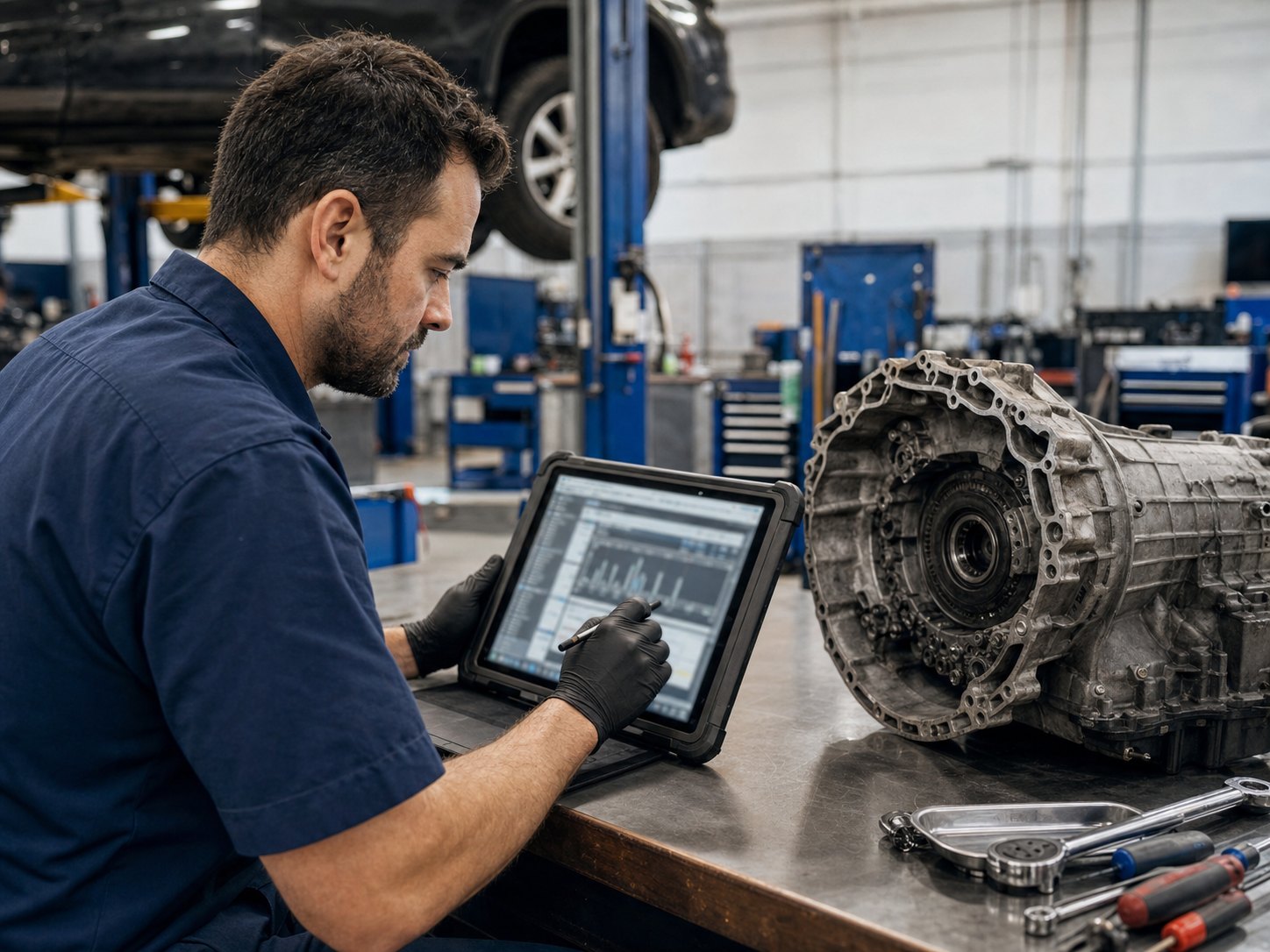
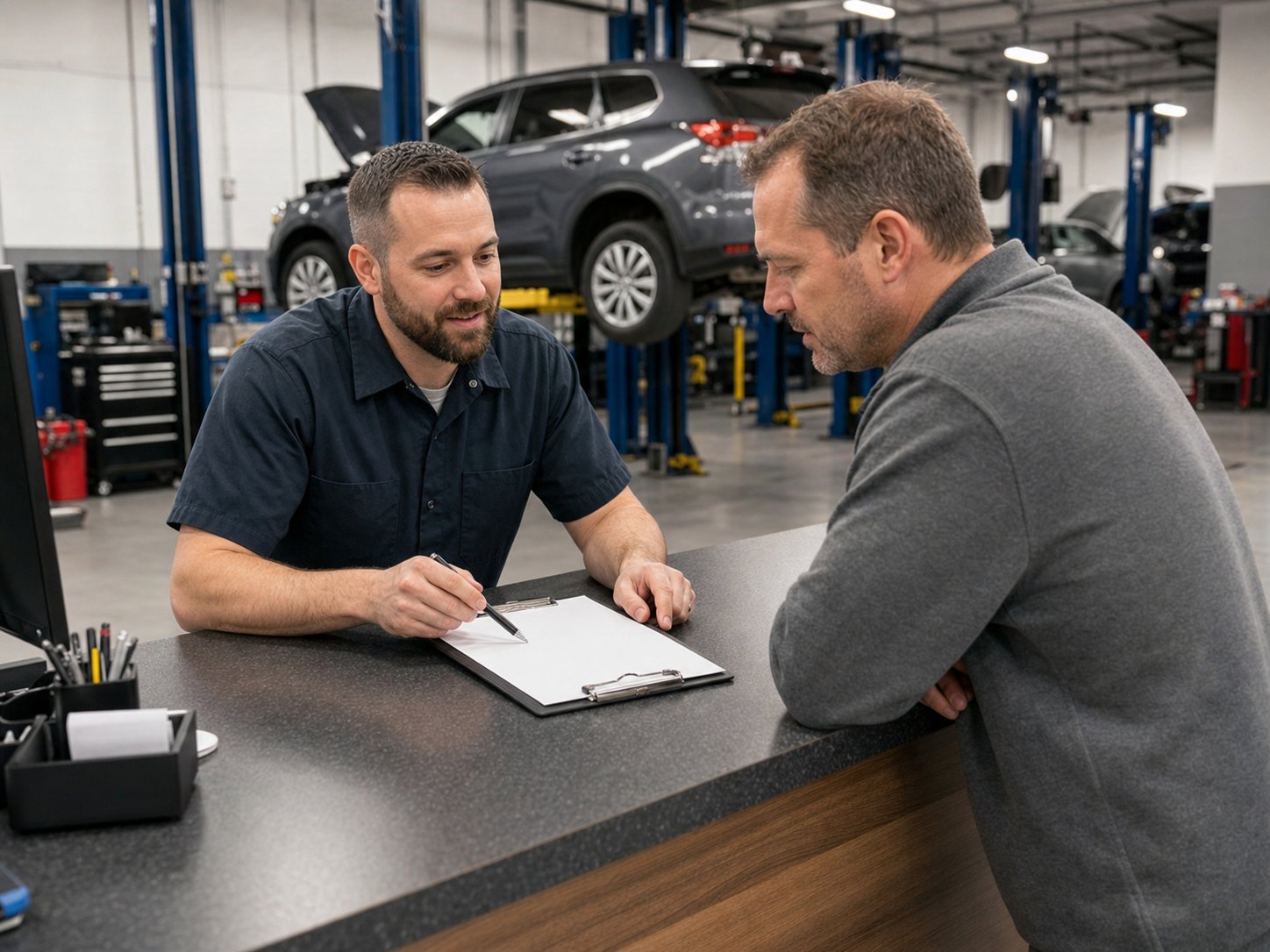
The point of the estimate is clarity. You should know what failed, what it costs, what is optional, what should not wait, and what happens if you keep driving.
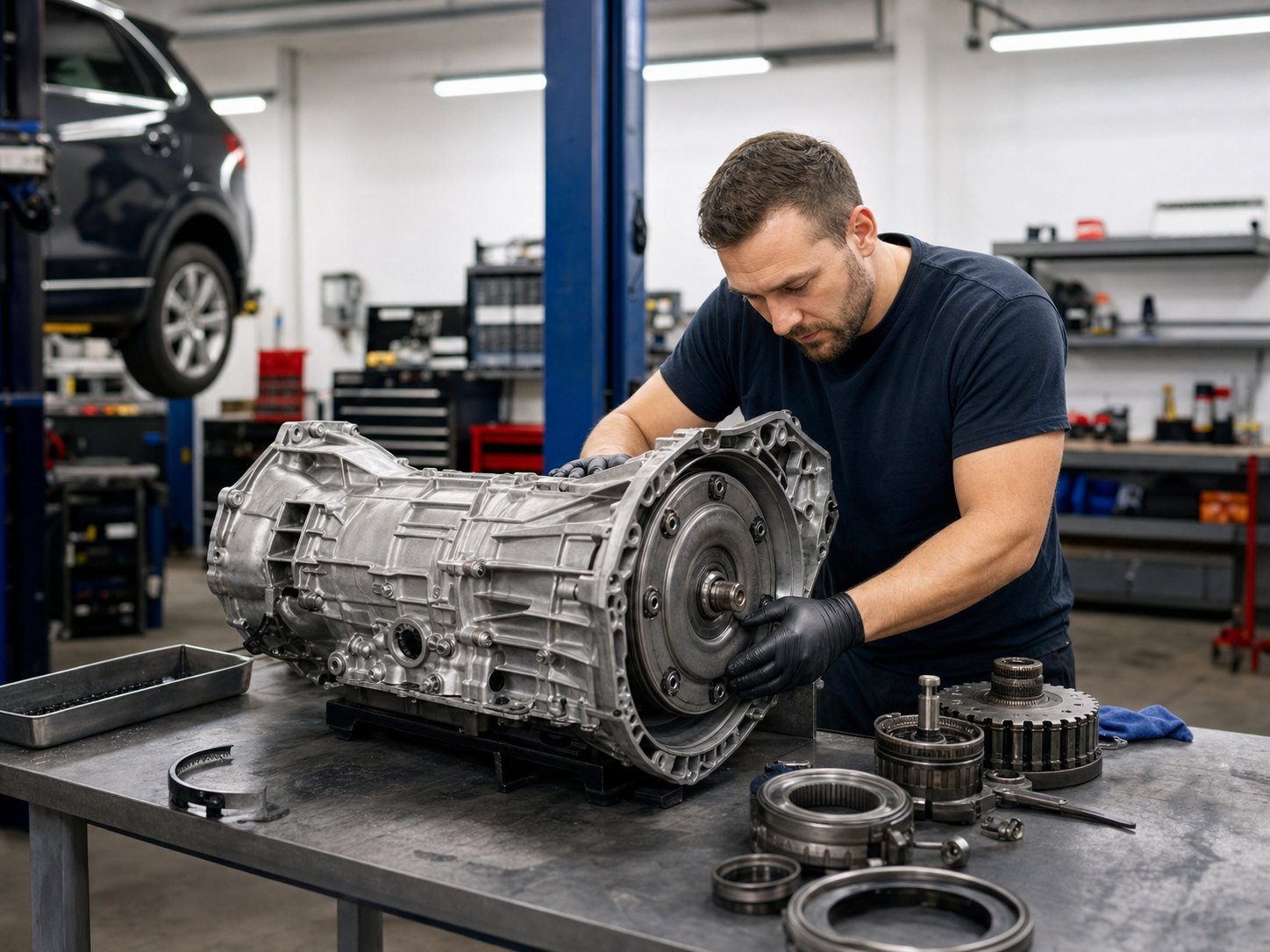
Repair cost depends on where the failure is located. External leaks, wiring, mounts, solenoids, cooler lines, and valve body problems price differently than internal clutch or converter damage, so a phone quote without inspection is usually misleading.
Tell us whether the problem happens cold, hot, in reverse, on the highway, during light throttle, or after sitting at a stoplight.
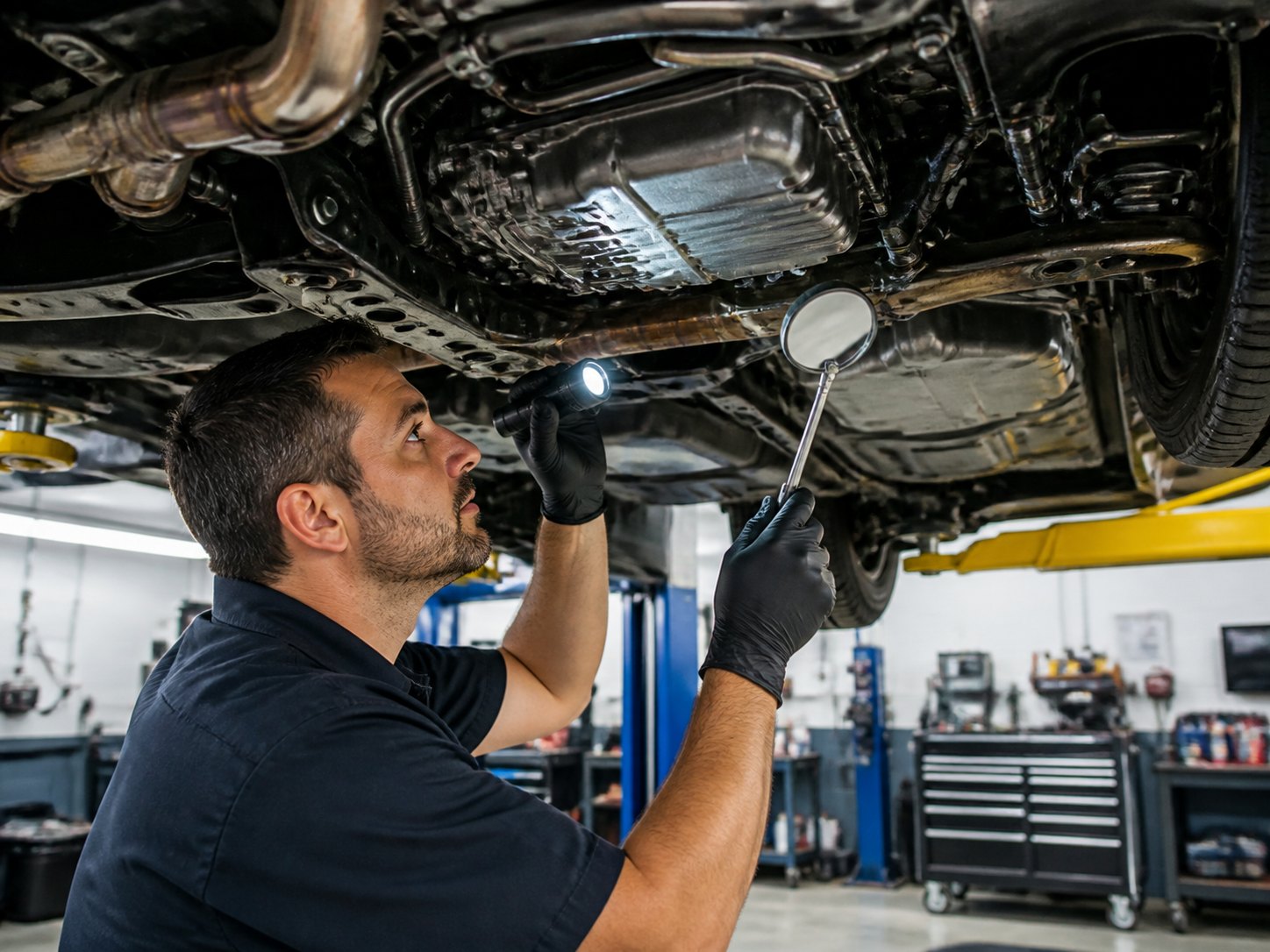
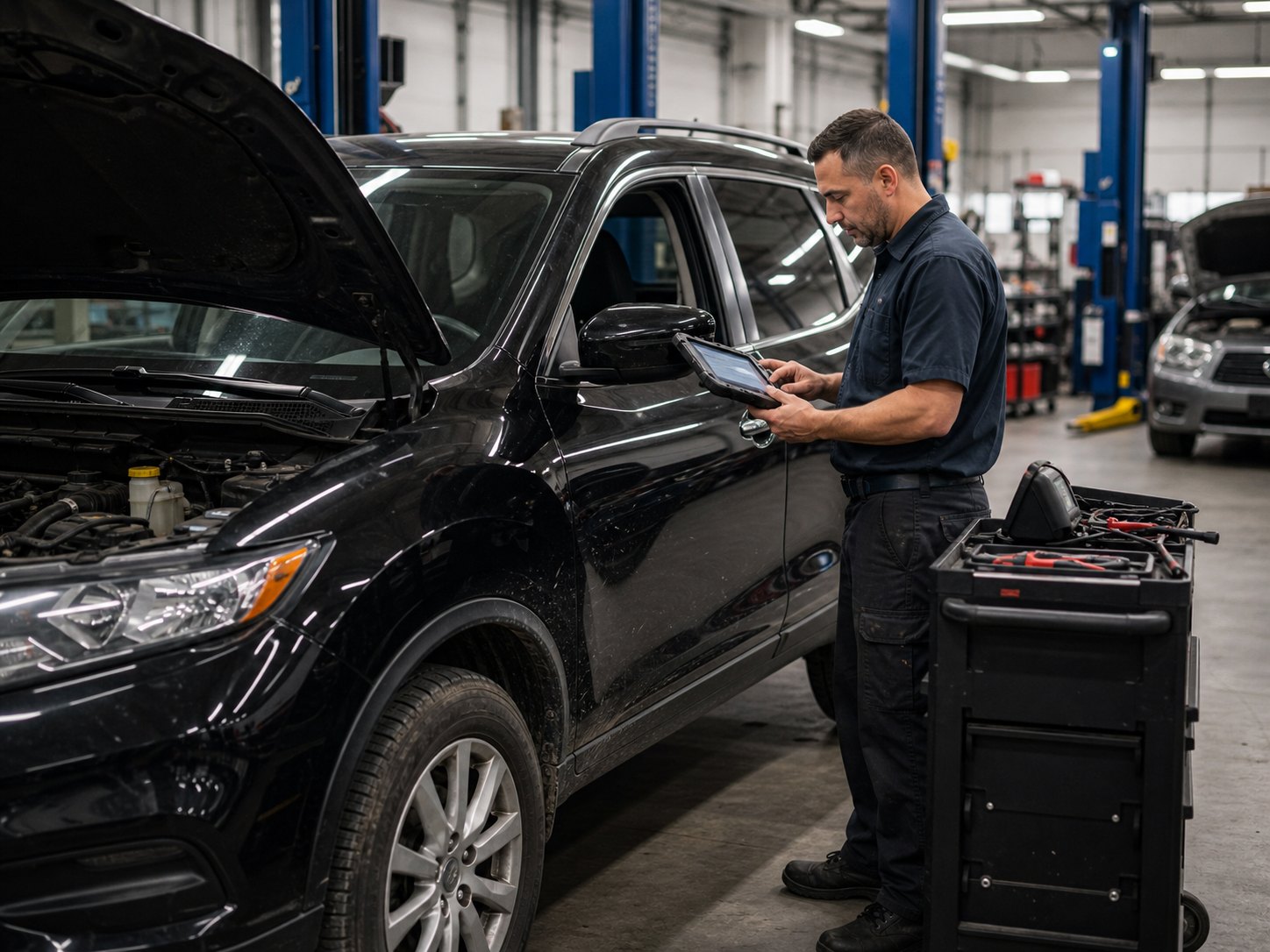
We verify the complaint with scan data, fluid checks, leak inspection, and a safe road test before pricing the repair path.
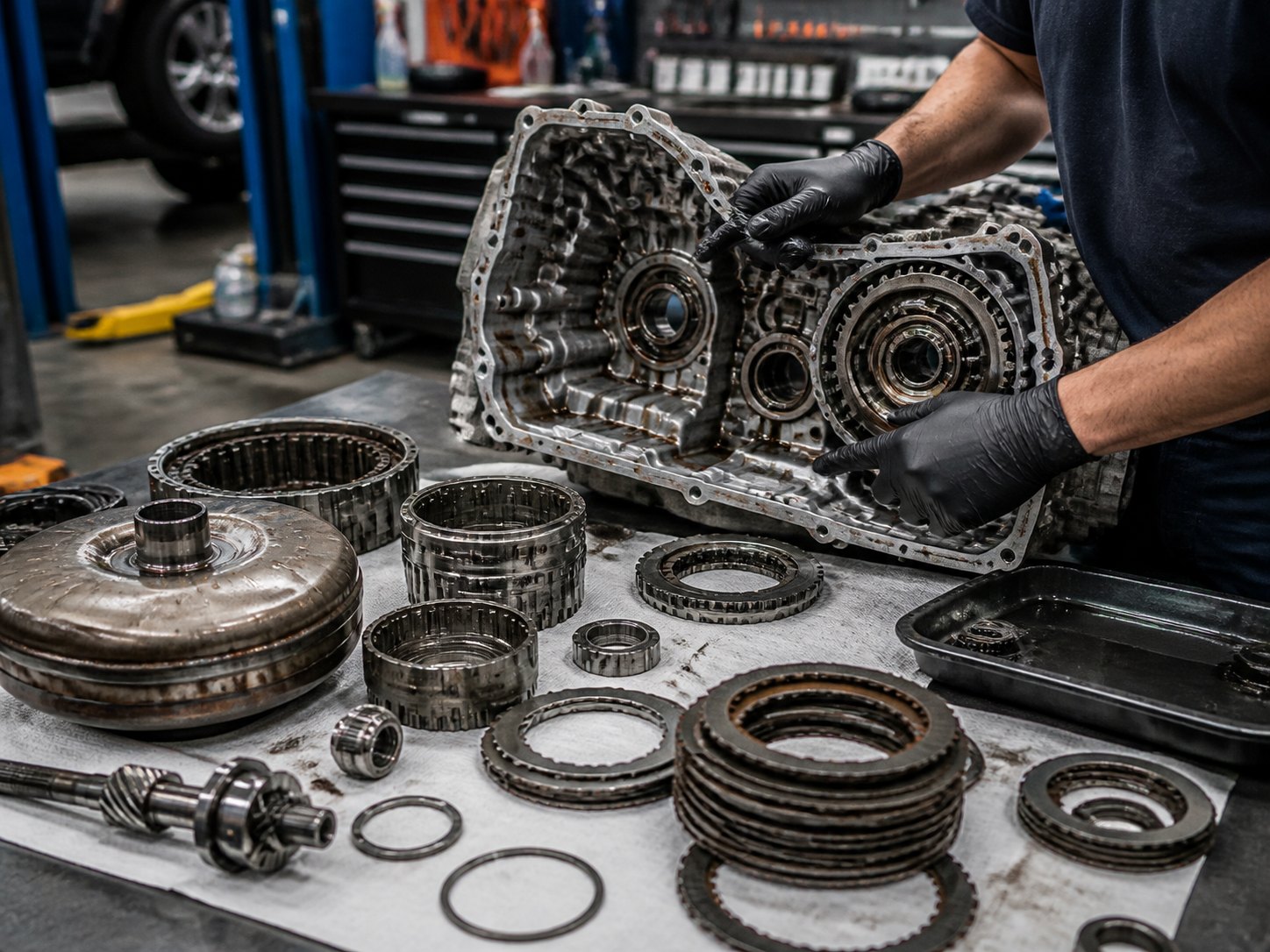
If the fix is a smaller external or electrical repair, we explain that before discussing rebuild-level work.
Have the year, make, model, mileage, warning lights, and recent service history ready. If another shop already wrote an estimate, bring it so we can explain what the line items mean.
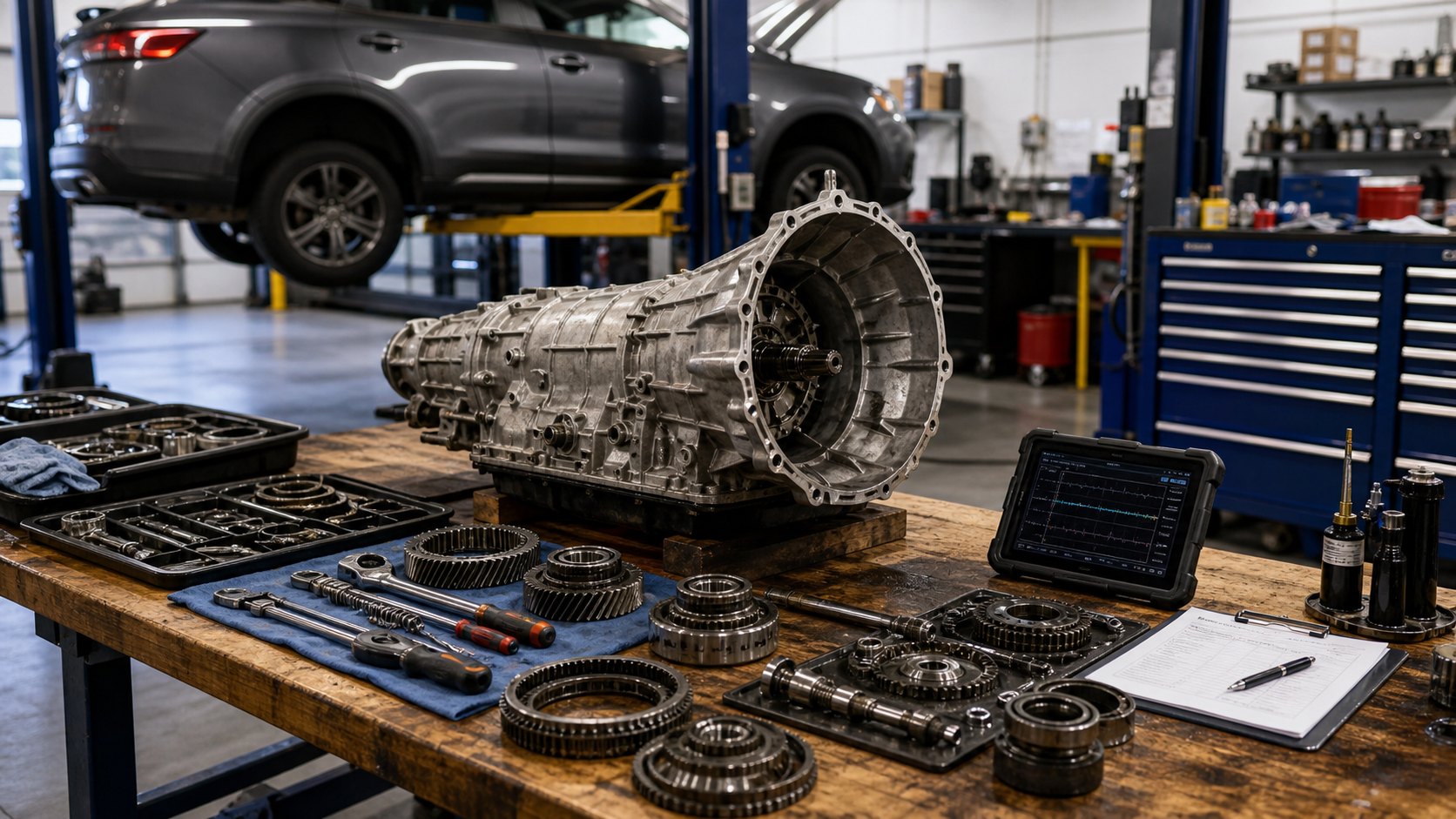
Call 847-393-0191 with the vehicle details, mileage, and the exact shift problem you are feeling. We will schedule the Free Diagnostic, explain what we find, and put the repair recommendation in writing before work begins.
Arlington Heights Transmission Repair photos