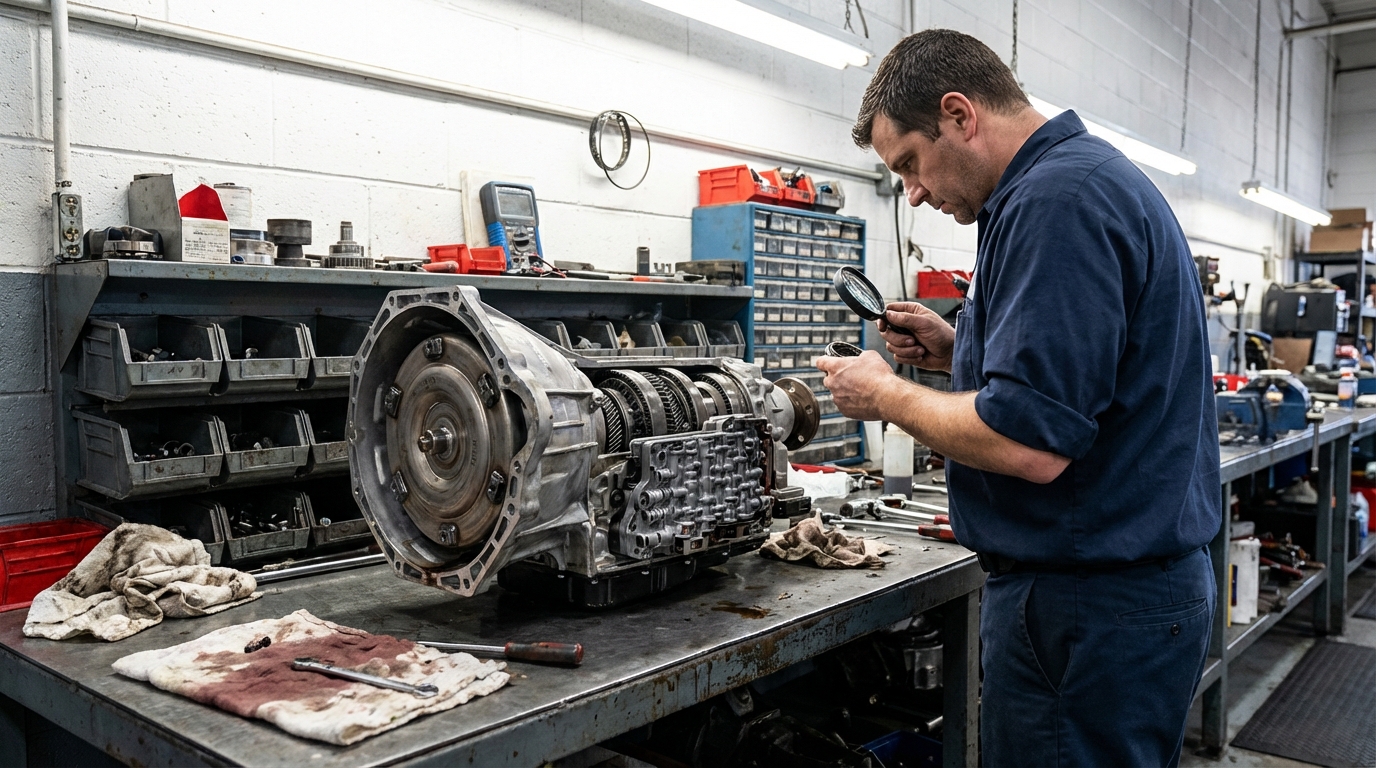
Complaint
We record whether reverse is slow, harsh, slipping, grinding, or absent, and whether Drive still works well enough to move the vehicle safely.
No reverse is not one single failure. We separate a delayed reverse engagement from a complete no-reverse condition, then check whether the cause points to low fluid pressure, a stuck valve body circuit, a worn low/reverse clutch, or an external manual linkage or clutch issue before quoting repair.
Tell us whether reverse is delayed, missing completely, grinding, or only failing hot so the first inspection starts in the right system.
A reverse complaint needs a narrow inspection because Drive can feel normal while the reverse oil circuit, reverse clutch pack, servo, or apply piston is already failing. We start by confirming whether the vehicle hesitates before backing up, bumps into reverse, or never engages at all.
For automatic transmissions, the next step is pressure and command data: fluid level, scan codes, range selection, valve body response, and signs that the low/reverse clutch is slipping. Those details decide whether the repair is external, hydraulic, or internal.
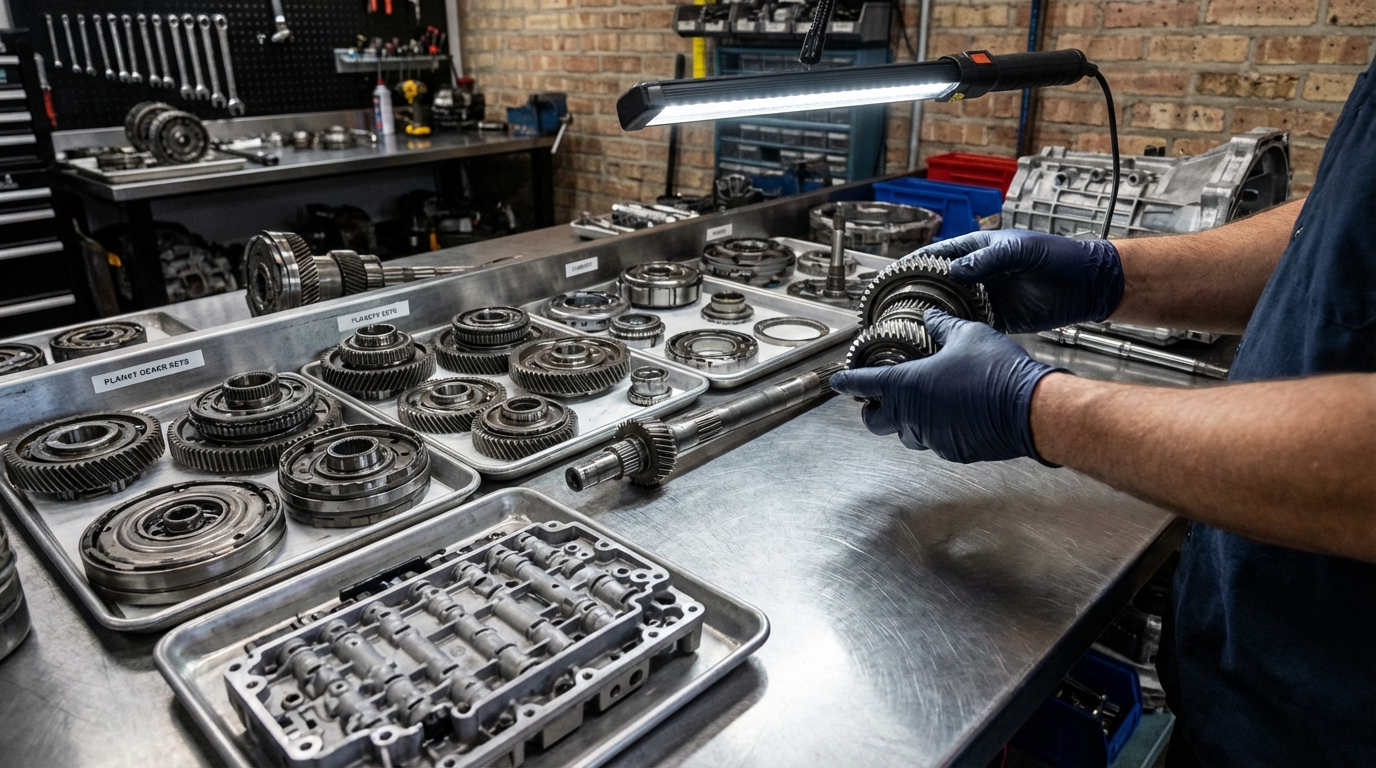
For manual transmissions, no reverse can come from clutch release problems, worn shift linkage, a damaged reverse synchronizer or idler gear, or a shifter that is not fully reaching the gate. The estimate changes completely when the problem is outside the transmission case.
Get Free Diagnostic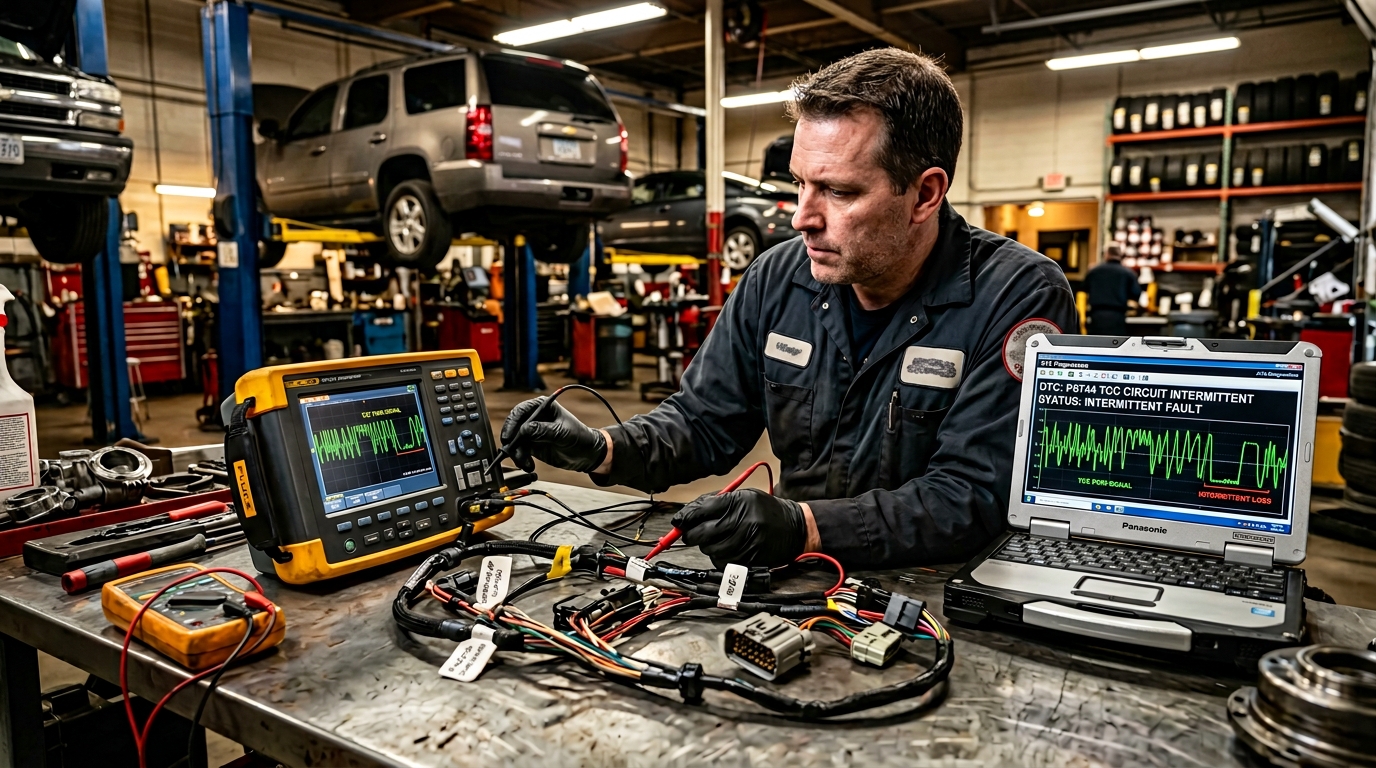
If reverse is changing from slow to unpredictable, keep the vehicle out of tight parking situations and get it checked before a small pressure or control problem becomes a tow.
If the safest choice is to tow instead of driving, we say that before the vehicle gets stranded nose-in or blocking a driveway.
The estimate is built around the failed reverse system, not a generic transmission label. A valve body problem, linkage issue, clutch release fault, and internal low/reverse clutch failure all carry different labor and risk.
We record whether reverse is slow, harsh, slipping, grinding, or absent, and whether Drive still works well enough to move the vehicle safely.
We compare fluid condition, scan data, manual linkage movement, clutch release behavior, and hydraulic pressure clues before calling it internal.
The written quote separates external correction, valve body work, internal reverse clutch repair, rebuild, replacement, and tow guidance when driving is unsafe.
Reverse repair cost depends on whether the failure is outside the case, in the valve body, or inside the clutch and gear train. We keep those categories separate so you can decide what makes sense for the vehicle.
Call, text, or send the form with the year, make, model, and whether reverse is delayed, harsh, slipping, grinding, or gone. We will help you decide whether it is safe to drive in or better to arrange a tow.