
Symptoms
We start with the exact conditions: cold start, highway warmup, stop-and-go traffic, hills, warning text, leak timing, and whether 4MATIC behavior is involved.
Mercedes transmission work should begin with the exact unit, fault data, 4MATIC behavior, fluid evidence, leak points, and road-test pattern. A warning message alone is not enough to quote a major repair.
Send the Mercedes model, year, mileage, 4MATIC status, warning text, codes, service records, leak history, and when the shift concern appears.
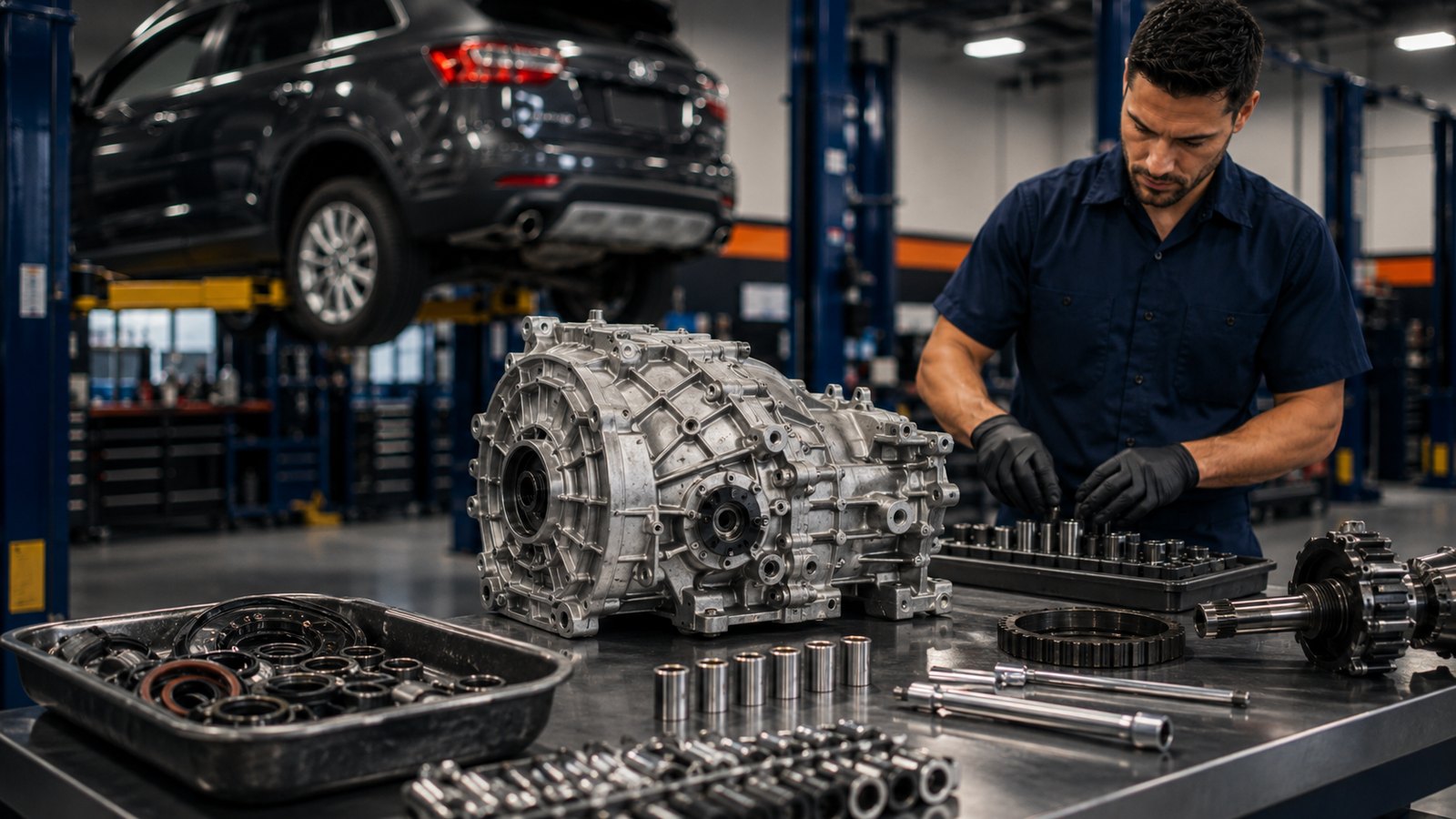
Mercedes transmission problems need more than a generic code scan. A useful diagnosis starts with the exact model, engine, driveline, transmission family, fluid condition, leak evidence, adaptation data, and the road-test condition that creates the symptom.
We help Arlington Heights drivers sort out 722.6, 722.9, 9G-Tronic, Sprinter-style service concerns, 4MATIC vibration, conductor plate faults, sleeve leaks, valve body issues, converter shudder, mounts, cooler lines, and internal wear before a major repair is quoted.
If a dealer estimate feels vague or expensive, bring the fault text, codes, and service notes. We can review what has been found, what still needs testing, and what repair path actually fits the vehicle.
Get Free Diagnostic
These symptoms do not always mean the transmission needs replacement, but they are strong reasons to stop guessing and get the vehicle inspected before more damage builds.
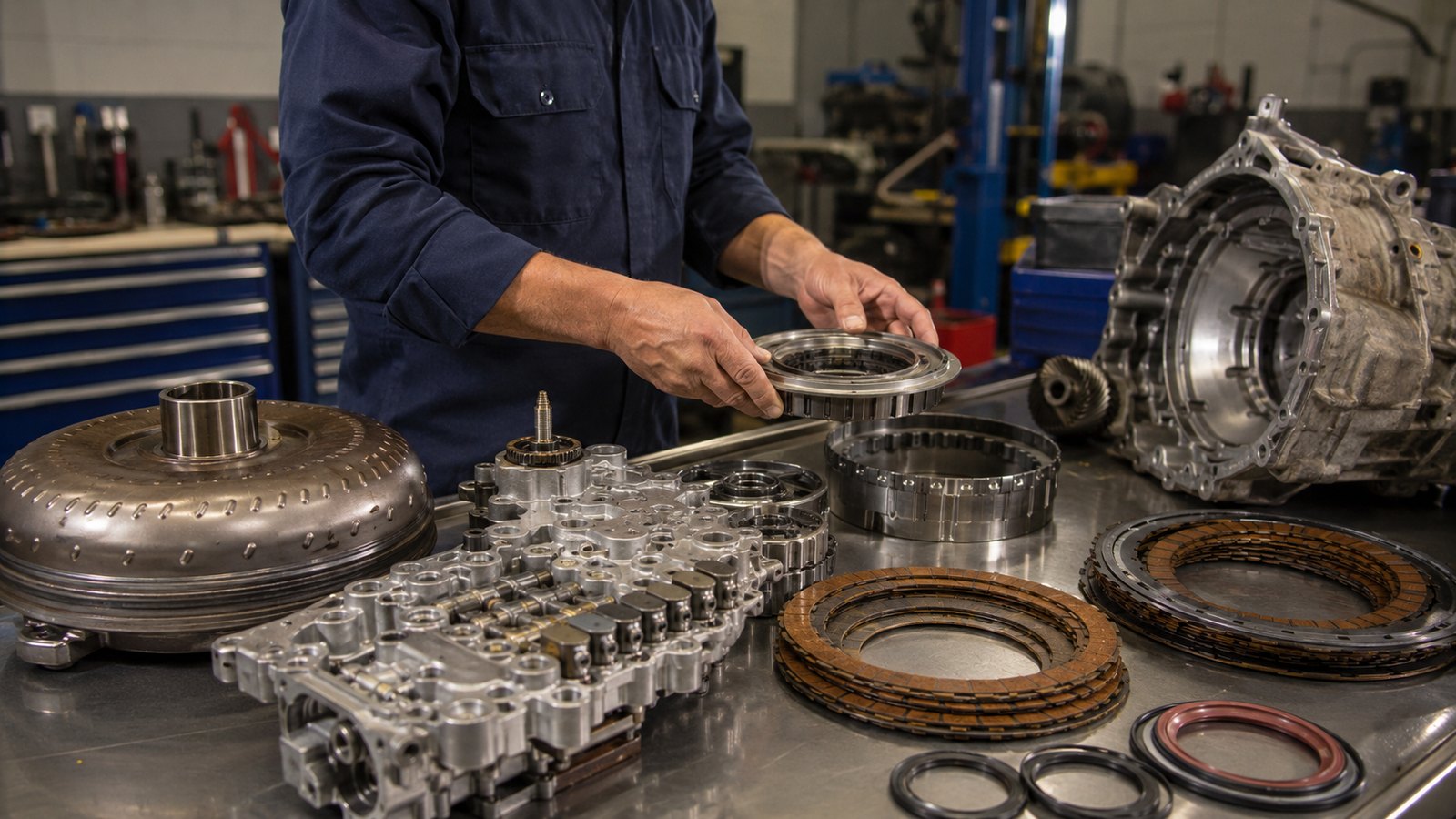
If testing points to an external leak, service issue, mount, wiring concern, or related driveline problem, we explain that before recommending internal transmission work.
A Mercedes estimate should explain what failed, what can wait, what should be repaired now, and what protects the vehicle after the repair.
We start with the exact conditions: cold start, highway warmup, stop-and-go traffic, hills, warning text, leak timing, and whether 4MATIC behavior is involved.
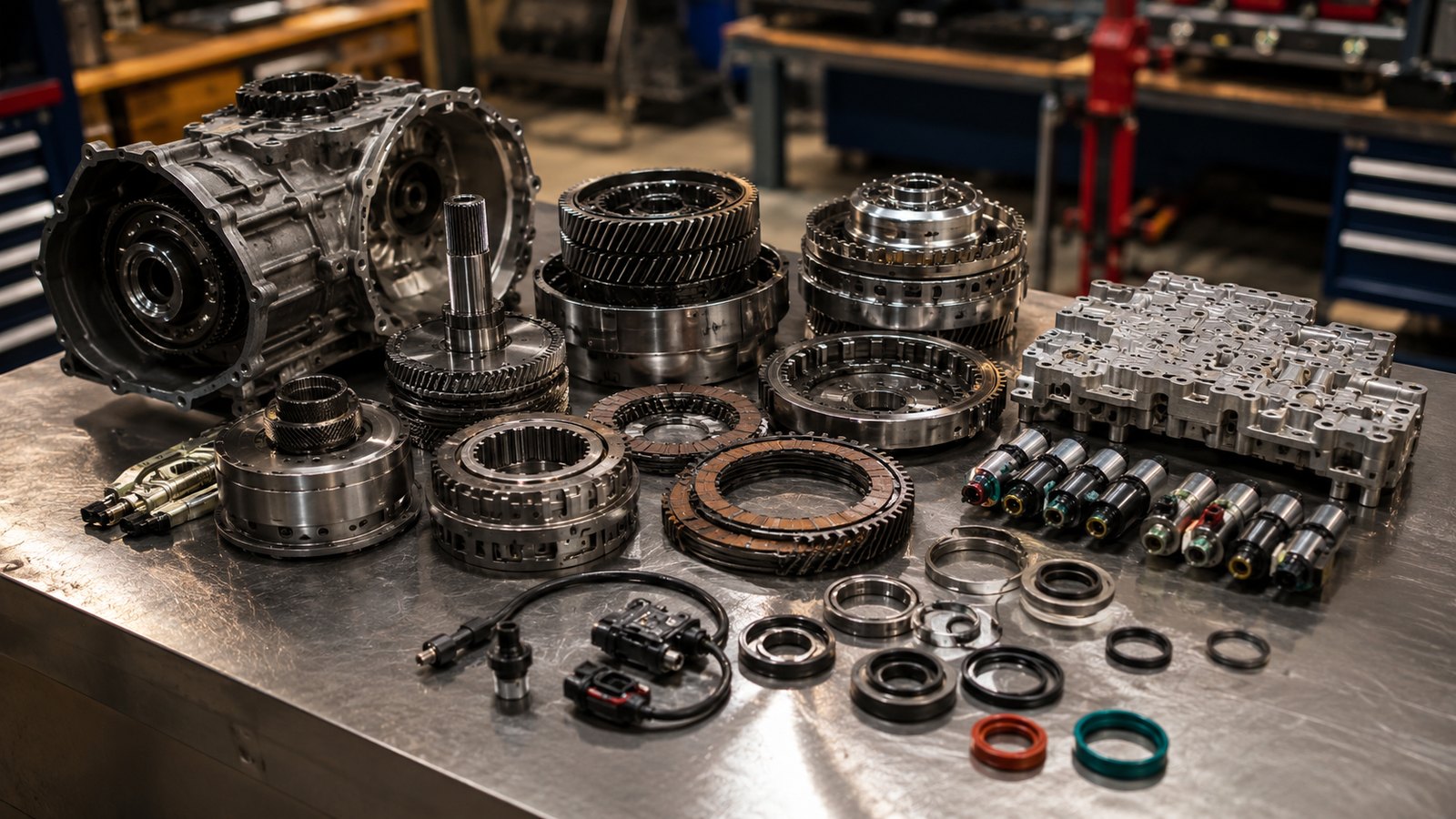
Scan data, road-test notes, fluid condition, leak location, adaptation clues, and related-system checks keep the estimate grounded in evidence.

The written estimate separates fluid service, sleeve or leak repair, conductor plate, valve body, converter, rebuild, used unit, remanufactured unit, and replacement paths.
These are planning categories only. The final estimate depends on inspection results, parts availability, programming needs, driveline layout, and whether related systems are damaged.
Call or text 847-393-0191 with the Mercedes model, year, codes, and symptoms.
Mercedes-Benz Arlington Heights Transmission Repair photos