FREE
Computer Diagnostic
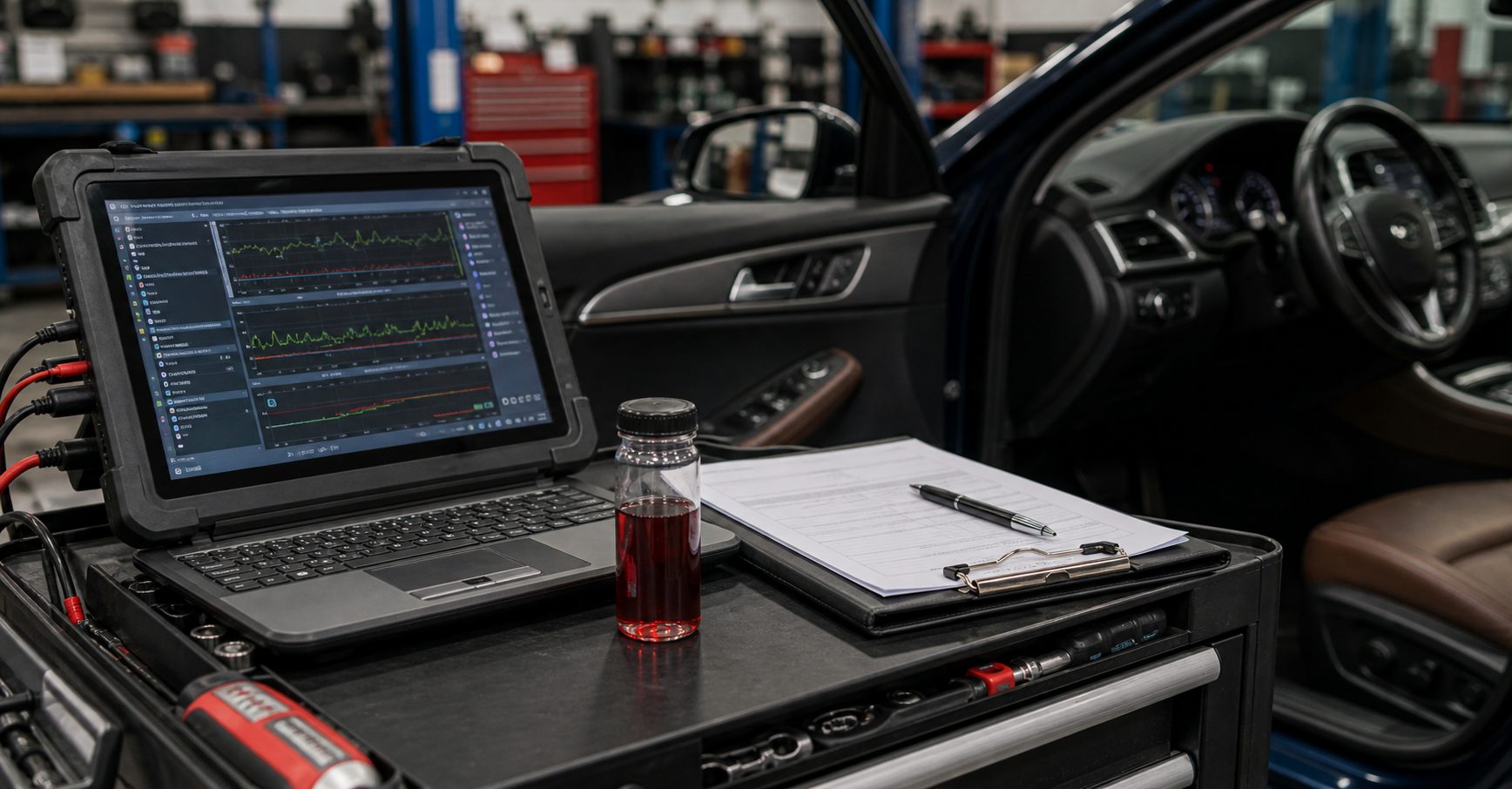
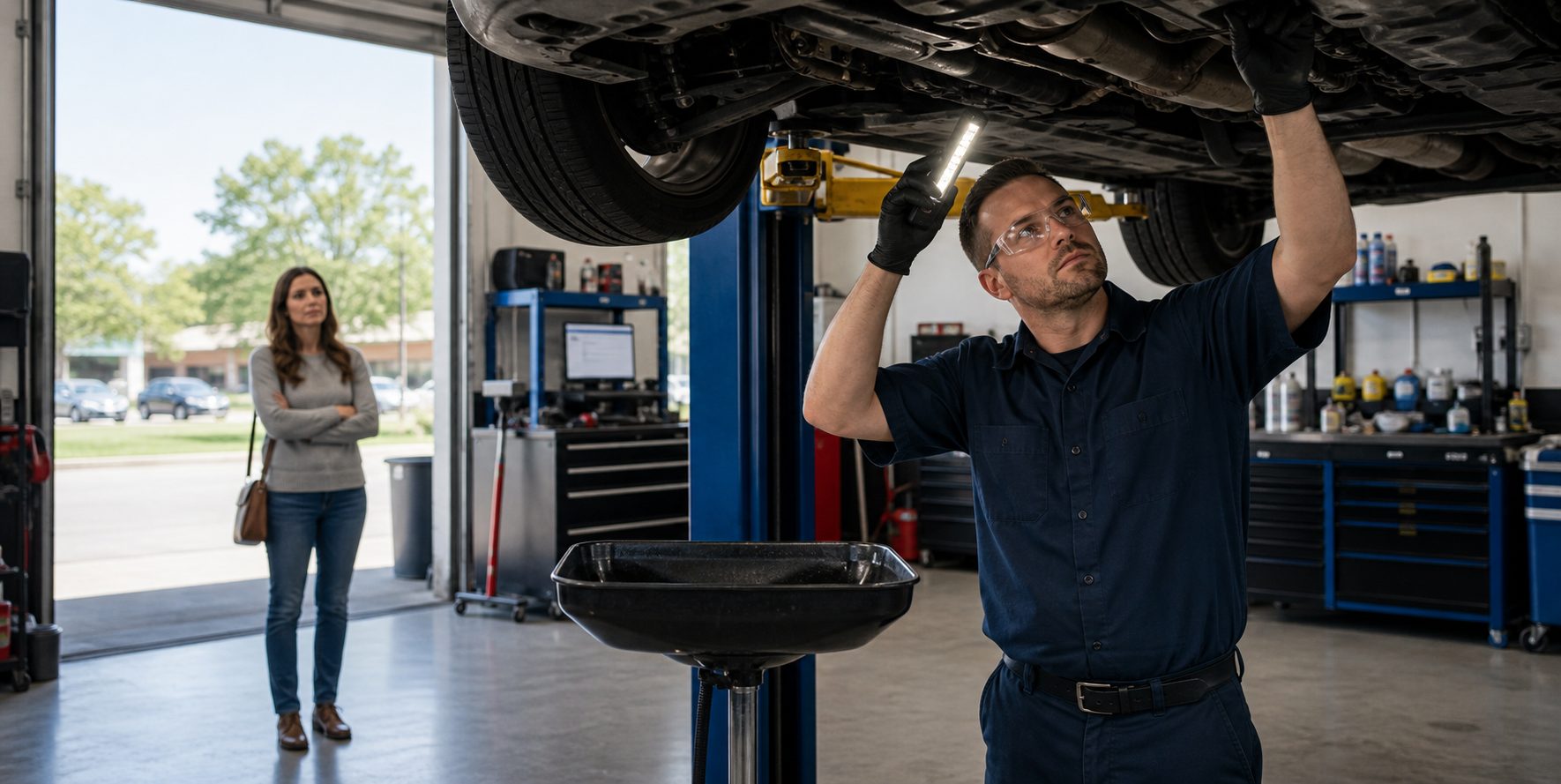
The diagnostic checks codes, fluid condition, visible leaks, and driving symptoms so the estimate starts from facts.
Claim OfferCurrent Arlington Heights transmission offers
Choose the offer that fits the vehicle: diagnostic help for symptoms, fluid service for qualifying maintenance, or a referral bonus for completed repair work.
Use this page to claim the free diagnostic, the $89 fluid change on qualifying vehicles, or the $100 referral bonus. Each offer has a specific purpose, and we explain the terms before the vehicle is serviced.
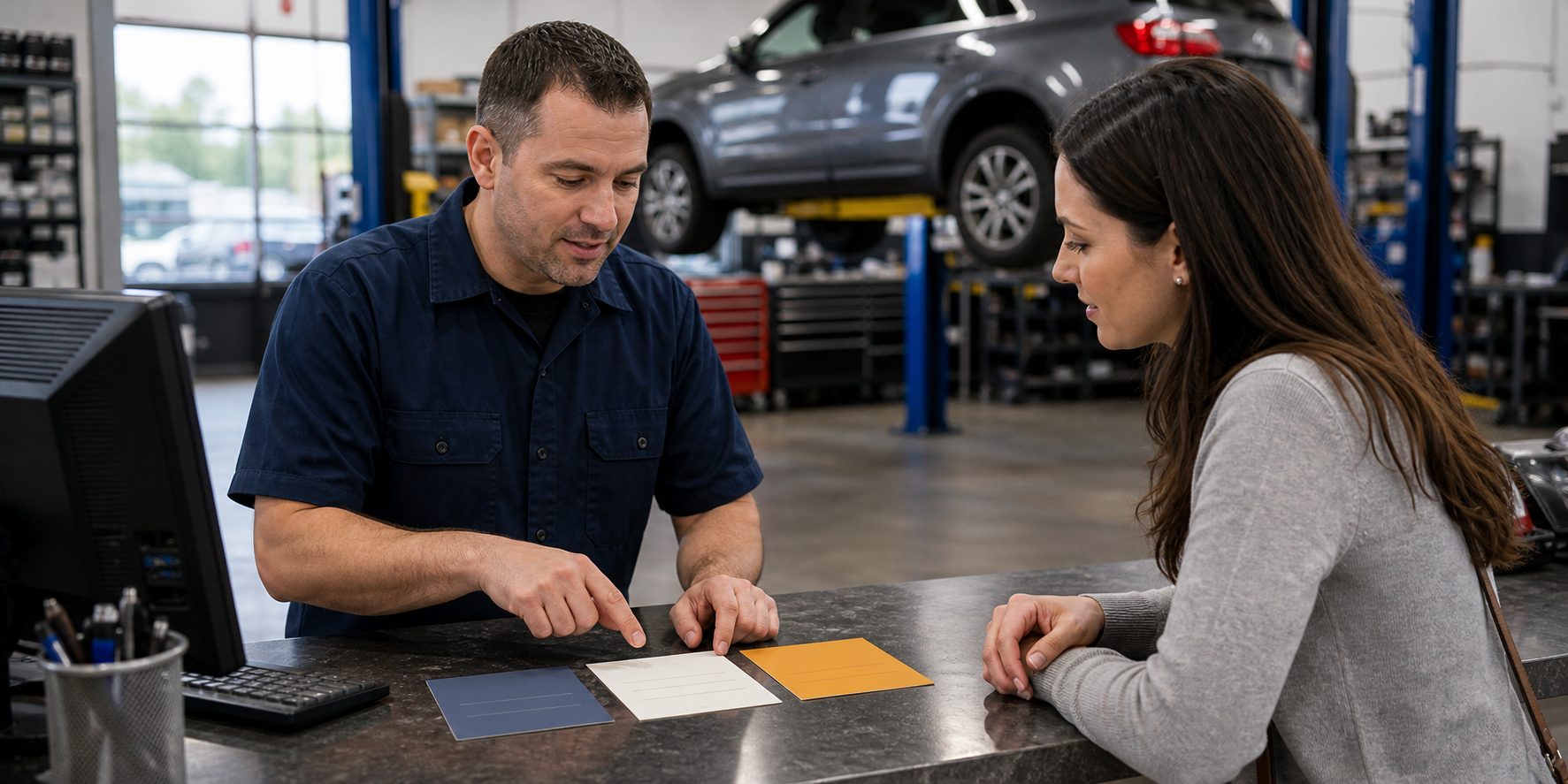
Call or text 847-393-0191 with the offer you want to use, your vehicle, mileage, and the reason you are contacting us. We will confirm eligibility and schedule the right first step.
The free diagnostic is for figuring out what is wrong, the $89 fluid change is for qualifying maintenance work, and the referral bonus is for completed qualifying repairs sent our way.
Text to ClaimFor service offers, bring mileage, any warning codes, and any prior estimate. For referrals, make sure the referred driver mentions your name before the repair is approved.
The diagnostic checks codes, fluid condition, visible leaks, and driving symptoms so the estimate starts from facts.
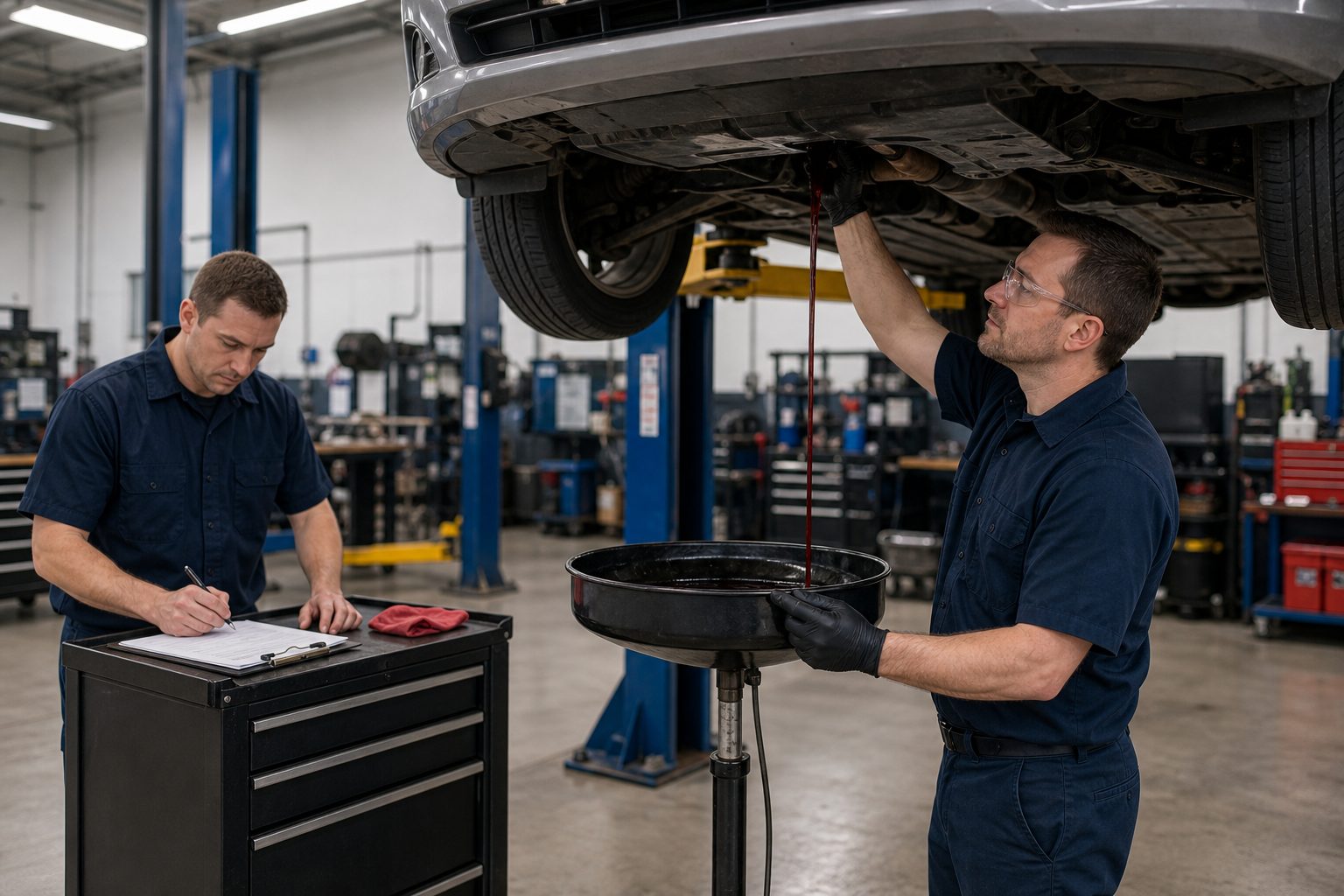
Claim OfferThe fluid special applies to qualifying vehicles using the correct fluid specification and service scope.
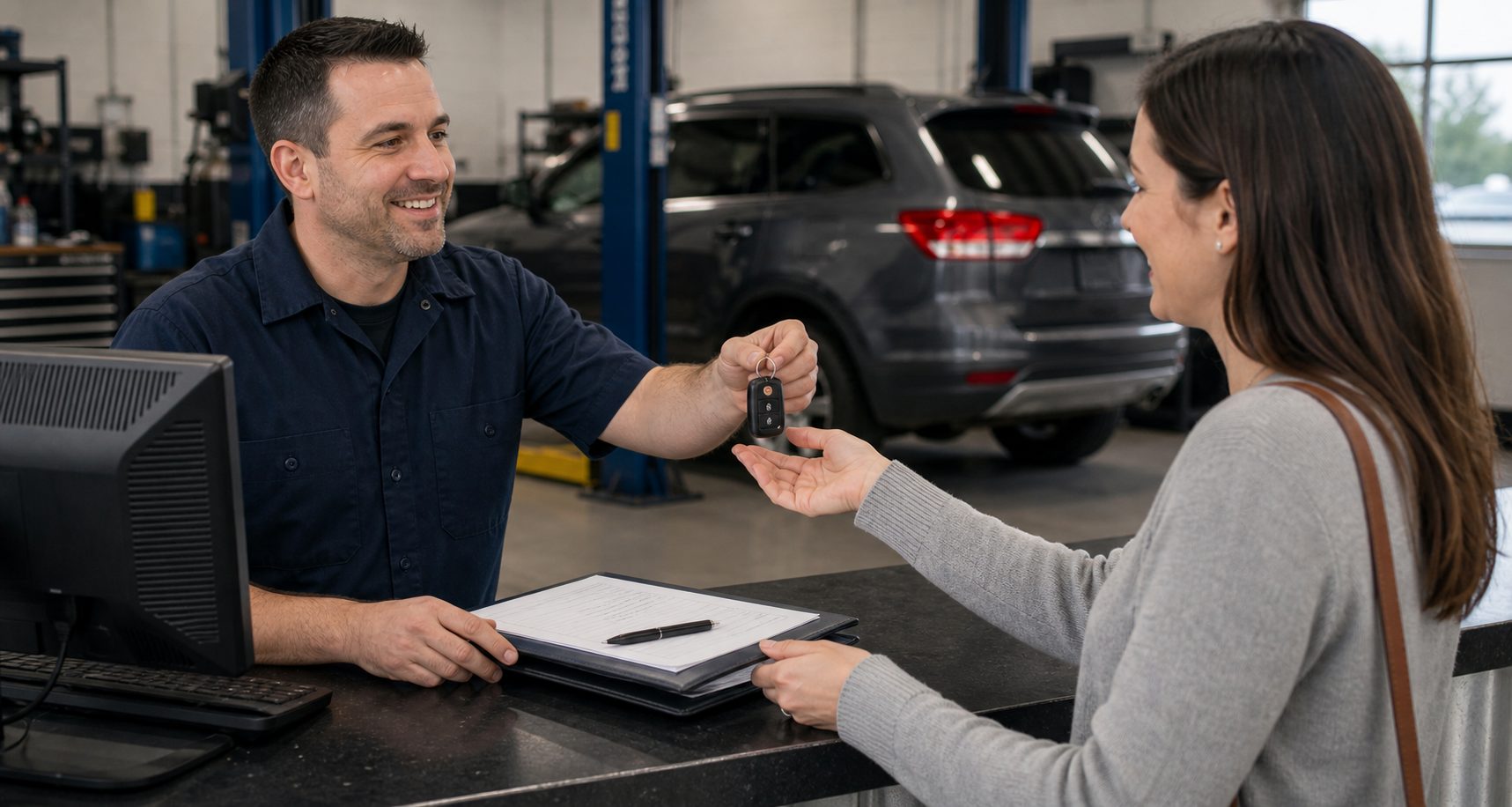
Claim OfferSend a friend, neighbor, coworker, or family member who completes a qualifying repair and we will confirm the bonus.
Claim Offer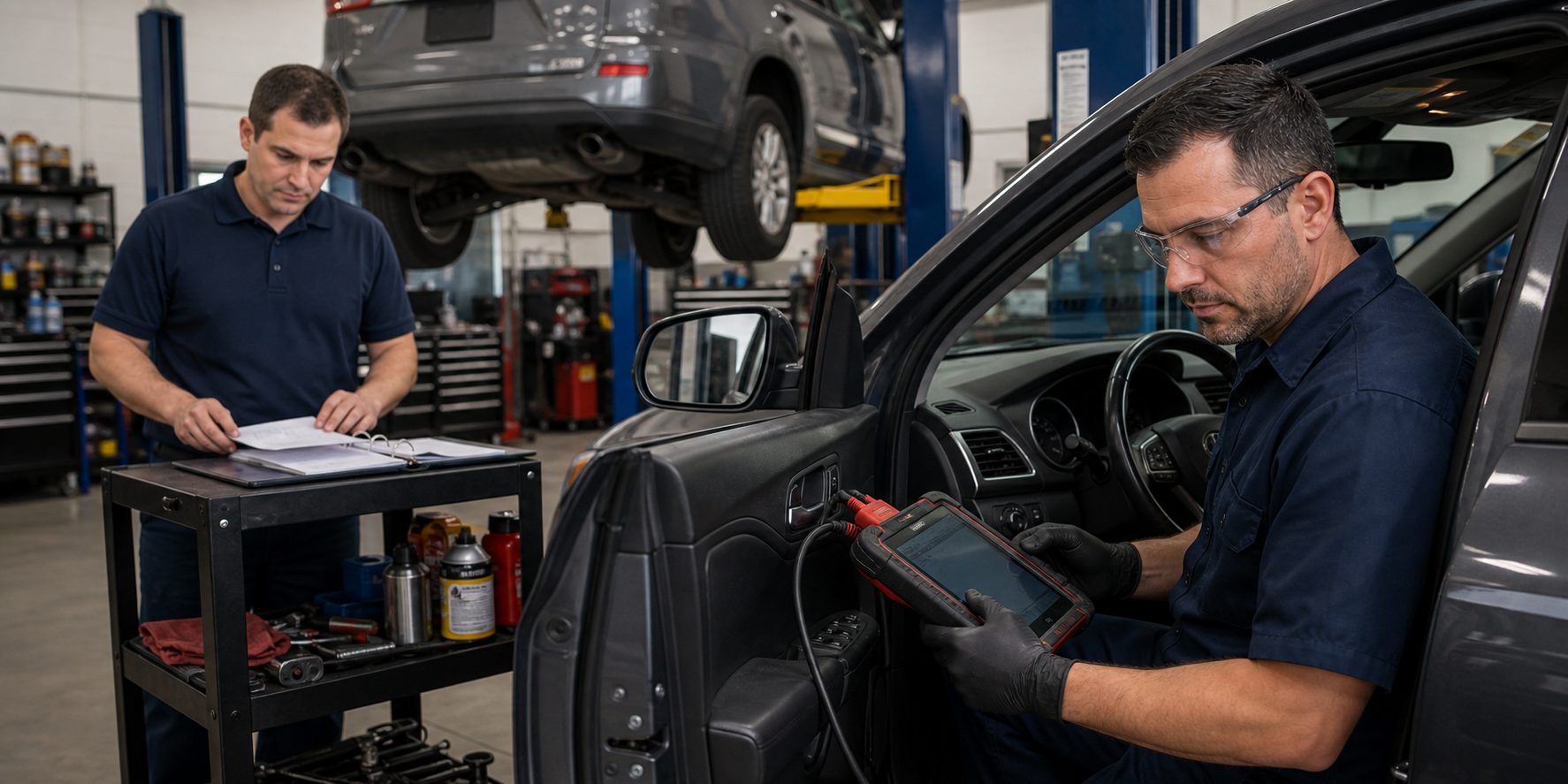
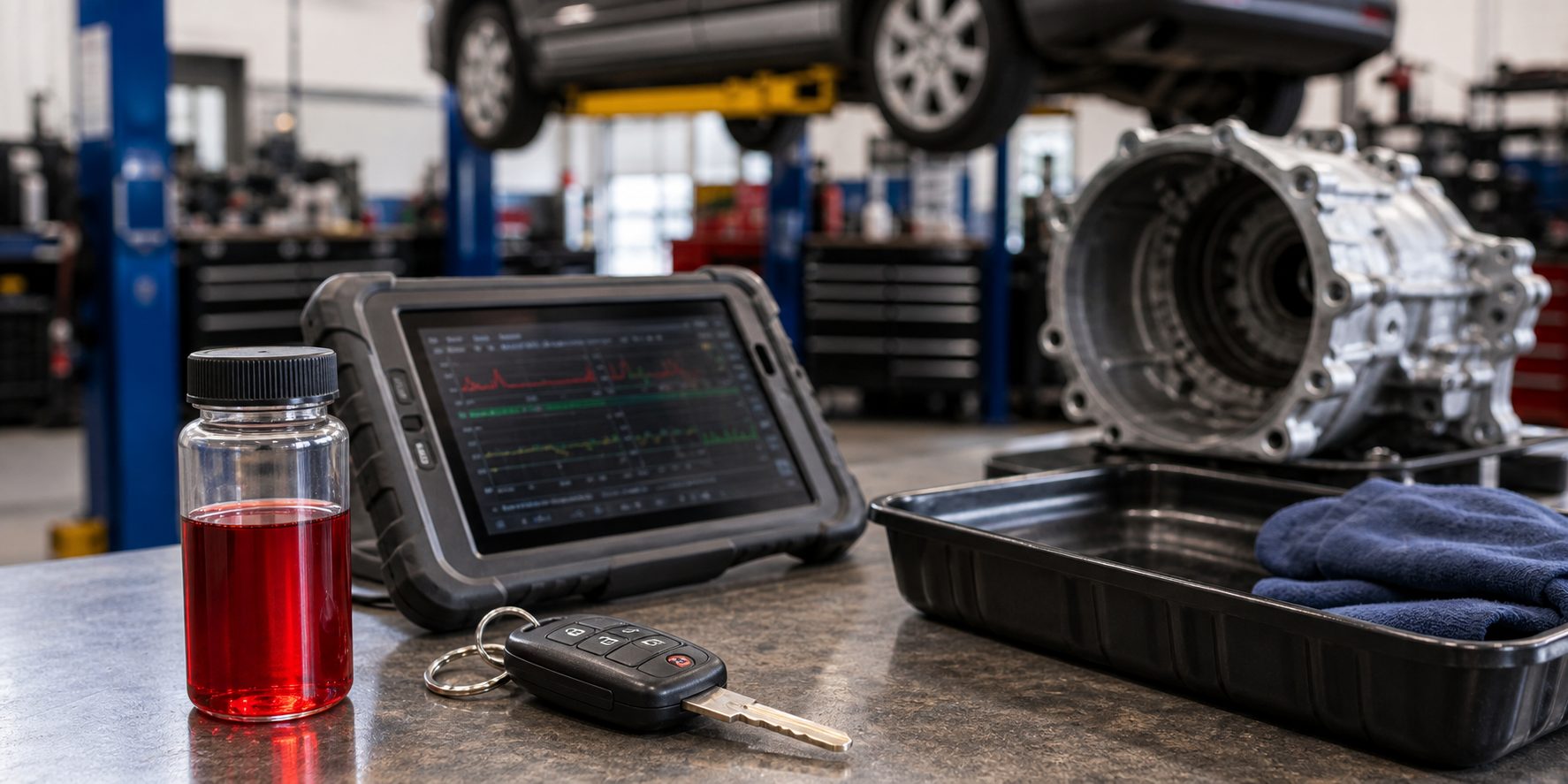
We confirm the offer before the work starts, especially when fluid type, vehicle design, or repair scope affects pricing.
If the vehicle has symptoms, start with the free diagnostic. If it is shifting normally and due for maintenance, ask about the $89 fluid change. If you know someone facing a transmission repair, use the referral program.
Drivers from Arlington Heights, Palatine, Schaumburg, Rolling Meadows, Mount Prospect, Wheeling, and Buffalo Grove can call first if they are unsure which offer fits.
Text the offer name, vehicle, mileage, and what you need. We will confirm eligibility and the next step before work begins.