Symptoms
Leaks, noises, warning lights, uneven braking, low fluids, or overdue service are all good reasons to schedule a maintenance check.
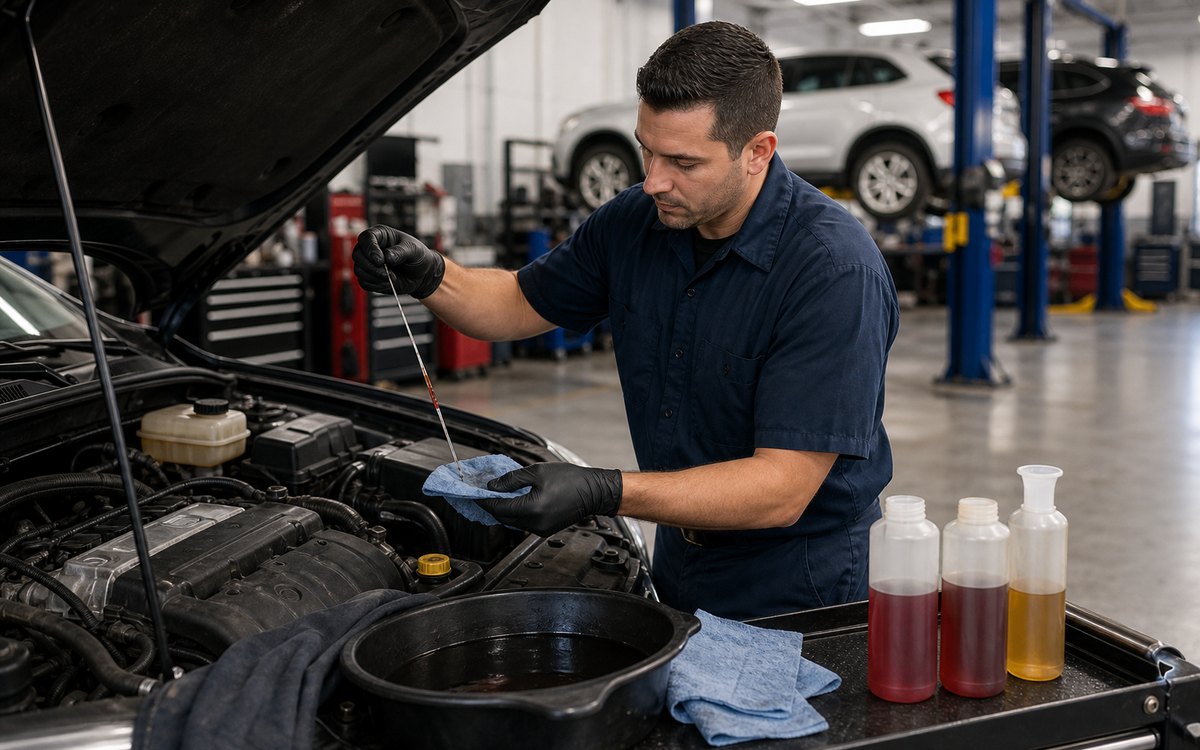
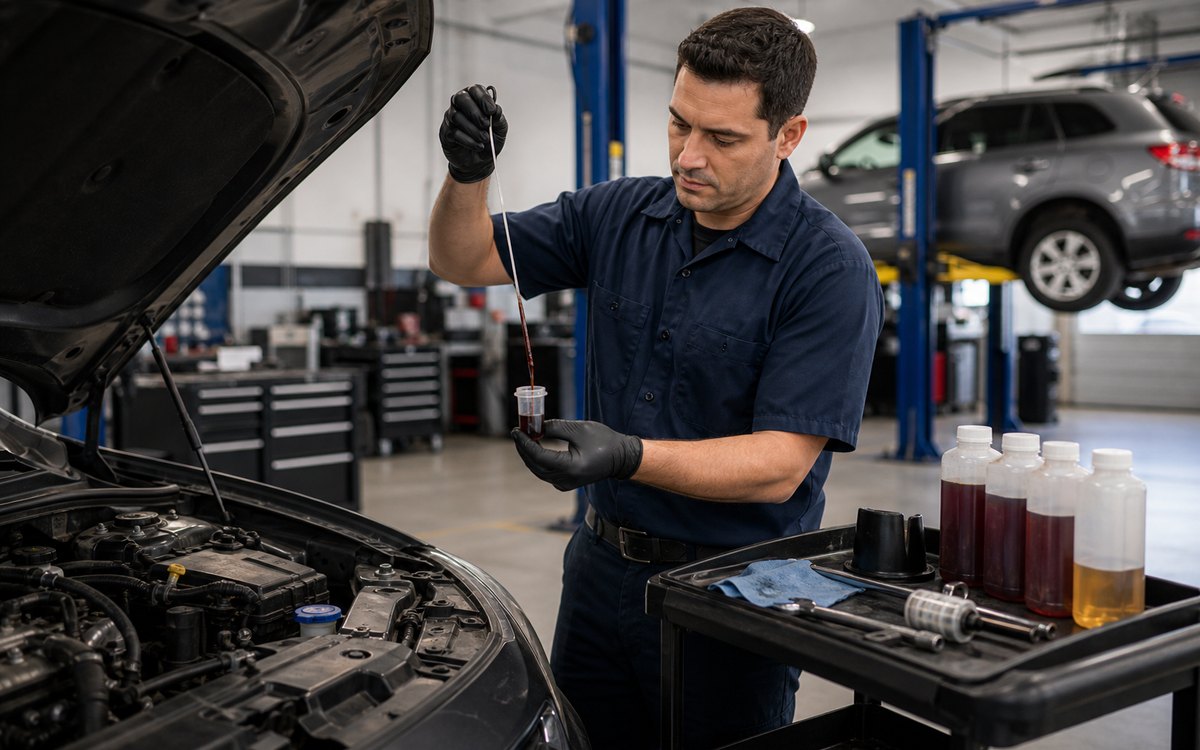
General maintenance keeps small problems from becoming expensive repairs. We handle oil service, fluid checks, brake inspections, belts, hoses, filters, leaks, and trip-readiness checks for Arlington Heights drivers.
Short trips, winter salt, potholes, Route 53 traffic, and I-90 highway miles all wear on fluids, brakes, suspension, and cooling parts. Maintenance is where those issues get caught early.
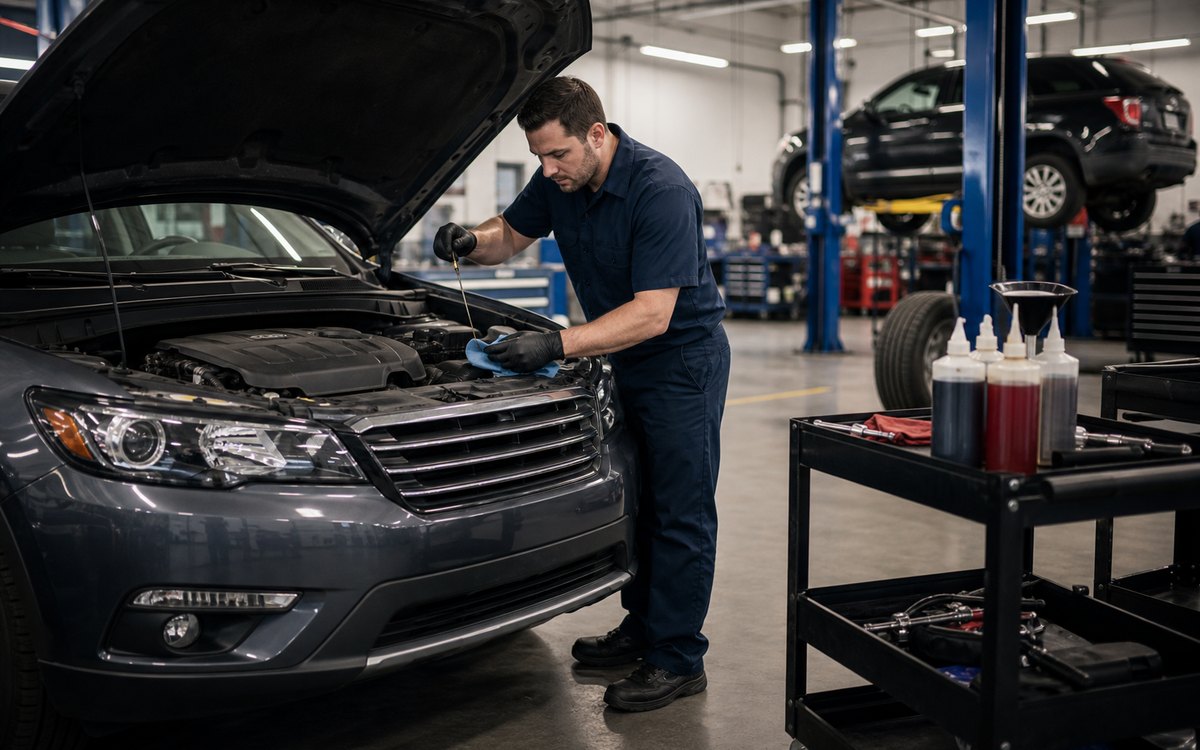
Schedule maintenance when the oil is due, fluids are dark or low, brakes are wearing, the vehicle is headed into winter, or a long commute or road trip is coming up.
If you are driving from Palatine, Schaumburg, Hoffman Estates, Rolling Meadows, Mount Prospect, Wheeling, or Buffalo Grove, call 847-393-0191 and tell us what service interval or warning sign you are dealing with.
Maintenance visits are also a good time to catch seepage, loose parts, worn belts, weak hoses, tire wear, battery issues, or early transmission-fluid problems before they turn into tow calls.
Get Free Diagnostic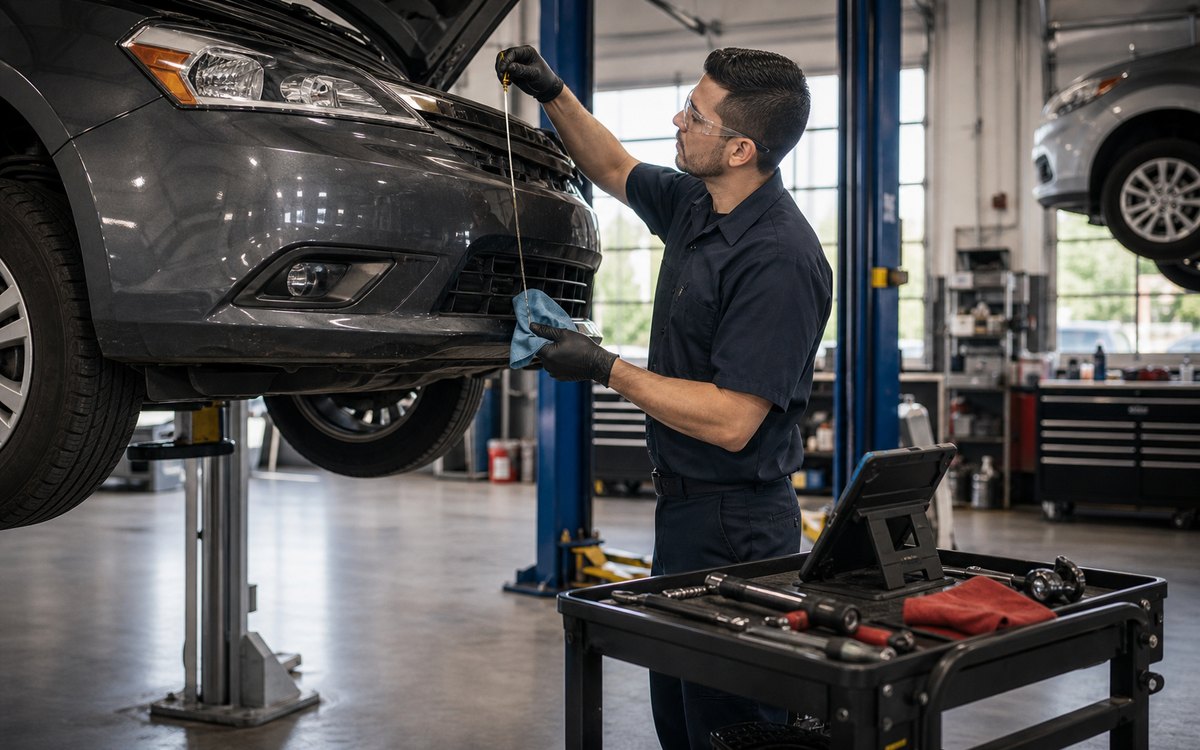
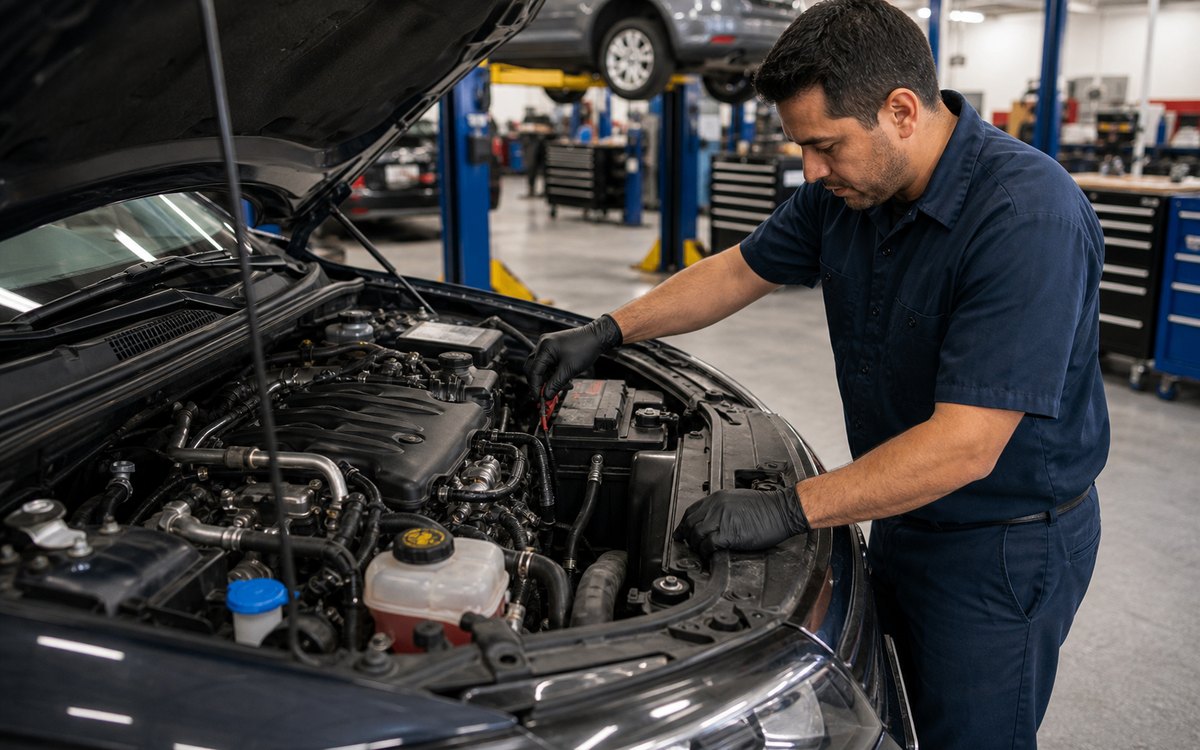
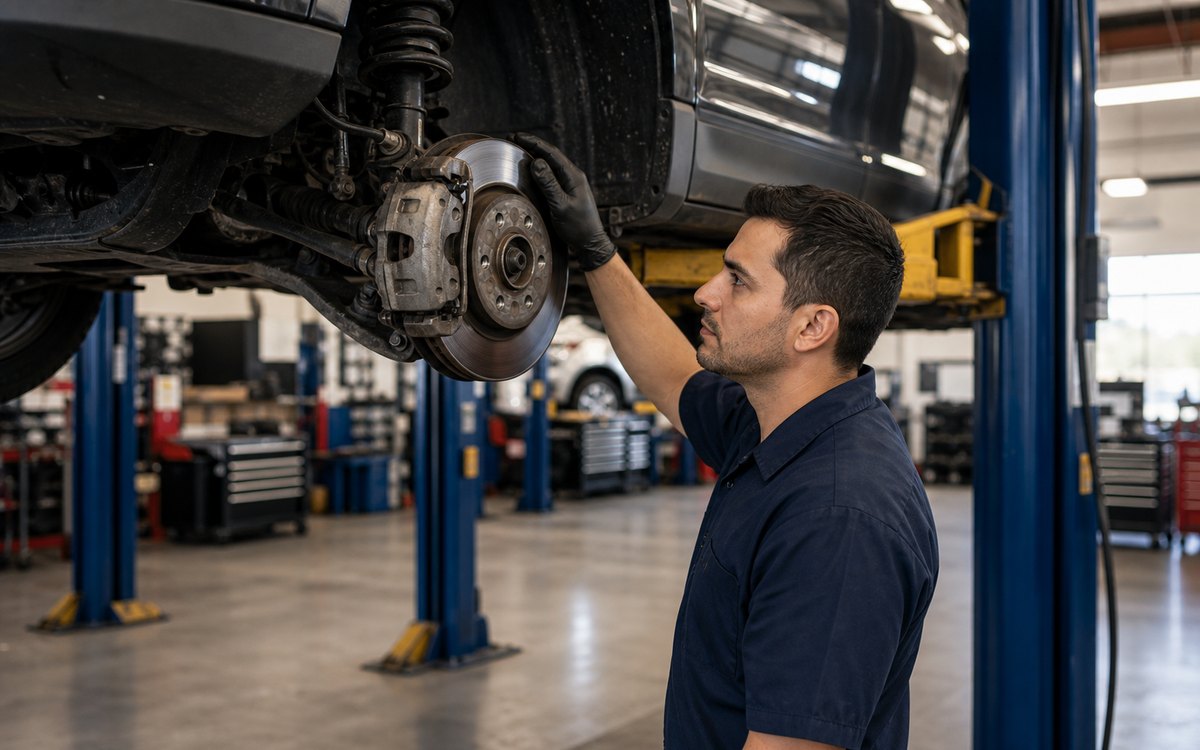
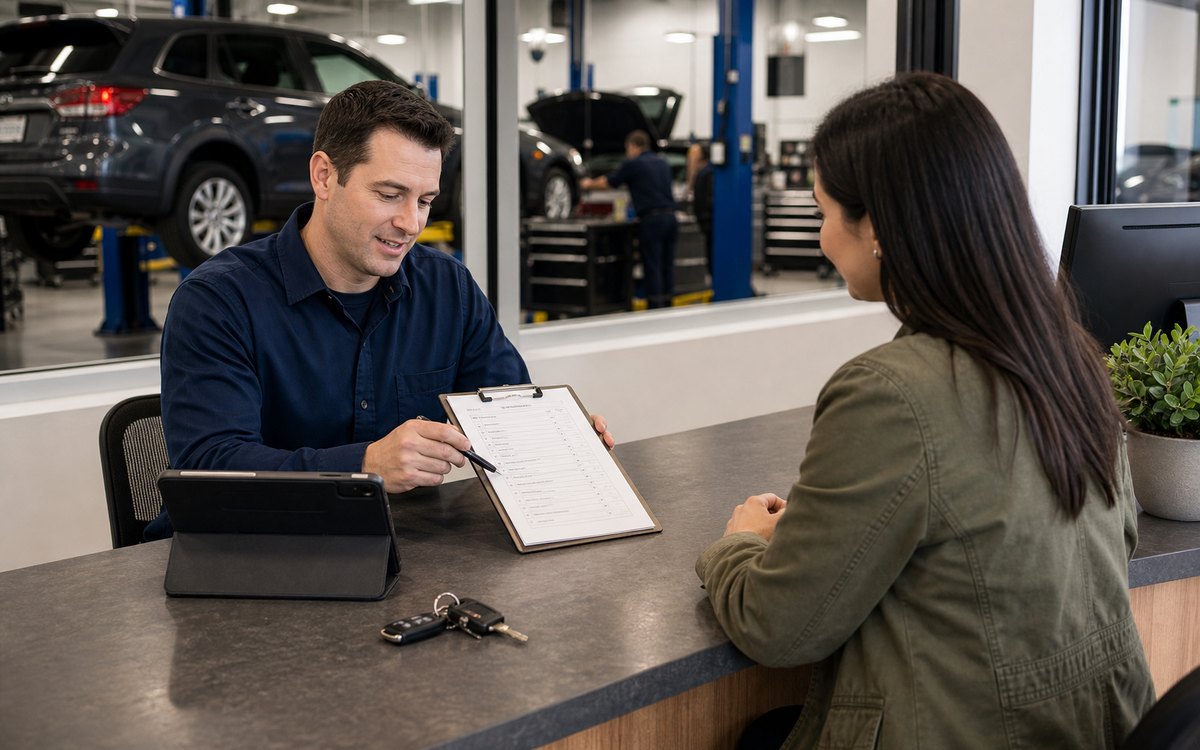
We look at mileage, service history, fluid levels and condition, visible leaks, brakes, belts, hoses, battery condition, tire wear, and any warning lights or complaints you mention at drop-off.
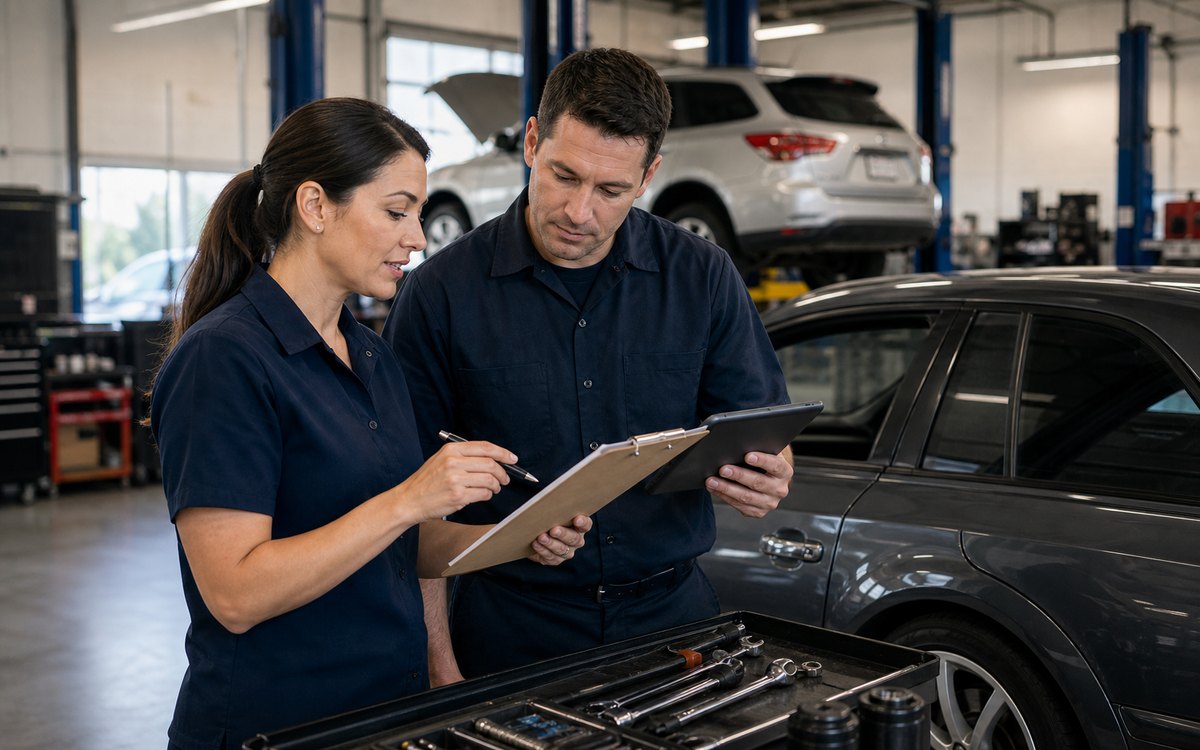
A maintenance estimate should help you plan, not pressure you. The point is to know what matters now and what can be scheduled later.
Maintenance pricing depends on the vehicle, fluid specifications, filter access, brake condition, inspection findings, and whether the visit uncovers repair work that needs separate approval.
Leaks, noises, warning lights, uneven braking, low fluids, or overdue service are all good reasons to schedule a maintenance check.
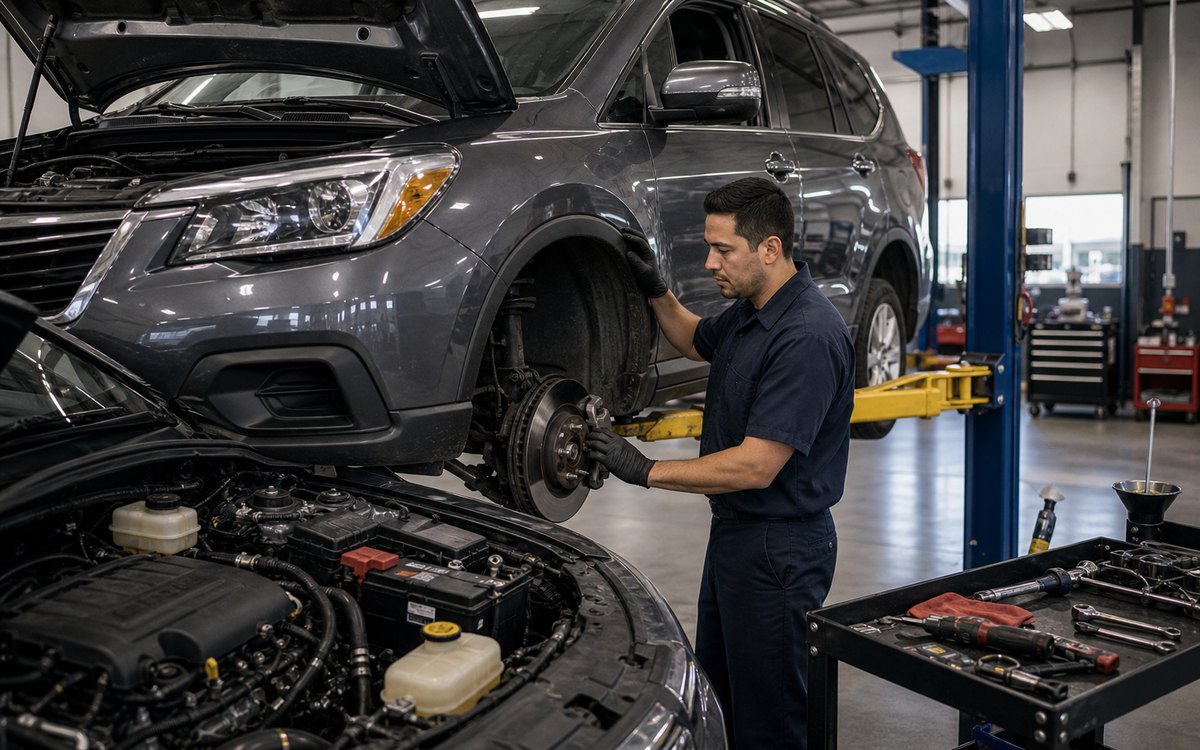
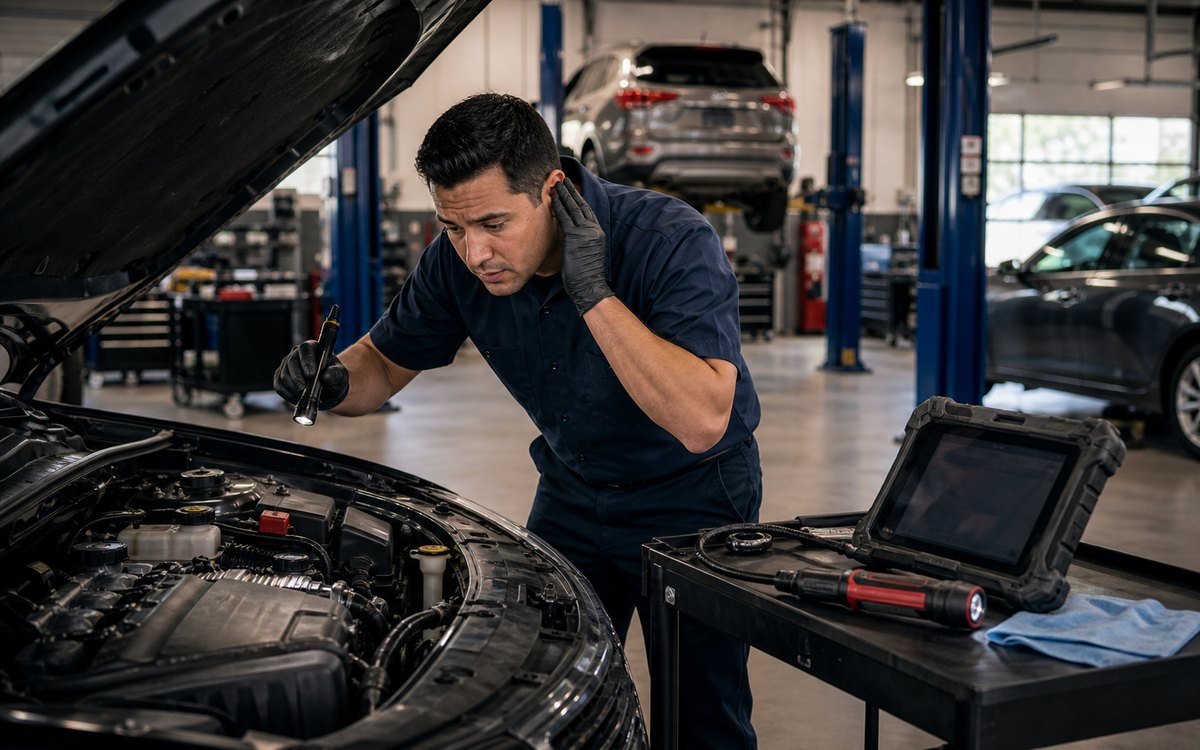
We check the items that wear quietly: fluids, belts, hoses, filters, brakes, tires, battery, leaks, and obvious safety concerns.
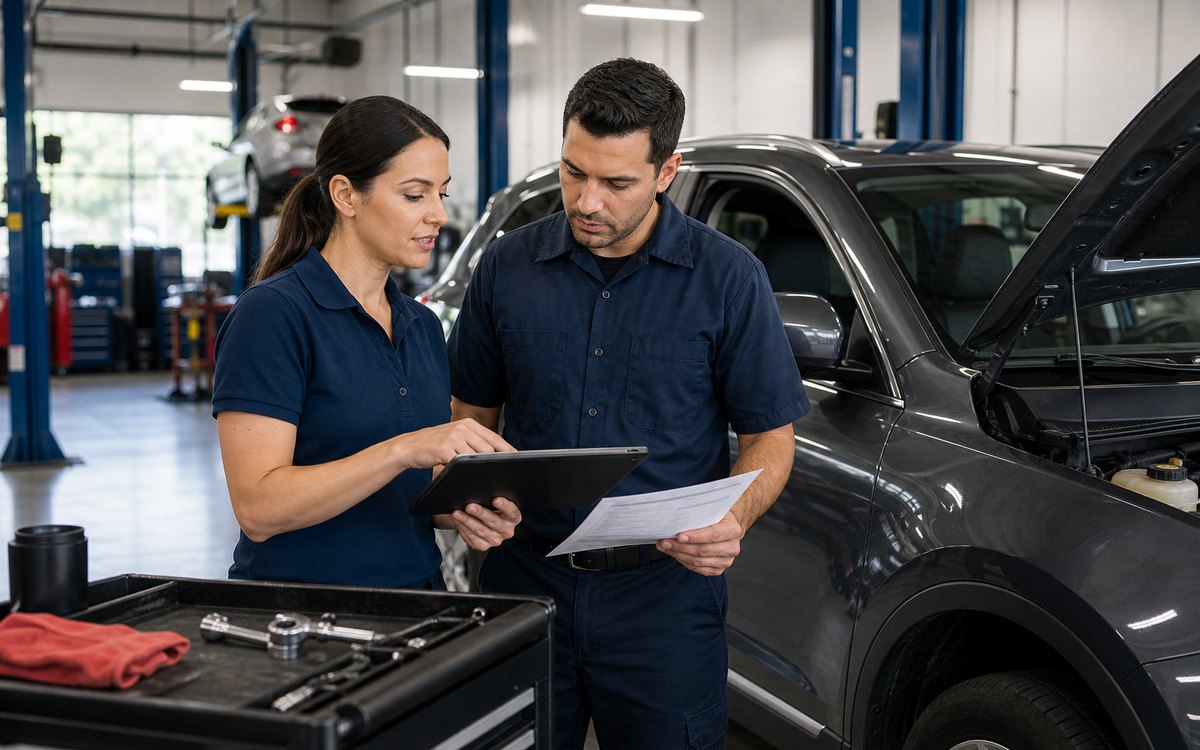
If the vehicle only needs maintenance, we keep it there. If we find a repair, we explain the priority and cost before adding it to the visit.
Call 847-393-0191 with the vehicle, mileage, due service, and any concerns you want checked. Bring maintenance records if you have them.
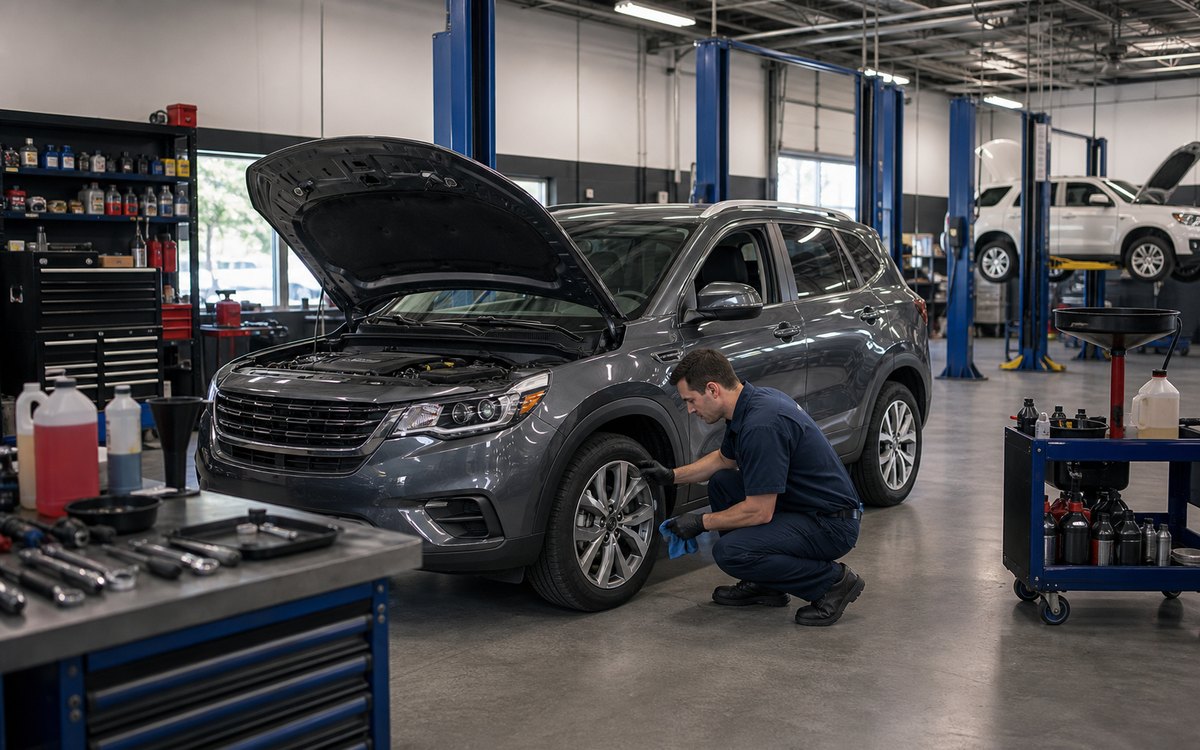
Call 847-393-0191 with the vehicle details and what you are noticing around fluids, filters, brakes, leaks, or trip-readiness checks. We will inspect it, explain the written estimate, and review warranty terms before work starts.
Preventive Maintenance Arlington Heights photos