$89
Fluid Change
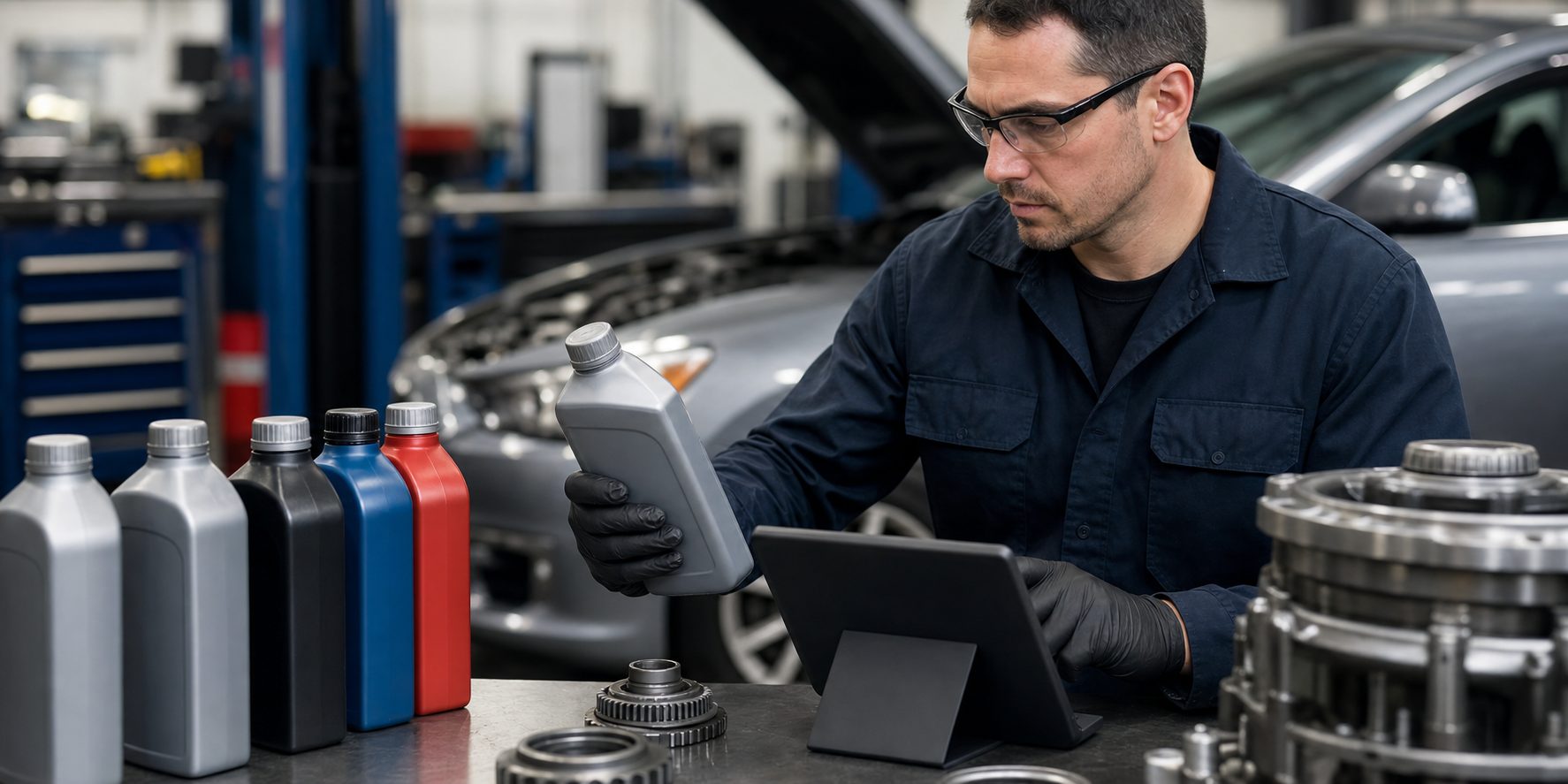
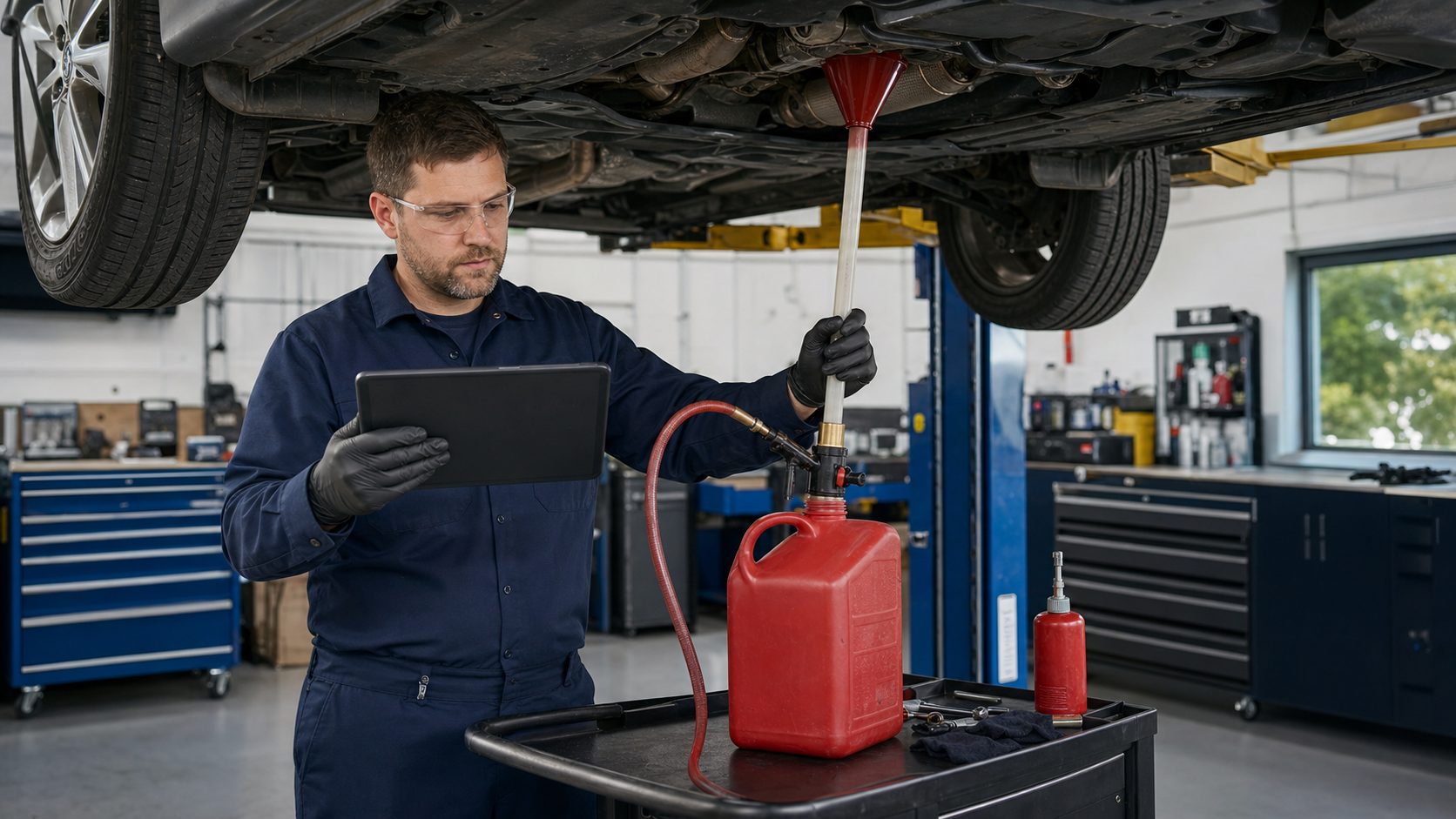
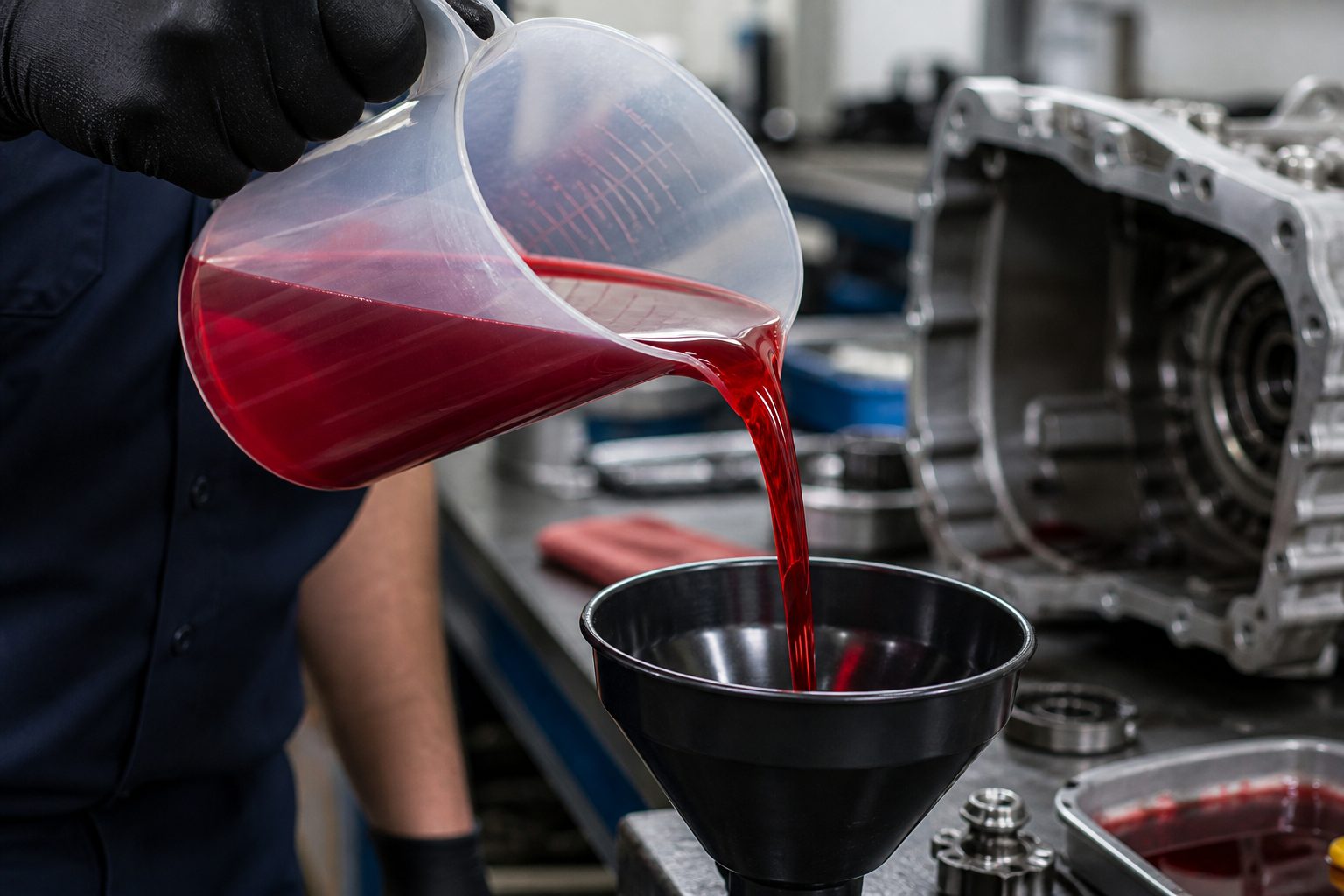
We drain and refill approved units with manufacturer-spec fluid instead of guessing with a universal product.
Claim OfferFresh, correct-spec fluid is cheap protection when the transmission is still shifting normally. We inspect first so the service matches the vehicle, not the coupon.
Good for many Arlington Heights, Palatine, Schaumburg, Hoffman Estates, Rolling Meadows, Mount Prospect, Wheeling, and Buffalo Grove drivers who want preventive service before shift problems start.

Call or text the vehicle and mileage. We will check whether the $89 service fits your transmission or whether the unit needs diagnosis before new fluid goes in.
The service uses the correct fluid specification for the vehicle and includes a visual check for leaks, burnt fluid, pan condition, and early signs of overheating.
Text to ClaimKnow the mileage, last fluid service if you have it, and whether the vehicle has been towing, commuting on I-90, or sitting through heavy stop-and-go traffic.
We drain and refill approved units with manufacturer-spec fluid instead of guessing with a universal product.
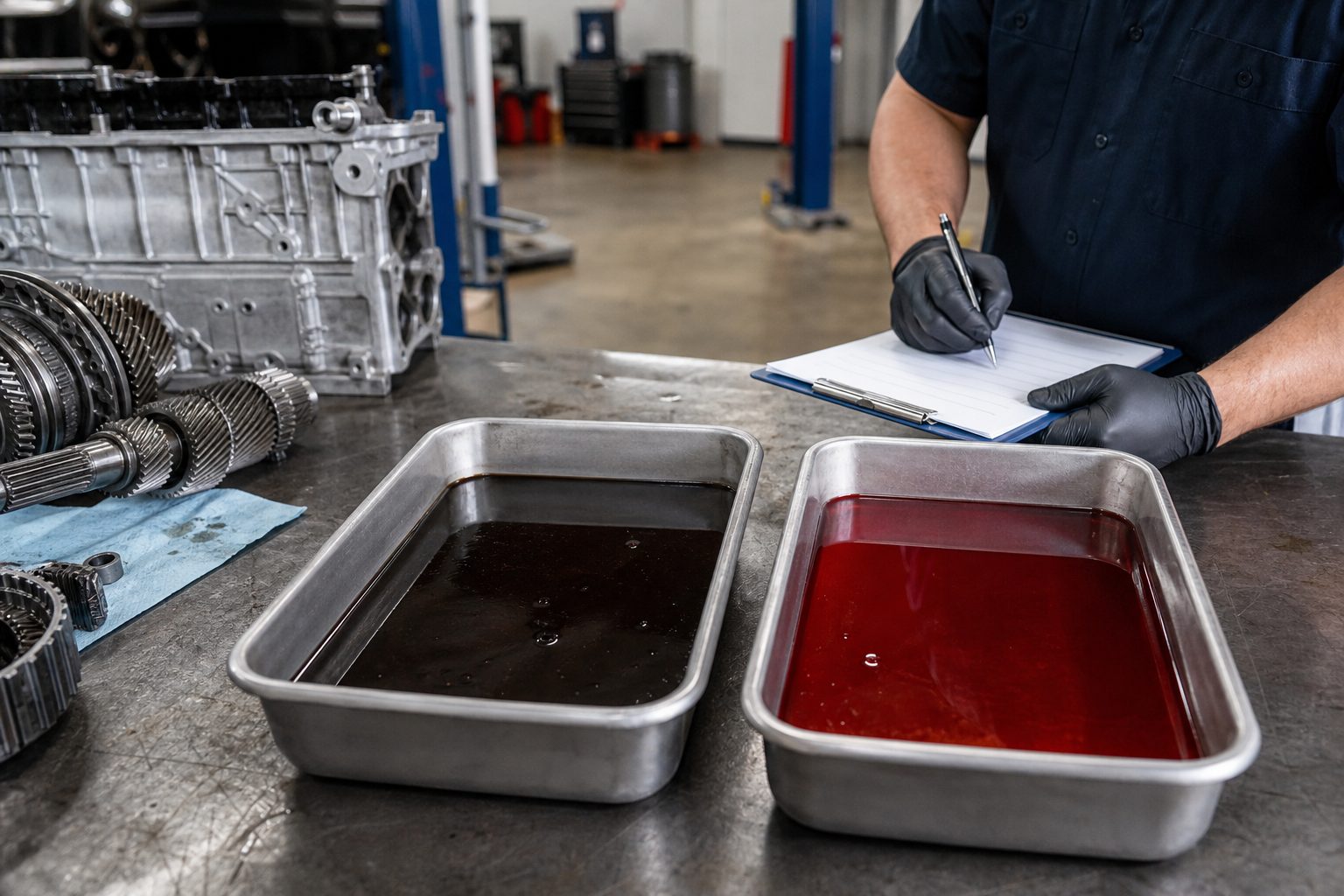
Claim OfferWe look for dark fluid, burnt smell, metal material, wet cooler lines, pan seepage, and seal leaks while the vehicle is in the bay.
Claim OfferCVTs, some sealed units, high-capacity trucks, and specialty fluids may need different pricing or a different service process.
Text to Claim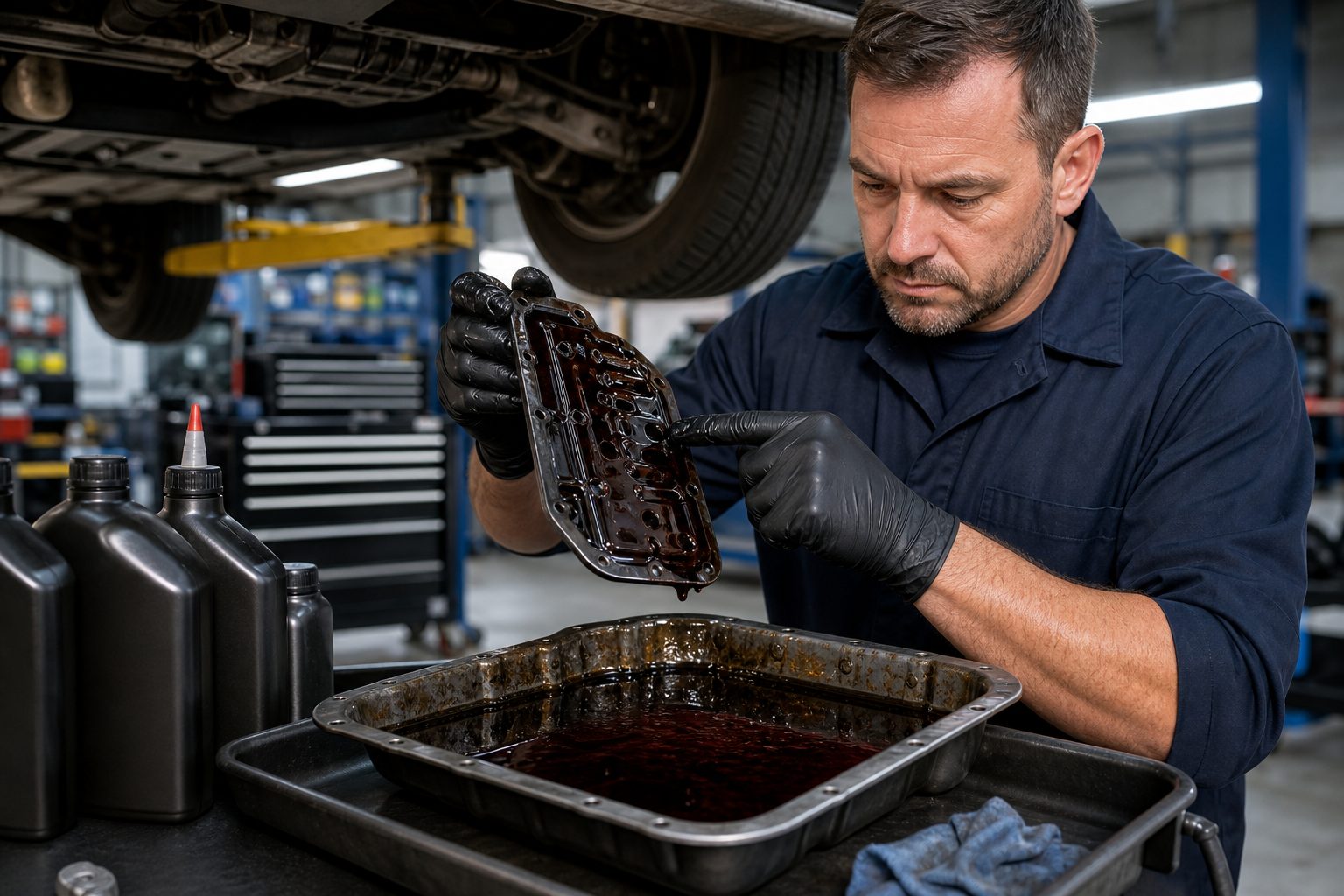
If the fluid is badly burnt or the transmission is already slipping, we will explain why diagnosis comes before selling you a service that may not help.
This offer is for maintenance and early warning signs, not a magic fix for severe slipping or no-move conditions. If the transmission is already acting up, we inspect it first.
That saves money in both directions: no unnecessary upsell when service is enough, and no wasted fluid change when the unit needs a real repair.
A fluid service is best when the transmission still behaves normally and you are trying to prevent trouble, not hide it. We look at mileage, service history, fluid color, smell, leaks, and the exact transmission before putting a vehicle on the schedule.
The offer usually makes sense for vehicles with normal shifting, aging fluid, no heavy slipping, and no pressure or ratio codes. It is also useful before long commuting, towing, or winter driving if service history is missing.
If the vehicle already slips, overheats, bangs into gear, smells burnt, or leaves debris in the pan, we slow down. New fluid will not repair a damaged converter, worn clutch pack, valve-body issue, or pressure loss.
Modern automatics and CVTs are fluid-specific. We do not guess with a universal product when the vehicle needs a manufacturer-spec fluid and a proper fill-level procedure.
Arlington Heights drivers see short errands, Route 53 traffic, I-90 heat, winter cold starts, and salt exposure around cooler lines. Those conditions make a quick leak and fluid check more valuable than a coupon-only service.
Bring the mileage, any service record you have, and a clear description of how the vehicle shifts. If another shop recommended a flush, bring that note too. We will tell you whether maintenance is reasonable or whether diagnosis should come first.
The first question is whether the transmission is still a maintenance candidate. Smooth engagement, normal shift timing, no warning lights, and fluid that is aged but not burnt usually point toward service. Slipping, delayed movement, no reverse, pressure codes, or a burnt smell point toward diagnosis first.
That distinction matters because fluid is cheaper than repair, but wasted fluid is still wasted money. If the unit has internal clutch damage, a converter problem, or valve-body wear, the service may briefly change the feel without solving the reason the fluid got hot or dirty.
We also watch for leaks before and after service. Cooler lines, axle seals, pan gaskets, case connectors, and transfer-case areas can all leave fluid under the vehicle. Around Arlington Heights, corrosion from winter salt makes cooler-line inspection especially important.
For CVTs, the fluid conversation is even stricter. Nissan, Honda, Subaru, Toyota, and other CVT units need the correct specification and fill procedure. A cheap generic fluid can create shudder or pressure behavior that costs far more than the service saved.
If you drive mostly short trips through Arlington Heights, Palatine, Mount Prospect, or Wheeling, the transmission may see repeated heat cycles without long steady cruising. If you commute on I-90 or Route 53, heat and traffic are the bigger concerns. Both patterns are worth mentioning when you schedule.
The point of the $89 offer is to catch maintenance while maintenance still makes sense. If the inspection shows the vehicle needs a different first step, we tell you before approving the wrong service.
We start by treating fluid service as maintenance, not as a promise to fix a failing transmission. That keeps the conversation honest. If the vehicle is shifting cleanly and the fluid is simply due, the $89 service can be a smart preventive step. If the vehicle is already slipping or setting codes, diagnosis protects you from spending money in the wrong order.
The fluid level matters as much as the fluid age. Low fluid can cause delayed engagement, flare, heat, and slipping. Overfilled fluid can foam and behave badly too. Many late-model vehicles do not have a simple dipstick check, so the fill temperature and procedure matter.
We also pay attention to what the driver does with the vehicle. A commuter sitting in I-90 traffic, a family SUV doing short winter trips, a truck that tows, and a sedan used for rideshare can all need different service timing even if the odometer looks similar.
A drain-and-fill is often better than a flush on older or unknown-history vehicles because it lets us service the fluid without forcing a hard exchange through a questionable unit. If a full exchange is appropriate, the vehicle condition should support that choice.
Fluid smell tells a story. A mild aged-fluid smell is one thing. A sharp burnt smell means heat, clutch slip, converter trouble, low fluid, cooler restriction, or another source that needs to be found. Replacing burnt fluid without finding the heat source can lead to the same problem again.
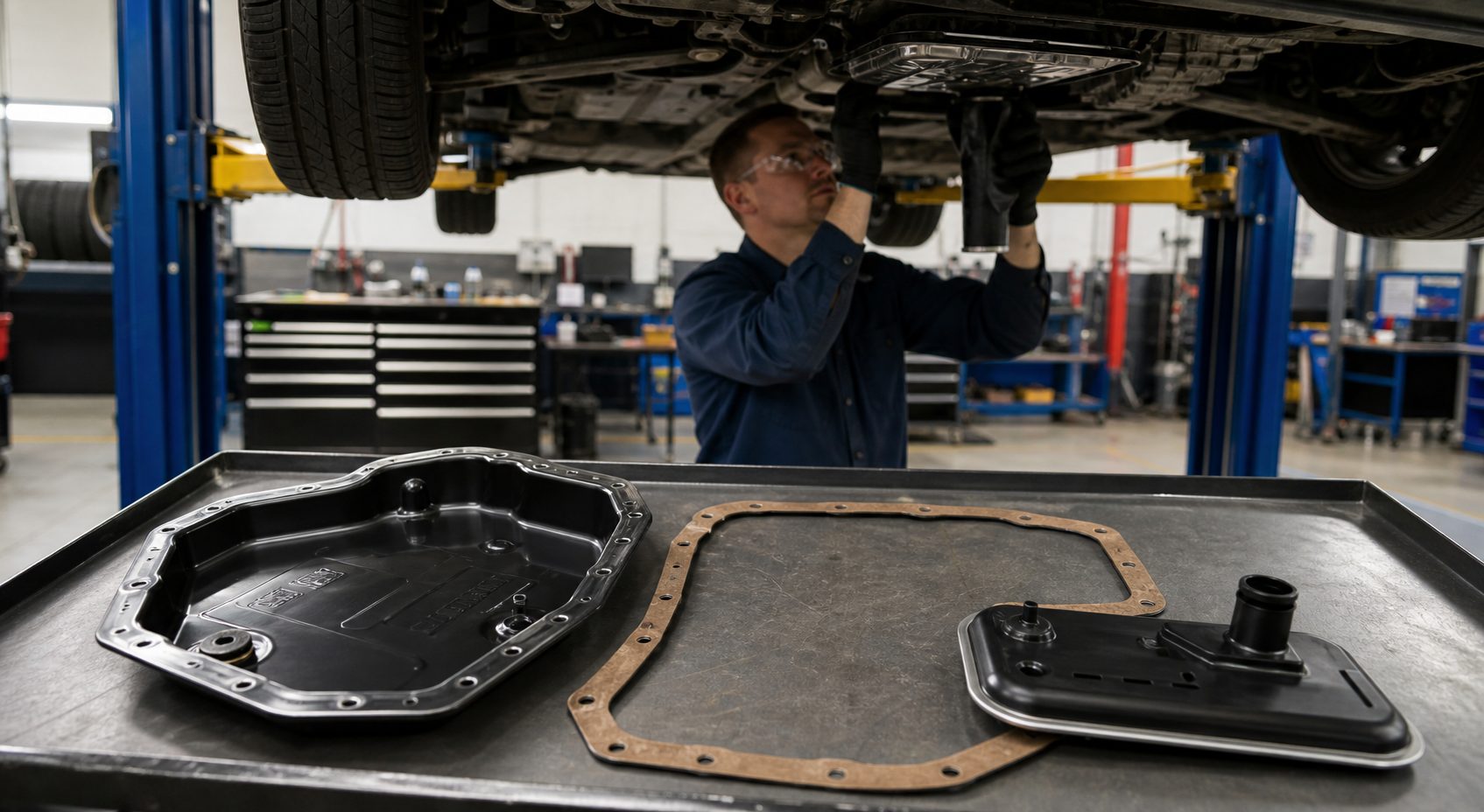
Pan evidence matters when accessible. Fine material, metal, clutch debris, or a plugged filter can change the recommendation. A clean pan supports maintenance. A dirty pan supports diagnosis.
We want the customer to leave understanding whether the service was preventive, whether a leak needs monitoring, and whether any early warning signs were found. That is more useful than a quick coupon job with no explanation.
If you are unsure, text the year, make, model, mileage, fluid history, and what the transmission is doing to 847-393-0191. We will tell you whether to schedule the $89 service or start with the free diagnostic.
We also ask whether the vehicle has ever had the pan removed, filter changed, cooler replaced, or transmission rebuilt. A vehicle with a recent repair history deserves a different inspection than one that has never been opened.
If the fluid was recently changed elsewhere and the problem started afterward, bring the receipt. Wrong fluid, wrong level, a filter issue, or a disturbed connector can create symptoms that look like transmission failure.
For trucks and SUVs, towing and payload matter. Heat from towing through summer traffic or carrying tools every day can shorten fluid life. A maintenance interval that works for a lightly driven sedan may not protect a loaded work vehicle.
For older vehicles, we explain the risk clearly. Servicing old fluid can be helpful, but it should not be sold as a cure for worn parts. If the inspection suggests the transmission is already failing, we would rather diagnose it than sell a service that only changes the color of the fluid.
That is the difference between a maintenance special and a repair recommendation. The $89 offer has value when it is used at the right time, on the right vehicle, with the right fluid.
Sometimes the right answer is not to sell the special that day. If the vehicle arrives with a heavy burnt smell, severe slipping, a no-move condition, or a history of repeated overheating, fluid service may only delay the real repair conversation. In that case, we explain what we found and why diagnosis is the better first step.
We also pause when the vehicle uses a sealed-fill procedure and the correct fluid or filter information is unclear. The wrong specification can create a new shift complaint, especially on CVTs, dual-clutch units, and late-model automatics.
If the vehicle is healthy enough for service, we document what was done and what we noticed. If we see seepage, dark fluid, loose pan hardware, or cooler-line rust, we tell you so you can decide whether to monitor it or repair it before it turns into a breakdown.
The offer is meant to be useful, not automatic. A good maintenance visit should leave you knowing the fluid was correct, the level was handled properly, and the transmission did not show obvious signs that a larger repair was being ignored.
We would rather turn away a coupon service than let a driver think burnt fluid and slipping have been solved by a drain-and-fill. That is a short conversation in the shop, but it can save a long repair bill later.
If the service is approved, we keep the next recommendation practical: watch a damp cooler line, plan a future filter service, repair a leak, or simply come back at the next interval. Not every inspection needs a repair upsell.
For customers comparing a flush elsewhere, we explain the difference plainly. More fluid exchanged is not always better if the transmission is worn, dirty, or sensitive to fill procedure. The best service is the one that matches the condition of the unit.
We also check whether the vehicle has a transmission cooler, auxiliary cooler, or radiator-integrated cooler that could affect fluid temperature. A restriction or leak there can ruin fresh fluid quickly.
If the vehicle has been used for towing, snow driving, delivery, or long idle time, tell us. Those details explain heat and fluid wear better than mileage alone.
If the transmission has never been serviced, we will not shame you for it. We will inspect the condition and give you a practical answer about whether service is still the smart move.
If you are buying a used vehicle, a fluid inspection can also be useful before purchase. Dark fluid, burnt smell, or delayed engagement can change what the vehicle is worth.
The safest maintenance plan is specific to the vehicle, not a calendar reminder copied from another car. That is why the offer starts with inspection and correct fluid confirmation.
If the inspection shows the service is not the right fit, we will say that directly and explain the better next step. Sometimes that means a leak repair, sometimes a scan and road test, and sometimes waiting until the vehicle shows a clearer pattern.
That approach keeps the $89 fluid change from becoming a one-size-fits-all sales item. It stays what it should be: preventive maintenance for vehicles that are still good candidates for preventive maintenance.
Text your vehicle and mileage. We will confirm eligibility, fluid type, and whether service or diagnosis is the smarter first move.