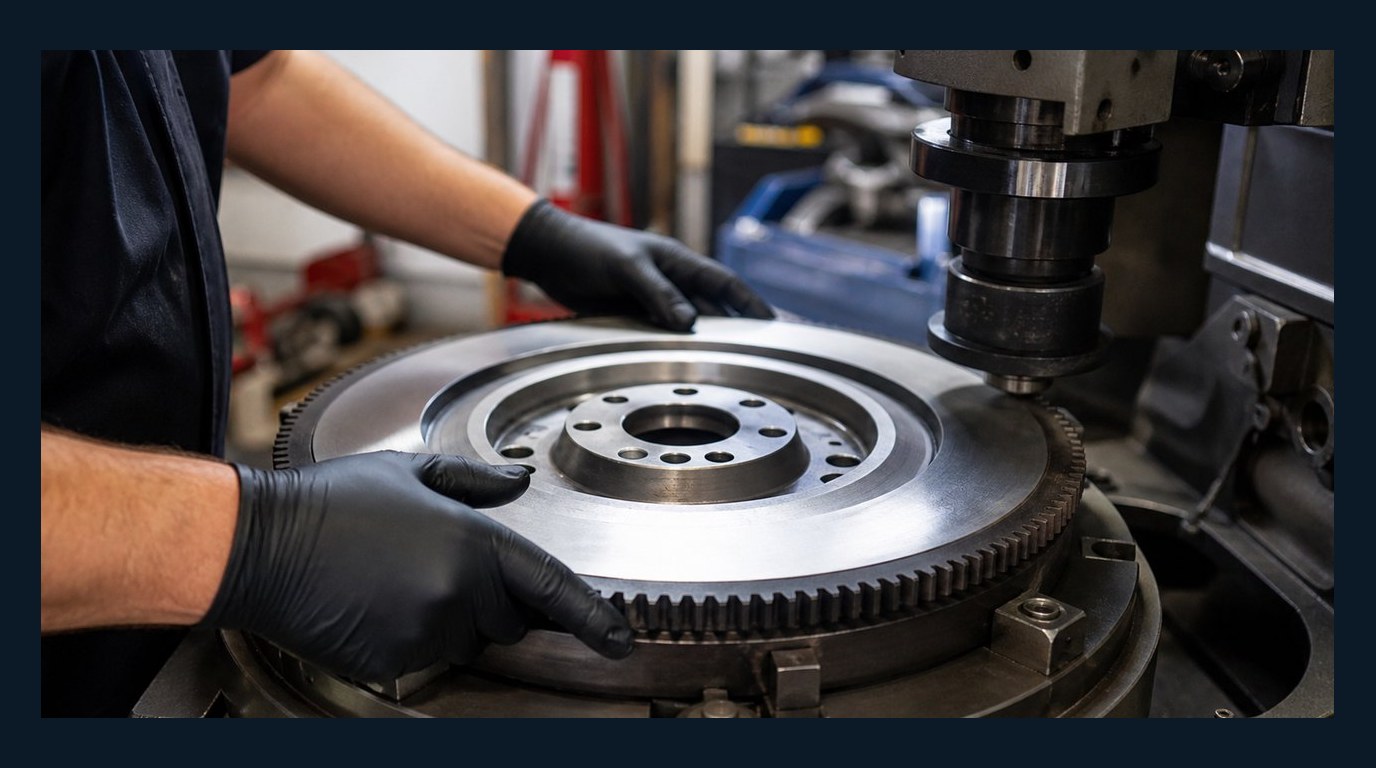
Symptoms
We document when the symptom appears, whether it changes warm versus cold, and whether the complaint sounds like hydraulic, electrical, clutch, converter, fluid, mount, or internal wear.
Manual transmission trouble usually shows up in the clutch pedal, the shift lever, or the sound the gearbox makes under load. We check clutch operation, hydraulics, linkage, fluid, bearings, synchros, and flywheel condition before quoting the repair.
A manual car or truck used around Arlington Heights sees plenty of clutch work - parking lots, Route 53 ramps, I-90 traffic, winter starts, and stop-and-go suburban driving. The inspection has to separate a clutch problem from a gearbox problem.
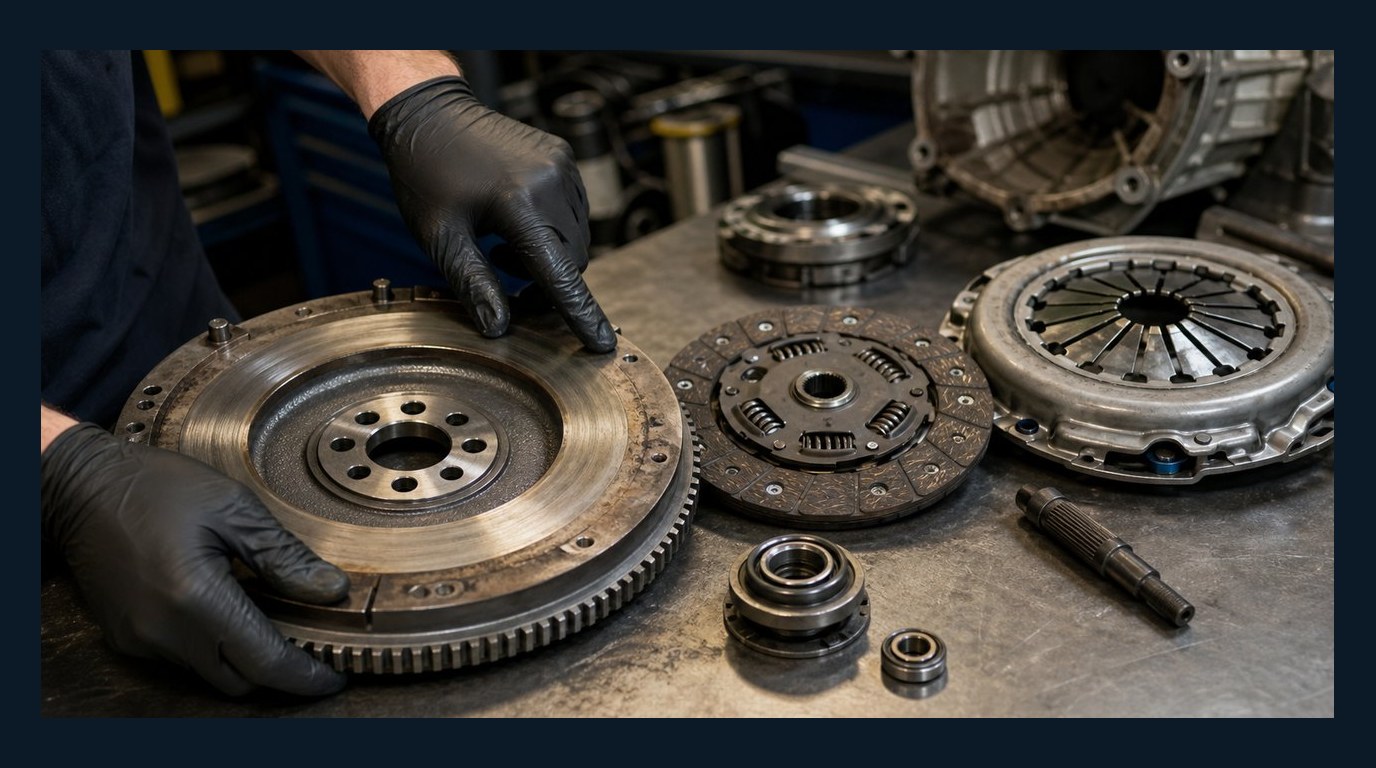
Manual transmission repair needs the clutch system, flywheel surface, hydraulics, shift linkage, mounts, synchronizers, gear wear, fluid condition, and road-test feel checked together before the gearbox is blamed.
Grinding into gear, clutch slip, pedal changes, chatter, hard shifting, pop-out, bearing noise, reverse grind, and fluid leaks can come from different parts of the manual driveline.
The inspection separates clutch, flywheel, master/slave cylinder, linkage, mount, axle, synchronizer, bearing, internal gear, rebuild, used, remanufactured, and replacement paths.
Get Free DiagnosticThese clues need evidence before parts are ordered. Codes, fluid condition, road-test timing, and related-system checks keep the estimate honest.
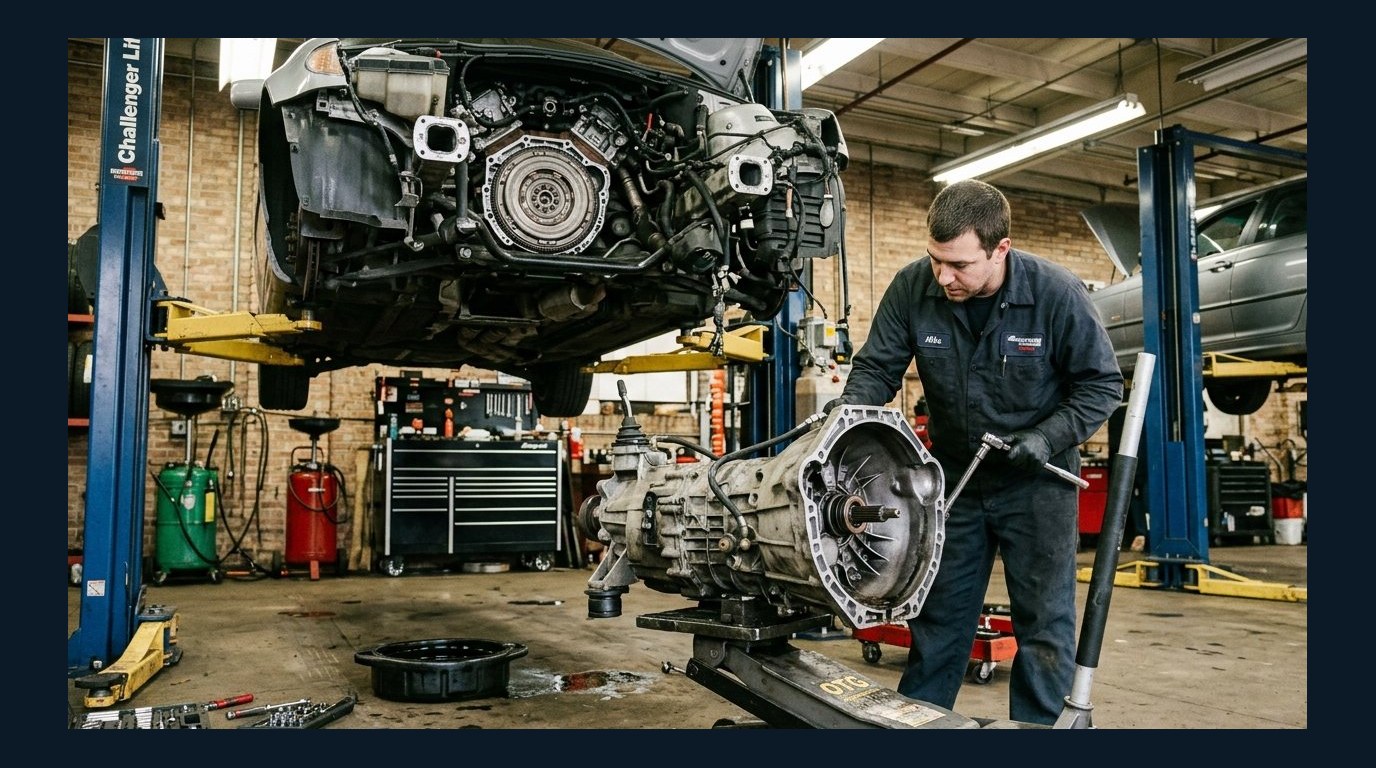
If the evidence points to a related system instead of the transmission itself, we explain that before recommending transmission work.
A useful estimate should explain what failed, what can wait, what protects the vehicle, and how the repair path compares with replacement.
We document when the symptom appears, whether it changes warm versus cold, and whether the complaint sounds like hydraulic, electrical, clutch, converter, fluid, mount, or internal wear.
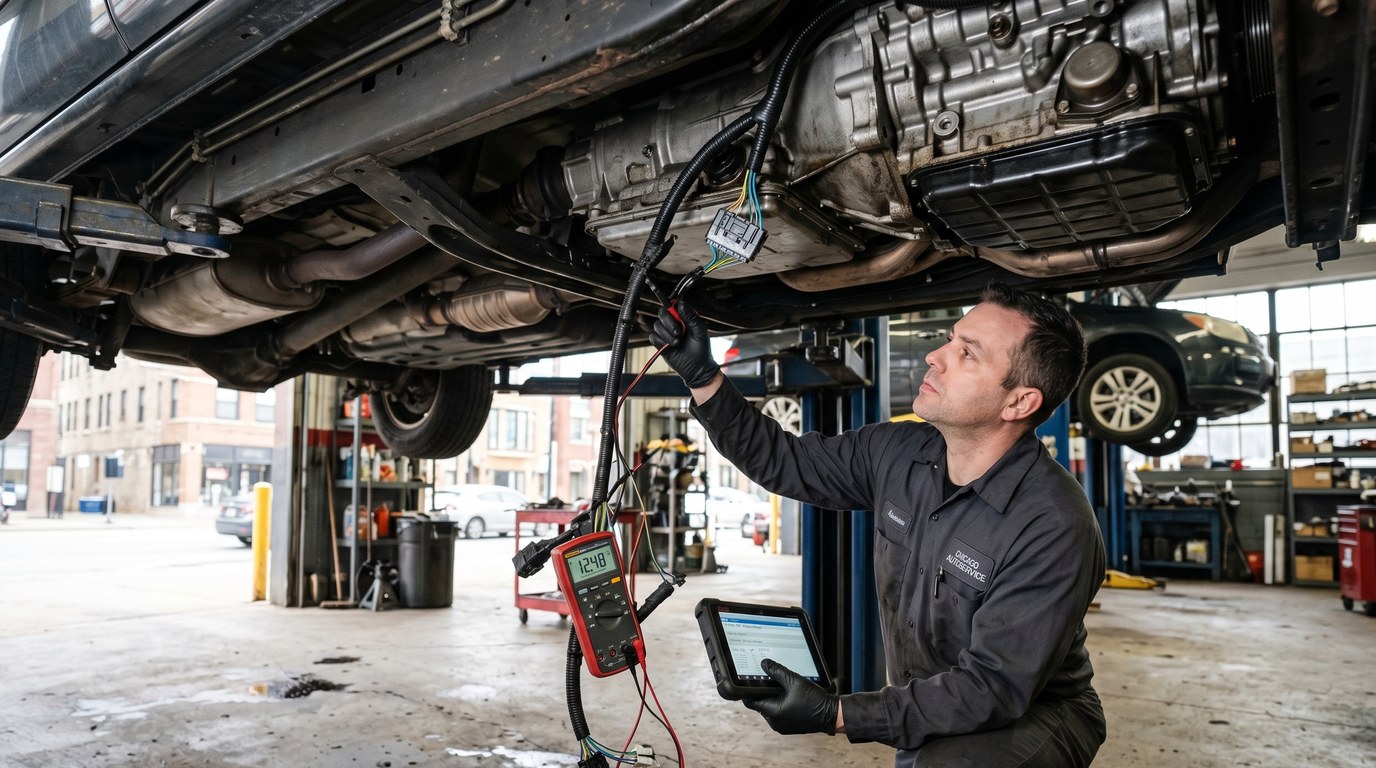
Scan data, fluid evidence, leak checks, road-test notes, service history, and parts availability keep the recommendation grounded.
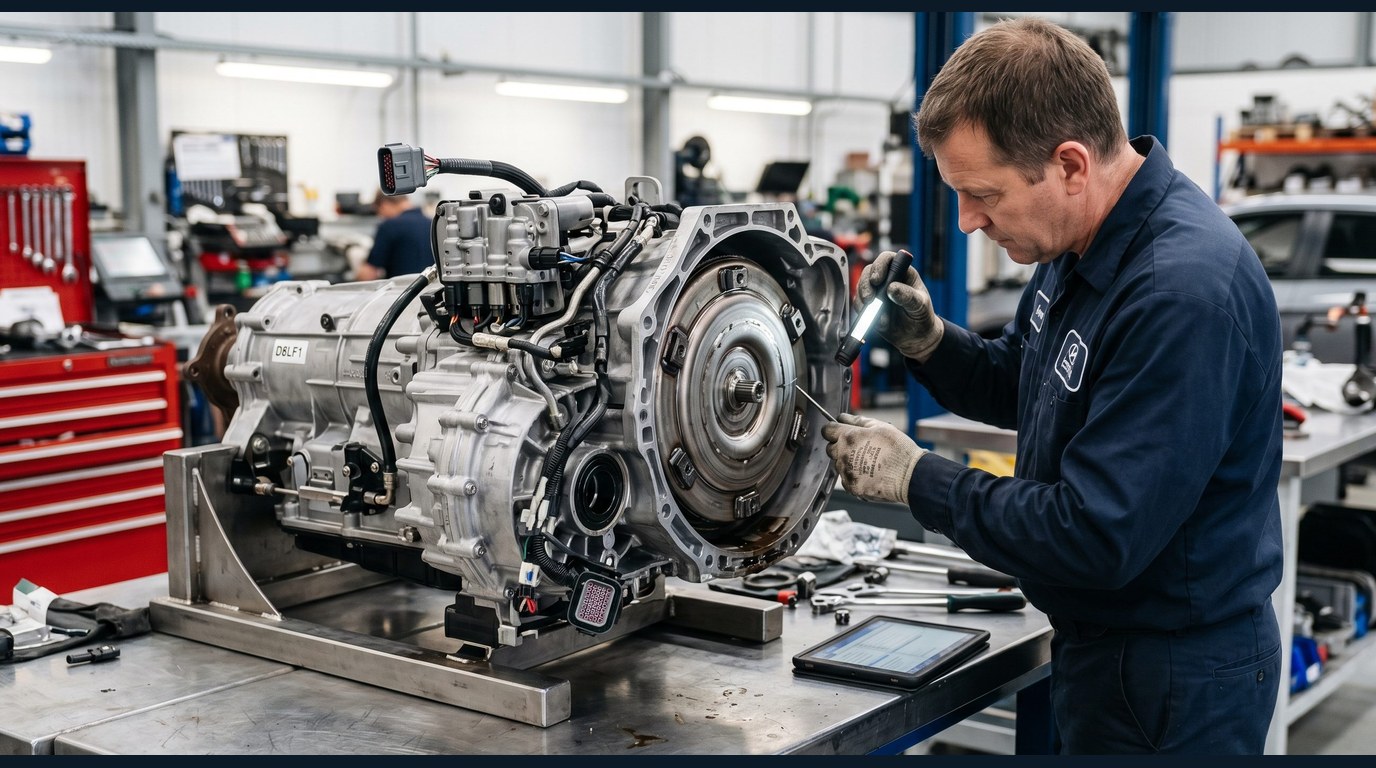
The written estimate separates service, targeted repair, rebuild, used unit, remanufactured unit, and replacement options before money is spent.
Manual repair pricing depends on whether the fault is clutch-side, hydraulic, linkage-related, or internal to the gearbox.
Call or text 847-393-0191 with the year, make, model, mileage, codes, warning text, leak history, and symptoms.