Rear Differential Repair Arlington Heights photos
Rear differential photos should support pinion seal, axle seal, bearing, gear oil, and road-test noise decisions.
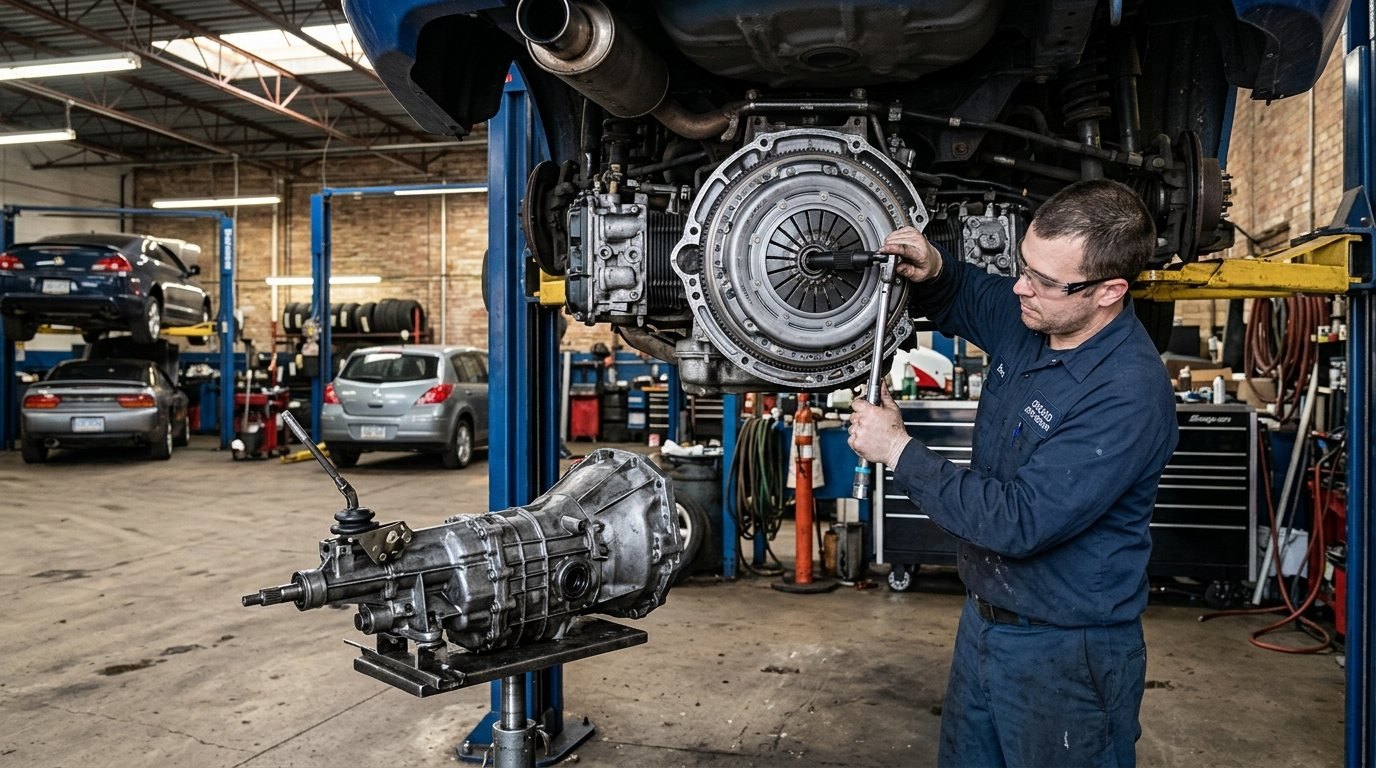
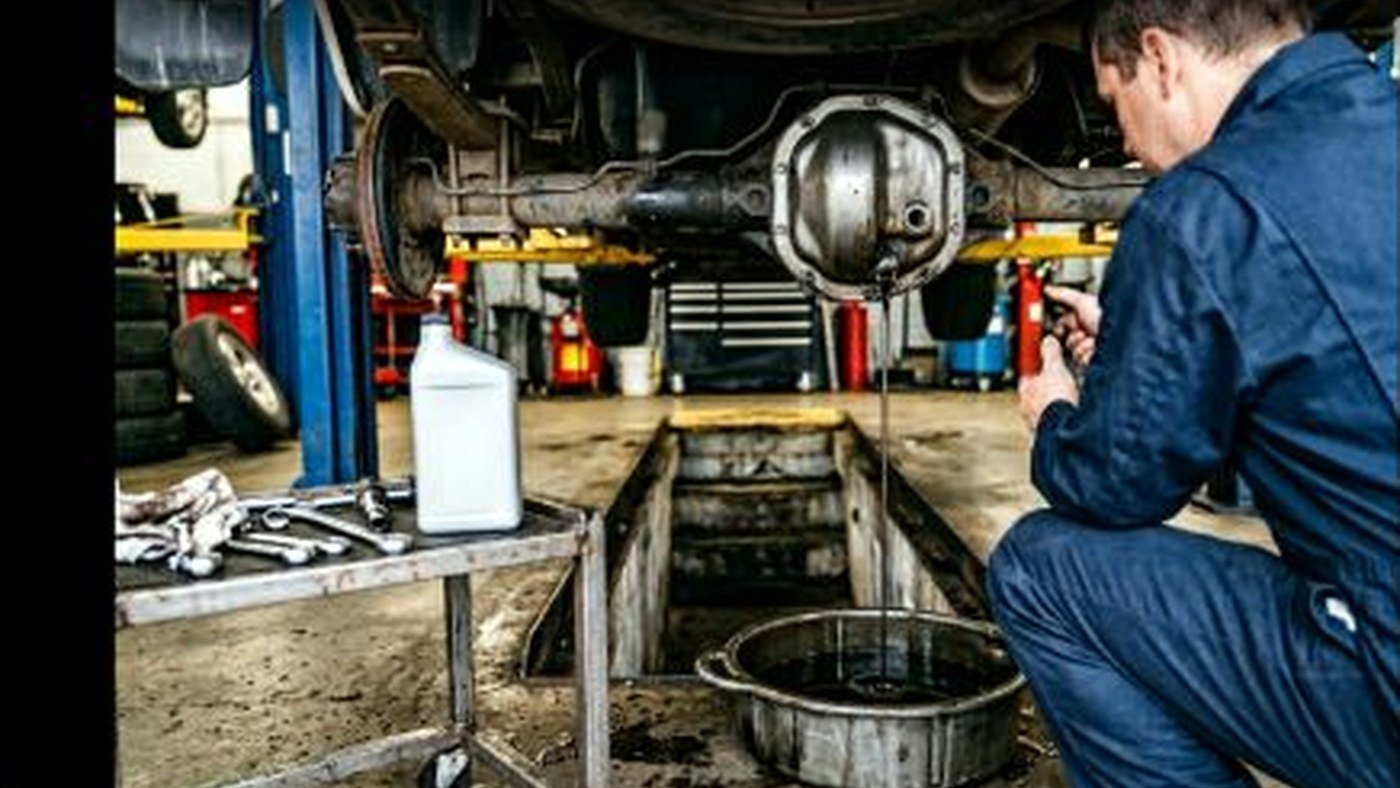
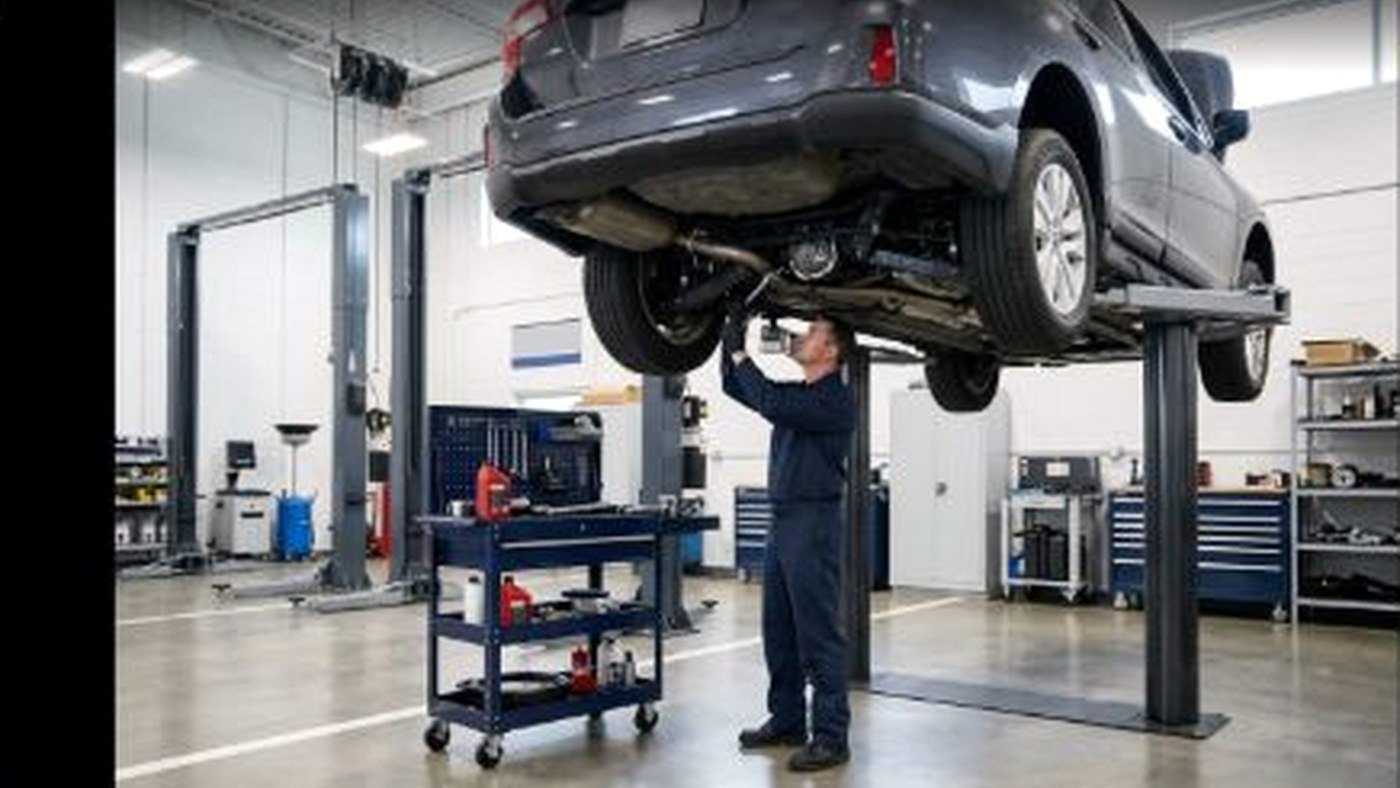
We diagnose rear differential assembly problems for Arlington Heights drivers with a road test, scan data, fluid checks, and a written estimate before repair work starts. Road salt and pothole hits around the NW suburbs can speed up boot, seal, joint, and bearing wear.
Send the vehicle details and we will respond by call, text, or email.
A rear differential complaint usually starts as a whine, growl, clunk, leak, or vibration. The important detail is when it happens: acceleration, coast, steady highway speed, turns, towing, or only after the axle warms up.
We inspect gear oil level, smell, metal on the magnet, pinion seal wetness, axle seals, cover gasket, vent condition, U-joints, driveshaft angle, wheel bearings, and tire noise before calling the rear differential bad.
A pinion whine on throttle points in a different direction than a wheel bearing growl that changes during lane changes. A clunk into gear can be backlash, mounts, U-joints, slip yoke, or differential wear. The road test separates those patterns.
Arlington Heights trucks and SUVs see winter salt, potholes, towing, and expressway use. A small seep at the pinion seal can become low gear oil, heat, and bearing damage if it is ignored.
If the oil is low but the differential is still quiet, reseal and service may be enough. If bearings are noisy, the repair may involve bearing setup. If ring-and-pinion pattern is damaged, rebuild or replacement becomes the conversation.
The estimate should say whether the problem is seal, bearing, gearset, housing, axle bearing, driveshaft, or another related component. That protects you from paying for a rear differential when the actual noise is somewhere else.
Bring the vehicle mileage, towing history, whether the noise changes on throttle or coast, and any previous axle work. Those details help us narrow the inspection before the cover comes off.
Do not keep driving if the axle is howling loudly, leaking heavily, binding, or leaving metal in the oil. Gear oil is thick, but it cannot protect bearings or gears once the level drops or the parts are already damaged.
If another shop has quoted an axle assembly, bring the estimate. We can explain whether the existing differential can be serviced, resealed, rebuilt, or whether replacement is the cleaner option.
Call or text with the symptom and speed range. We will help decide whether to drive in, tow in, or schedule a diagnostic.
Call, text, or send the form. We will start with the complaint, inspect the rear differential assembly, and explain the practical repair path. Free diagnostic, written estimate, no obligation.
Rear Differential Repair Arlington Heights photos
Rear differential photos should support pinion seal, axle seal, bearing, gear oil, and road-test noise decisions.