Symptoms
Grinding, squealing, shaking, pulling, a soft pedal, or a brake light each points to a different part of the system.
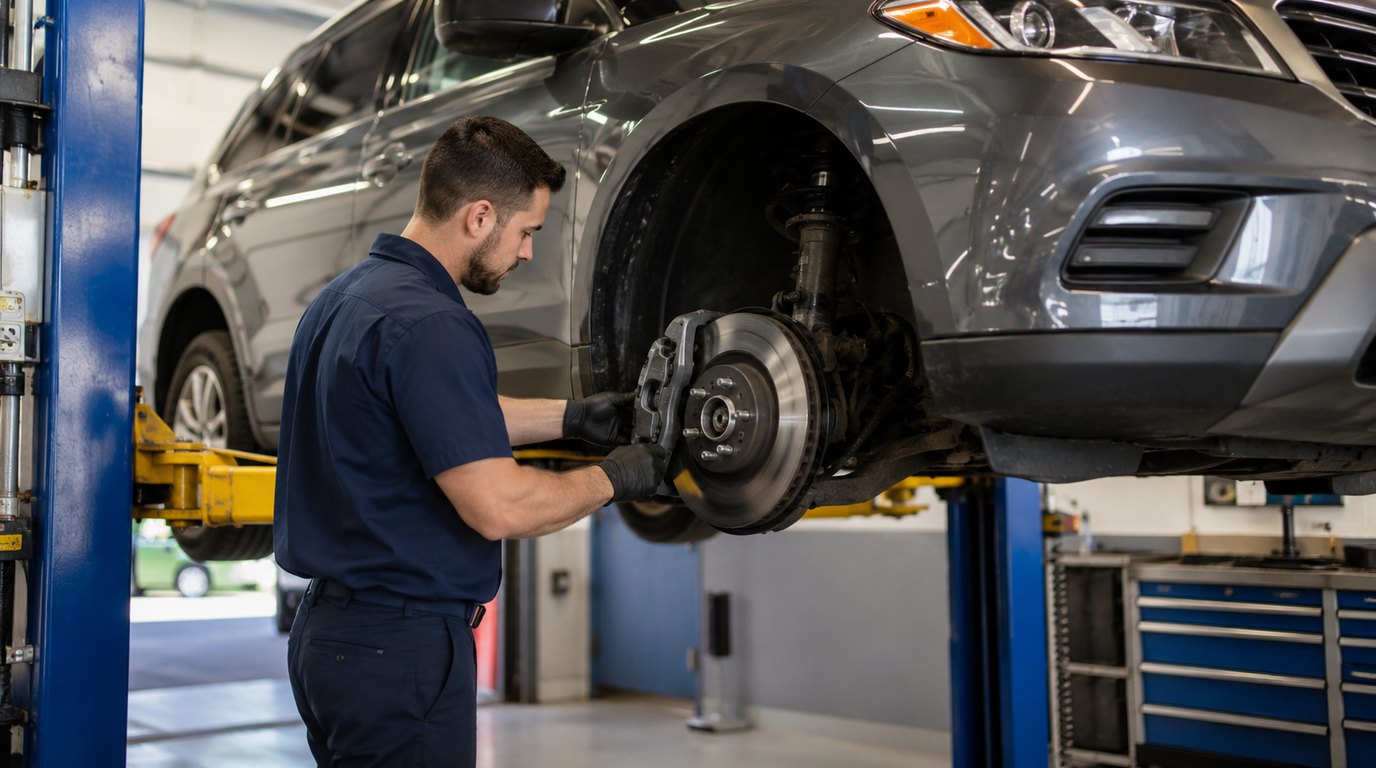
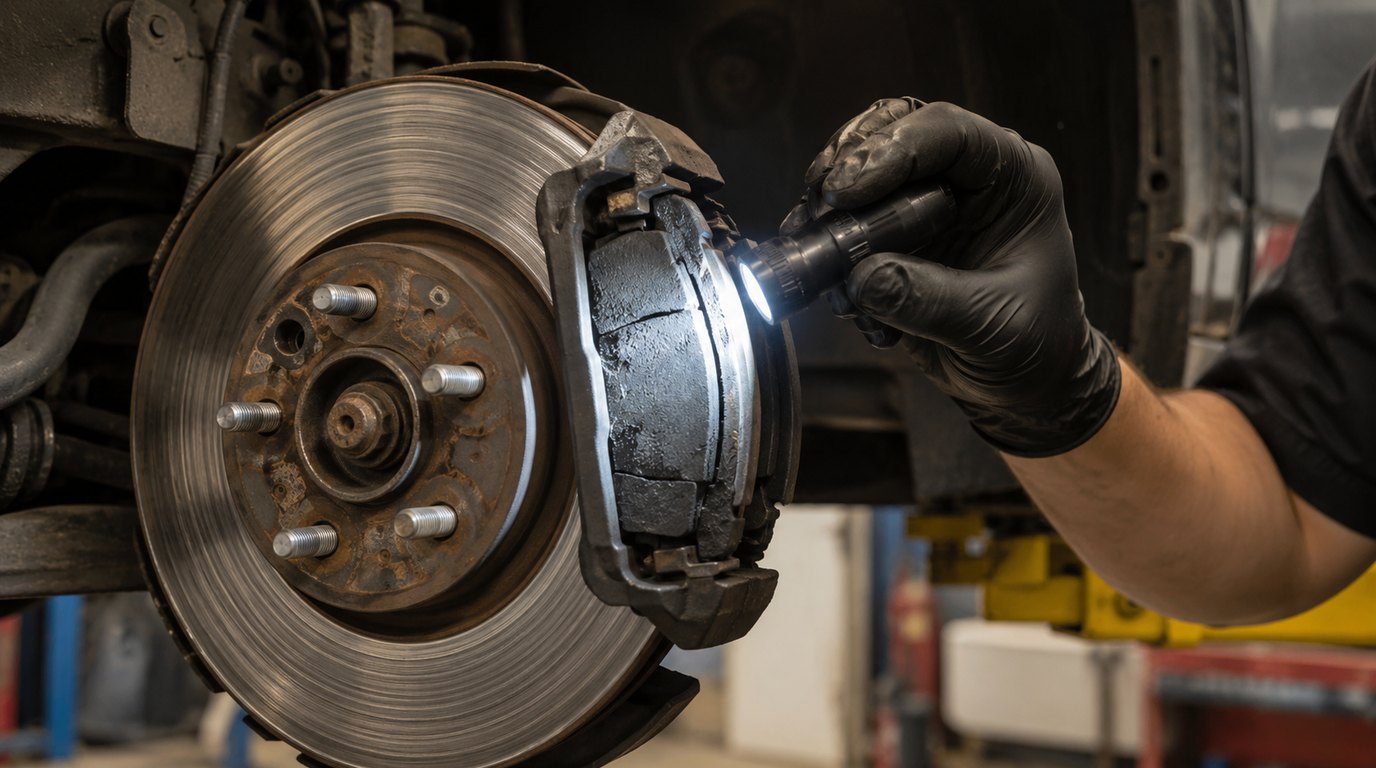
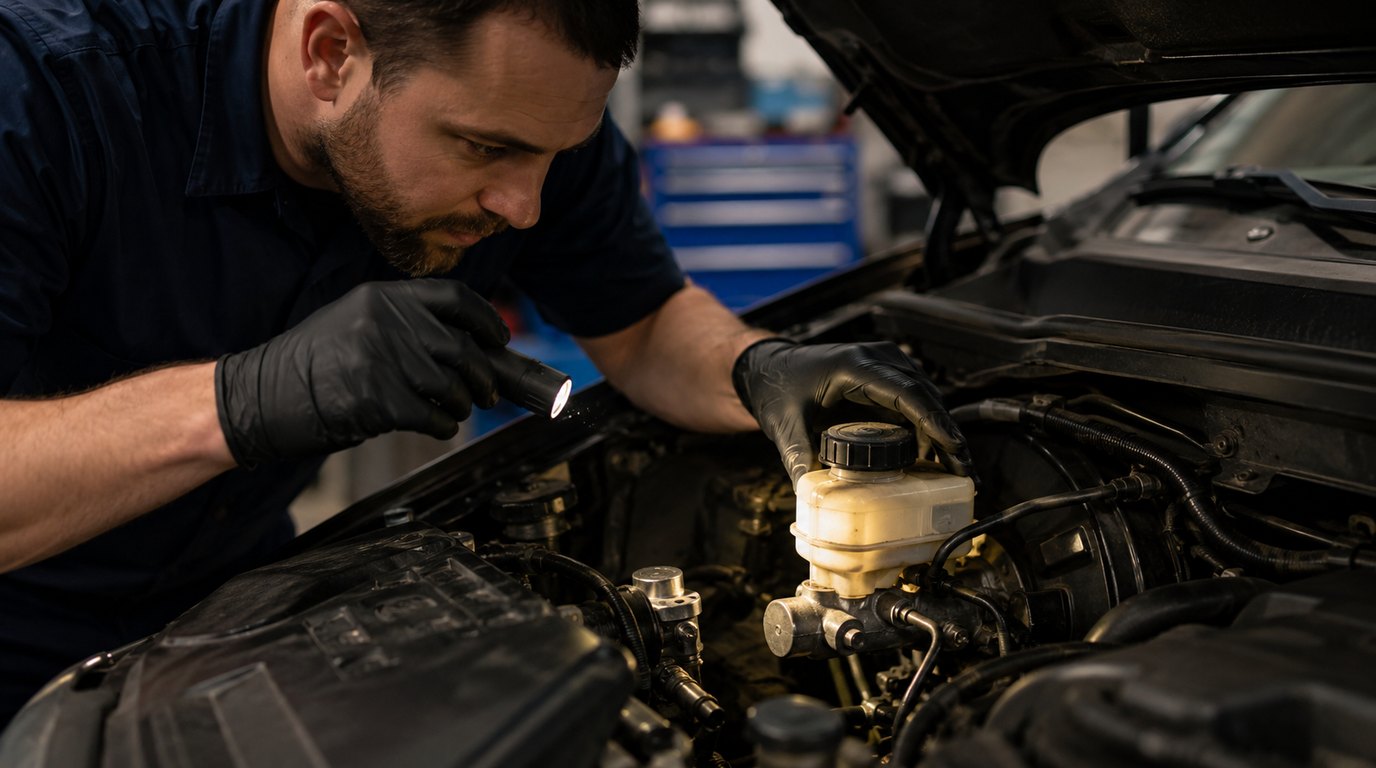
Brake repair starts with stopping feel: grinding, squealing, pulsation, pulling, soft pedal, warning lights, or a longer stop than usual. We inspect pads, rotors, calipers, hoses, fluid, and corrosion before quoting parts.
Winter salt around Arlington Heights is hard on brake lines, slide pins, rotors, and parking-brake hardware. Add Route 53 traffic and I-90 speed changes, and brake issues can show up fast.
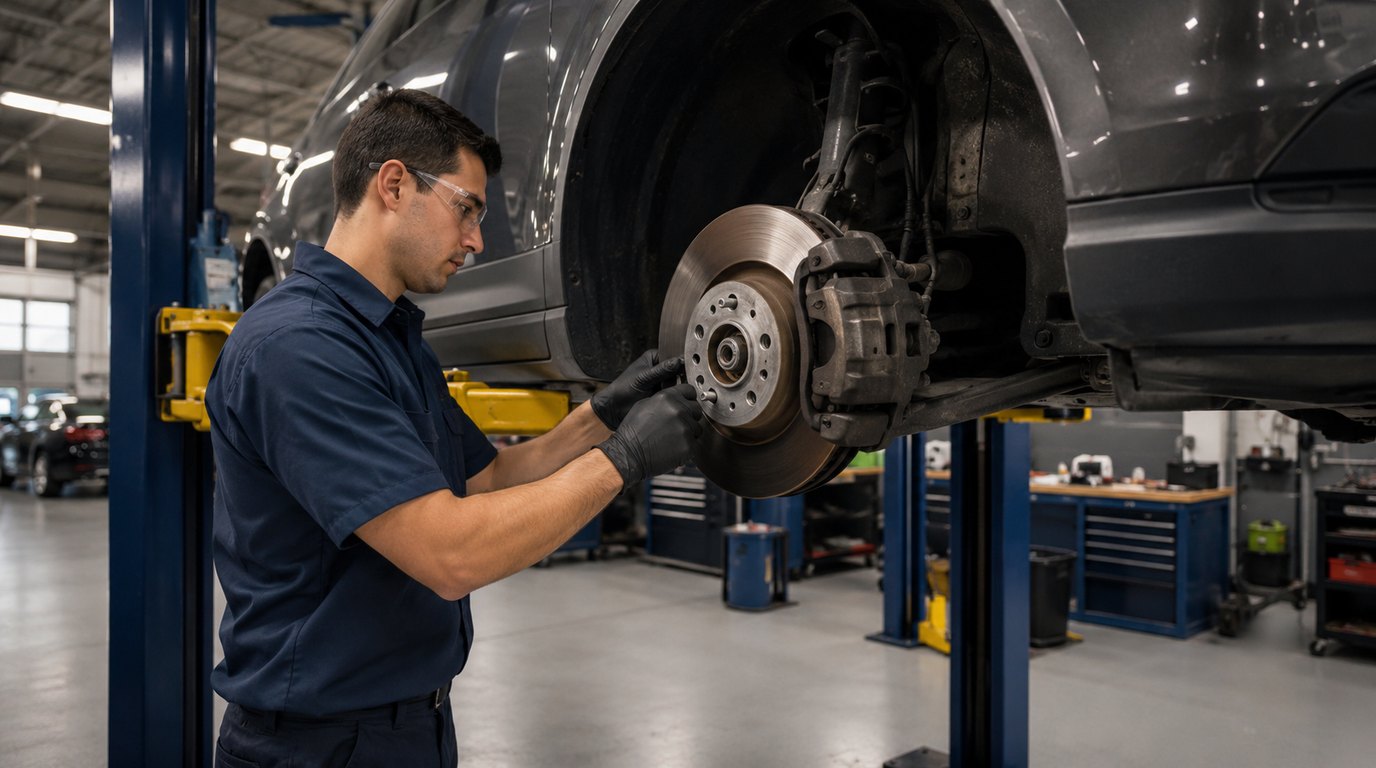
Brake repair makes sense when pads are thin, rotors are warped or scored, calipers stick, the pedal feels soft, fluid leaks, or the vehicle shakes or pulls during stops.
If you are driving from Palatine, Schaumburg, Hoffman Estates, Rolling Meadows, Mount Prospect, Wheeling, or Buffalo Grove, call 847-393-0191 before driving with grinding brakes or a sinking pedal.
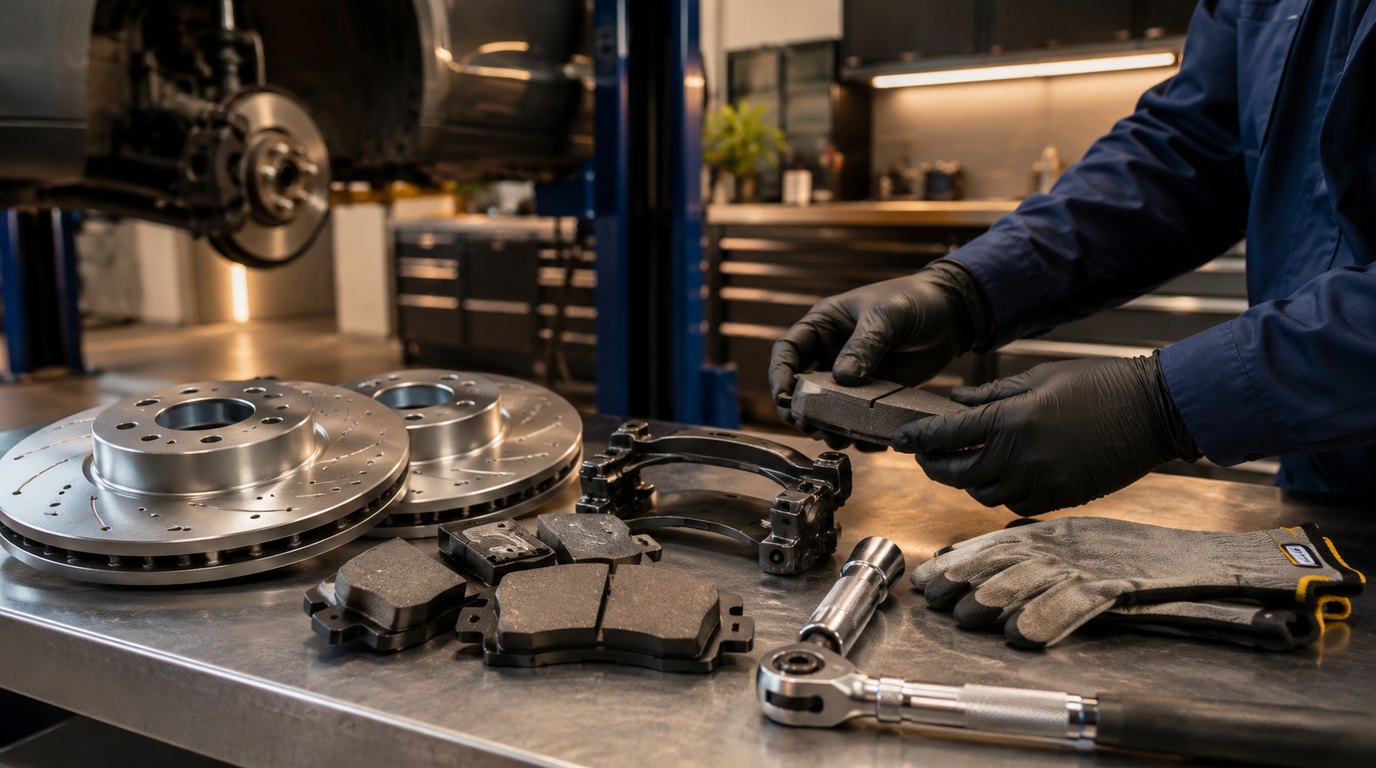
We check the full braking system rather than selling pads alone. Rotors, hardware, calipers, hoses, fluid, and corrosion all affect whether the repair holds up.
Get Free Diagnostic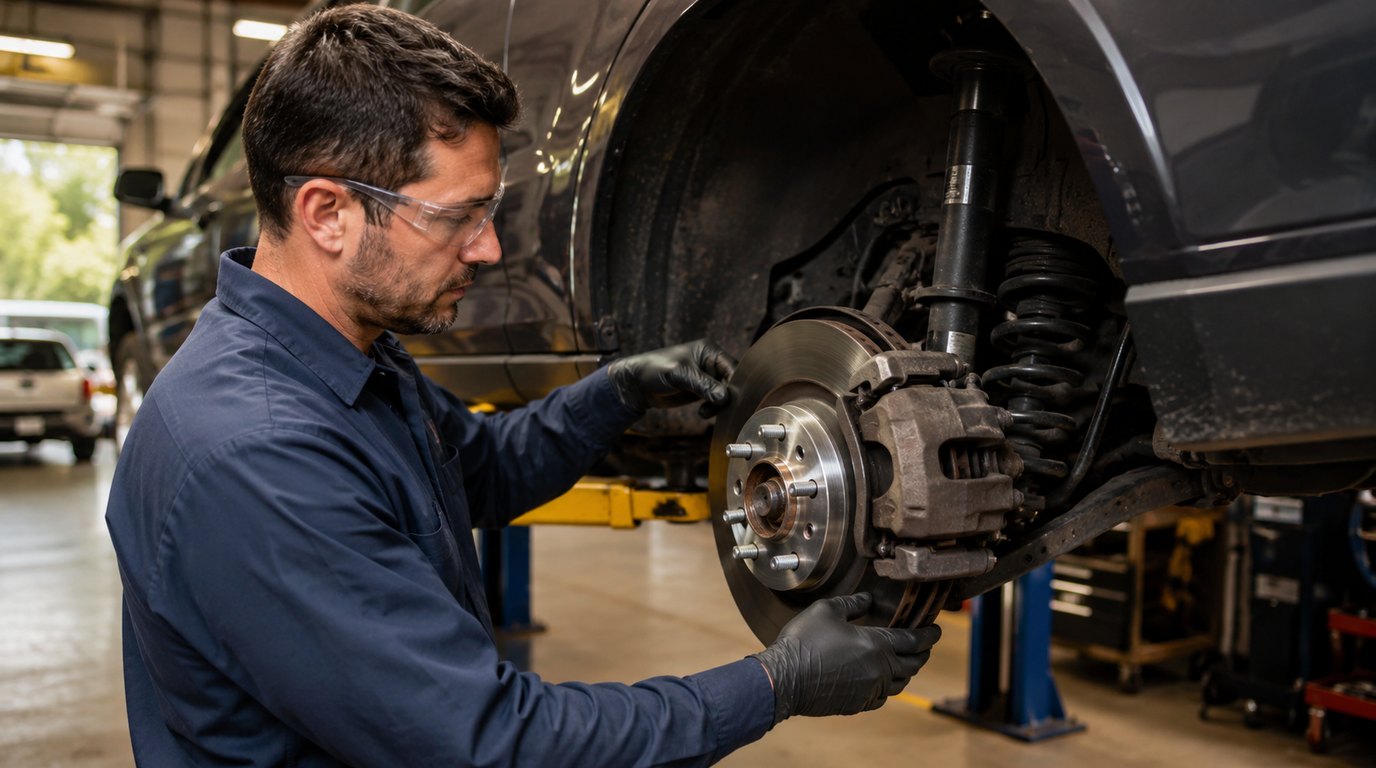
We inspect pad thickness, rotor condition, caliper movement, brake hoses, lines, fluid level, warning lights, ABS-related clues, and road-test feel when it is safe to drive.
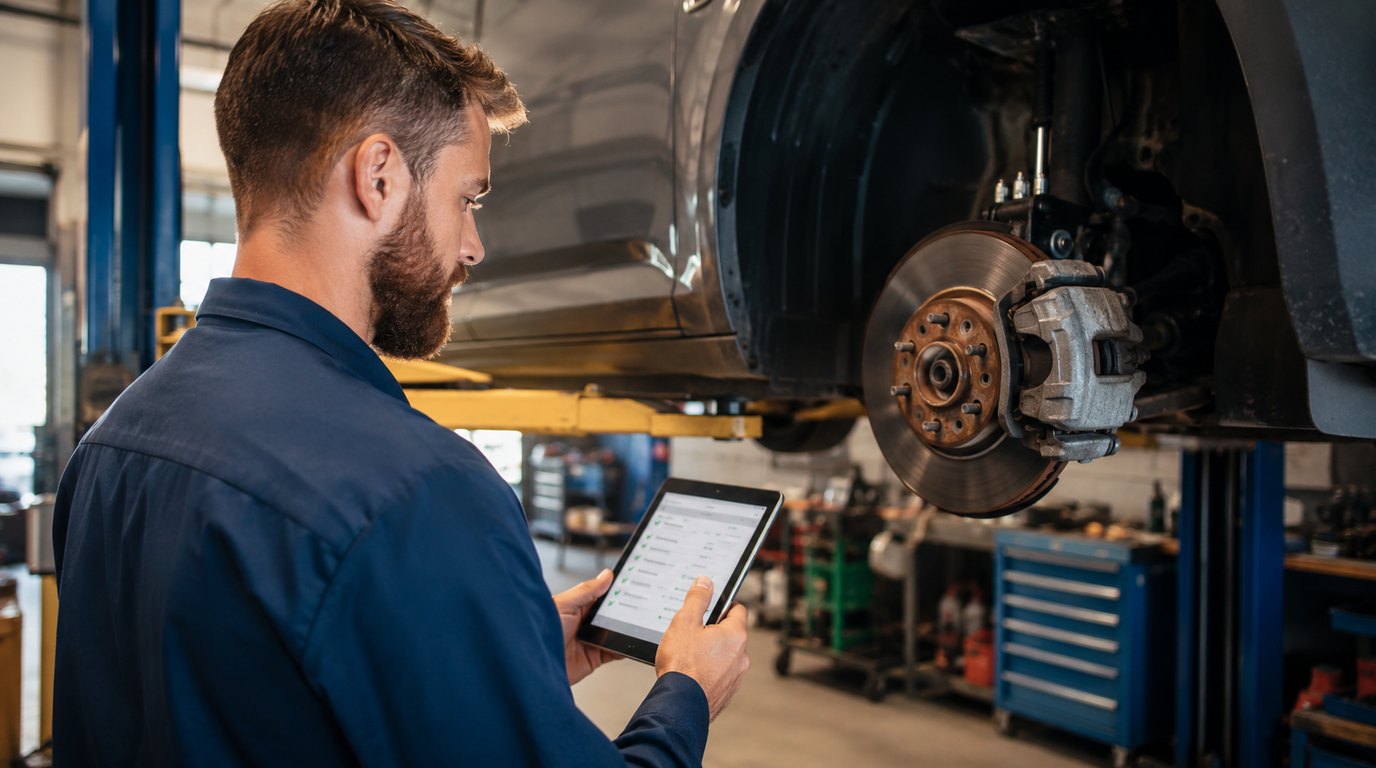
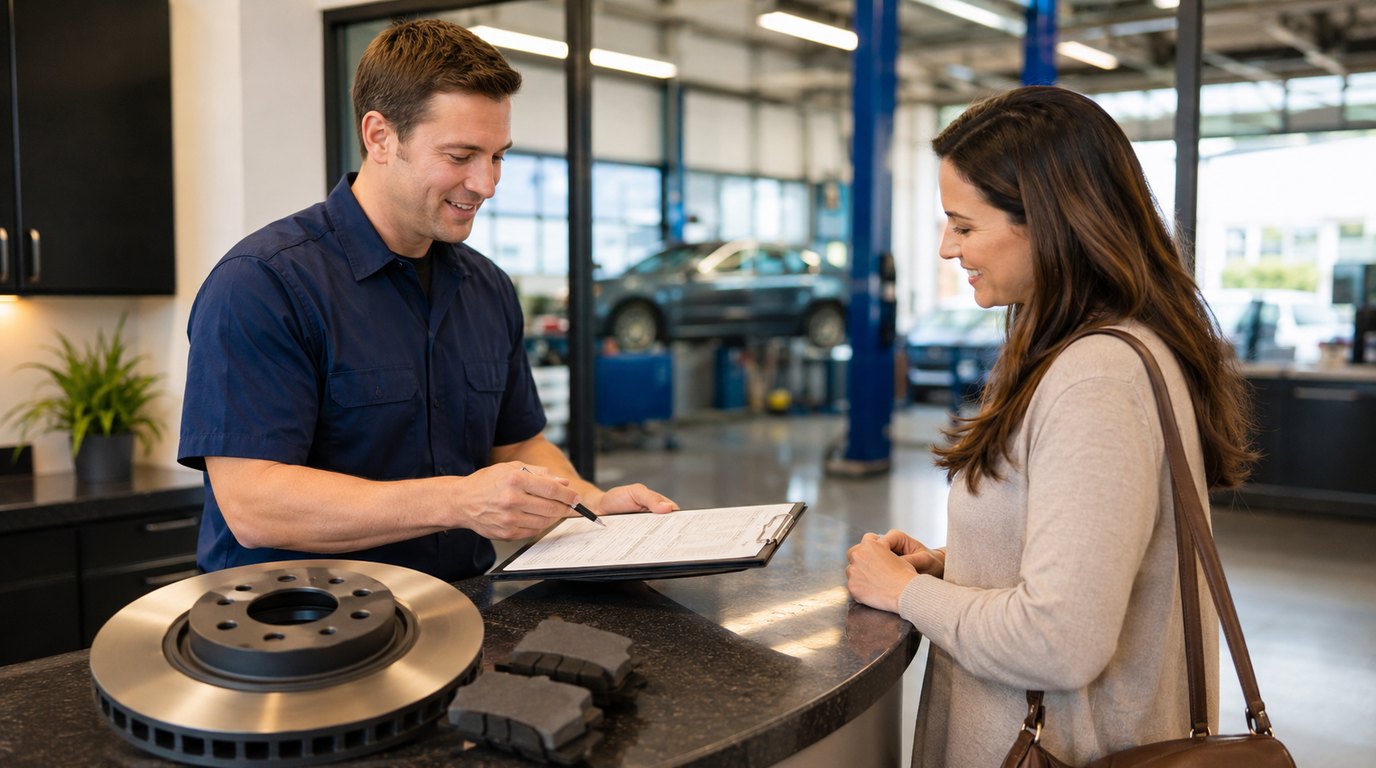
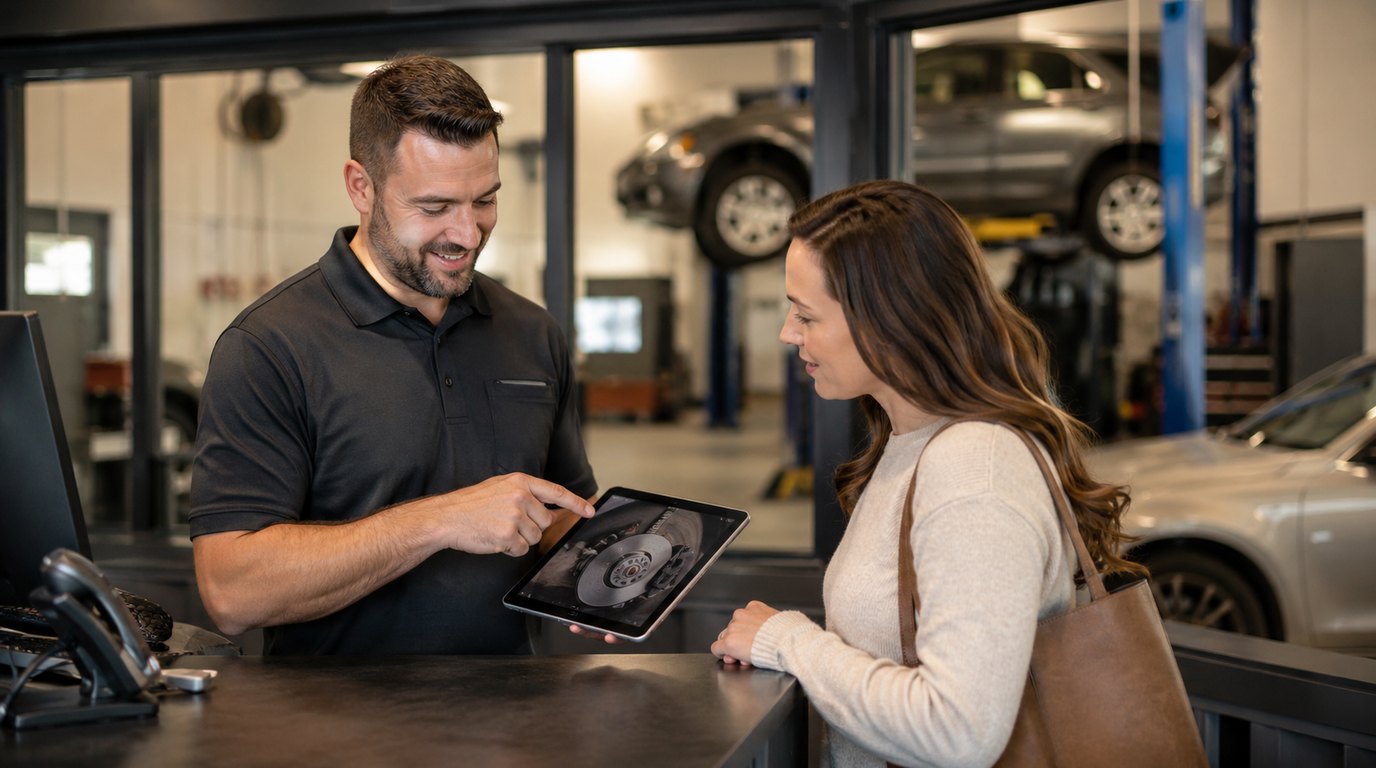
A brake estimate should be easy to understand: what is worn, what is unsafe, what can wait, and what needs to be handled now.
Brake pricing depends on pad and rotor condition, caliper operation, hose or line condition, ABS concerns, and whether corrosion has made the job more involved.
Grinding, squealing, shaking, pulling, a soft pedal, or a brake light each points to a different part of the system.
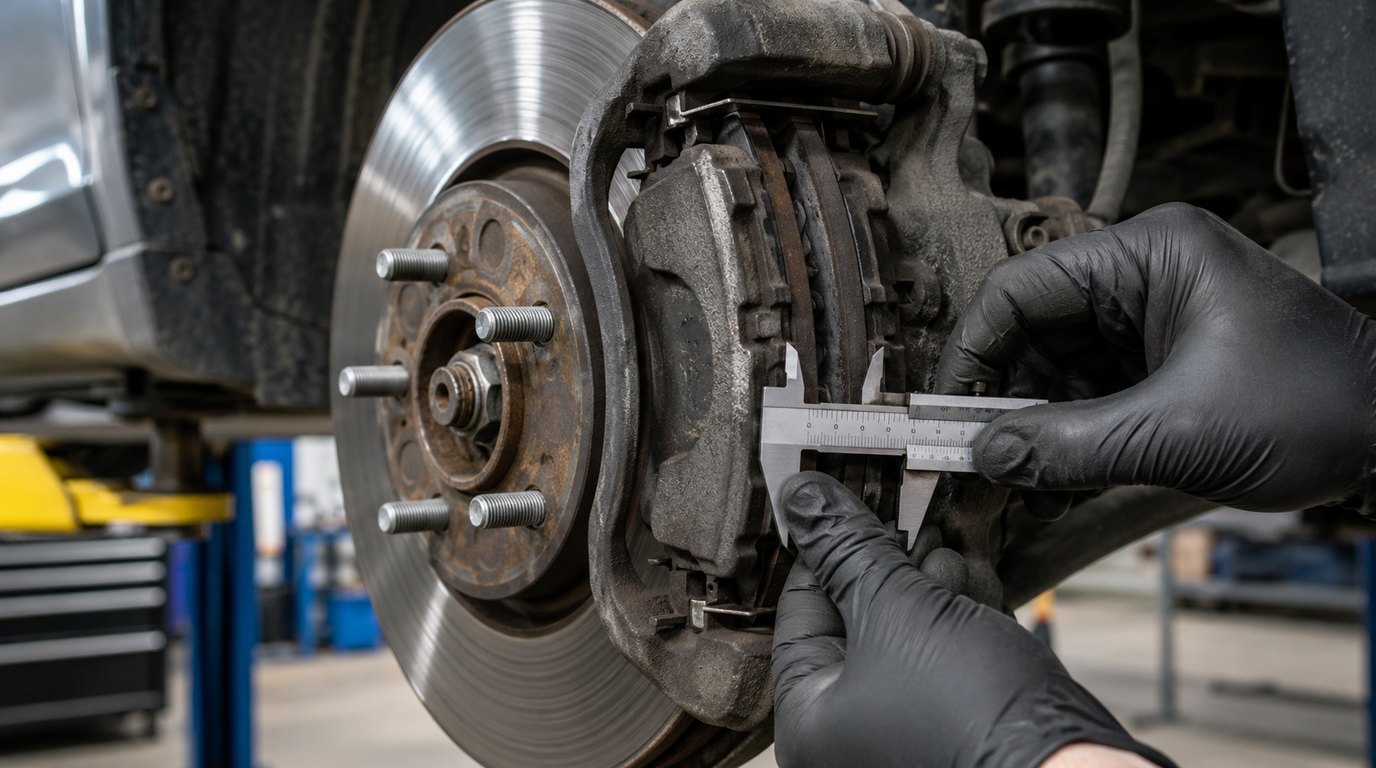
We check pads, rotors, calipers, hardware, hoses, brake lines, fluid, and pedal feel before pricing the work.
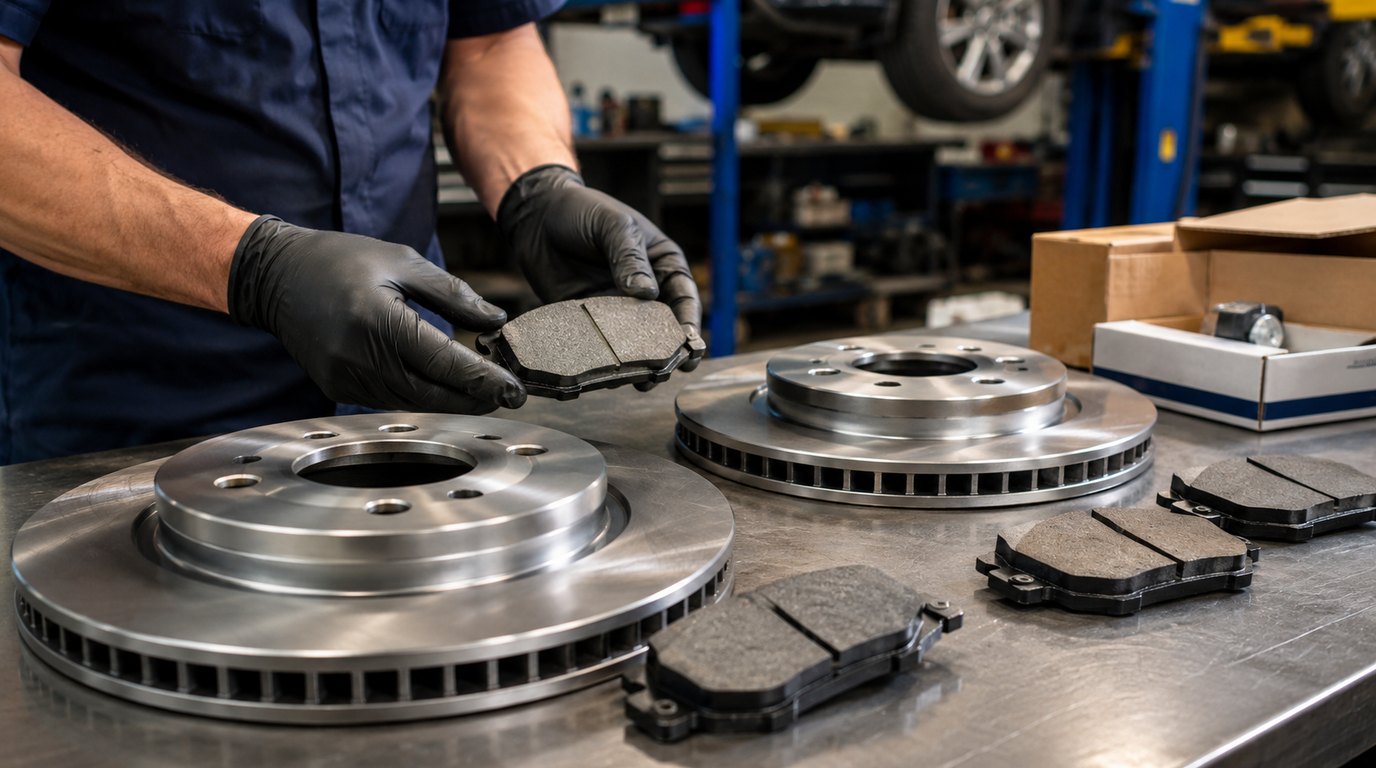
If pads and rotors solve it, we keep it simple. If calipers, hoses, lines, or ABS issues are involved, we explain that before work starts.
Call 847-393-0191 with the vehicle, mileage, brake warning lights, and what you feel when stopping. Bring any quote you already received.
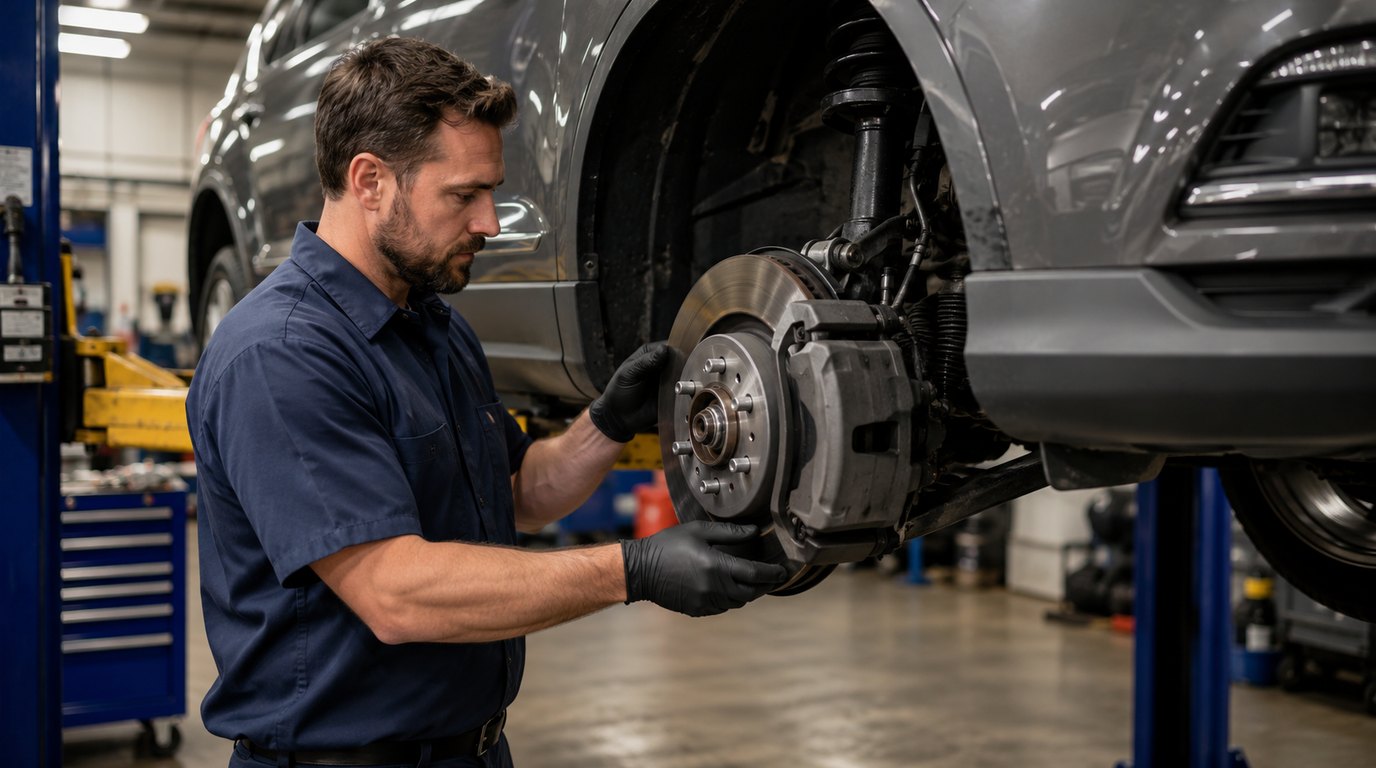
Call 847-393-0191 with the vehicle details and what you are noticing around pad wear, rotor condition, hydraulic feel, or winter road corrosion. We will inspect it, explain the written estimate, and review warranty terms before work starts.
Brake Repair Arlington Heights photos