Symptoms
Whining, howling, rumbling, clunking, or vibration each points to a different part of the differential or driveline. We listen for when it happens and how it changes with load.
Differential problems usually announce themselves with a whine, growl, vibration, axle seal leak, or clunk under load. We inspect the gear oil, bearings, seals, backlash, and driveline before deciding whether the fix is a service, seal, bearing job, or rebuild.
Northwest suburban driving is tough on differentials: winter salt attacks seals, stop-and-go traffic heats gear oil, and Route 53 or I-90 cruising makes worn bearings loud enough to notice. The sound tells us where to start.
Call when you hear a steady gear whine, a growl that gets louder with speed, a clunk on takeoff, vibration through the floor, or fluid around the axle tubes, pinion seal, or differential cover.
Drivers coming from Palatine, Schaumburg, Hoffman Estates, Rolling Meadows, Mount Prospect, Wheeling, or Buffalo Grove should not ignore a loud rear-end or front-differential noise. Low gear oil can turn a seal repair into a ring-and-pinion job.
We work on front, rear, and AWD differentials. The goal is to find out whether the issue is fluid, seals, bearings, axle hardware, driveshaft joints, or internal gear wear before the estimate is written.
Get Free Diagnostic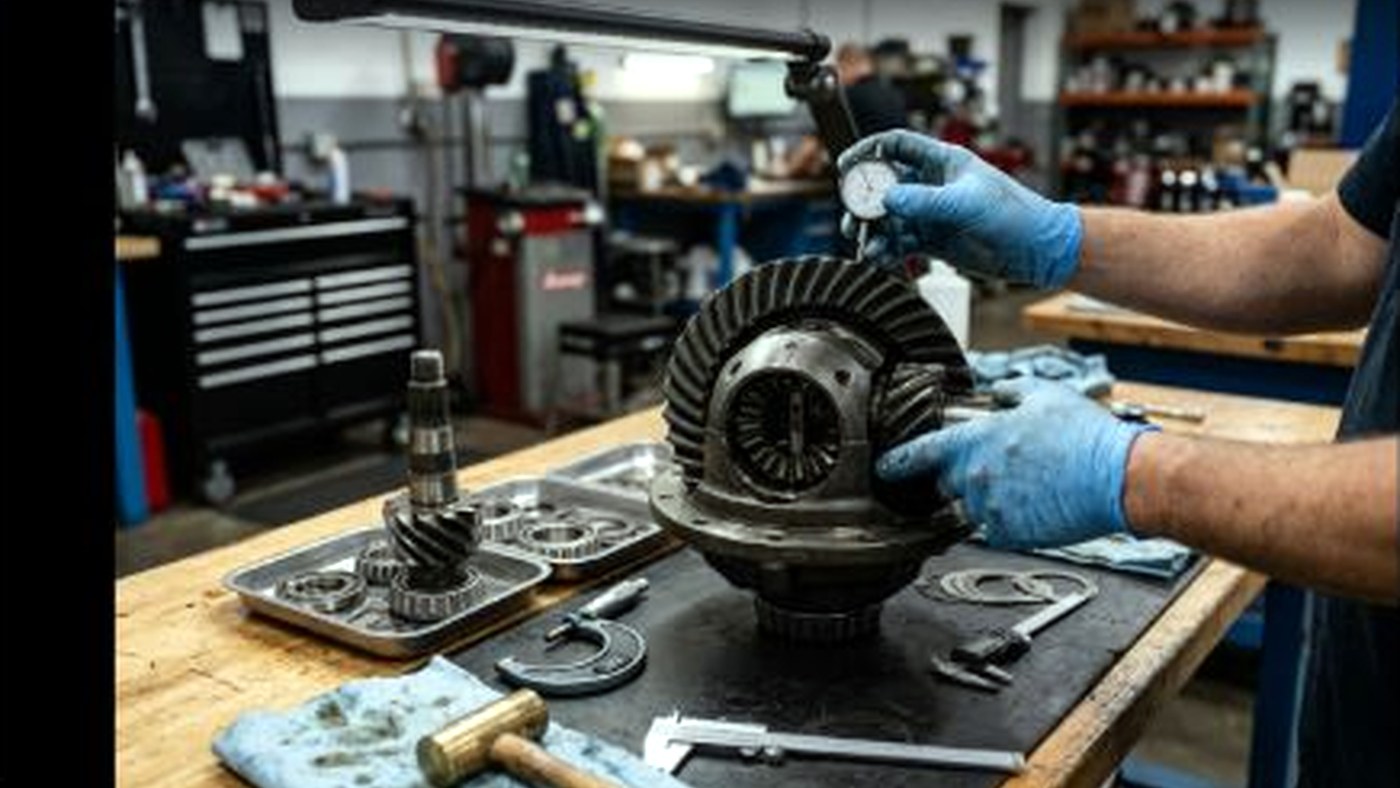
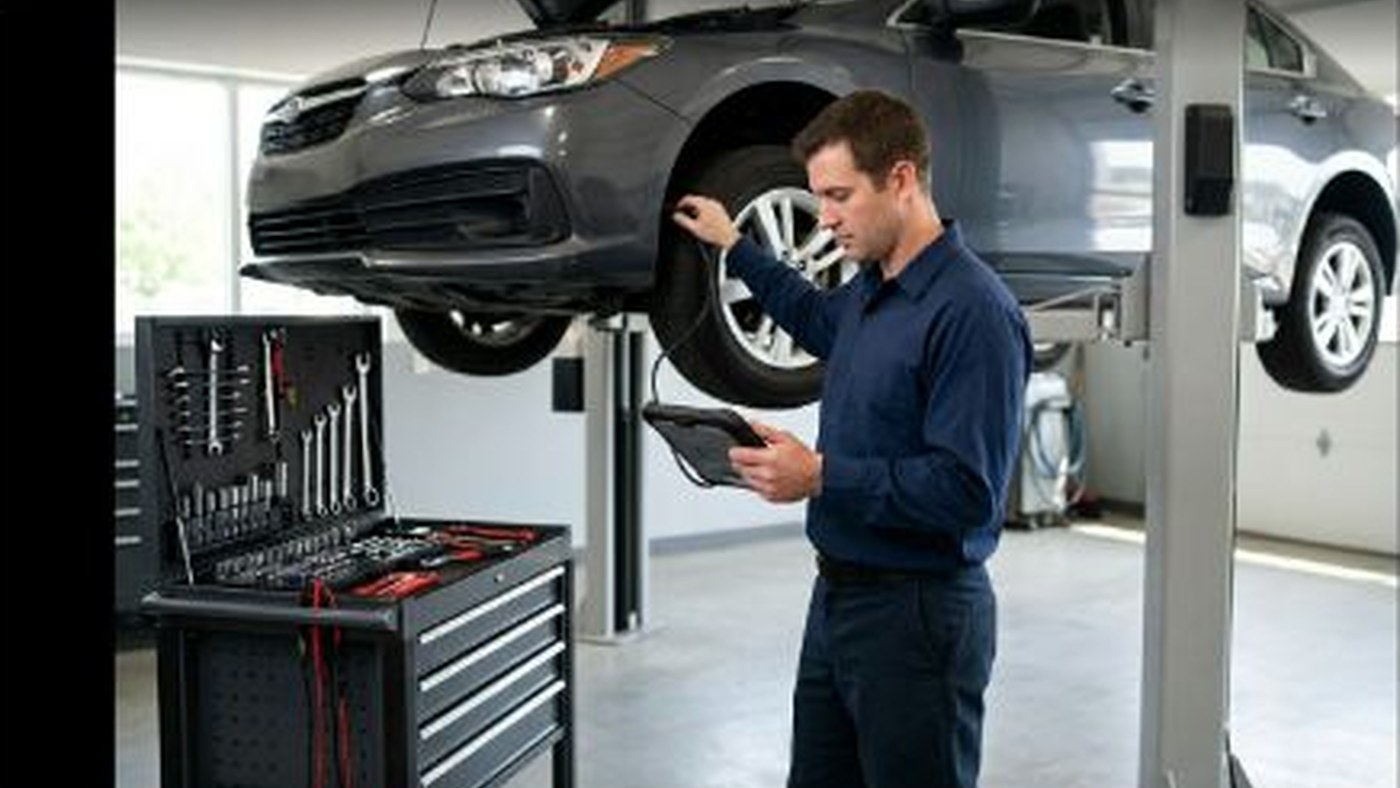
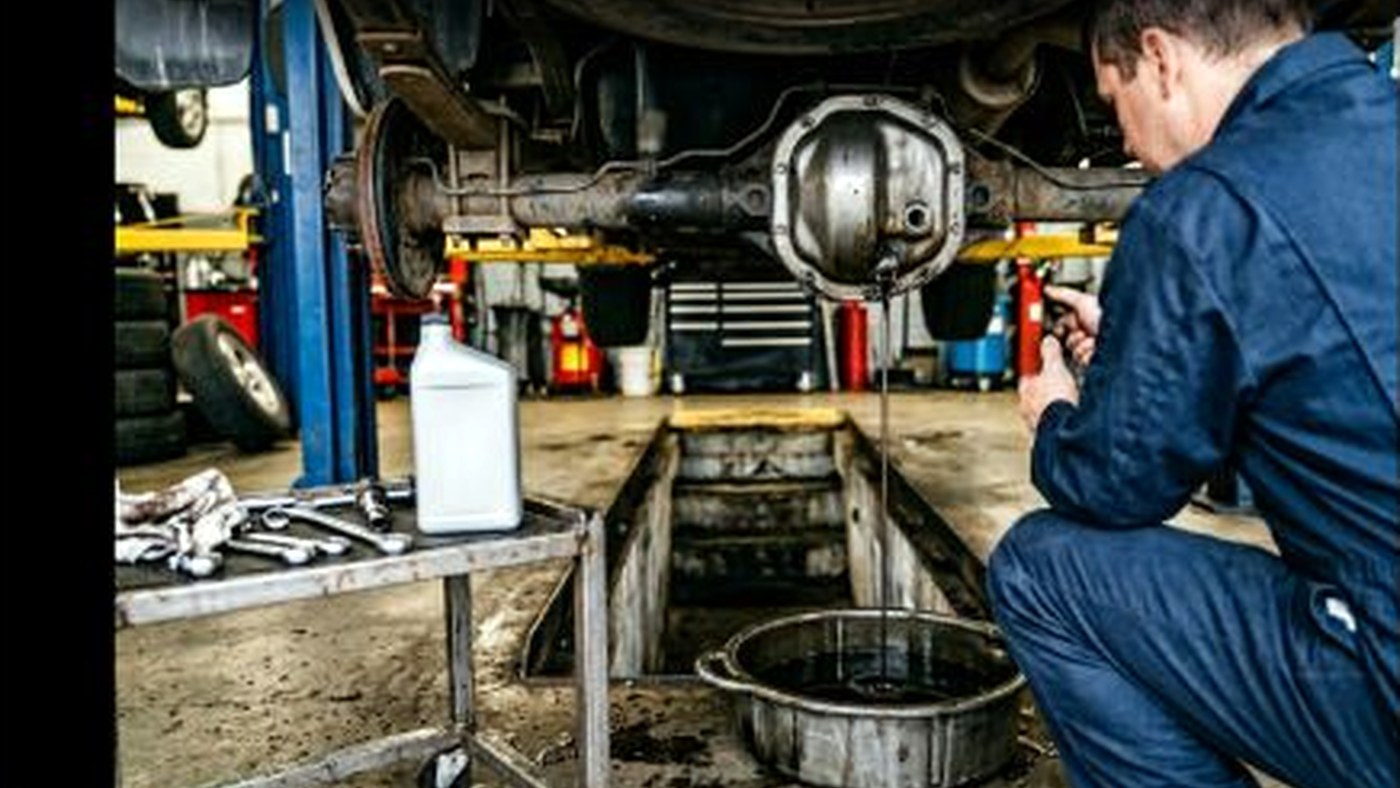
We check the oil level and condition, inspect the cover, pinion seal, axle seals, vent, U-joints, CV axles, mounts, and tires, then road-test the vehicle when it is safe enough to reproduce the noise.
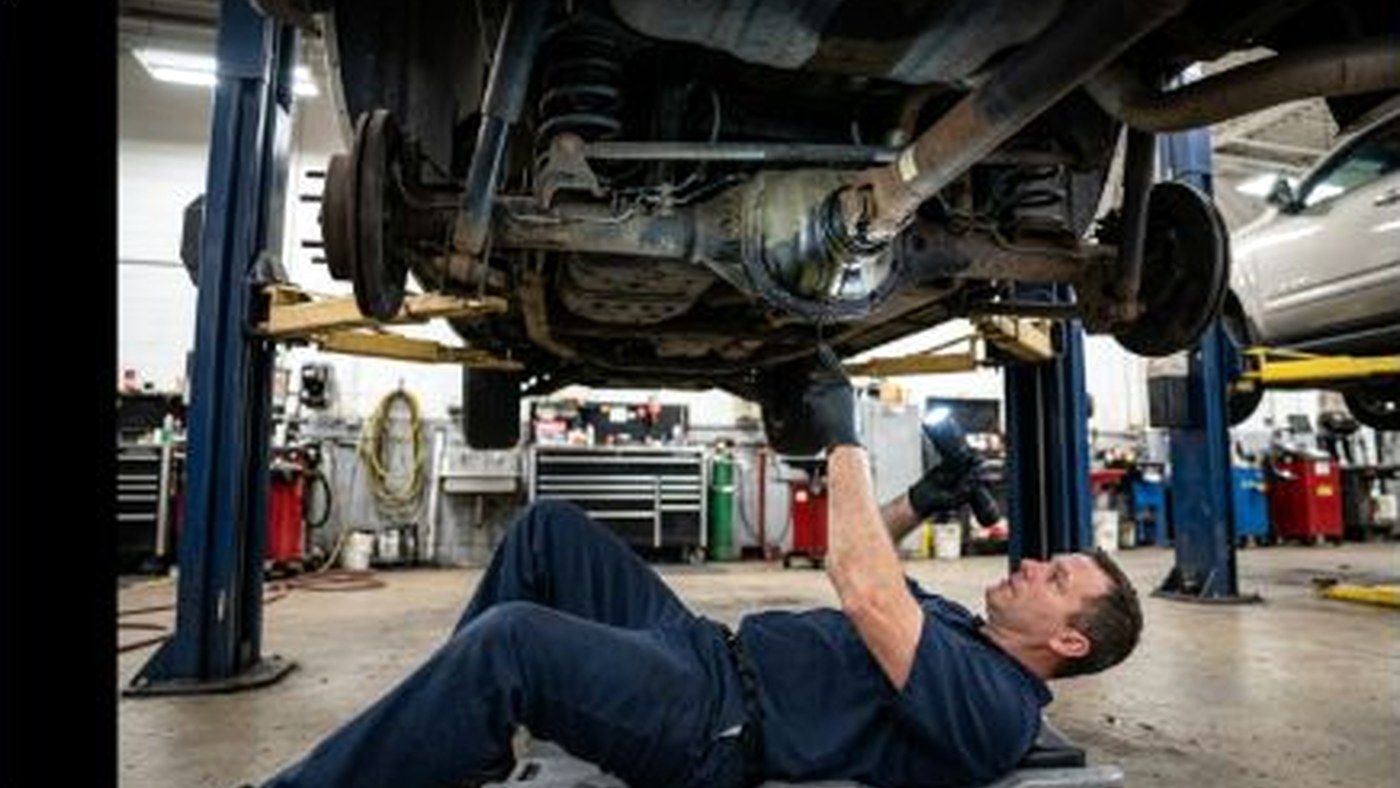
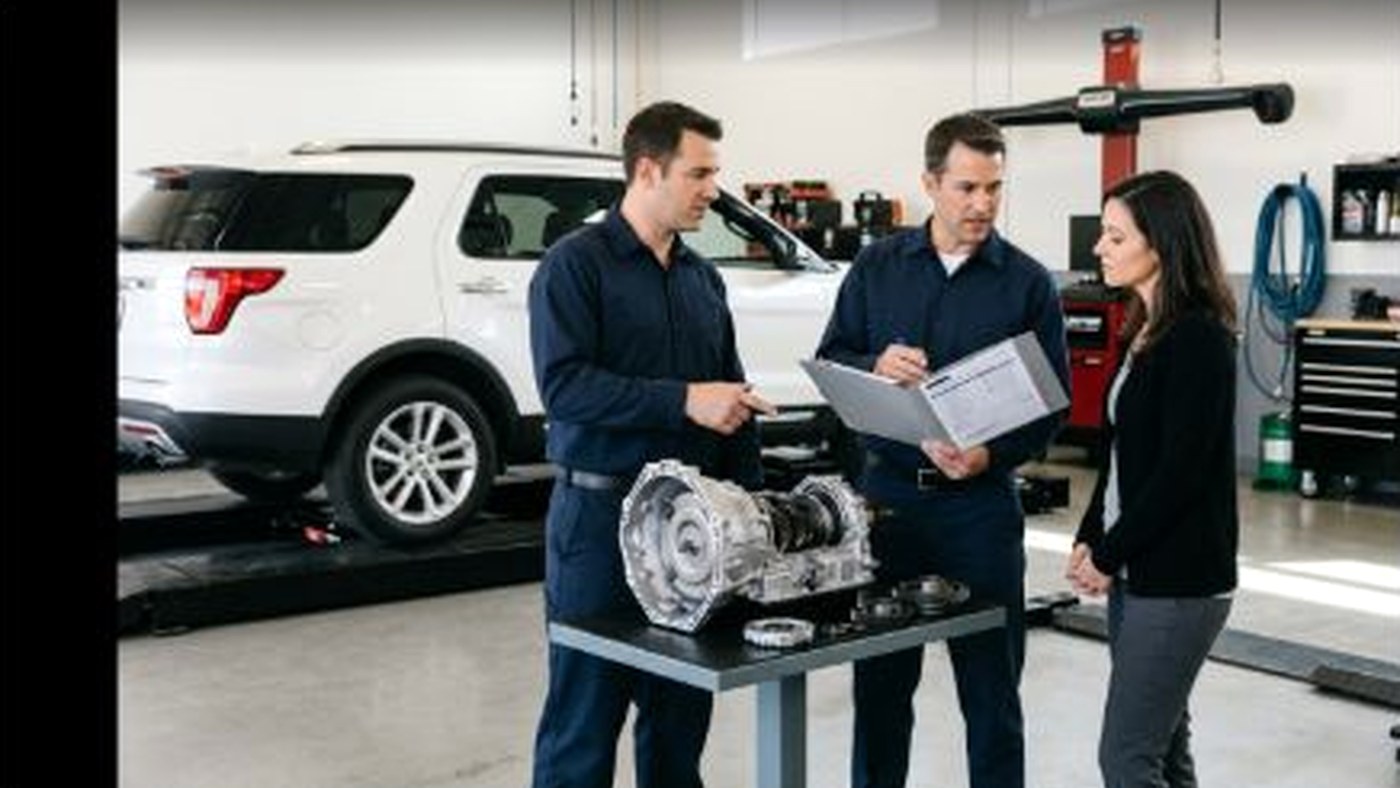
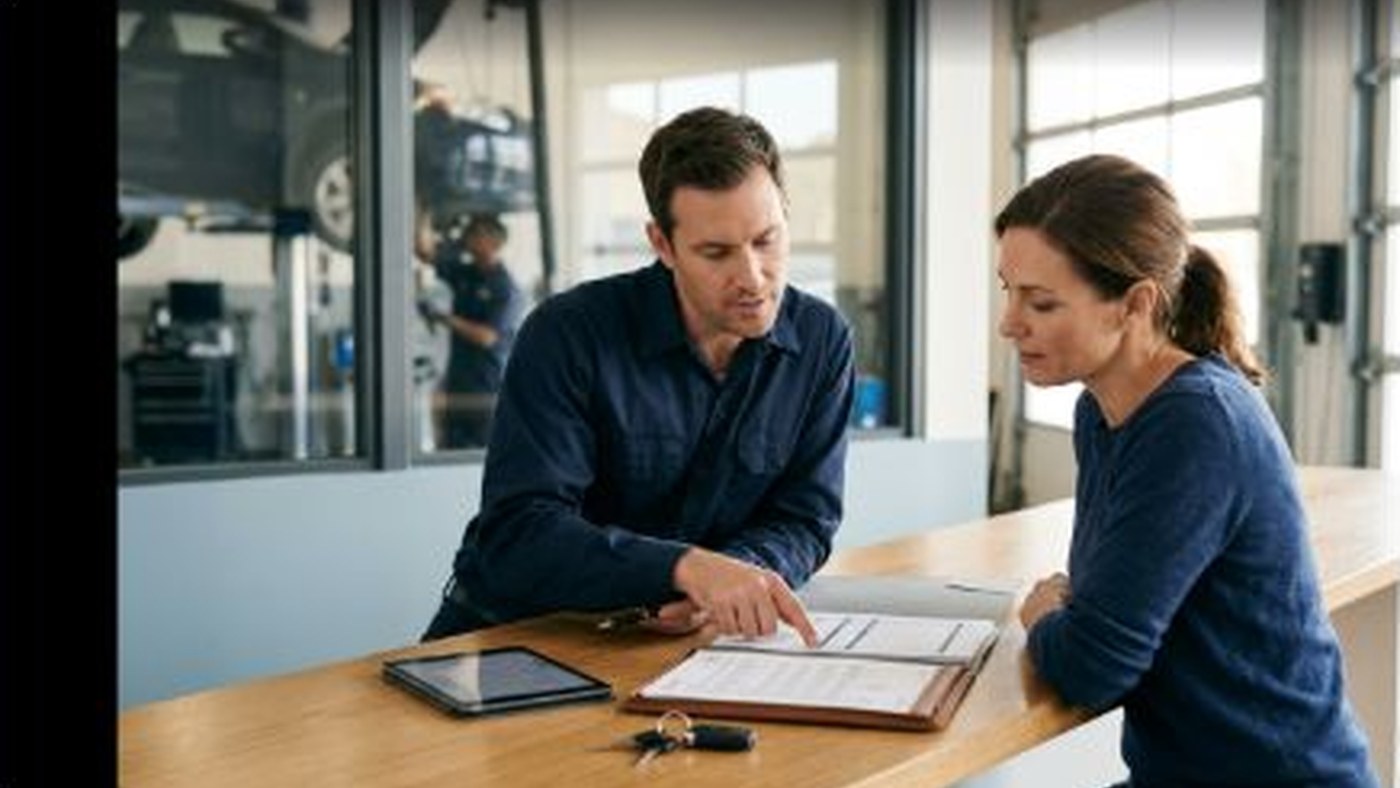
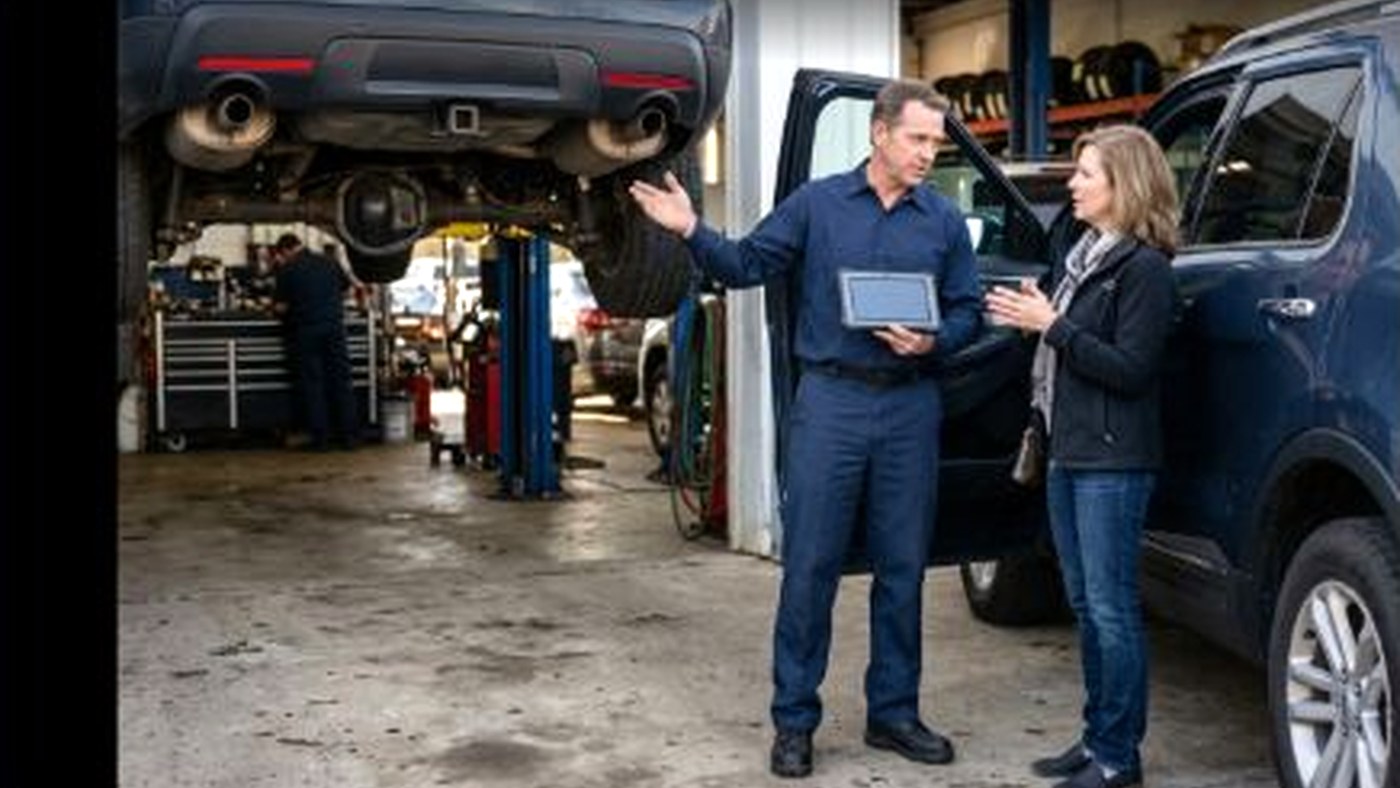
A clean differential estimate should tell you what we found in the oil, where the leak or noise is coming from, and whether the vehicle is safe to keep driving.
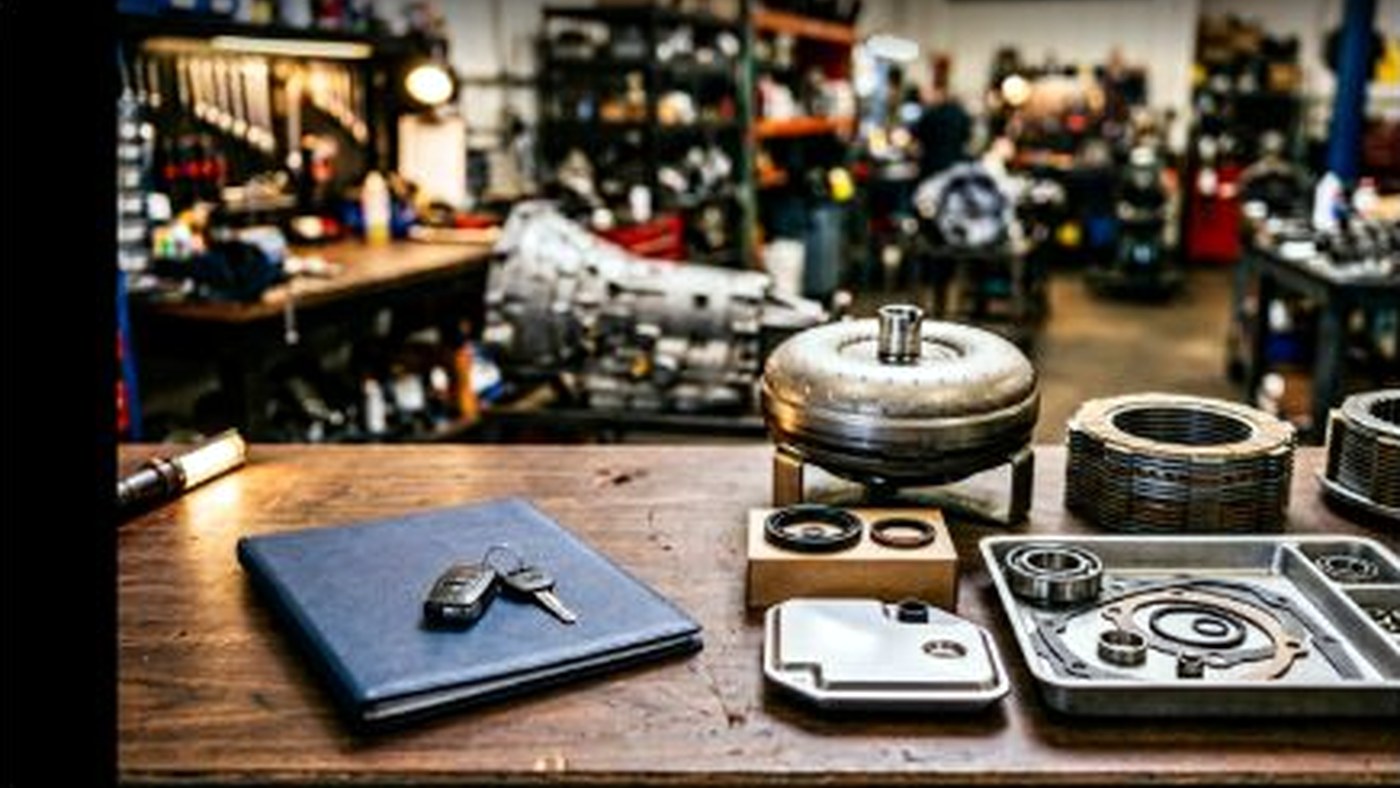
Cost depends on whether the vehicle needs a fluid service, seal replacement, bearing repair, gear setup, carrier work, or full differential replacement. Trucks, SUVs, AWD crossovers, and passenger cars do not all price the same way.
Whining, howling, rumbling, clunking, or vibration each points to a different part of the differential or driveline. We listen for when it happens and how it changes with load.
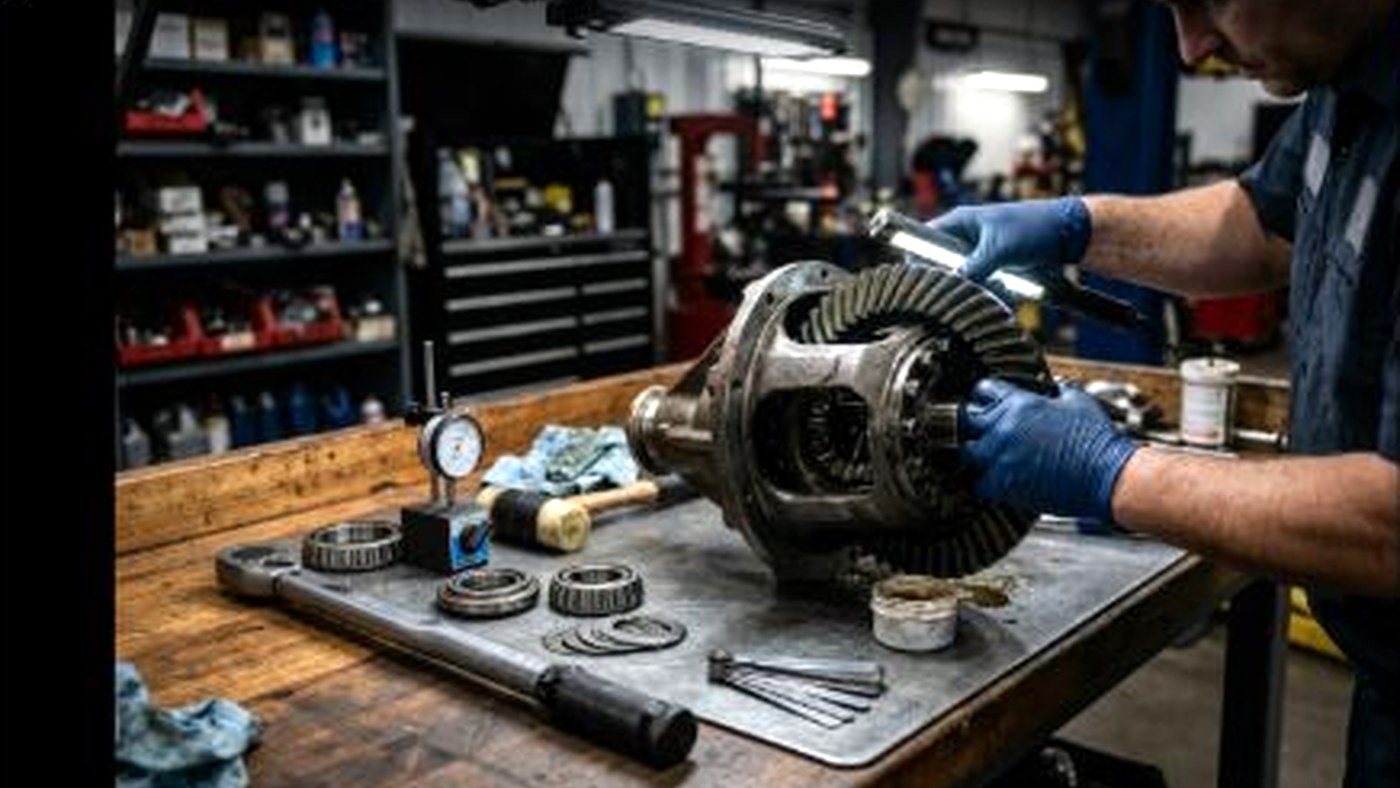
The inspection covers fluid condition, seal leaks, bearing play, driveshaft joints, axle shafts, tire condition, and road-test behavior before the repair path is chosen.
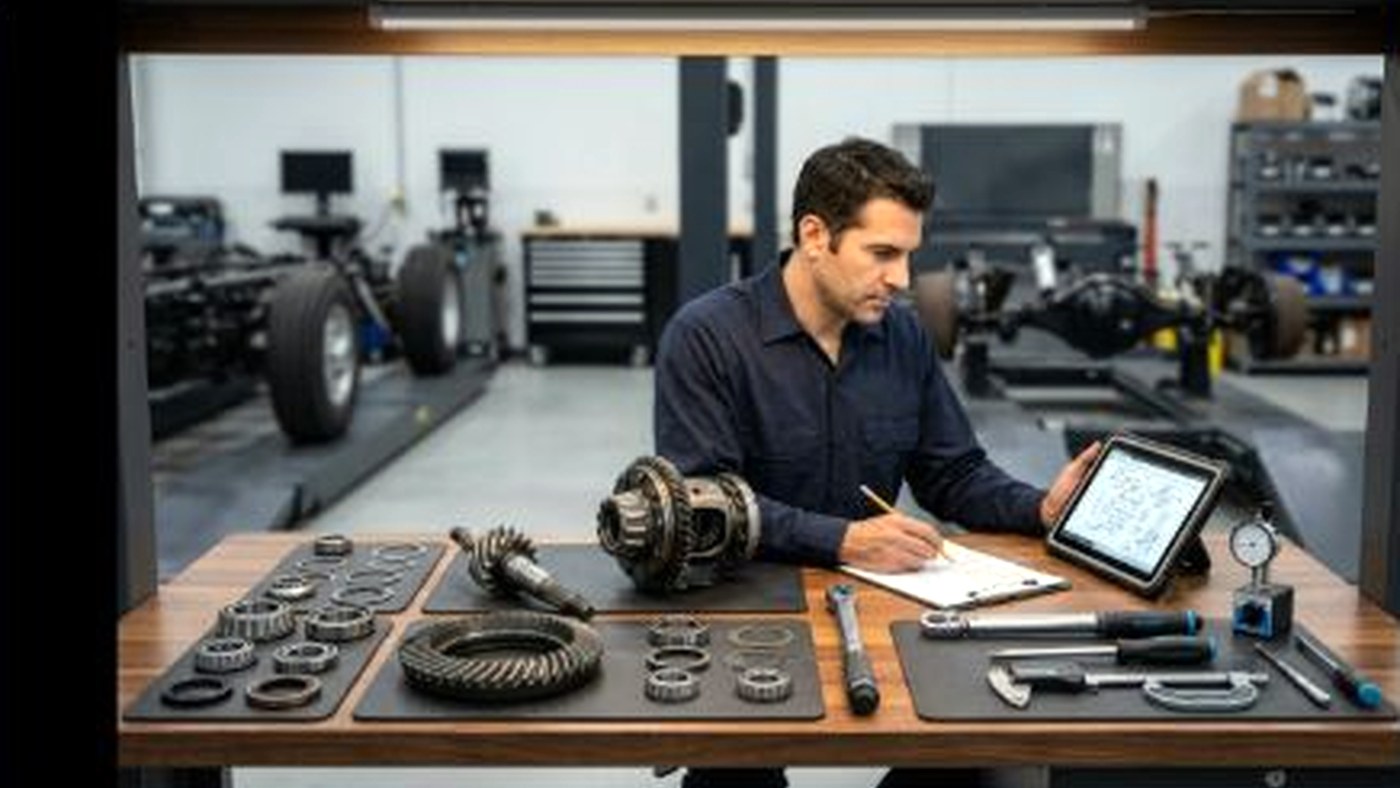
If a fluid service or seal fixes it, we keep the job there. If bearings or gears are damaged, we explain the rebuild or replacement option in writing.
Call 847-393-0191 with the vehicle, mileage, whether it is front-wheel drive, rear-wheel drive, AWD, or 4WD, and when the noise shows up. Bring any quote you already received.
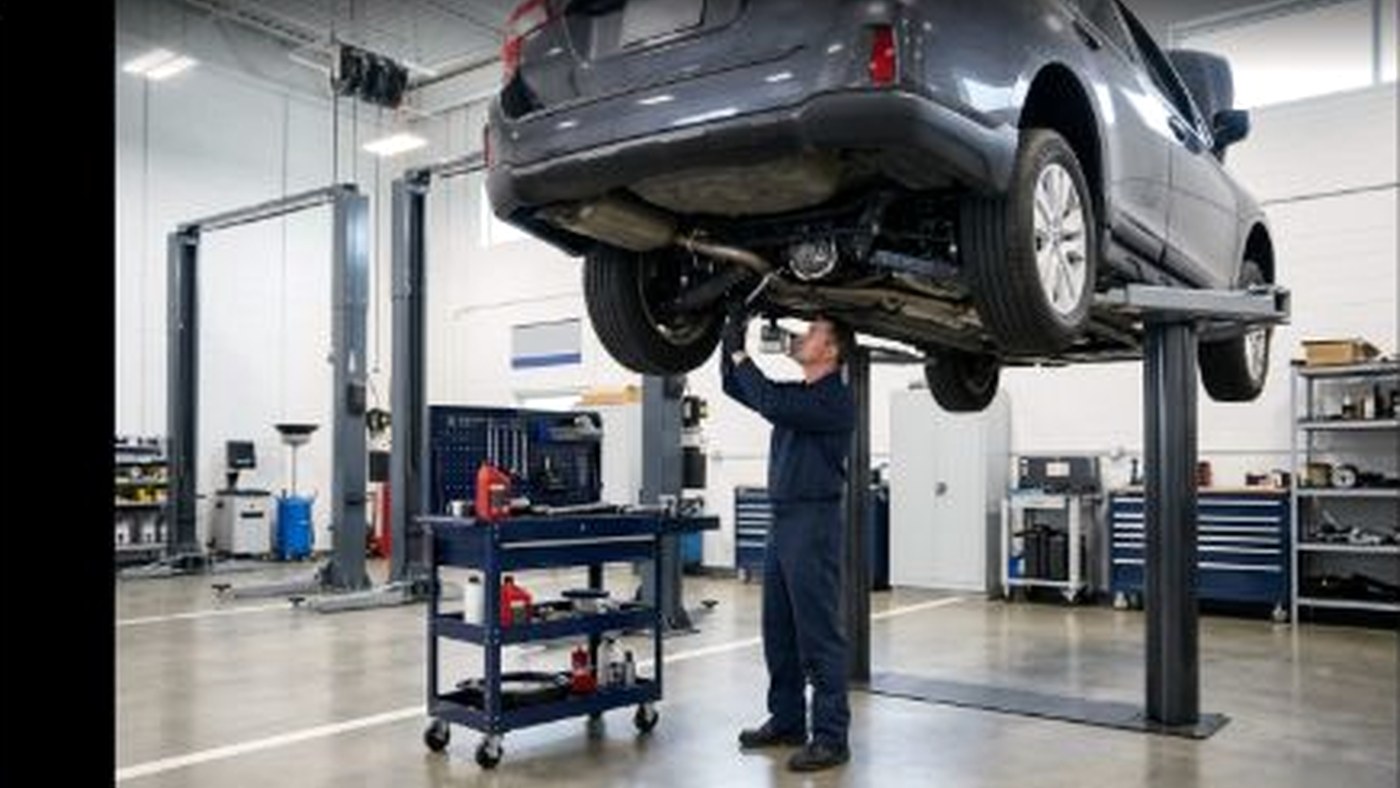
Call 847-393-0191 with the vehicle details and what you are noticing around gear whine, axle leaks, bearing noise, or highway vibration. We will inspect the differential, write the estimate, and review warranty terms before work starts.
Differential Repair Arlington Heights photos