Flywheel Resurfacing Arlington Heights photos
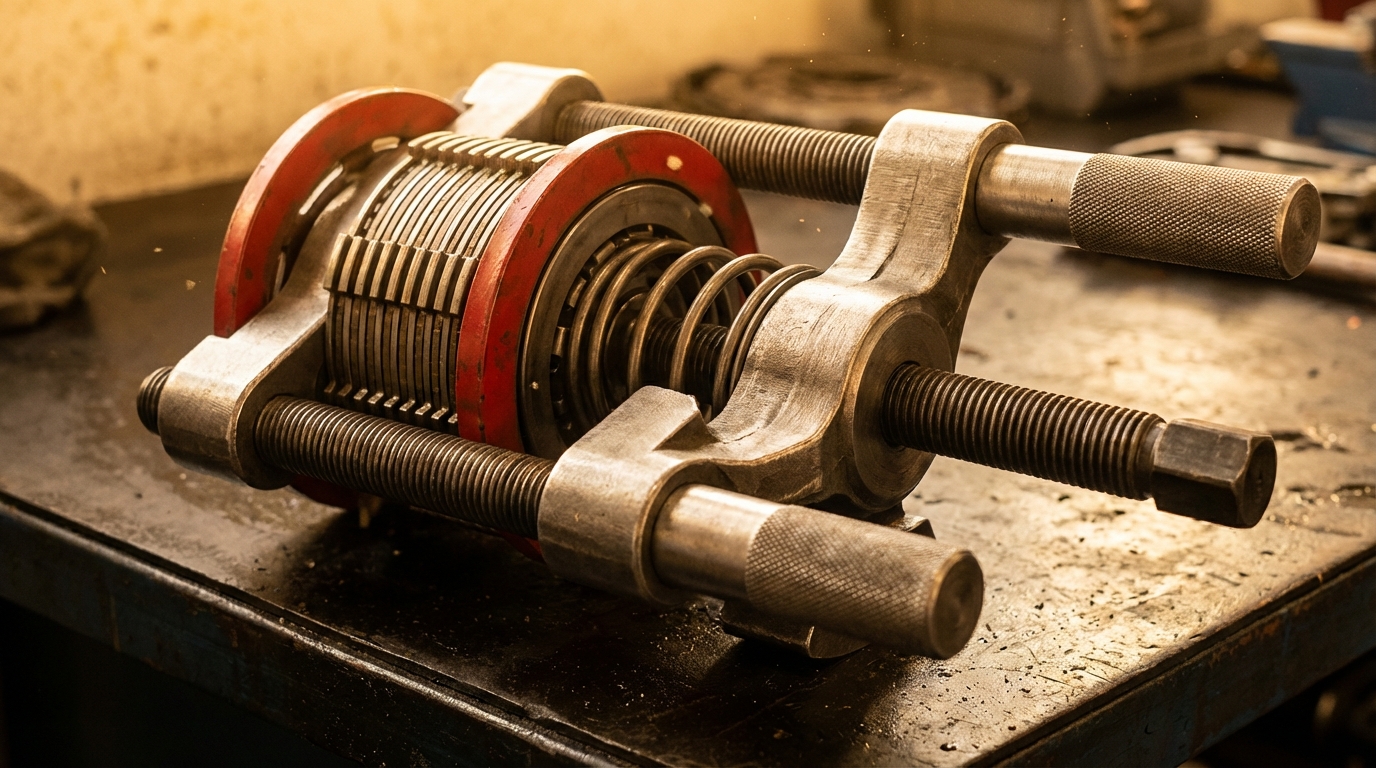
Flywheel photos should support resurfacing, replacement, clutch wear, heat checking, and dual-mass flywheel decisions.
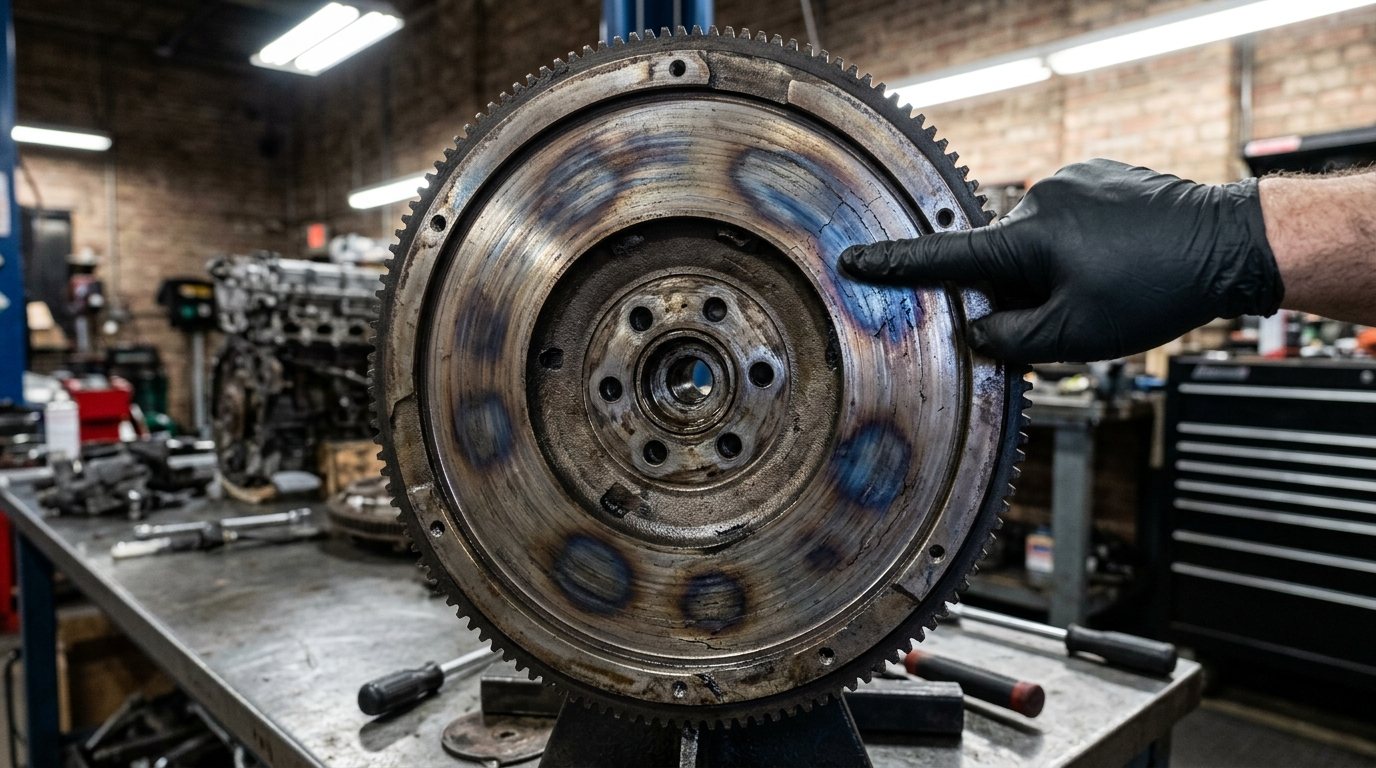
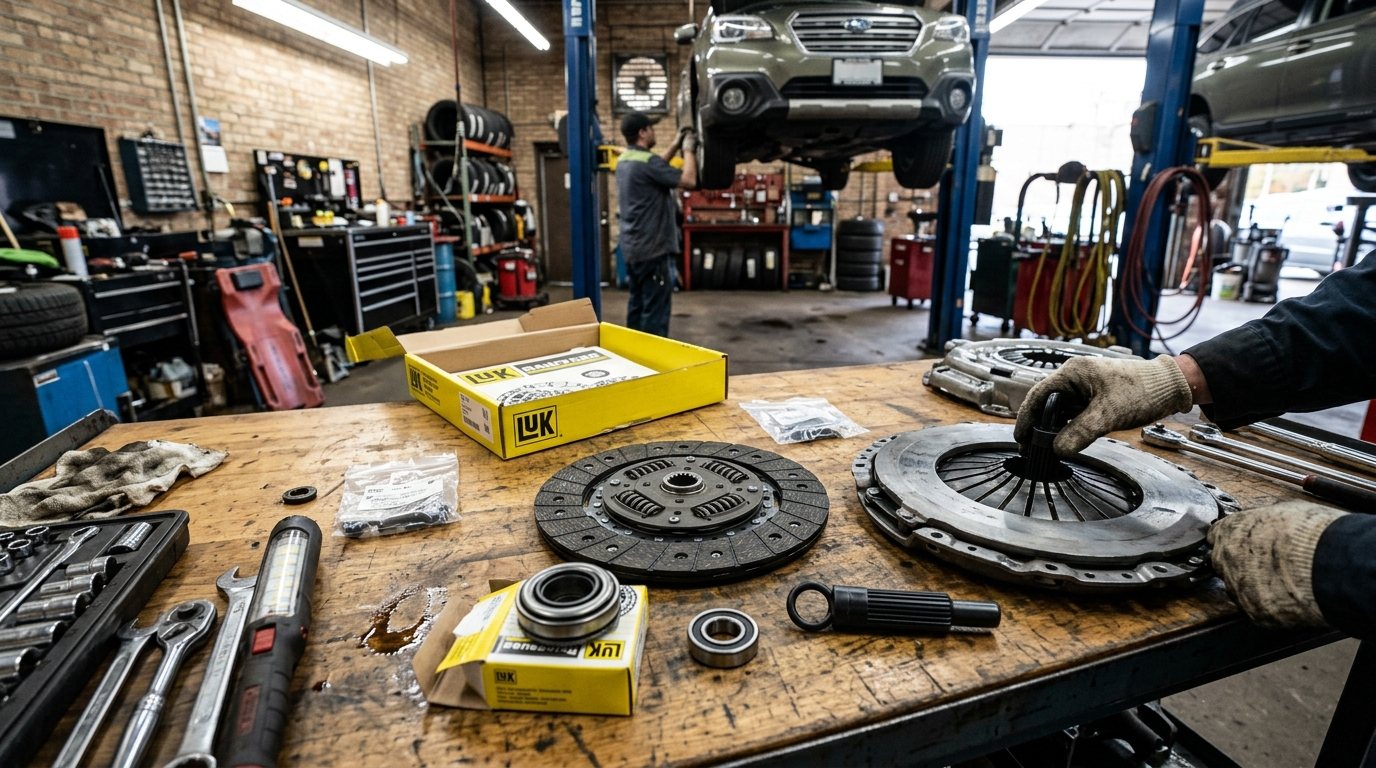
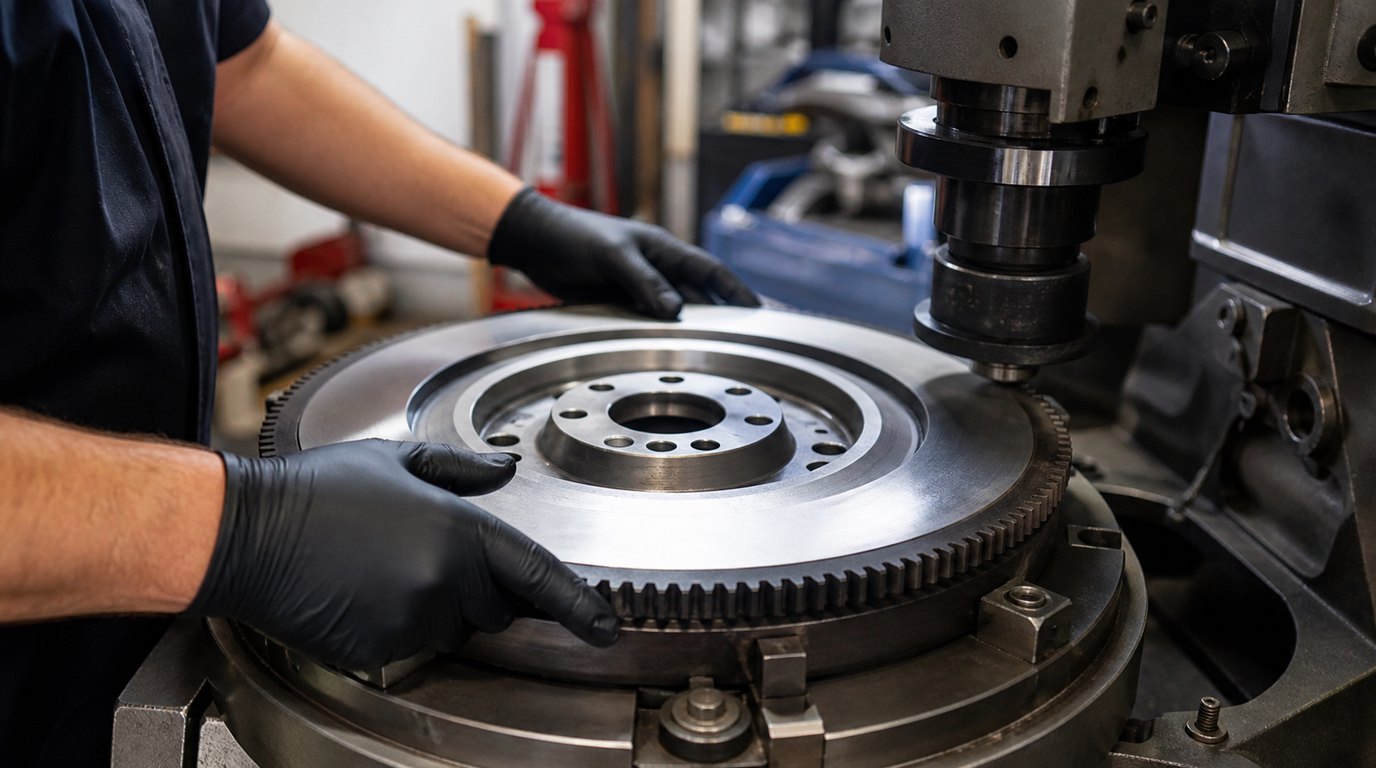
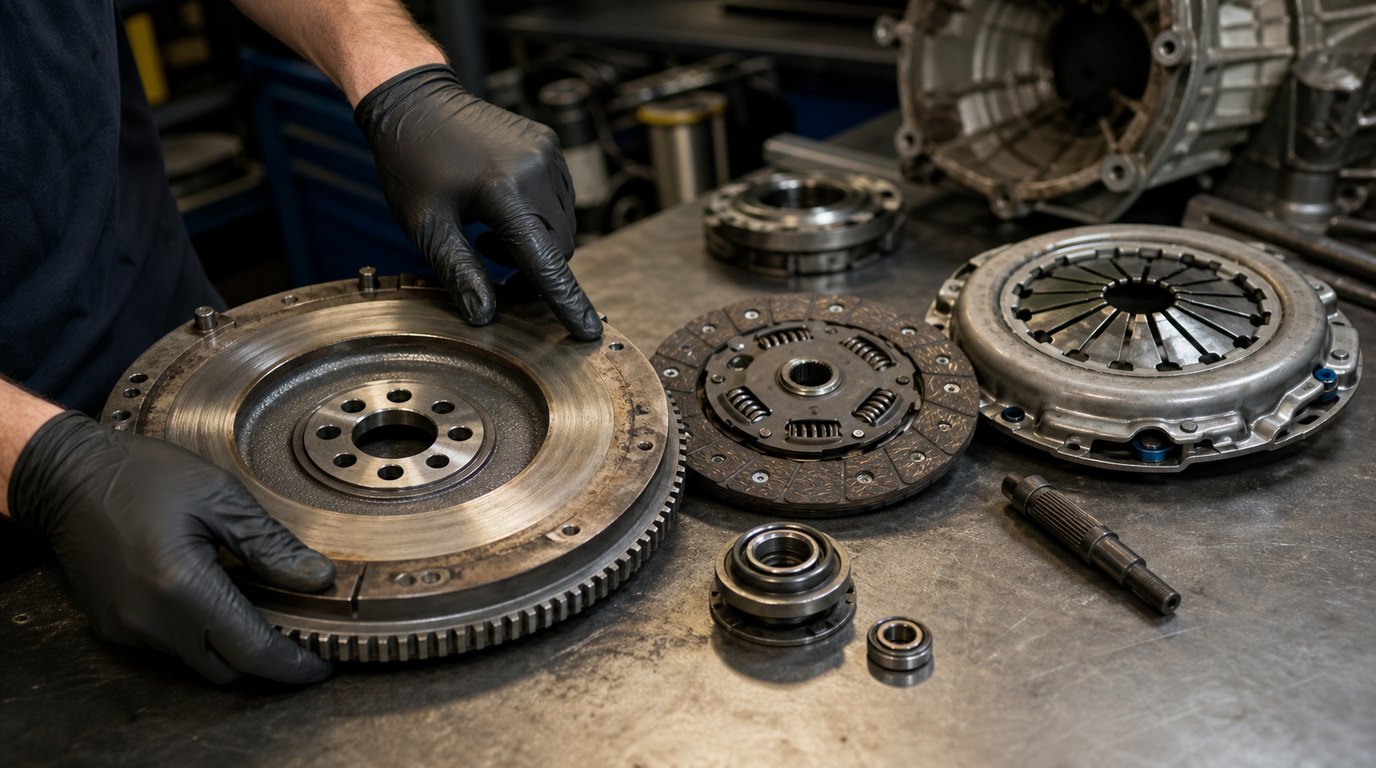
We diagnose manual flywheel surface problems for Arlington Heights drivers with a road test, scan data, fluid checks, and a written estimate before repair work starts. A clutch that slips on I-90 ramps or chatters in Route 53 traffic should be checked before it damages the flywheel.
Send the vehicle details and we will respond by call, text, or email.
A flywheel is not just a surface for the clutch disc. It affects engagement feel, chatter, heat transfer, release behavior, and the life of the new clutch. If the surface is glazed, cracked, heat-spotted, warped, or dual-mass worn, installing a clutch over it can create a comeback.
Some single-mass flywheels can be resurfaced if thickness and condition allow. Others are too thin, cracked, deeply heat checked, or uneven. Dual-mass flywheels often need replacement rather than machining because internal springs and movement are part of the assembly.
We inspect hot spots, cracks, step height, ring gear condition, clutch wear pattern, rear main seal area, pilot bearing or bushing, release system, and whether the clutch failed from wear, heat, contamination, or abuse.
Manual vehicles in stop-and-go northwest suburban driving can see plenty of clutch heat. Hill starts, heavy traffic, and repeated short trips can create chatter even before the disc is fully worn out.
Chatter from a stop can come from flywheel surface, clutch disc contamination, pressure plate issues, mounts, hydraulic release problems, or driver technique. We do not blame the flywheel without inspecting the full clutch system.
If oil from a rear main seal or transmission input seal contaminated the clutch, resurfacing alone is not the fix. The leak has to be handled or the new clutch may slip or chatter again.
The estimate should state whether the flywheel is being resurfaced, replaced, or reused, and why.
The transmission has to come out to access the clutch and flywheel on most vehicles. Skipping a questionable flywheel to save money can mean paying much of the labor again if the clutch chatters, slips, or releases poorly.
We explain the flywheel condition while the job is open so the decision is made with evidence. If resurfacing is safe, we say so. If replacement is the better repair, we explain what we found.
Bring any complaint about slipping, pedal feel, chatter, grinding, or smell. Those details help connect the flywheel decision to the full clutch repair.
Call, text, or send the form. We will start with the complaint, inspect the manual flywheel surface, and explain the practical repair path. Free diagnostic, written estimate, no obligation.
Flywheel Resurfacing Arlington Heights photos
Flywheel photos should support resurfacing, replacement, clutch wear, heat checking, and dual-mass flywheel decisions.