
Identify the unit
Model, year, engine, drivetrain, and transmission family change the diagnostic path and parts conversation.
Mitsubishi transmission complaints often involve CVT heat, fluid condition, pressure behavior, AWD clues, and whether the vehicle loses acceleration once warm.
Send the Mitsubishi model, year, mileage, AWD status, codes, fluid service history, leak history, and whether it whines, shudders, overheats, slips, or delays.

Mitsubishi transmission repair depends on whether the vehicle is an Outlander, Eclipse Cross, Lancer, Mirage, Galant, Montero, Endeavor, or Outlander Sport and whether the complaint points to CVT behavior, F4A automatic wear, AWD transfer clues, fluid condition, or internal damage.
A useful Mitsubishi estimate separates Jatco-style CVT symptoms, Mitsubishi F4A automatic issues, converter concerns, AWD or transfer vibration, leak evidence, heat, and service history before a rebuild or replacement is recommended.
A useful estimate should explain what was tested, what evidence was found, and why the recommended repair path fits the exact vehicle rather than just the badge on the grille.
Get Free DiagnosticThe same symptom can point to different repairs depending on model year, transmission family, mileage, use, software history, and fluid condition.
Make-level pages should help you ask better questions before approving transmission work. The next step is evidence, not a generic replacement quote.
Model, year, engine, drivetrain, and transmission family change the diagnostic path and parts conversation.
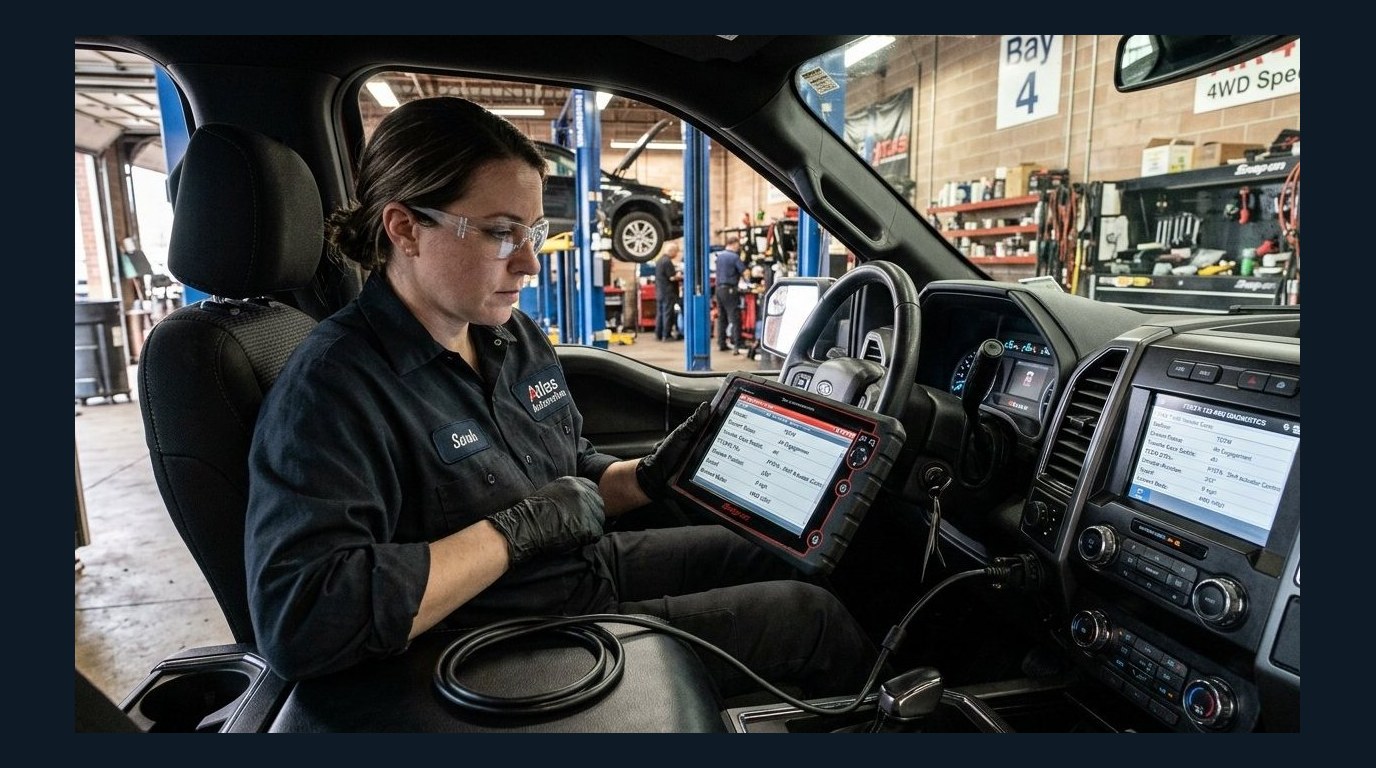
Scan data, fluid evidence, road-test behavior, leak checks, temperature, and use history are matched before a repair is sold.
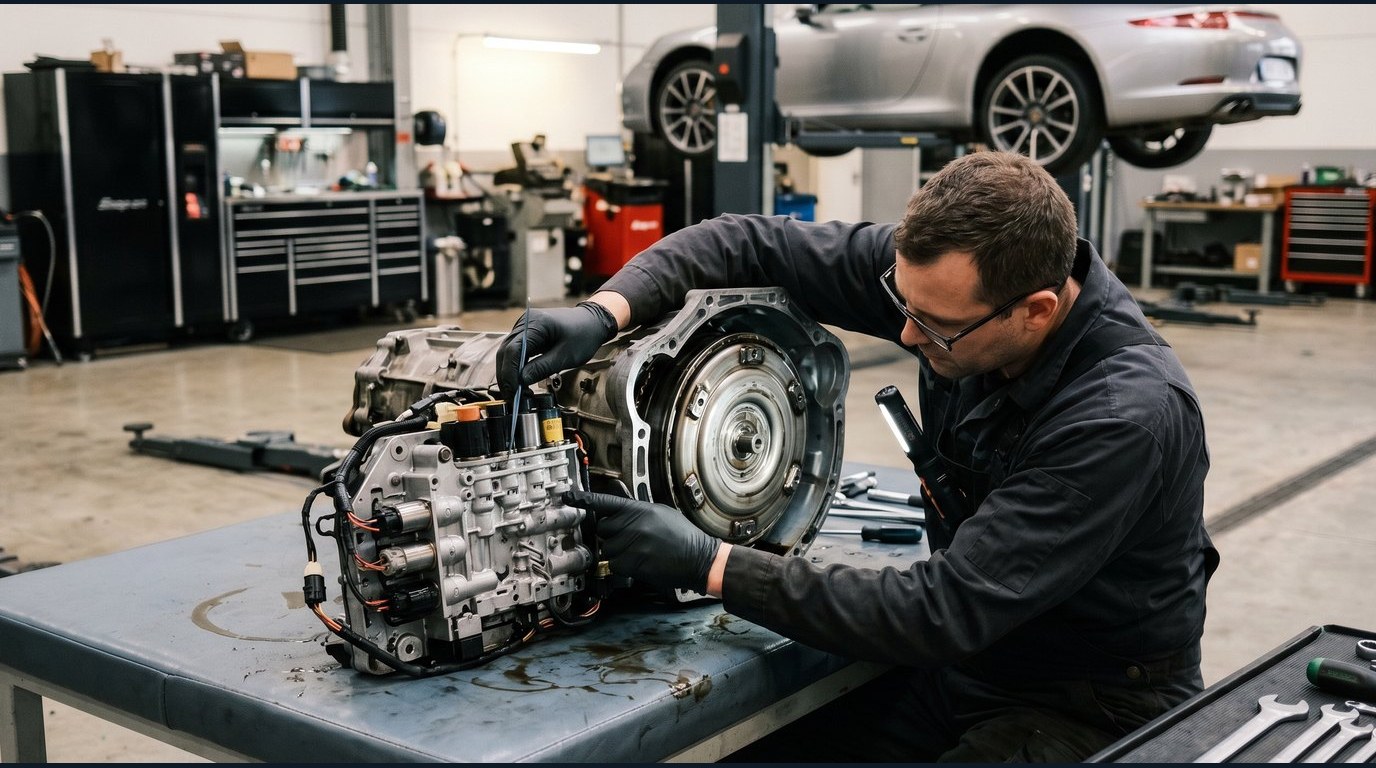
Service, targeted repair, valve body, converter, rebuild, used, remanufactured, and replacement options are separated in writing.
If a second opinion is needed, bring or text the prior estimate, code printout, mileage, service history, and when the symptom happens.
These model pages narrow the conversation when the issue is tied to a specific vehicle family. If your exact model is not listed, the free diagnostic still starts with the same evidence-based process.
A strong Mitsubishi transmission estimate should make the evidence easy to follow. Ask which code or symptom was reproduced, what the fluid and pan evidence showed, whether related leaks or mounts were checked, and whether the recommendation is for service, targeted repair, rebuild, used unit, remanufactured unit, or replacement.
If the vehicle is slipping badly, overheating, leaking heavily, stuck in one gear, or barely moving, ask about towing before adding highway miles.
Programming, cooler service, converter damage, hard-part wear, parts availability, AWD or 4WD components, and prior repair history can all change scope.
The estimate should explain warranty, fluid requirements, relearn or programming steps, road-test verification, and any follow-up instructions after pickup.
Bring or text the estimate before authorizing a major repair. We can help compare the symptoms, scan results, fluid evidence, parts listed, warranty language, and downtime so you understand whether the quote is for a targeted repair or a complete unit strategy.
That second look is especially useful when the first recommendation jumps straight to replacement without explaining road-test results, pan or fluid evidence, converter behavior, pressure data, leak checks, or why a less invasive repair was ruled out.
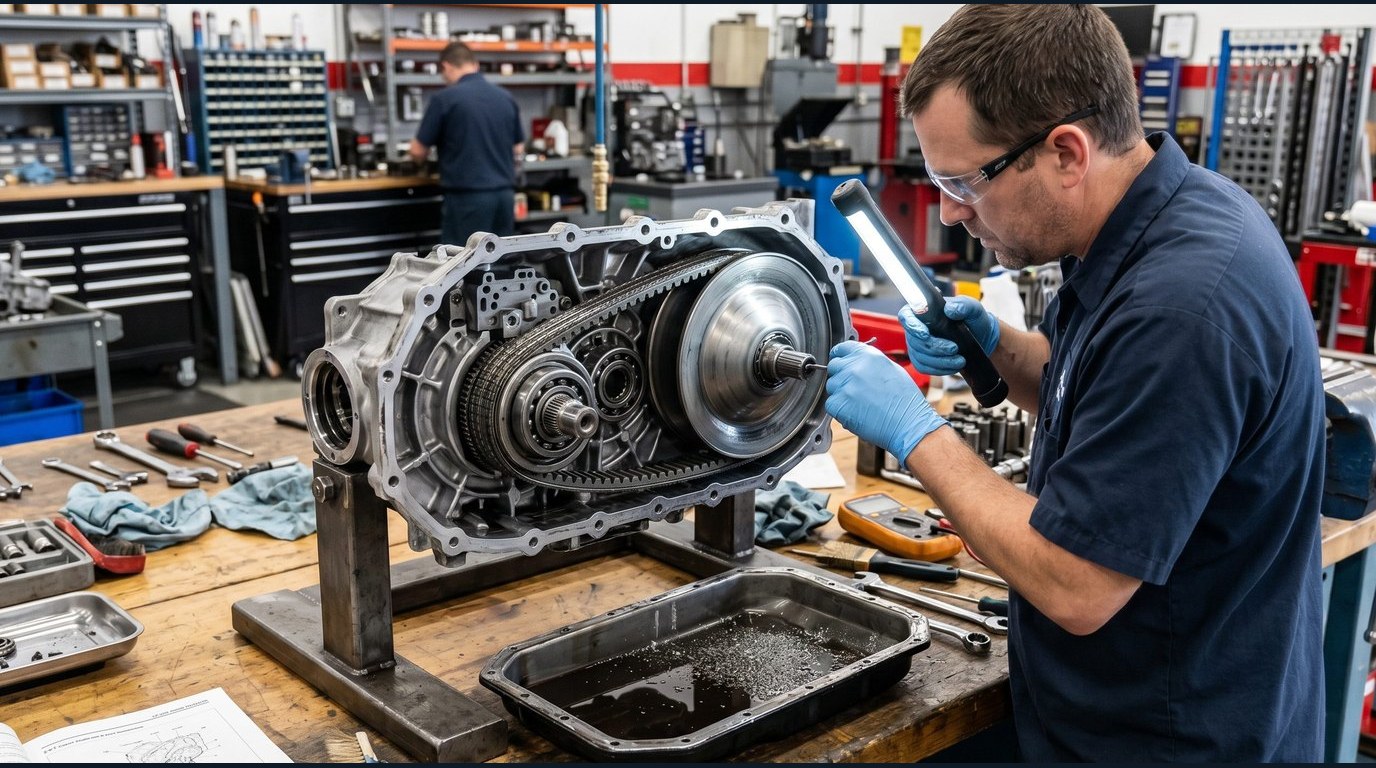
Call or text 847-393-0191 with the Mitsubishi model, year, drivetrain, codes, and symptoms.
Mitsubishi Arlington Heights Transmission Repair photos