$100
Referral Bonus
You earn the bonus after the referred customer completes a qualifying repair and the referral is verified on the job.
Claim OfferSend us someone who needs real transmission help in the northwest suburbs. If they complete a qualifying repair, you receive a $100 thank-you bonus.
Built for customers, neighbors, coworkers, and family members across Arlington Heights, Palatine, Schaumburg, Hoffman Estates, Rolling Meadows, Mount Prospect, Wheeling, and Buffalo Grove.
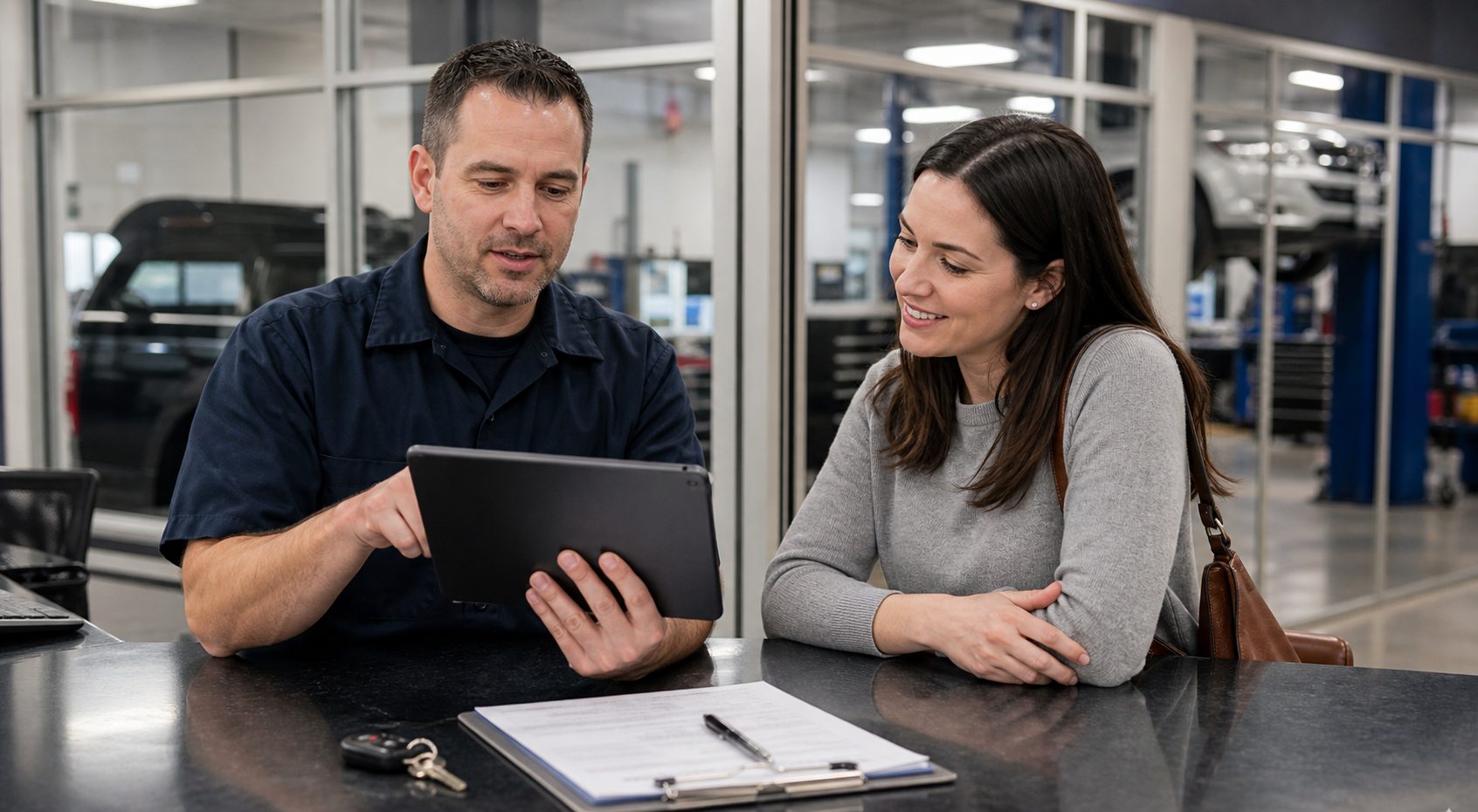
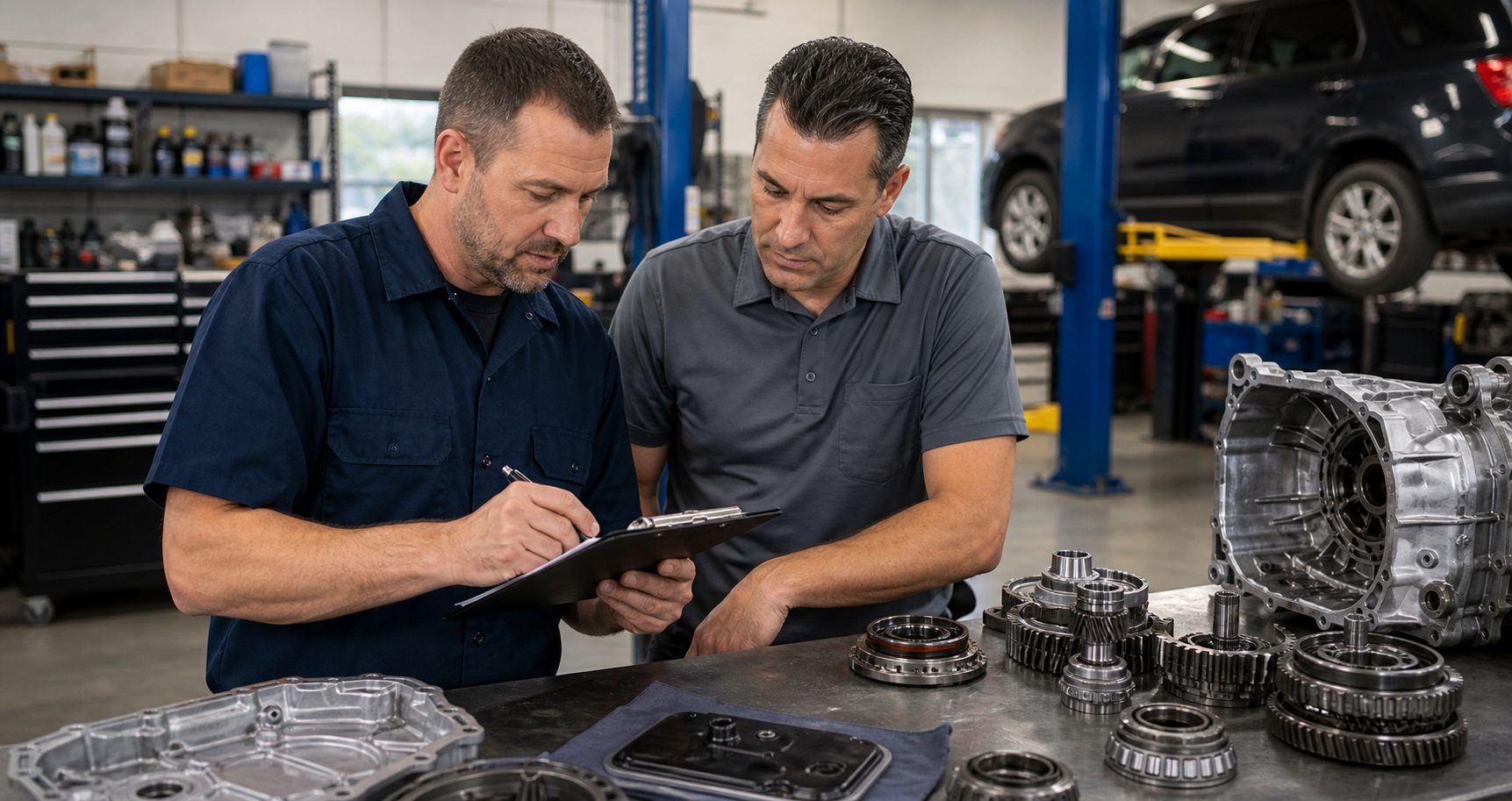
Have the referred driver mention your name when they call, text, or drop off the vehicle. We add the referral to the job file before the estimate is approved.
When the customer completes a qualifying transmission or drivetrain repair, we confirm the referral details and arrange the $100 bonus.
Text to ClaimGive the referred driver our phone number and ask them to mention your name before the repair is approved. If you are texting us directly, include their name, vehicle, and best contact number.
You earn the bonus after the referred customer completes a qualifying repair and the referral is verified on the job.
Claim OfferThere is no set cap on referrals, but each bonus has to tie back to a separate qualifying completed repair.
Text to ClaimThe easiest way is simple: they say, "I was referred by [your name]" when they schedule or arrive.
Claim Offer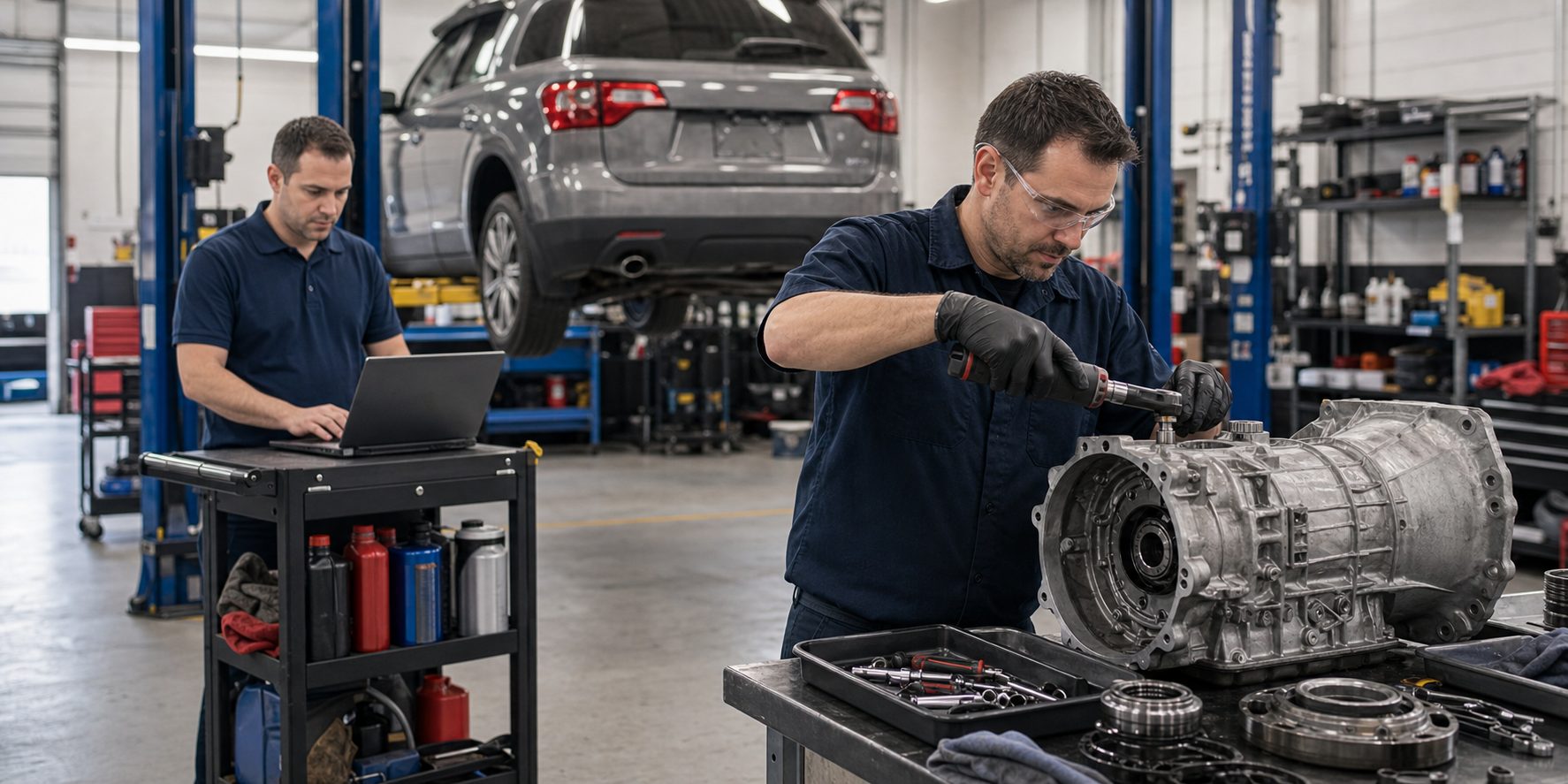
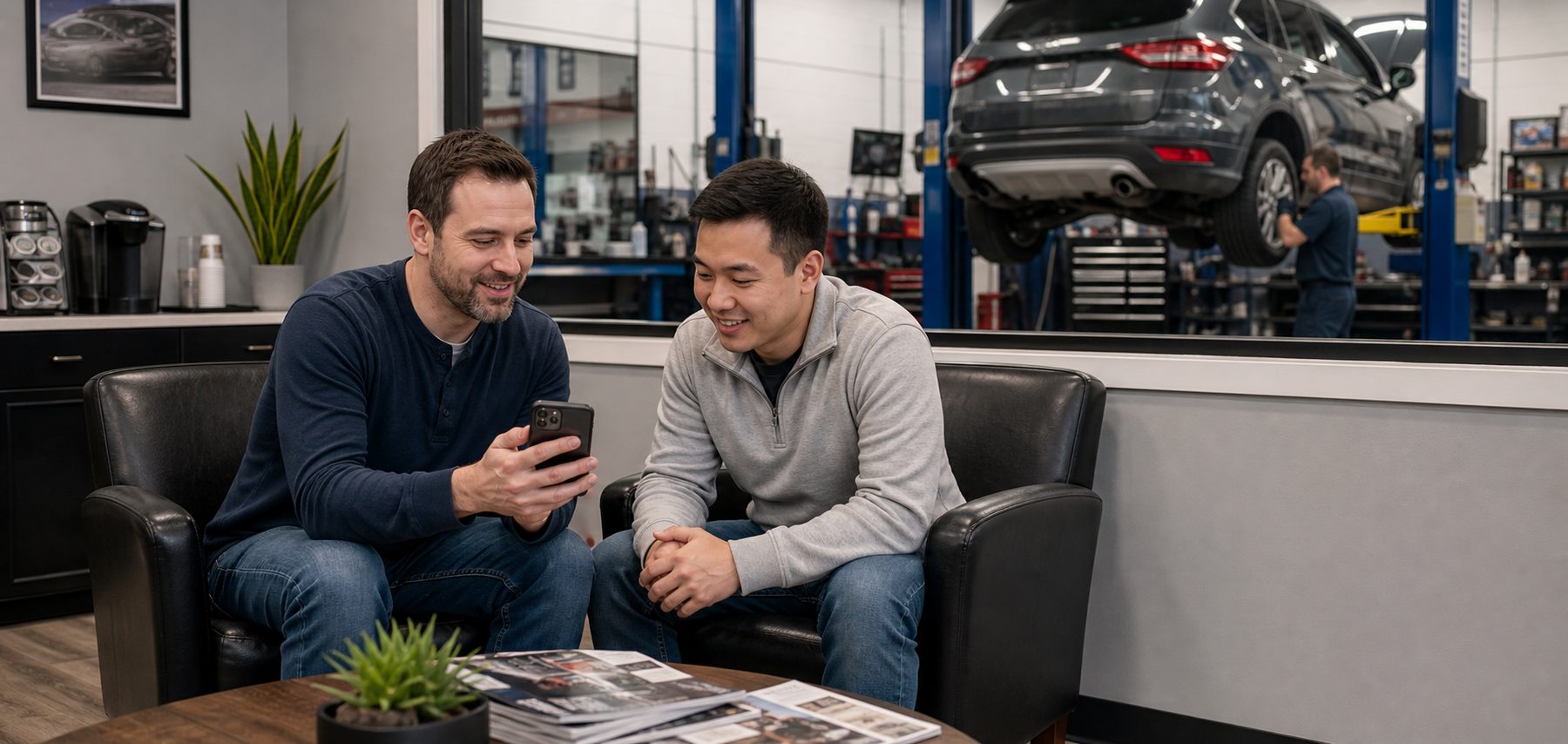
We confirm the referral before payout so everyone knows who gets credit and which repair qualified.
A referral only works if the person you send gets a straight answer. They still receive the same free diagnostic, written estimate, and warranty explanation before approving work.
If they already have a dealer quote, tell them to bring it. A second opinion is often the reason people refer us in the first place.
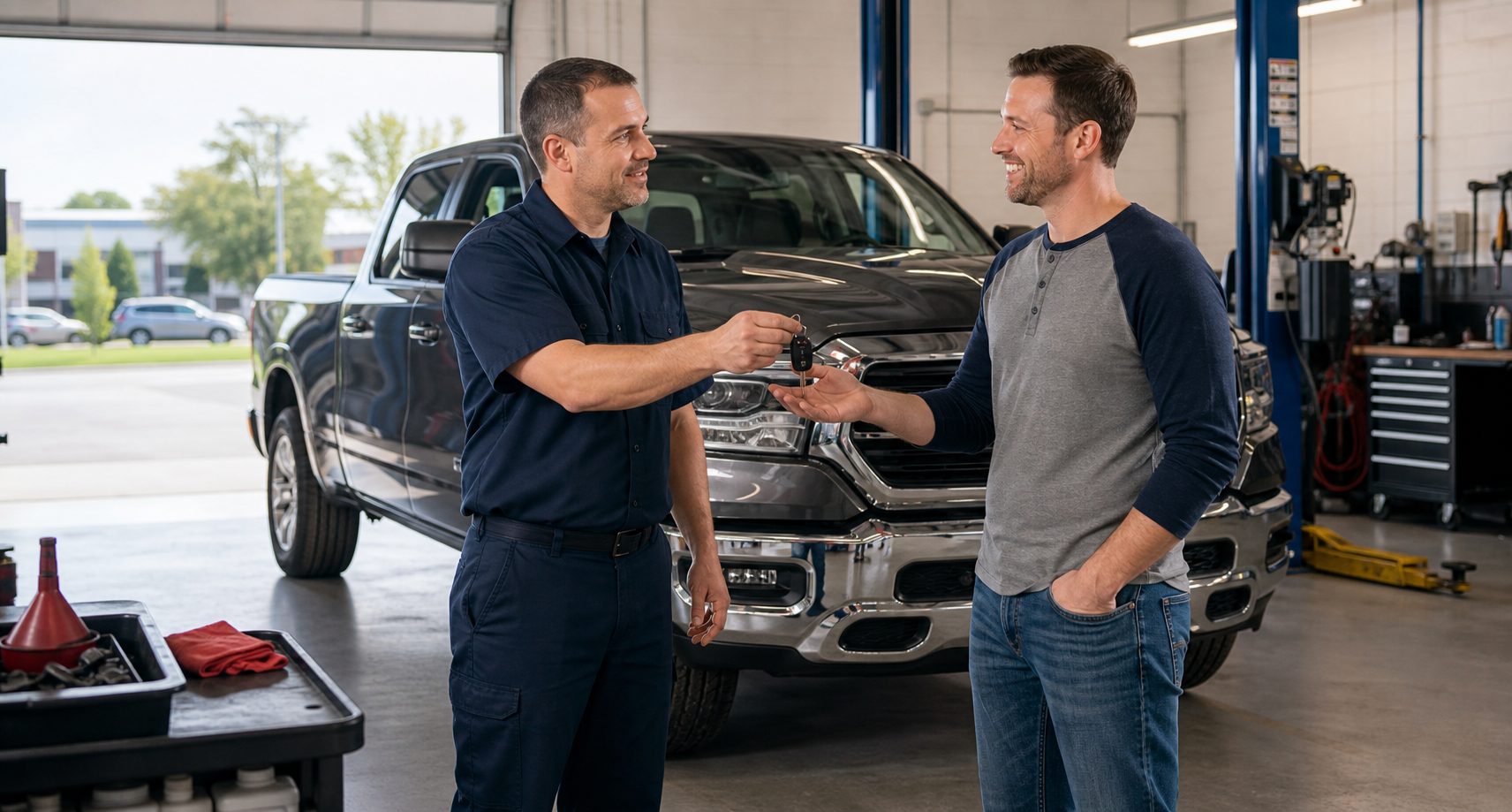
Transmission repair is the kind of job people ask friends about before they call a shop. If you send someone who completes a qualifying repair, the $100 bonus is our way of thanking you for pointing them toward a practical first step.
Have the driver mention your name on the first call or text. The cleanest referral includes their vehicle, mileage, symptom, and whether they already have a quote.
A referral does not change the repair path. The vehicle still gets symptom review, scan data when available, fluid checks, and a written estimate before work is approved.
The bonus is tied to a completed qualifying repair, not a phone call or diagnostic-only visit. That keeps the program simple and fair.
Good referrals often come from neighbors, coworkers, fleet managers, and family members around Arlington Heights, Palatine, Schaumburg, Hoffman Estates, Rolling Meadows, Mount Prospect, Wheeling, and Buffalo Grove.
If someone is staring at a large dealer quote, slipping transmission, warning light, CVT problem, no-reverse complaint, or leaking fluid, send them our number and tell them to mention you when they reach out.
The cleanest referral starts before the repair is approved. Have the driver mention your name when they call, text, or submit the form. If you are sending the referral directly, include their name, phone number if you have it, vehicle, and what the vehicle is doing.
We attach the referral to the job file so there is no confusion later. Once the referred customer completes a qualifying repair, we can verify the referral and arrange the $100 bonus.
Examples of good referrals include a neighbor with a slipping SUV, a coworker with a dealer rebuild quote, a fleet contact with a work van down, or a family member whose CVT is shuddering around town.
The referred driver still gets the same diagnostic-first process. We do not increase the estimate because a referral bonus exists, and we do not skip the written estimate. The repair has to make sense for the vehicle.
If someone is not sure whether the problem is transmission, differential, transfer case, clutch, or axle related, that is still a useful referral. The first step is figuring out what system is actually causing the symptom.
Word-of-mouth works because people want a straight answer before spending serious money. The referral bonus rewards that trust without adding fine print to the customer's repair decision.
A good referral does more than send a name. It gives the driver a calm first step when the vehicle is slipping, leaking, flashing a warning light, or sitting with an estimate they do not fully understand.
The most useful handoff includes what the vehicle is doing. Does it hesitate cold? Shudder hot? Leak after parking? Refuse reverse? Throw a code? That information helps us decide whether the driver should tow, schedule, or send over an existing estimate first.
We welcome second-opinion referrals. Many people call after a dealer or general shop has already recommended a large repair. We can review whether the quote explains the evidence or whether more diagnosis is needed before approving it.
Referral payouts stay separate from repair advice. The referred customer still receives the same diagnostic process and written estimate. If the right answer is a smaller repair, that is the answer they get.
Fleet referrals are especially helpful because one down vehicle can disrupt a route, job, or service schedule. A contractor, delivery operator, property manager, or small company may need a transmission contact before the next breakdown happens.
To avoid confusion, have the referred driver mention your name at the first contact. If they forget, text us as soon as possible with their name and vehicle so the referral can be attached before the repair is completed.
The bonus applies after a qualifying repair is completed because that is when the referral has turned into real work. A diagnostic-only visit, casual quote, or duplicate referral does not create the payout.
Text 847-393-0191 with the referral name, vehicle, and your name. We will take it from there and keep the process straightforward.
A driver with a slipping transmission who needs to know whether the vehicle is safe to drive is a good referral. So is someone with a dealer quote who wants a second opinion before approving a rebuild or replacement.
CVT owners are another common fit. Nissan, Honda, Subaru, and Toyota CVT complaints can be confusing because many shops only quote replacement. A referred driver can start with a clear inspection before deciding what the vehicle is worth.
Truck and fleet referrals are useful too. Work vehicles often need quick decisions on tow-in, rebuild, used unit, or replacement because downtime affects income. A simple referral can give that business a contact before the next vehicle is stuck.
What matters most is that the referral is real and trackable. Send the driver's name early, make sure they mention you, and we will connect the bonus to the qualifying repair when the job is completed.
Referral customers often arrive with stress already high. They may be worried about getting to work, whether the vehicle is worth fixing, or whether a large quote is fair. A useful referral gives them a place to start without pressure.
If the referred driver lives outside Arlington Heights but still uses the northwest suburbs for work, school, family, or commuting, that is fine. We routinely talk with drivers from Palatine, Schaumburg, Rolling Meadows, Mount Prospect, Wheeling, and Buffalo Grove.
The best referral message is short: "Call them, mention my name, and tell them exactly what the vehicle is doing." That gives us enough to start the intake and gives you a clear way to claim the bonus after the repair.
Text the referred driver's name and vehicle, or have them mention you when they schedule. We will attach the referral to the repair file.