Clutch Replacement Arlington Heights photos
Clutch replacement photos should support disc wear, flywheel inspection, release system checks, hydraulic leaks, and manual transmission diagnosis.
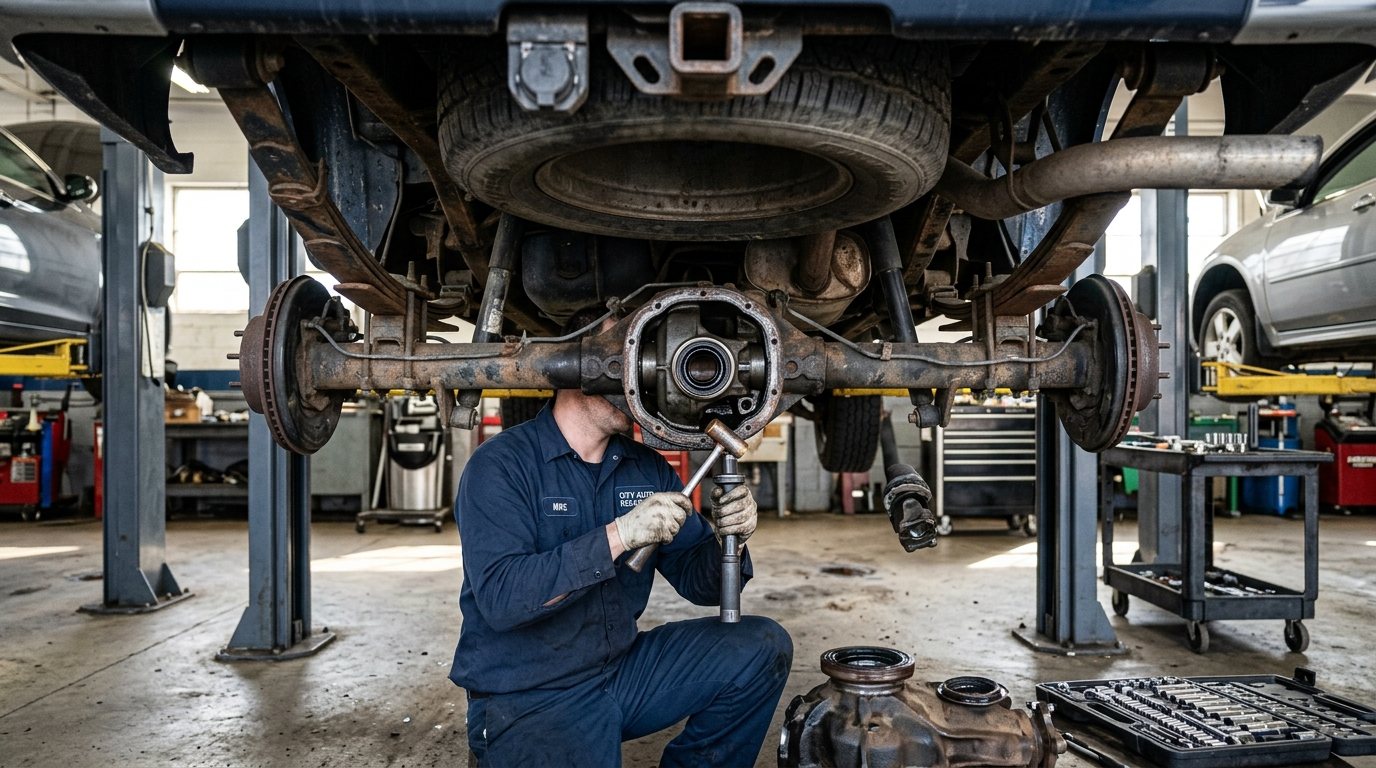
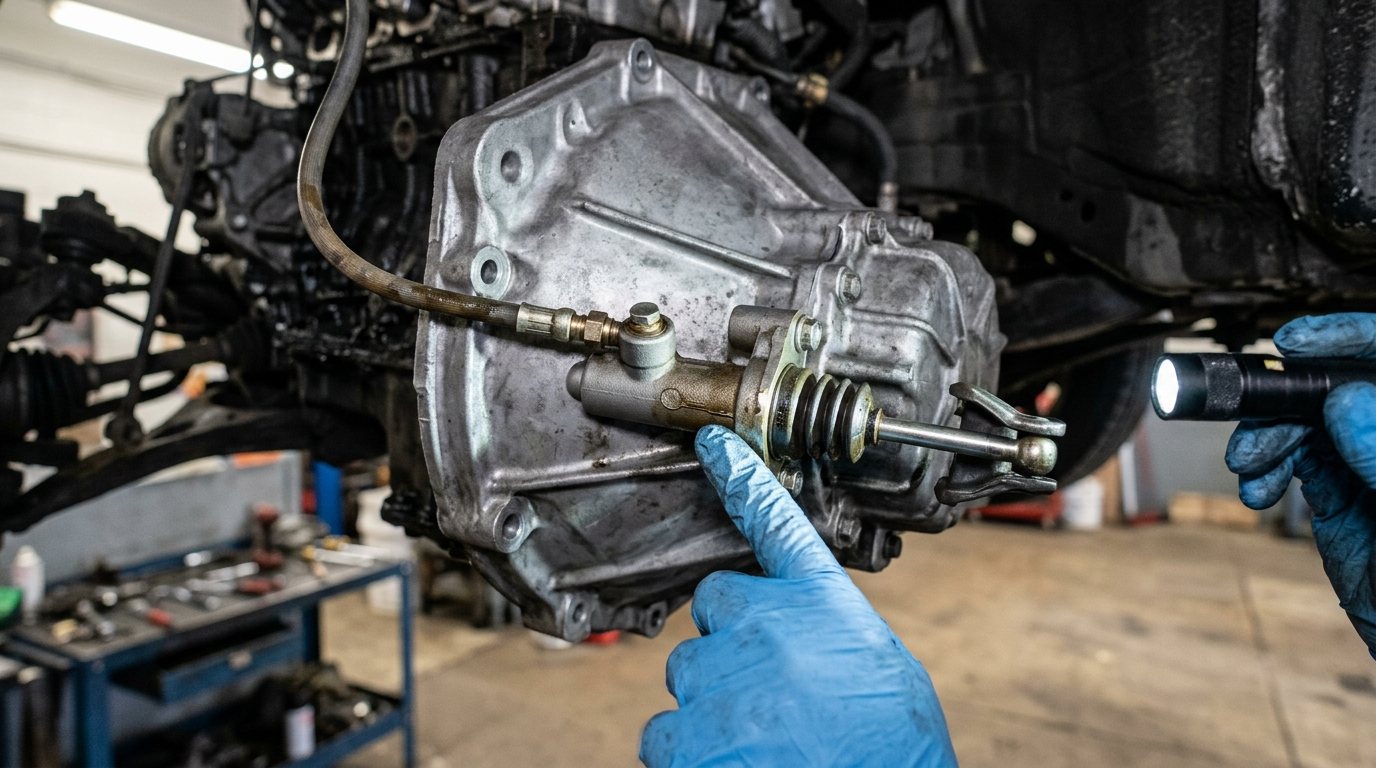
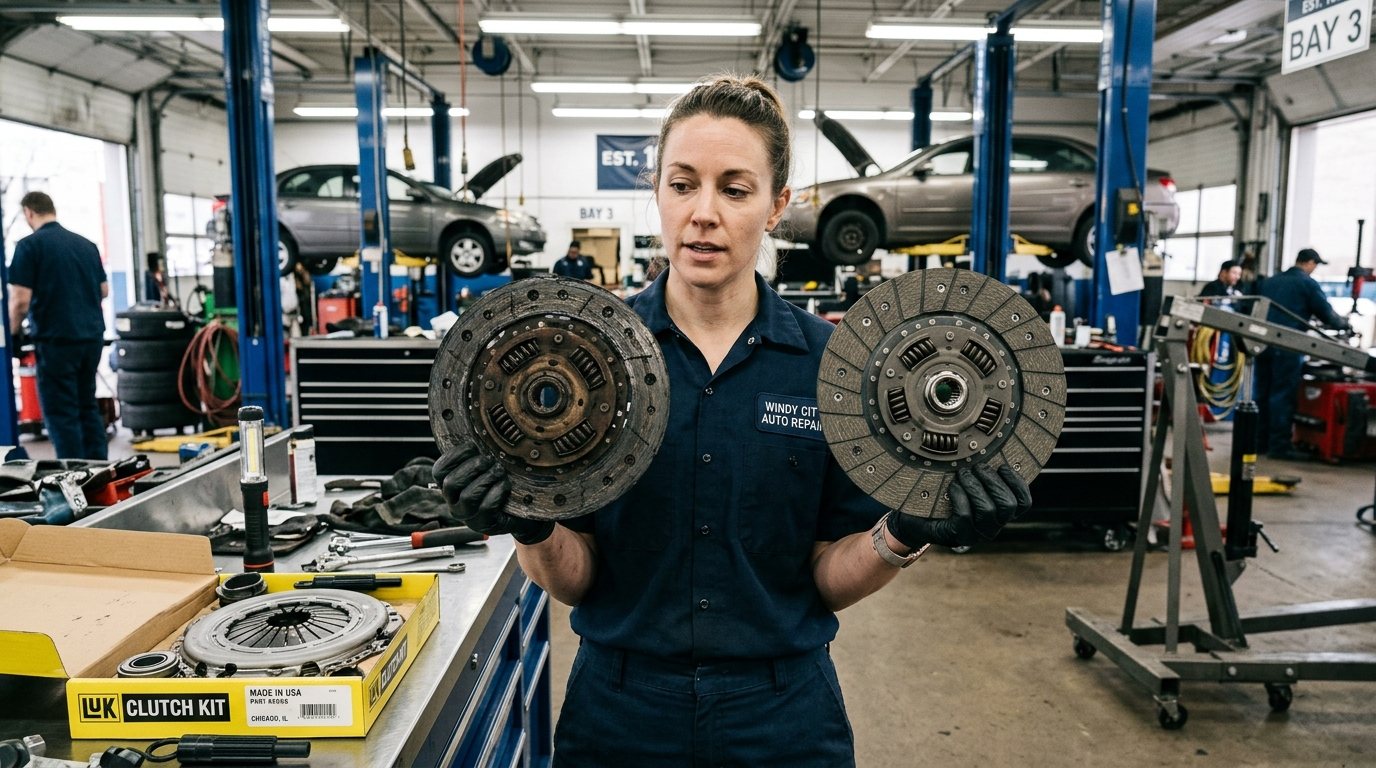
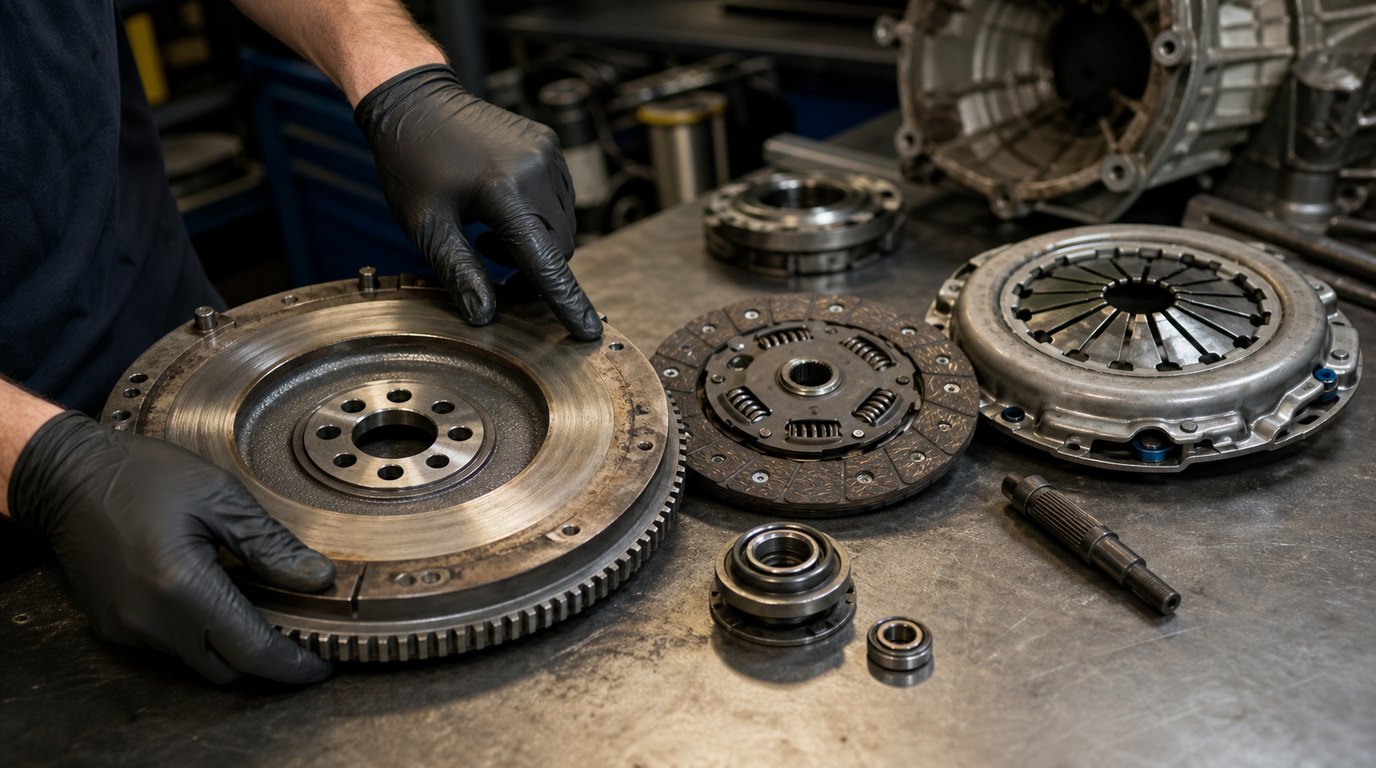
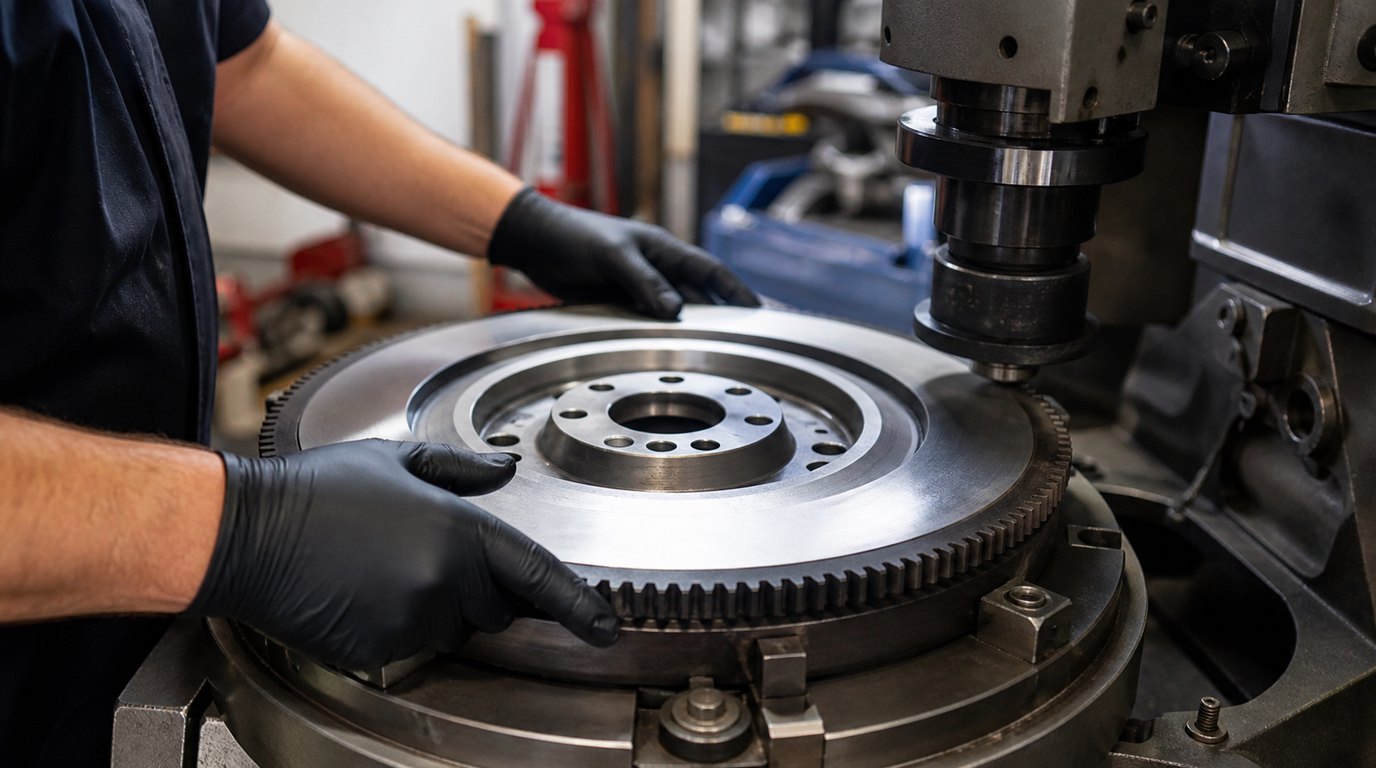
We diagnose manual clutch system problems for Arlington Heights drivers with a road test, scan data, fluid checks, and a written estimate before repair work starts. A clutch that slips on I-90 ramps or chatters in Route 53 traffic should be checked before it damages the flywheel.
Send the vehicle details and we will respond by call, text, or email.
A clutch replacement is not just installing a new disc. The repair should explain why the clutch failed, whether the flywheel is usable, whether hydraulics are working, and whether the manual transmission itself is healthy.
Slipping under acceleration usually points toward disc wear, contamination, pressure plate weakness, or flywheel surface issues. A soft or low pedal can point toward hydraulic failure. Grinding into gear can be clutch release, pilot bearing, synchro, or linkage related.
We check pedal feel, engagement point, leaks, fluid condition, release bearing noise, fork or actuator behavior, flywheel condition, rear main seal area, and whether the vehicle has been driven while slipping.
Arlington Heights traffic can be hard on manual cars because repeated starts, cold weather, and short trips create heat cycles. A clutch that slips on Route 53 or I-90 should be inspected before it damages the flywheel.
A proper quote should list the clutch components, flywheel plan, hydraulic recommendations, seals, and any manual transmission concerns found during diagnosis.
If a leak contaminated the clutch, the leak needs to be repaired. If the flywheel is heat-damaged, resurfacing or replacement should be discussed before the transmission goes back in.
If the gearbox has internal synchro wear, a clutch replacement may improve release but not fix every shift complaint. We explain that before work starts.
If the engine revs but the vehicle does not accelerate normally, the clutch is generating heat. Continuing to drive can warp the flywheel, damage the pressure plate, and turn a straightforward replacement into a larger job.
Tell us whether the slip happens in higher gears, whether the pedal feels soft, whether you smell burning, and whether the vehicle grinds going into gear. Those details help separate clutch wear from hydraulic or transmission problems.
We will put the clutch, flywheel, hydraulic, and warranty decisions in writing before the repair is approved.
Call, text, or send the form. We will start with the complaint, inspect the manual clutch system, and explain the practical repair path. Free diagnostic, written estimate, no obligation.
Clutch Replacement Arlington Heights photos
Clutch replacement photos should support disc wear, flywheel inspection, release system checks, hydraulic leaks, and manual transmission diagnosis.