
Symptoms
We document when the symptom appears, whether it changes warm versus cold, and whether the complaint sounds like hydraulic, electrical, clutch, converter, fluid, mount, or internal wear.
Transmission solenoids control shift timing, pressure, lockup, and fluid routing. When one fails electrically or sticks hydraulically, the vehicle may shift hard, skip gears, set codes, go into limp mode, or refuse to engage correctly.
Short winter trips, road salt, hot commuting on I-90, and repeated Route 53 acceleration can expose wiring, connector, fluid, and pressure-control issues. A solenoid code is a starting point, not a final answer.

Transmission solenoid replacement should be based on scan data, live pressure or command data, electrical checks, fluid evidence, valve-body condition, wiring integrity, and road-test symptoms before parts are ordered.
Hard shifts, delayed engagement, limp mode, gear-ratio codes, solenoid codes, pressure-control faults, hot-only symptoms, or intermittent no-shift behavior can involve a solenoid, but they can also involve wiring, valve body wear, fluid, or internal damage.
The repair path should separate an electrical repair, connector or harness issue, individual solenoid, solenoid body, valve body, fluid service, programming, rebuild, used, remanufactured, and replacement options.
Get Free DiagnosticThese clues need evidence before parts are ordered. Codes, fluid condition, road-test timing, and related-system checks keep the estimate honest.
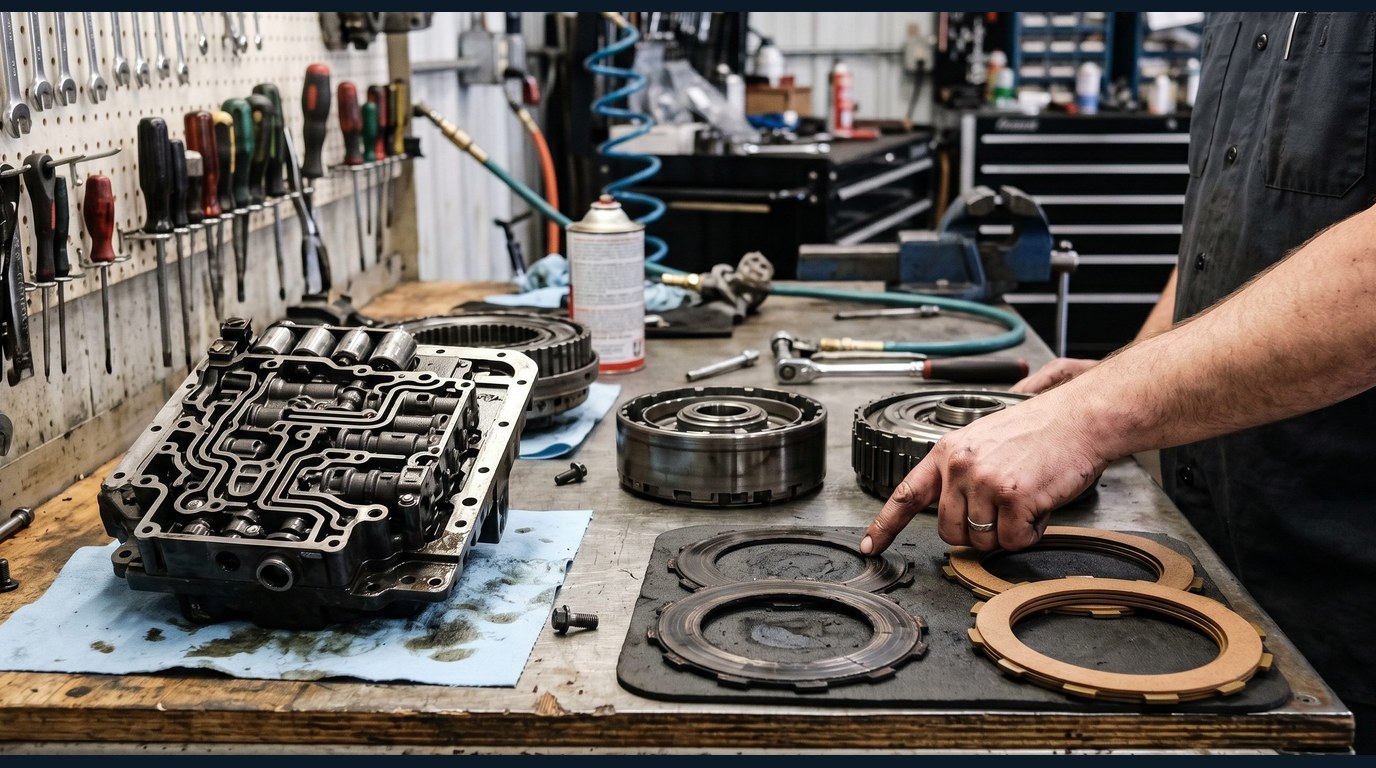
If the evidence points to a related system instead of the transmission itself, we explain that before recommending transmission work.
A useful estimate should explain what failed, what can wait, what protects the vehicle, and how the repair path compares with replacement.
We document when the symptom appears, whether it changes warm versus cold, and whether the complaint sounds like hydraulic, electrical, clutch, converter, fluid, mount, or internal wear.
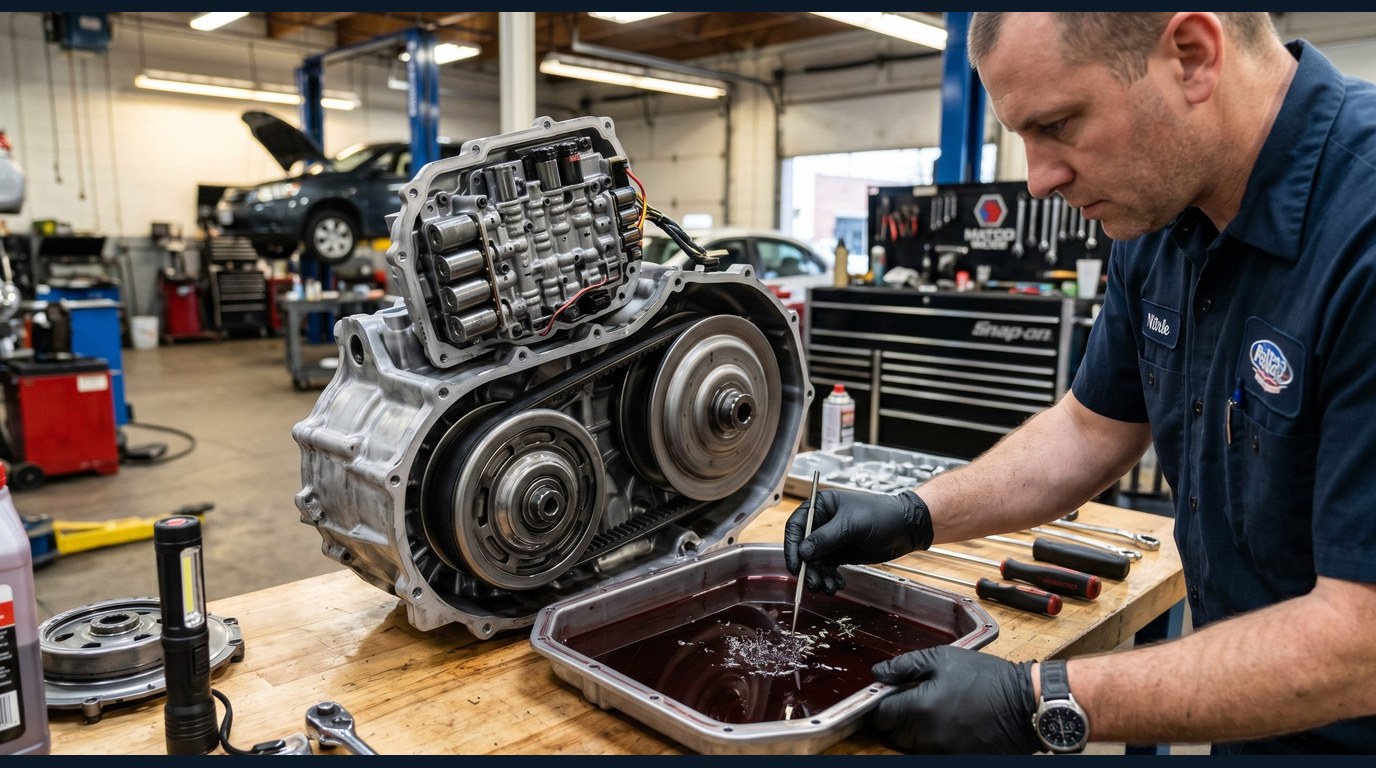
Scan data, fluid evidence, leak checks, road-test notes, service history, and parts availability keep the recommendation grounded.

The written estimate separates service, targeted repair, rebuild, used unit, remanufactured unit, and replacement options before money is spent.
Solenoid pricing depends on access, whether the solenoid is serviceable by itself, fluid condition, programming needs, and whether valve-body or internal wear caused the fault.
Call or text 847-393-0191 with the year, make, model, mileage, codes, warning text, leak history, and symptoms.