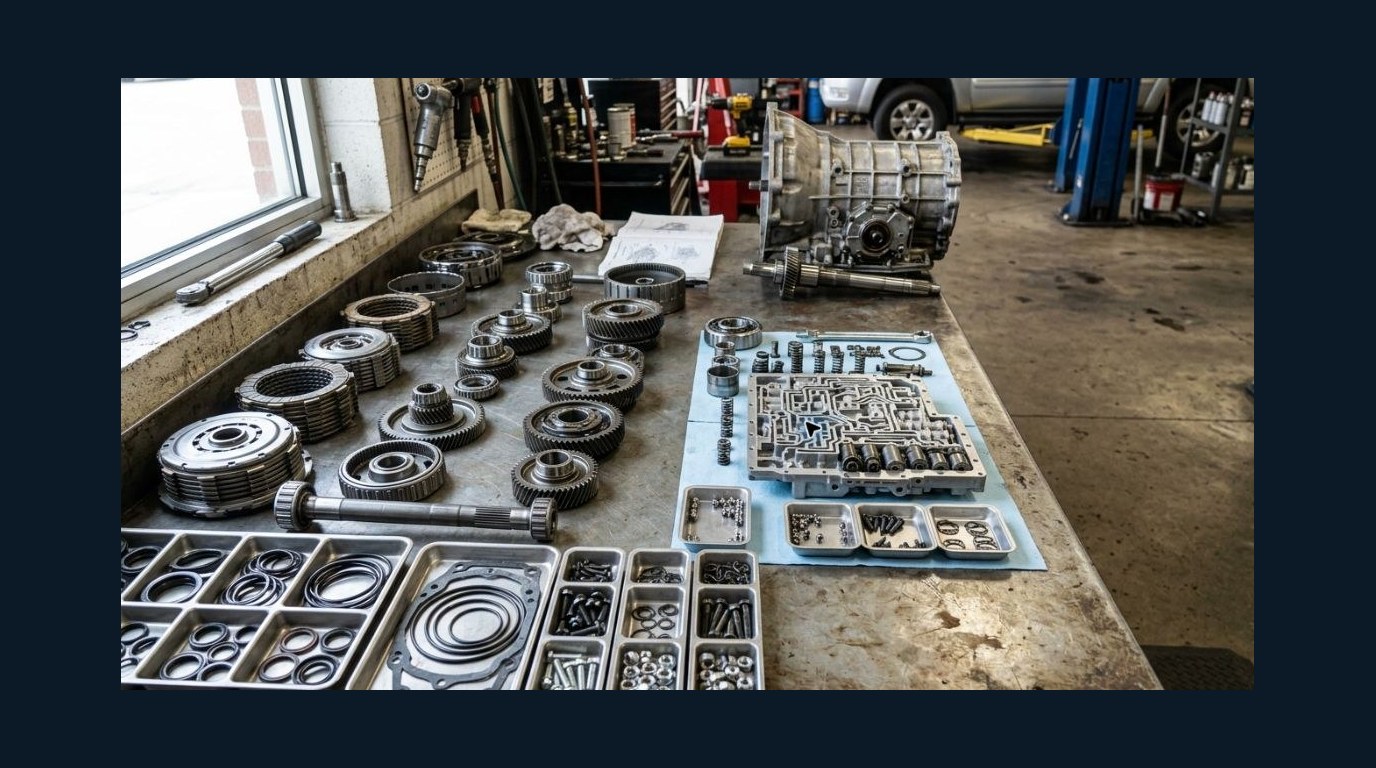
Symptoms
We document when the symptom appears, whether it changes warm versus cold, and whether the complaint sounds like hydraulic, electrical, clutch, converter, fluid, mount, or internal wear.
Remanufactured transmission installation is for cases where a replacement unit is the better value than repairing the original. We compare availability, fitment, warranty, core rules, cooler service, and programming before recommending it.
A remanufactured transmission can be a smart choice for Arlington Heights drivers when the original unit is badly damaged, parts are scarce, or a dependable replacement with clear warranty terms makes more sense than rebuilding the unit in the vehicle.

A remanufactured transmission can be the right path when internal damage, debris, parts availability, warranty needs, or downtime makes a targeted repair or local rebuild less practical. It still needs diagnosis before approval.
The estimate should compare remanufactured, rebuilt, used, and replacement options with converter, cooler, programming, fluid, mount, axle, and warranty details explained in writing.
The goal is to avoid paying remanufactured-unit money when a targeted repair would solve the issue, and to avoid installing a unit without correcting the cause of failure.
Get Free DiagnosticThese clues need evidence before parts are ordered. Codes, fluid condition, road-test timing, and related-system checks keep the estimate honest.

If the evidence points to a related system instead of the transmission itself, we explain that before recommending transmission work.
A useful estimate should explain what failed, what can wait, what protects the vehicle, and how the repair path compares with replacement.
We document when the symptom appears, whether it changes warm versus cold, and whether the complaint sounds like hydraulic, electrical, clutch, converter, fluid, mount, or internal wear.
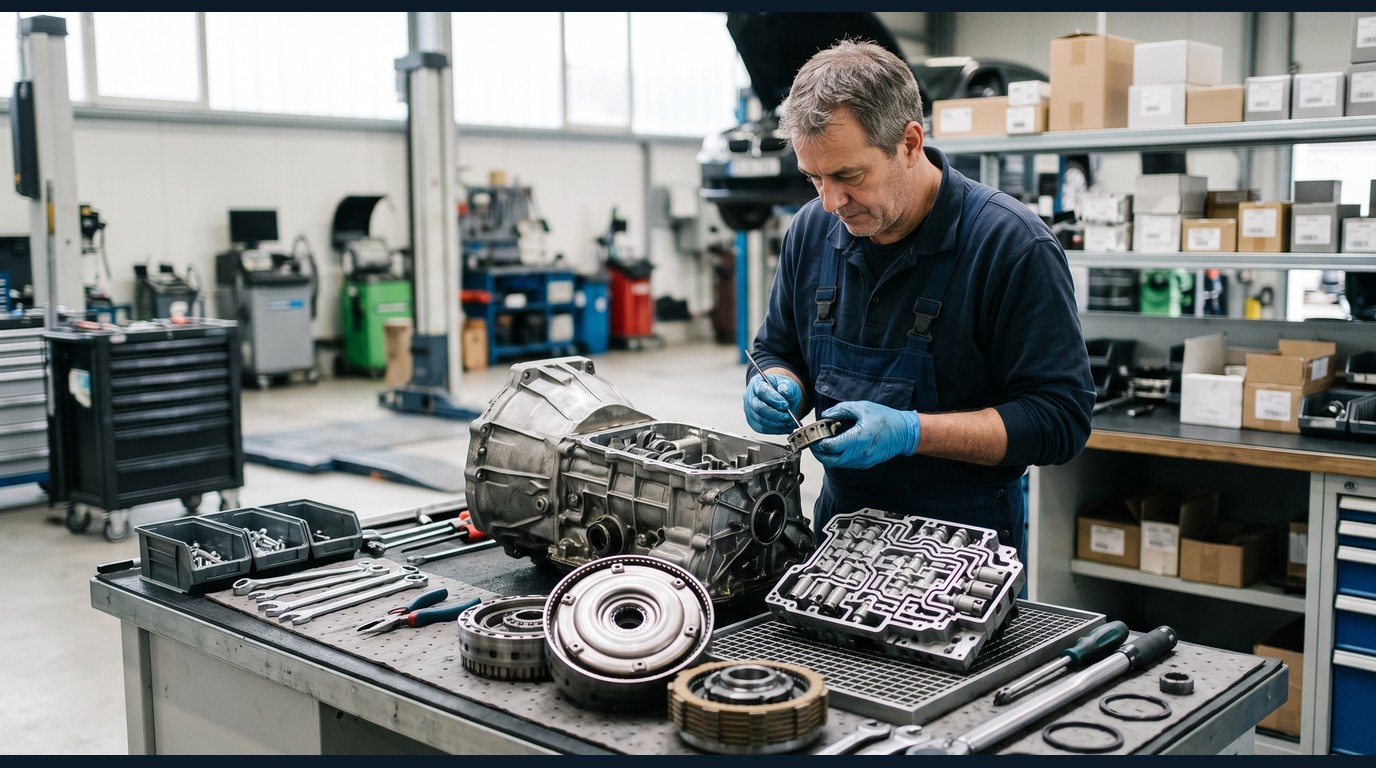
Scan data, fluid evidence, leak checks, road-test notes, service history, and parts availability keep the recommendation grounded.
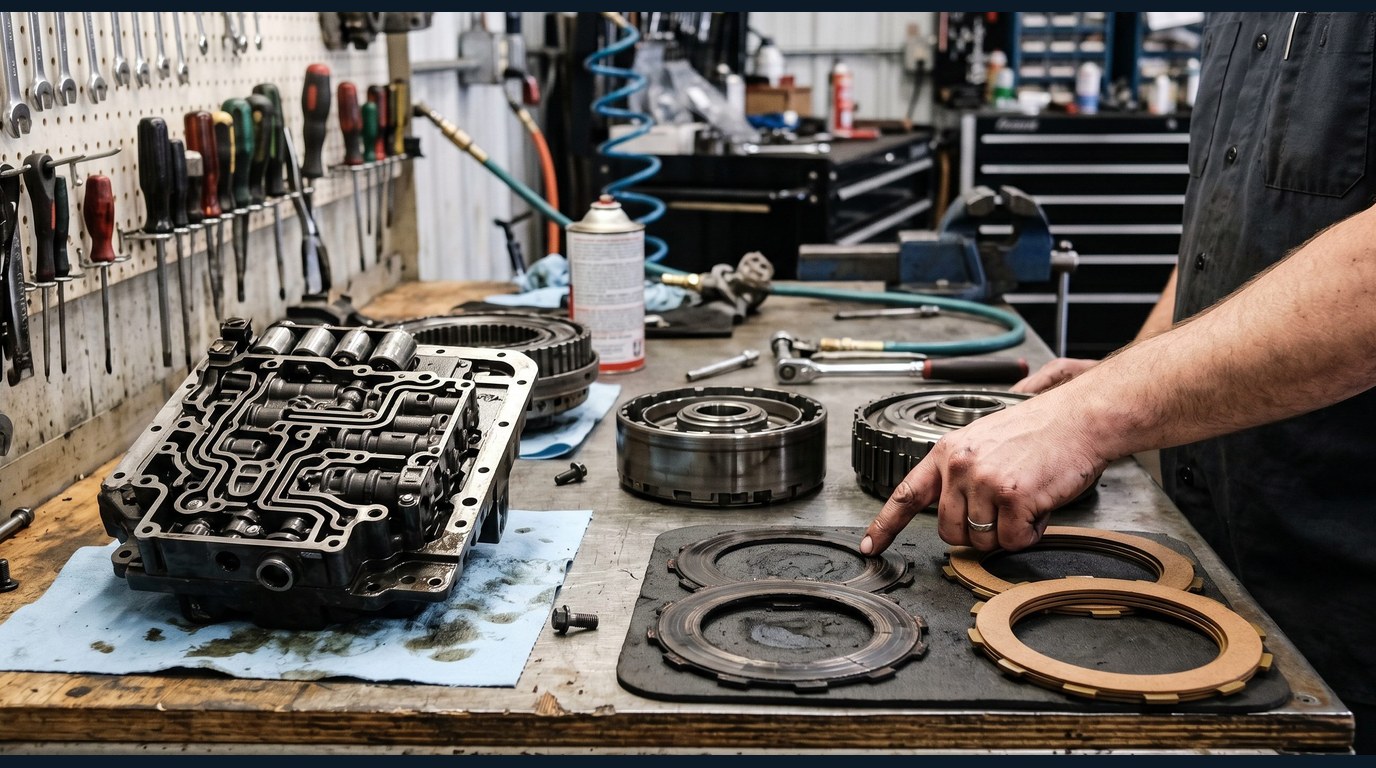
The written estimate separates service, targeted repair, rebuild, used unit, remanufactured unit, and replacement options before money is spent.
Remanufactured transmission pricing depends on unit availability, warranty, converter/cooler needs, programming, labor access, and supporting repairs.
Call or text 847-393-0191 with the year, make, model, mileage, codes, warning text, leak history, and symptoms.