Transmission overheating is a damage multiplier. Heat breaks down fluid, hardens seals, burns clutch material, and can make solenoids or valves stick. If the warning appears, the goal is to stop adding heat and find the cause.
Warning Signs
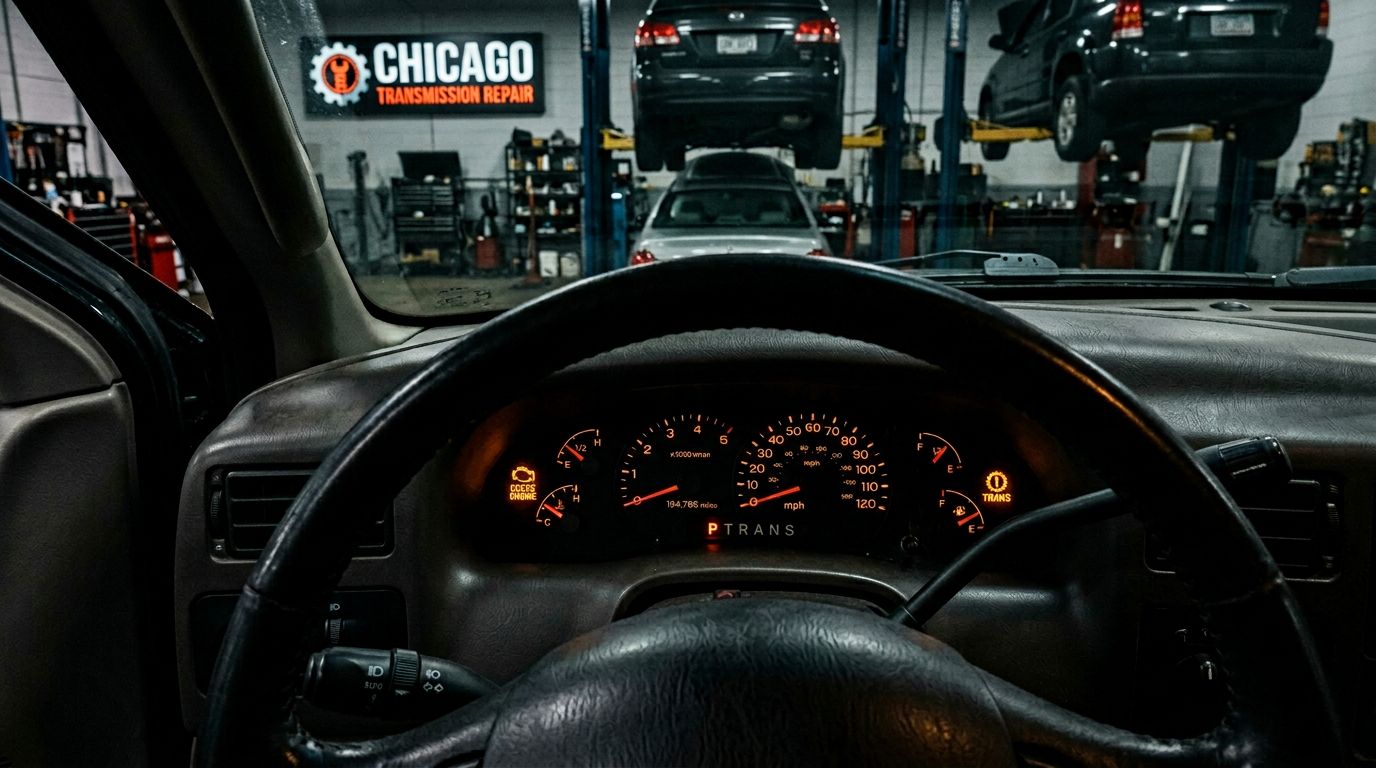
You may notice a hot smell, slipping, delayed engagement, warning light, limp mode, or dark fluid. Some vehicles show temperature data on the dash; others only store a code after the temperature crosses a limit.
Common Causes
- Low fluid from a leak.
- Restricted cooler or cooler lines.
- Converter slip creating constant heat.
- Towing, heavy loads, or long stop-and-go driving.
- Internal clutch slip or pressure loss.
What To Do
If the vehicle warns you, pull over safely and let it cool. Do not keep pushing through traffic. If the fluid smells burnt or the vehicle slips, call before driving it in.
Arlington Heights Conditions
Winter corrosion can damage cooler lines, and summer traffic on Route 53 or I-90 can expose cooling weakness. Tell us when the overheat happened and whether you were towing, idling, or driving highway speeds.
Repair Path
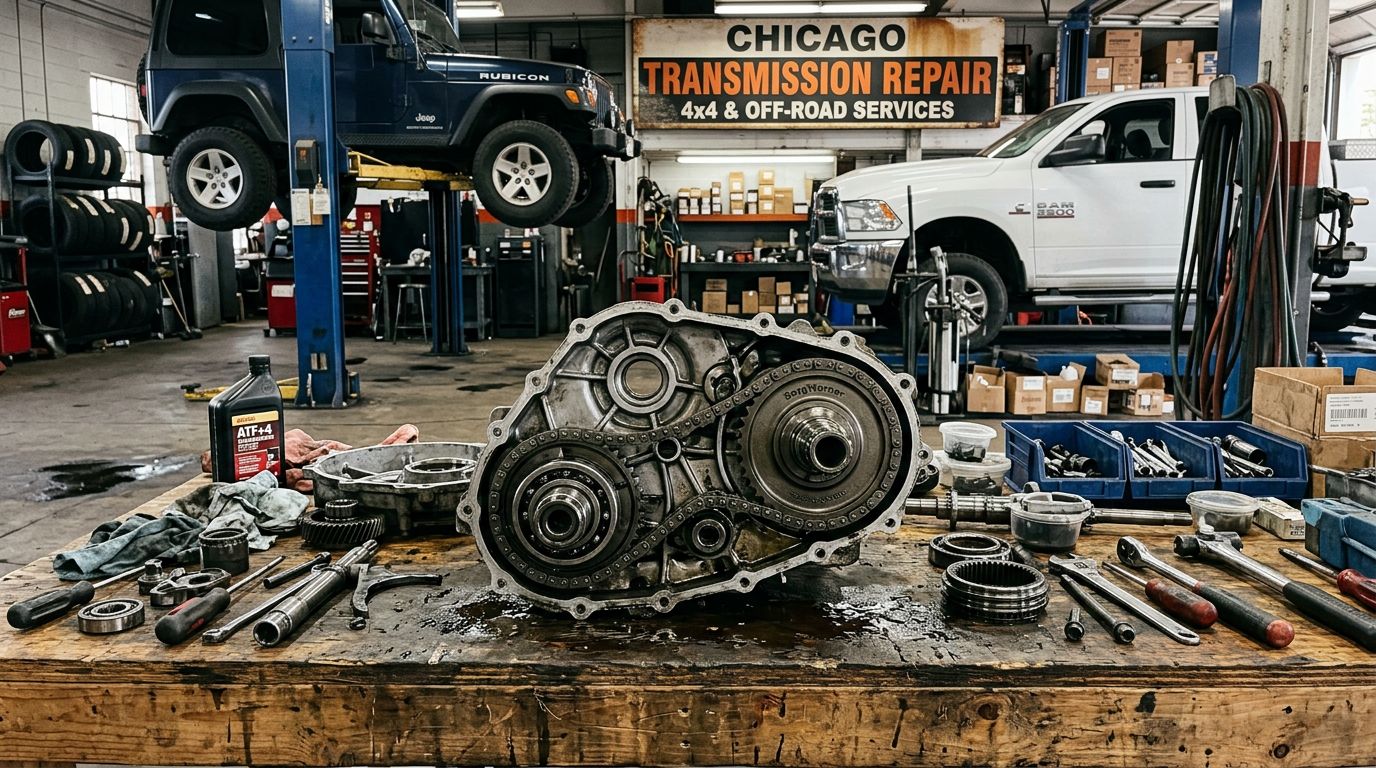
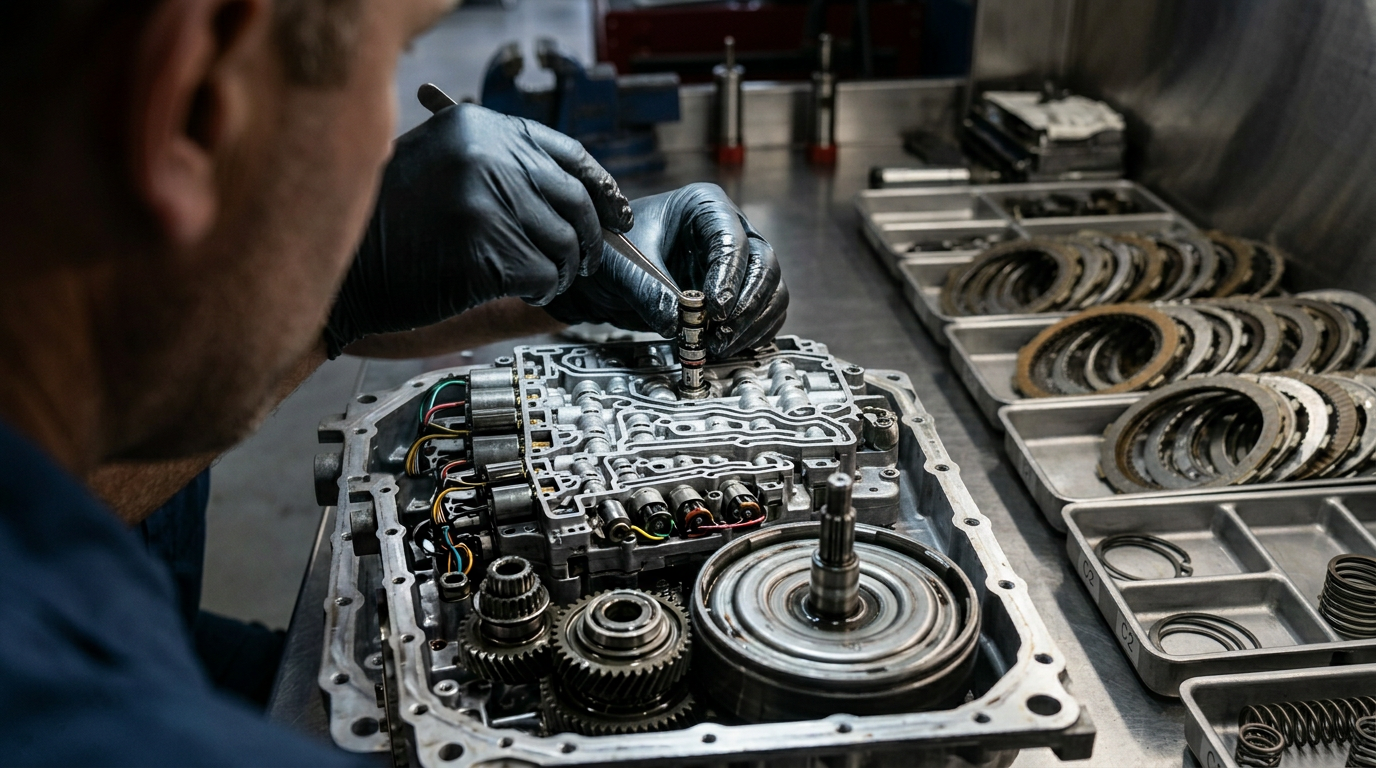
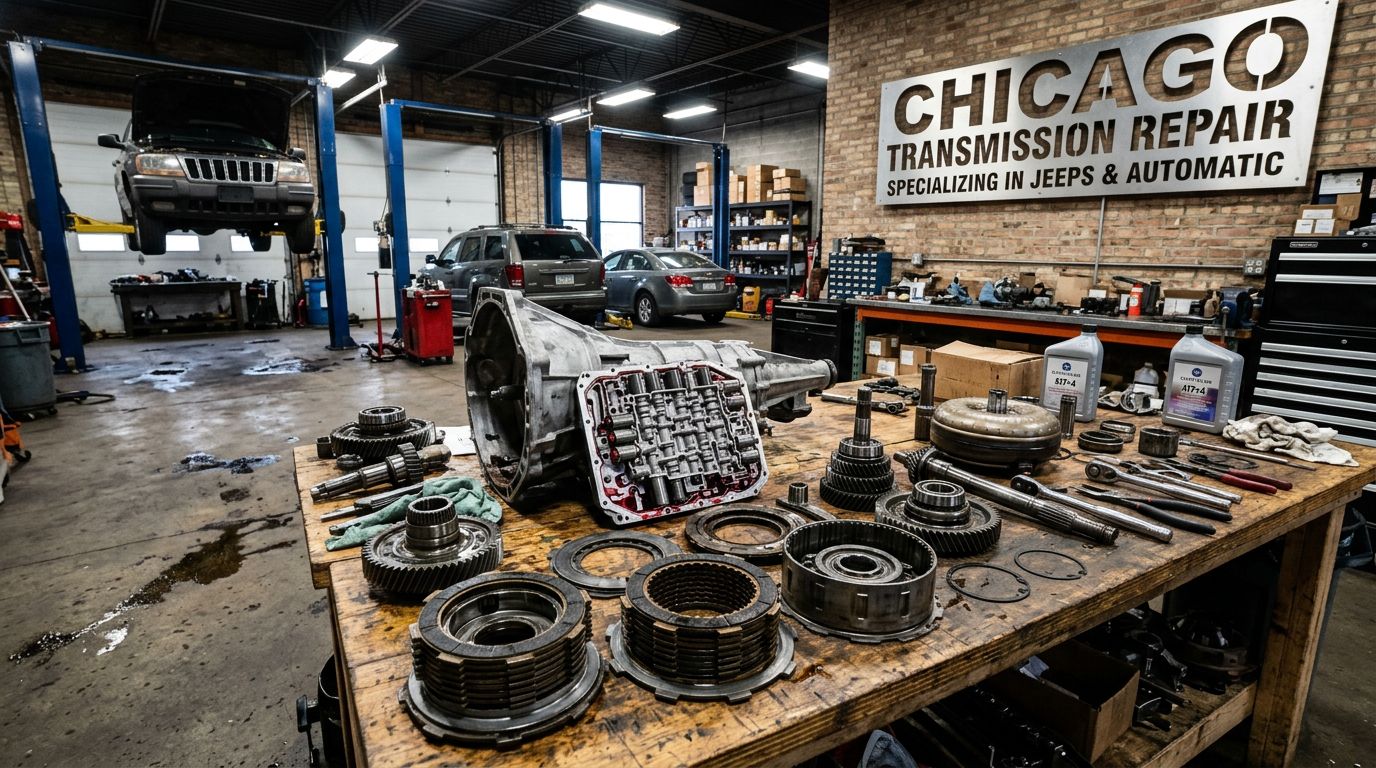
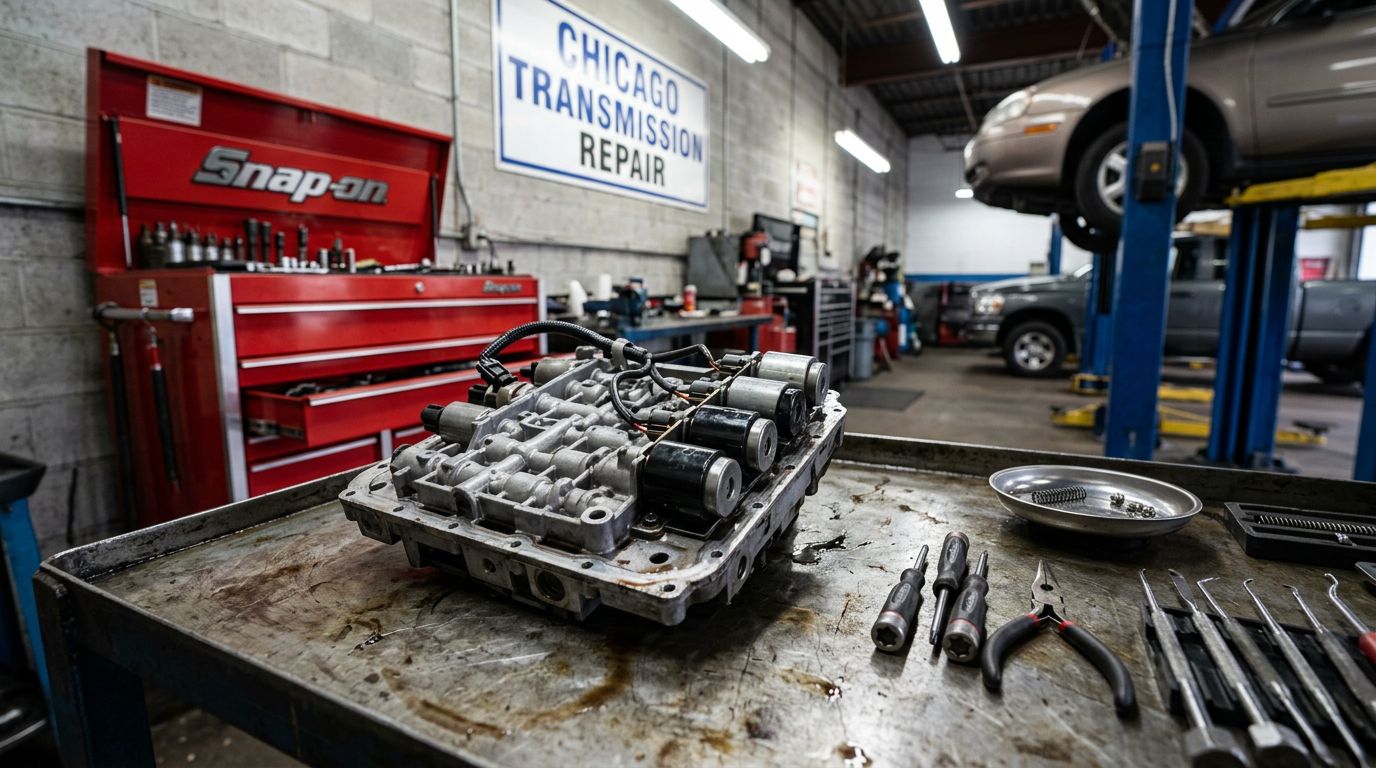
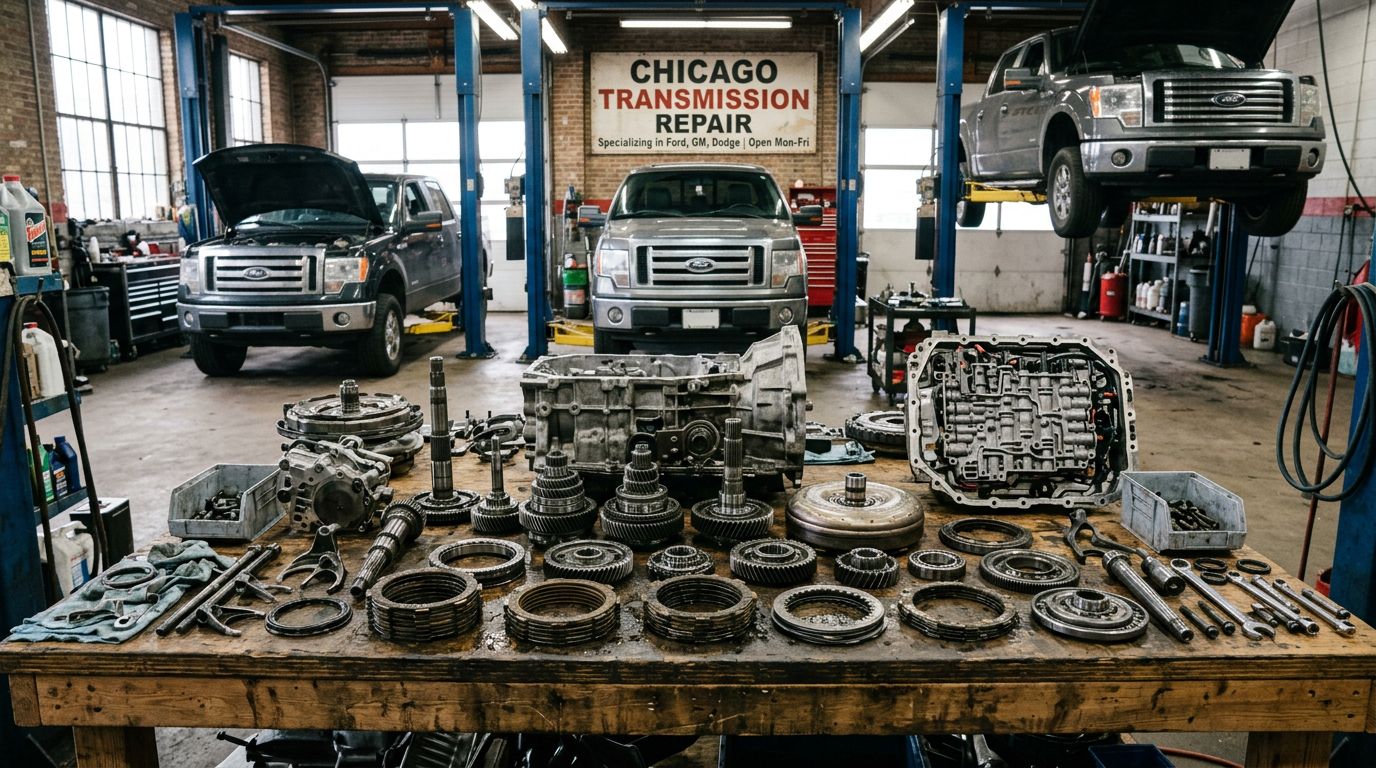
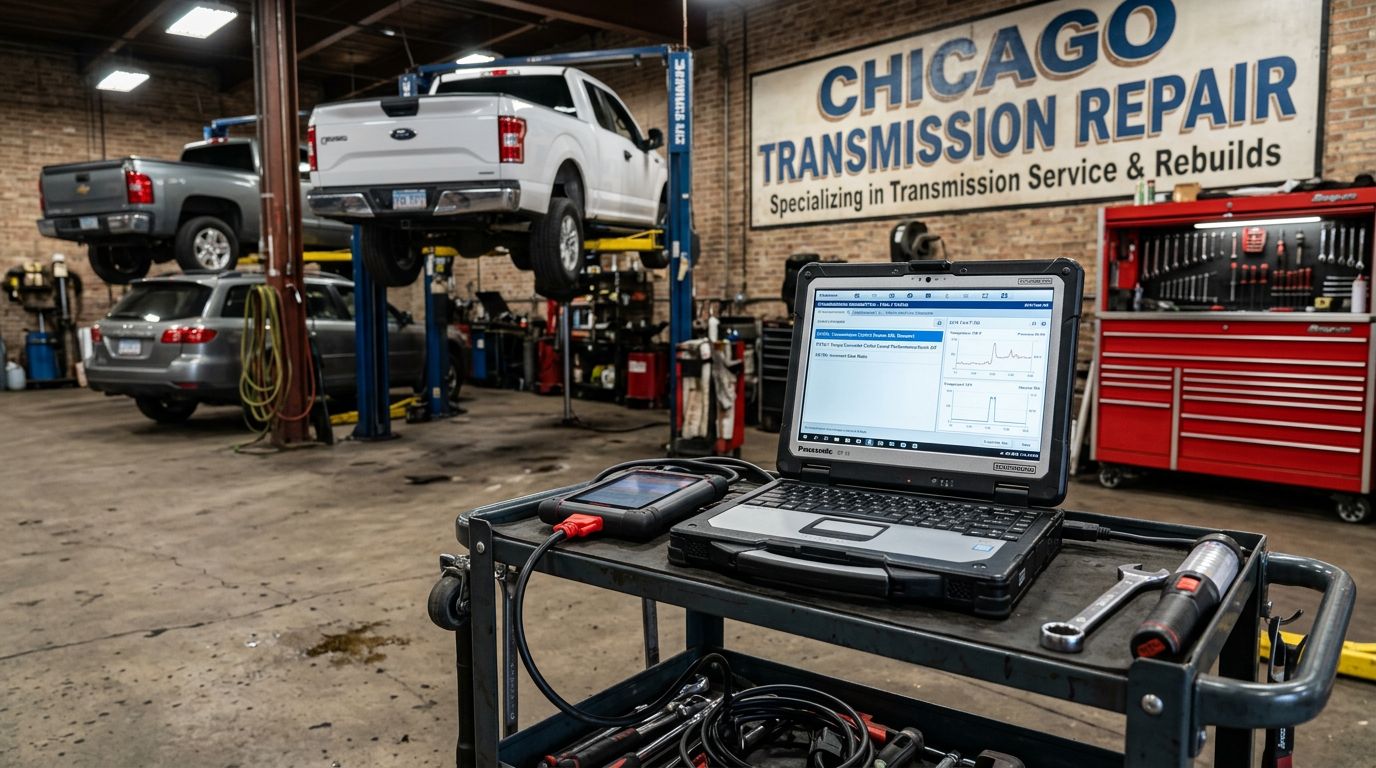
We inspect fluid, leaks, cooler flow, temperature data, converter behavior, and pan evidence. Repair may be cooler-line work, fluid service, converter repair, valve-body work, or internal repair depending on damage.
When Overheating Is A Symptom
Sometimes overheating is not the first failure. A slipping clutch, failing converter, or pressure loss can create the heat. If we only cool the transmission without fixing the slip, the temperature problem comes back.
What We Ask Before The Vehicle Arrives
Was the vehicle towing, stuck in traffic, leaking fluid, or climbing grades? Did the warning clear after cooling down? Did it shift differently afterward? Those answers tell us how aggressively to inspect for internal damage.
Cooling System And Transmission Are Connected
Transmission temperature is affected by fluid level, cooler flow, radiator condition, airflow, converter slip, and engine cooling. A vehicle that runs hot generally can push the transmission hotter too. We check the whole heat path instead of only replacing fluid.
Warning Signs After It Cools
If the vehicle shifts normally after cooling, damage may be limited. If it delays, slips, or smells burnt after cooling, the overheated fluid may have already lost holding power. That difference matters for the estimate.
Why We Check For The First Cause
Replacing burnt fluid without finding the heat source can waste money. The first cause might be a leak, cooler restriction, converter slip, dragging brake, engine cooling issue, or internal clutch wear. We look for the condition that created the temperature spike.
What To Bring In
Bring any temperature warning, codes, towing details, recent repairs, and a description of what the vehicle did after it cooled. If you saw fluid on the ground or smelled burnt fluid, say where and when it happened.
Why Timing Matters
A single overheat event caught early may end with a leak, cooler, fluid, or converter repair. Repeated overheating can harden seals and burn clutches. The sooner we see the vehicle after the warning, the better chance we have of separating prevention from repair.
What Not To Do
Do not keep clearing the warning and driving normally. Do not add universal fluid or additives without checking the specification. Do not tow or drive highway speeds until the level, leak status, and cooler function are known. Those shortcuts can turn a heat warning into internal damage.
How The Estimate Changes
If fluid is clean and the cause is external, the repair may stay limited. If the pan shows clutch material, the estimate has to include the damage that overheating already caused. That is why the same temperature code can lead to very different repair paths.