If a vehicle backs up but will not move forward, stop forcing it. Reverse and forward gears use different clutch circuits, bands, hydraulics, and controls. When reverse works but Drive does not, the diagnosis needs to happen before more throttle turns a serious problem into a larger one.
Why Reverse Can Work When Drive Fails
Automatic transmissions apply different internal elements for reverse than they do for forward gears. A failed forward clutch, low pressure, valve-body issue, broken linkage, solenoid problem, or internal mechanical failure can leave reverse available while Drive does nothing. On some vehicles, electronic limp strategy can also change what gears are available.
What Drivers Usually Notice
- Reverse engages normally, but Drive feels neutral.
- The vehicle moves forward only after high RPM.
- Drive works cold, then disappears hot.
- The transmission bangs, slips, or drops out after moving.
- Warning lights or transmission codes appear.
Do Not Rev It To Make It Move
High RPM can burn clutches quickly when pressure or apply circuits are failing. If the vehicle barely moves forward, forcing it across a parking lot or into traffic can create more debris and heat. That can change the repair from a targeted diagnosis to a teardown conversation.
Could It Be Something Simple?
Sometimes. Low fluid from a leak, shift cable issues, range sensor problems, electrical faults, or valve-body problems can create confusing engagement symptoms. But because no-forward-gear complaints can also mean internal failure, the simple possibilities need to be checked carefully, not assumed.
Drive-Or-Tow Decision
If the vehicle has no forward movement, tow it. If it moves forward weakly, slips, or requires extra throttle, tow it. If the symptom happened once and then cleared, call before driving it through Arlington Heights traffic or onto Route 53. The safest answer depends on how repeatable the failure is.
What We Check First
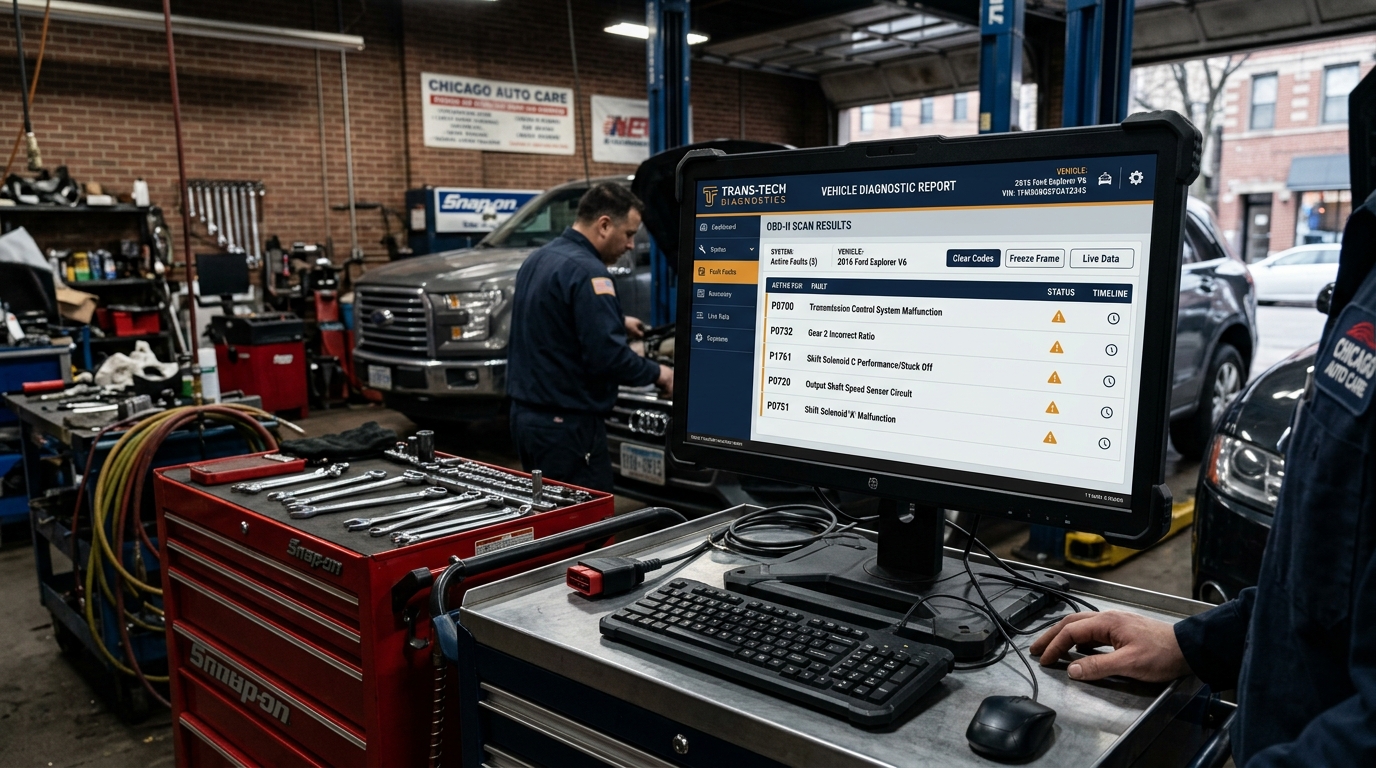
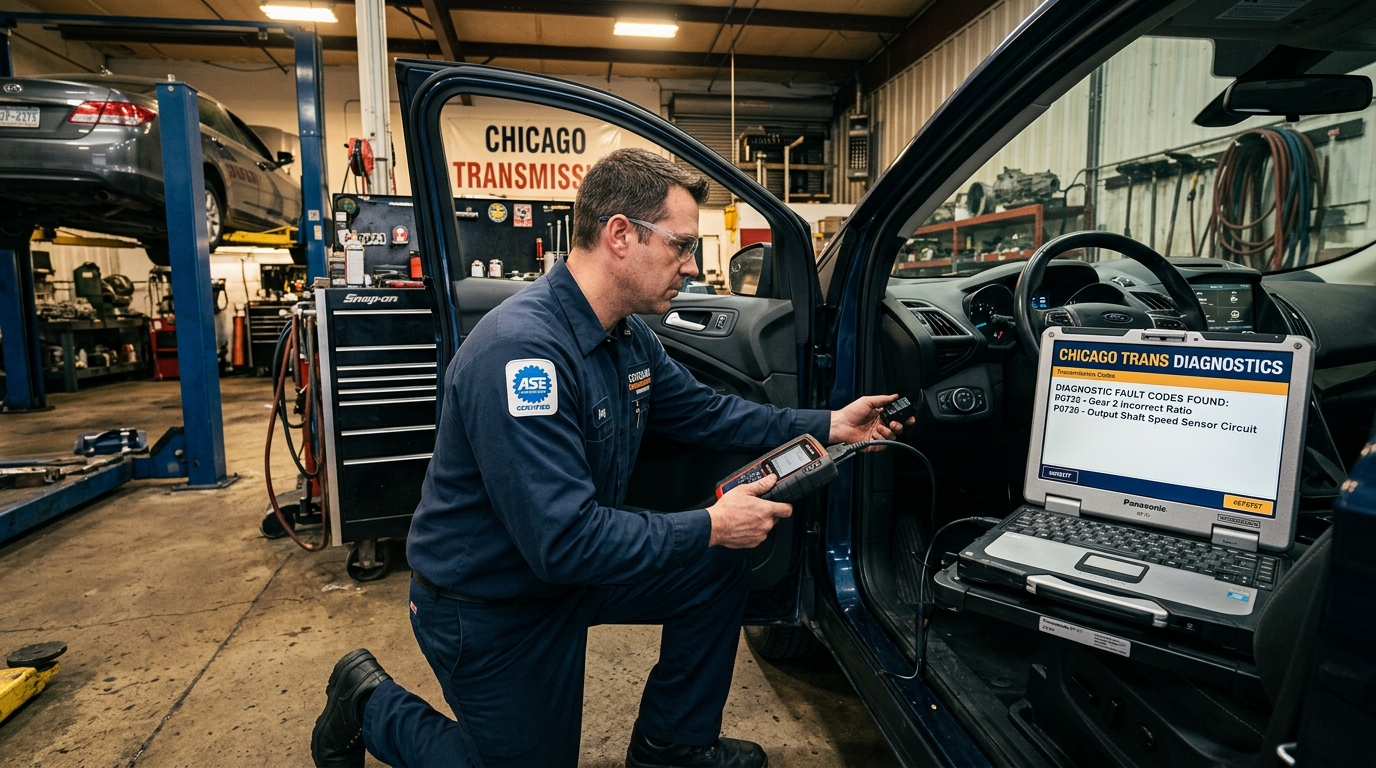
We verify fluid level and condition, scan codes, check range selection, inspect for leaks, confirm whether reverse and manual low ranges work, and look for signs of internal material. If the transmission can be road-tested safely, we do that only after the basic checks make sense.
Forward Clutch And Pressure Clues
When forward gears are gone, pressure information matters. Low line pressure, delayed apply, or ratio errors can tell us whether the problem is hydraulic, electronic, or internal. If the fluid is clean and codes point to control, the estimate may stay narrower. If the fluid is burnt and full of material, the discussion changes.
Manual Low Can Tell A Story
On some automatics, trying manual low or different ranges helps identify which circuit is missing. That does not mean the driver should keep testing it in traffic. It means the shop can use controlled checks to understand whether one apply path has failed or the whole unit has a pressure problem.
Why Parking-Lot Testing Is Risky
Repeatedly shifting from Reverse to Drive and revving the engine can create heat fast. If the forward clutch is already weak, every test can add more debris. A few careful checks are useful. Ten minutes of trying to make it move is not.
Repair Paths
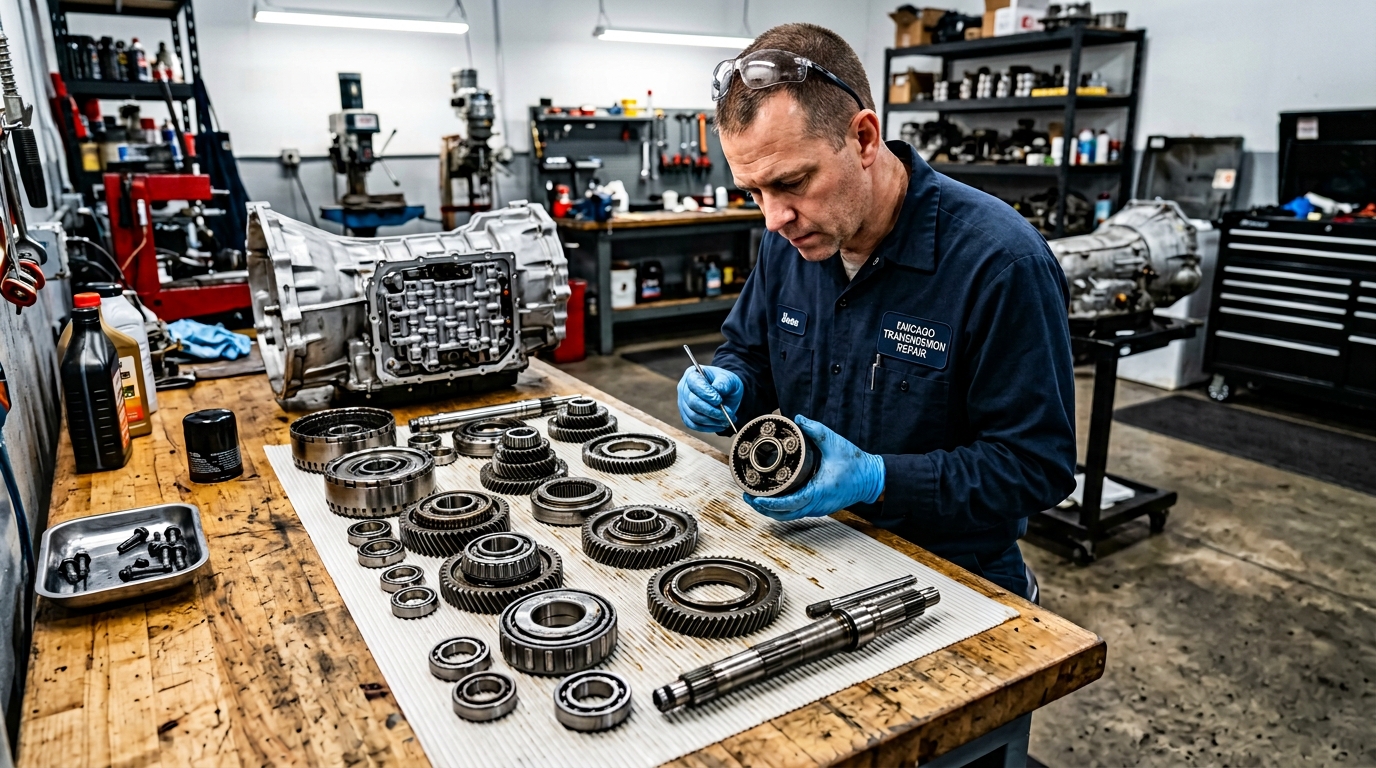
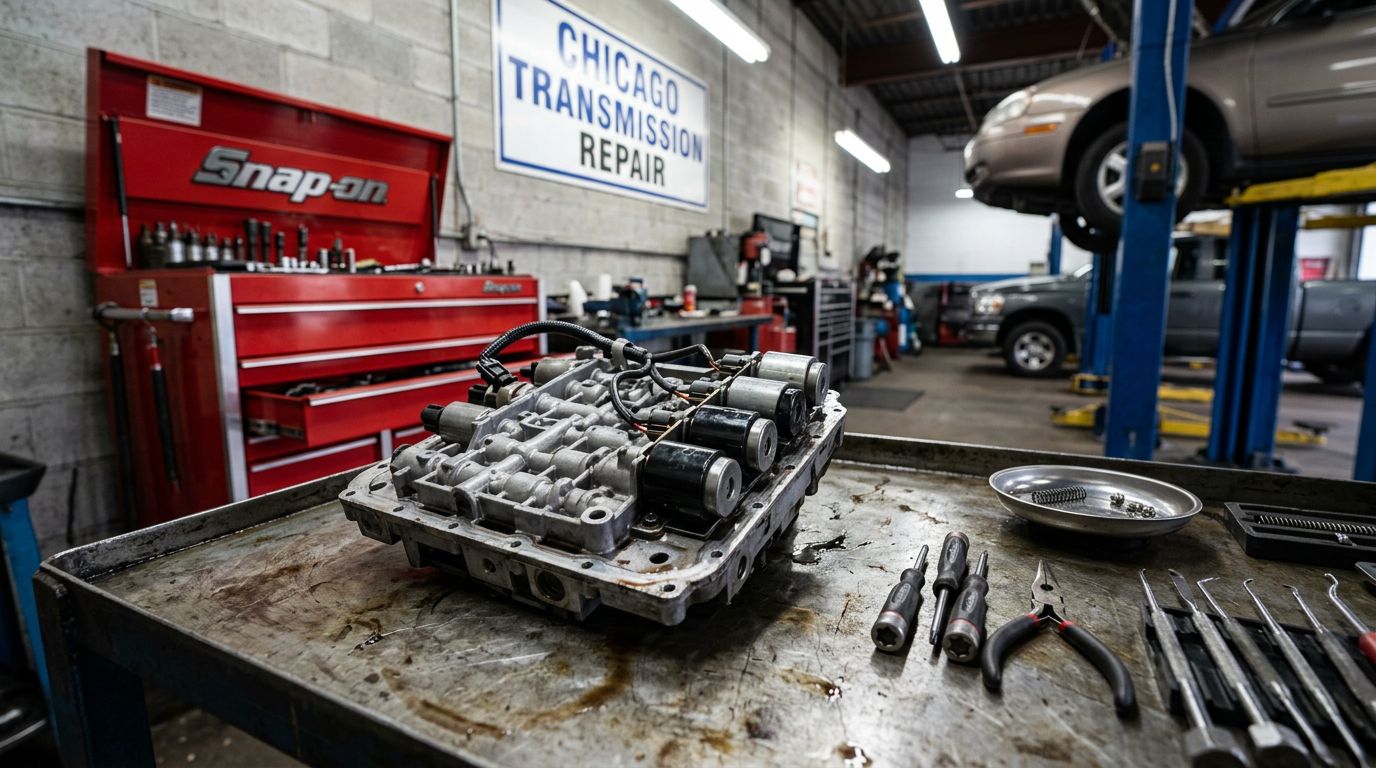
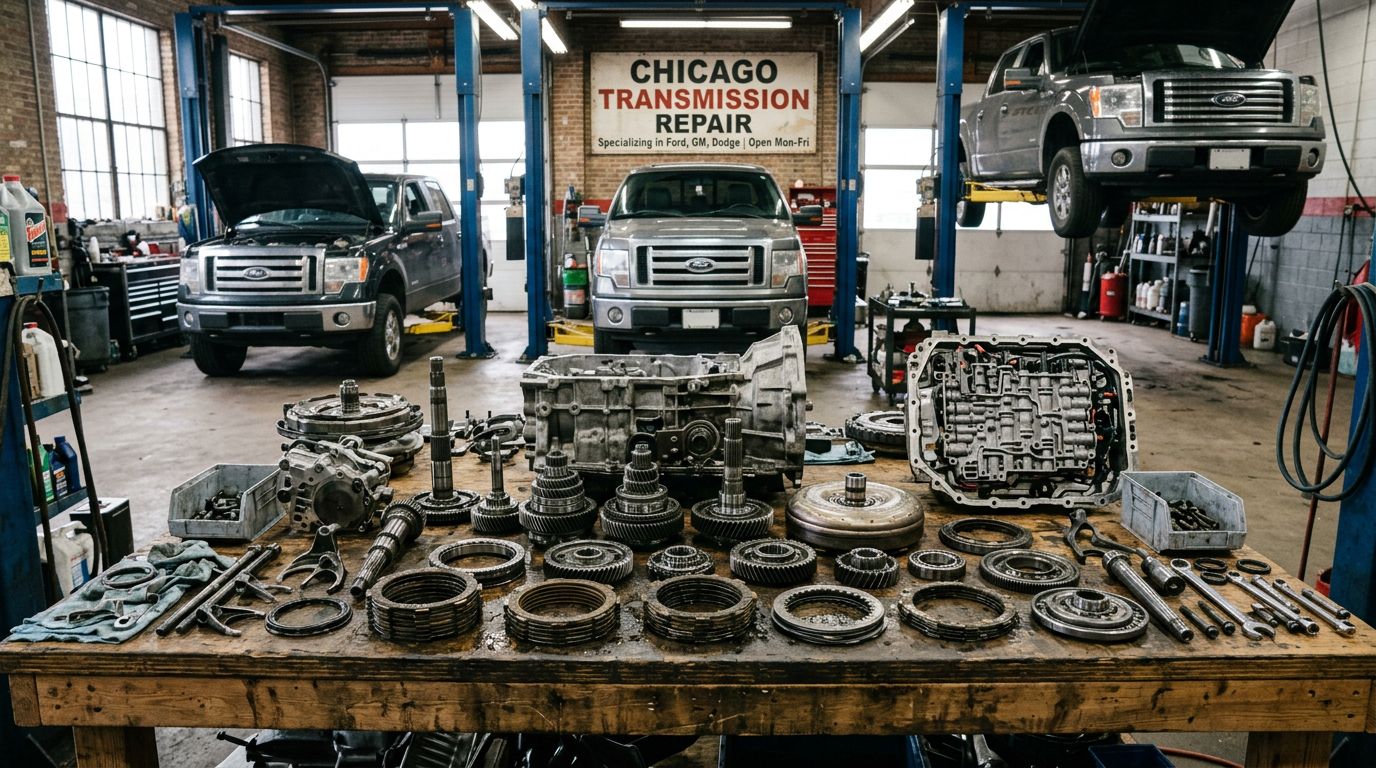
The repair may be fluid/leak correction, linkage or range repair, solenoid or valve-body work, converter and pressure diagnosis, or internal rebuild. The estimate should explain which forward apply element or control path failed instead of simply saying "needs transmission."
What A Second Opinion Should Confirm
If another shop already quoted a full transmission, ask whether they checked fluid level, range input, codes, pressure, and debris. A complete quote should explain why reverse works but forward does not. Without that explanation, you may not know whether the vehicle needs a targeted repair or internal work.
Front-Wheel Drive And Rear-Wheel Drive Differences
A front-wheel-drive sedan, an AWD crossover, and a rear-wheel-drive truck can all show the same driver complaint while needing different labor and parts decisions. Access, transfer case involvement, axle seals, cooler routing, and transmission family all affect the final estimate. That is why we do not quote this symptom with one flat number.
Cold Versus Hot Failure
If Drive works cold and disappears hot, heat and pressure loss move higher on the list. If Drive never works, even after sitting overnight, a hard part, apply circuit, linkage, or serious internal failure may be more likely. The temperature pattern is one of the most useful things you can tell us on the first call.
Fluid Condition Changes The Risk
Clean fluid with no burnt smell gives us more room to investigate electrical, range, valve-body, or external issues. Burnt fluid with clutch dust or metal means the forward failure has likely been creating heat and debris. That difference affects whether the estimate starts with testing or teardown.
Why This Symptom Feels Urgent
A vehicle that only backs up is not dependable transportation. Even if you can reverse out of a parking spot, you may not be able to move safely through an intersection or onto a tow truck without help. Treat it as a breakdown symptom, not as a minor shift complaint.
What To Tell Us
Call or text 847-393-0191 with the year, make, model, mileage, whether reverse works strongly, whether Drive works at all, what the fluid looks or smells like, and whether there are warning lights. If another shop already looked at it, send the estimate before approving anything.