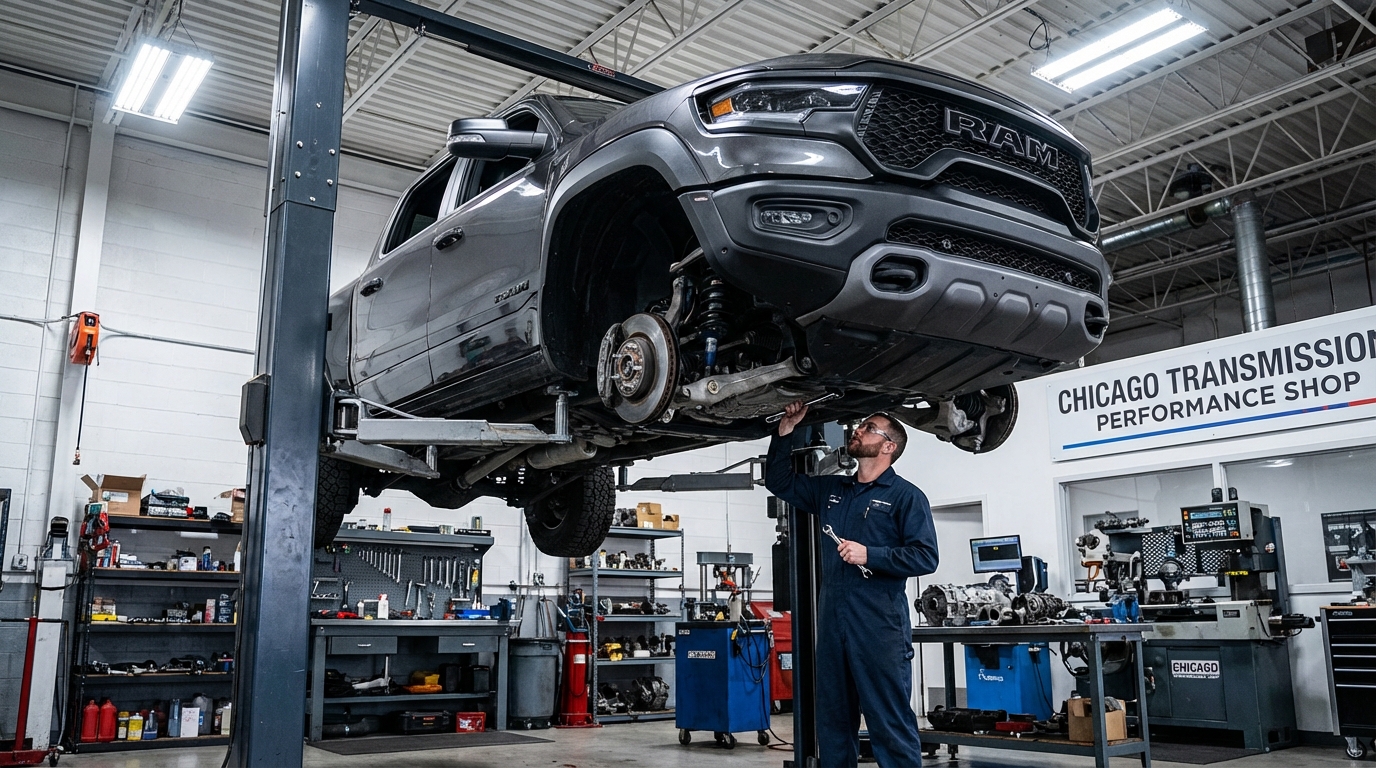
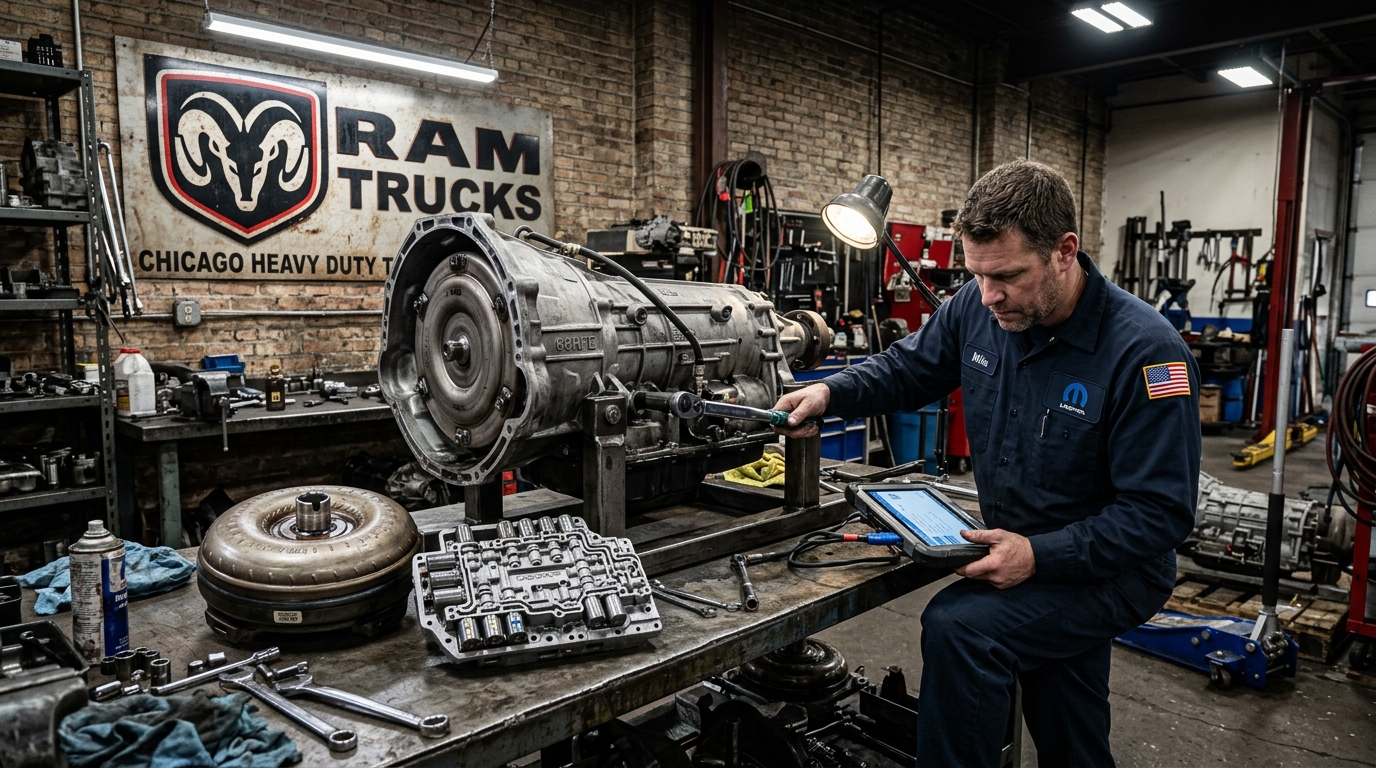
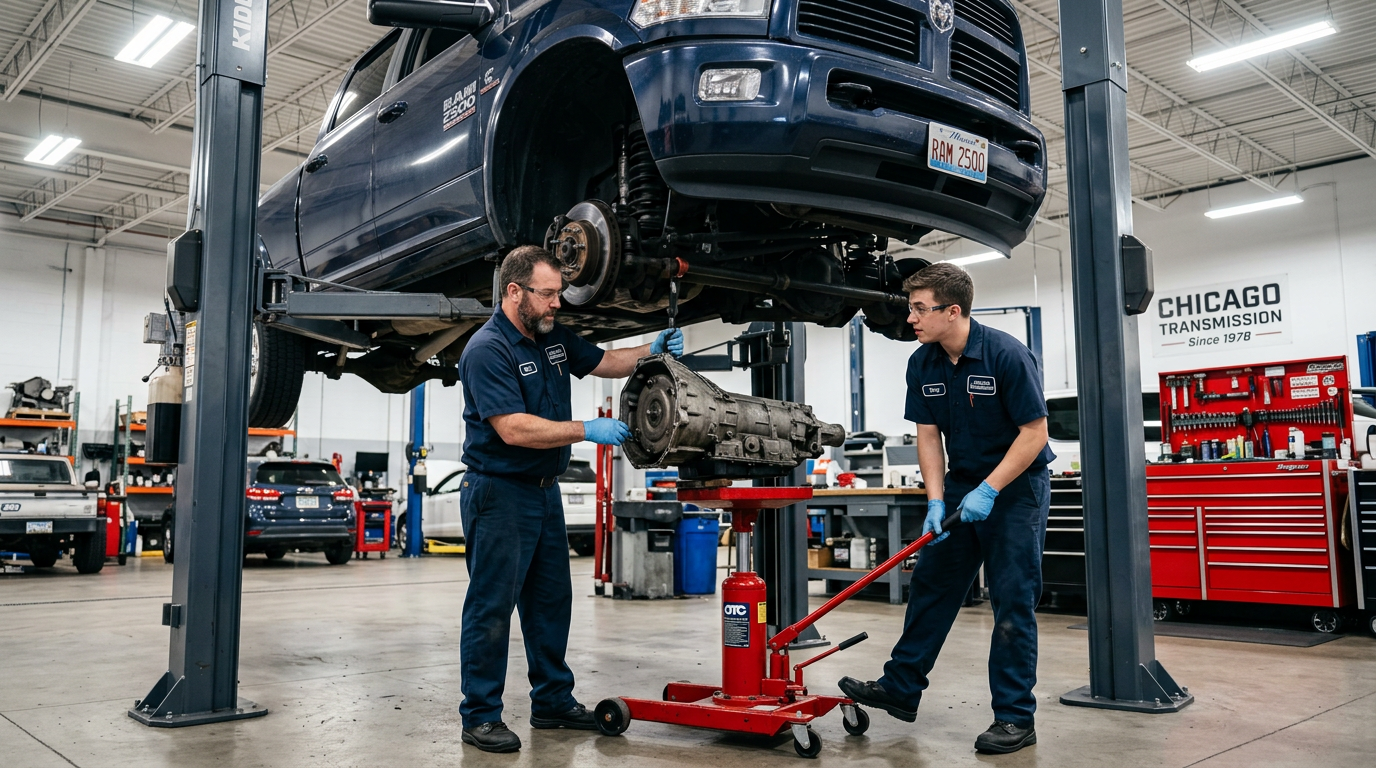
If someone you know needs transmission help in Arlington Heights or the northwest suburbs, send them our way. When your referral completes a qualifying repair, you receive $100 as a thank-you. It is meant to be simple: a real referral, a completed repair, and a clear payout.
How The Referral Bonus Works
Tell your friend, family member, coworker, neighbor, or fleet contact to mention your name when they call or submit the form. They can also text your name with the vehicle details. Once the repair is completed and paid, we confirm the referral and arrange the $100 bonus.
Step 1: Send The Driver To Us
The best referral includes the basics: vehicle year, make, model, mileage, what the transmission is doing, and whether there is already an estimate from another shop. That helps us give them a useful first response instead of a vague sales call.
Step 2: We Diagnose The Vehicle
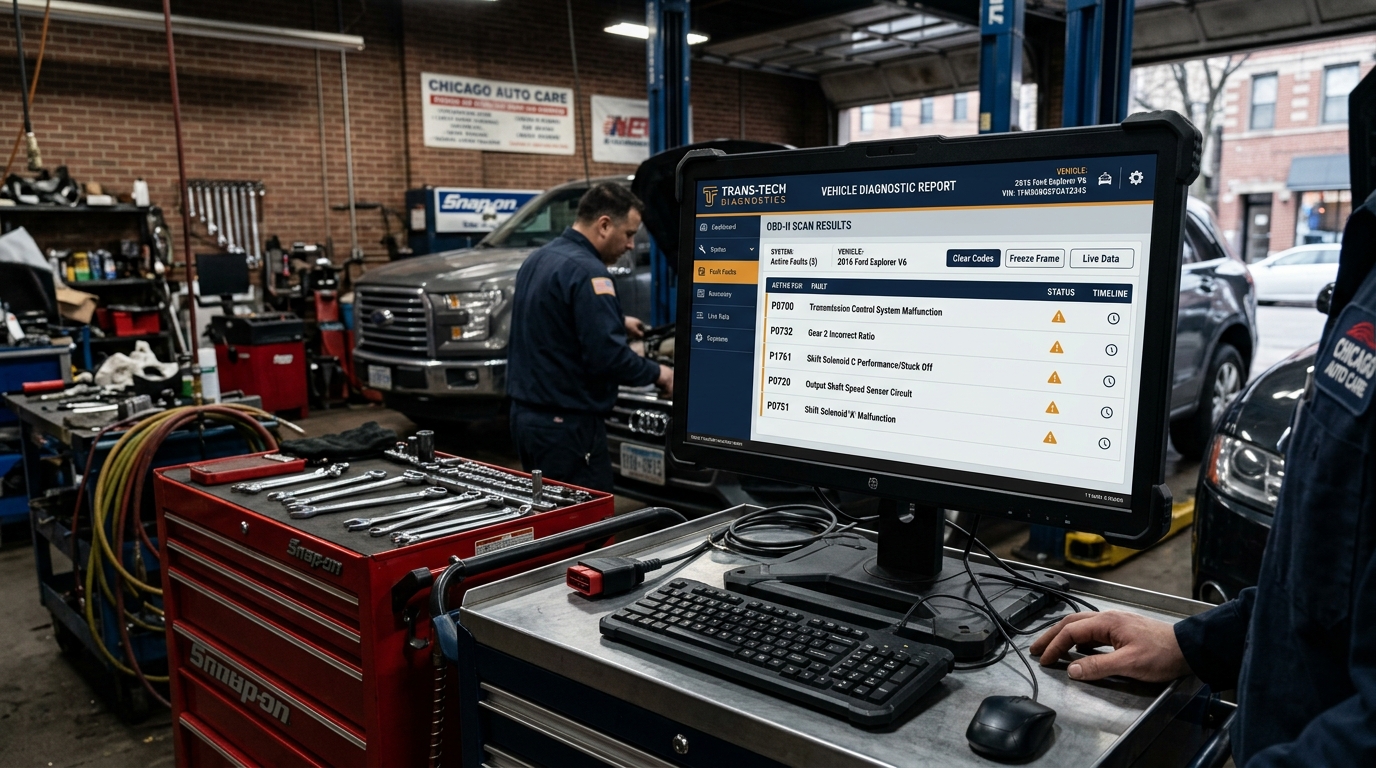
The referred driver gets the same process as everyone else: symptom review, scan data when available, fluid and leak checks, and a written estimate before work is approved. Referral status does not change the diagnosis or push the repair toward a bigger job.
Step 3: You Get Paid After Completion
The $100 bonus is paid after the referred customer completes a qualifying repair. A phone call, price quote, or diagnostic-only visit does not trigger the payout. The repair has to be completed so the referral is tied to actual work.
Who Can You Refer?
Most referrals are everyday drivers from Arlington Heights, Palatine, Schaumburg, Hoffman Estates, Rolling Meadows, Mount Prospect, Wheeling, or Buffalo Grove. You can refer a person with a slipping transmission, a dealer quote they want reviewed, a fleet vehicle, a work truck, or a family SUV that may need a rebuild, converter, CVT, fluid service, or diagnostic.
Fleet And Business Referrals
Business referrals are welcome. If you know a contractor, delivery operator, property manager, service company, or small fleet that needs a practical transmission contact, send them over. Fleet work still needs diagnosis and written approval, but a reliable referral can save them time when a vehicle is down.
Why We Offer The Bonus
Transmission repair is a trust-heavy decision. Most people do not wake up excited to compare rebuild quotes. A referral from someone they know lowers the pressure and gives them a place to start. We would rather reward that word-of-mouth than spend the same money on another generic ad.
What Does Not Qualify
- A customer who was already in our system before your referral.
- A diagnostic visit where no qualifying repair is completed.
- A referral where we cannot connect the driver to your name.
- Duplicate claims for the same customer and repair.
How To Make Sure We Track It
Have the driver mention your full name on the first call, text, or form submission. You can also text us their name after you refer them. The cleaner the handoff, the easier it is to connect the completed repair back to you.
Referral Questions
Is there a limit?
There is no need to overcomplicate it. Send real referrals who need transmission help. If multiple qualified repairs come from your referrals, we track them separately.
What if they call months later?
That can still be handled if they clearly mention your name and we can verify the referral connection. The safest move is to text us the referral when you send it.
Can I refer someone with only a quote?
Yes. A second-opinion referral is useful. We can review what was quoted, inspect the vehicle, and explain whether the recommended repair matches the evidence.
Send A Referral
Call or text 847-393-0191 with your name and the person you are sending. If they are dealing with slipping, shudder, leaks, warning codes, no reverse, CVT trouble, or a large dealer quote, we will help them start with a clear diagnostic path.