Manual and automatic transmissions do not fail the same way, so the repair bills do not compare cleanly. A manual usually centers on clutch, hydraulics, bearings, synchros, or gear wear. An automatic adds fluid pressure, solenoids, valve body, converter, electronics, and internal clutch packs to the decision.
The Short Version
A manual can be cheaper when the issue is a clutch or hydraulic part. An automatic can be cheaper when the issue is a sensor, solenoid, or external leak. Either one can become expensive when the unit has to come out and internal damage is found. The vehicle, mileage, parts availability, and labor access matter as much as the transmission type.
Manual Transmission Cost Drivers
Clutch Wear
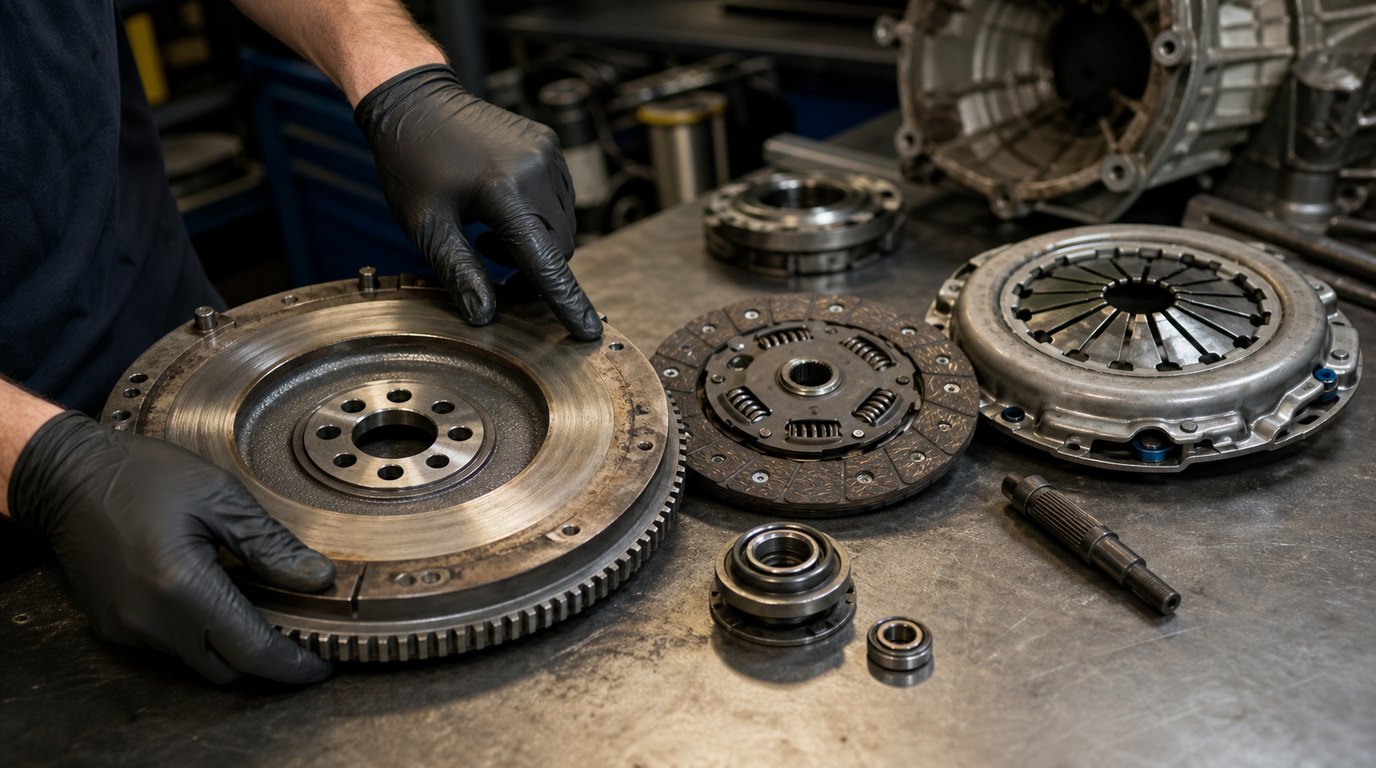
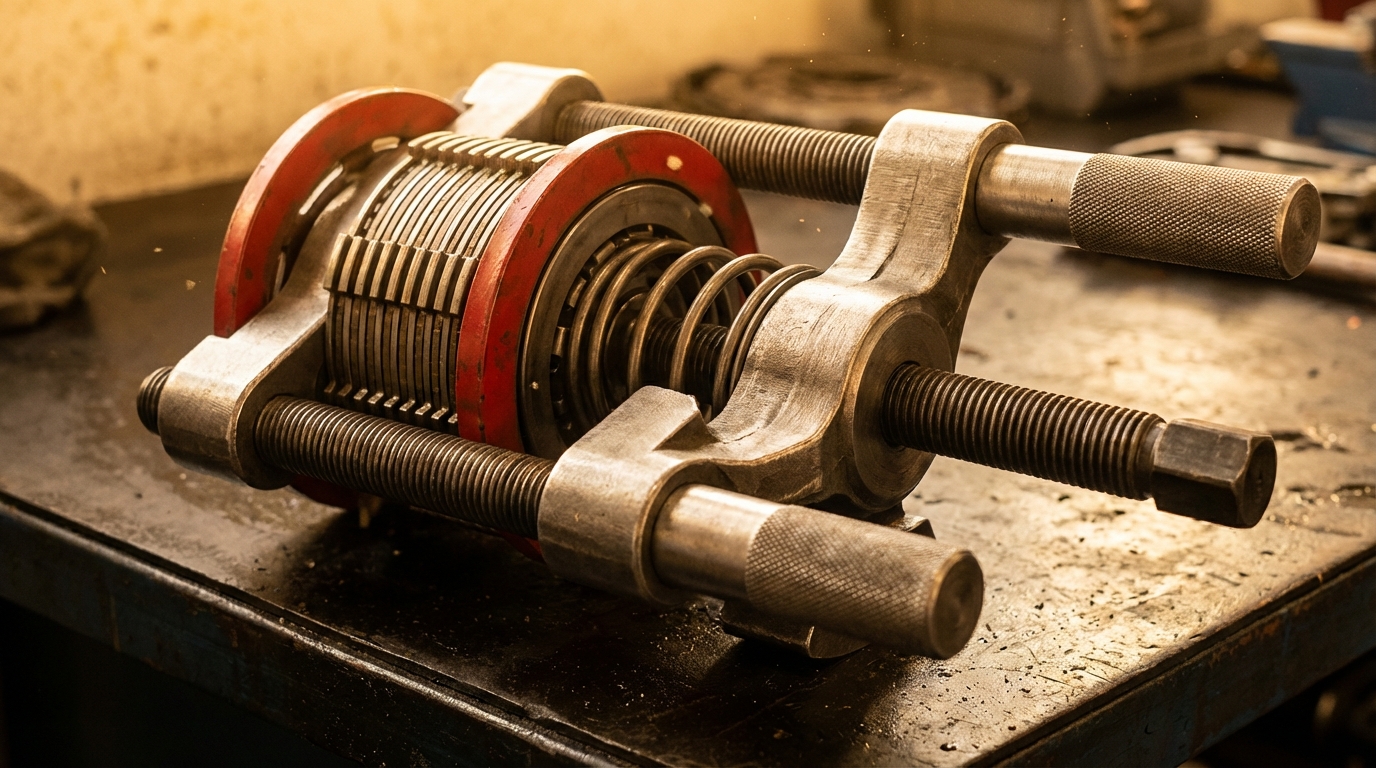
The clutch is the most common manual-transmission expense. A clutch job may include the disc, pressure plate, release bearing, pilot bearing or bushing, flywheel inspection or resurfacing, hydraulic checks, and related seals. The transmission usually has to be removed, so labor is a major part of the price.
Hydraulic Problems
A master cylinder, slave cylinder, line, or internal concentric slave can make the pedal feel wrong or keep the clutch from releasing. Some are straightforward. Others require transmission removal, which changes the estimate quickly.
Synchro And Bearing Wear
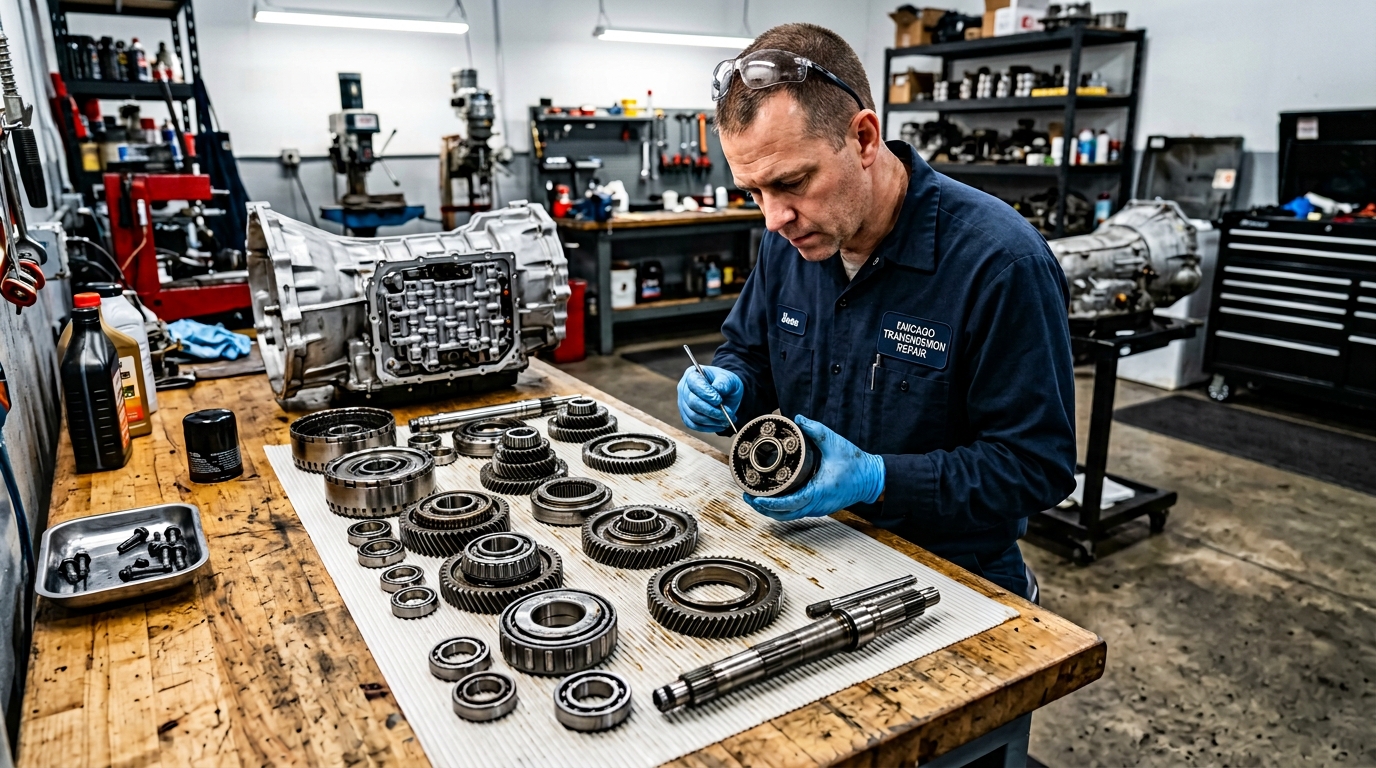
Grinding into gear, popping out of gear, or growling noises can point beyond the clutch. Once synchros, bearings, forks, or gears are involved, the job becomes more specialized and parts availability matters.
Automatic Transmission Cost Drivers
Fluid Pressure And Controls
An automatic depends on hydraulic pressure and electronic control. A bad solenoid, pressure switch, wiring issue, or valve-body problem can create harsh shifts, delayed engagement, or limp mode without requiring a full rebuild.
Torque Converter Issues
Converter shudder, lockup faults, or overheating can feel like a slipping transmission. If caught early, the repair may stay focused. If the converter sends debris through the unit, the repair can expand into cooler, valve-body, and internal work.
Internal Clutch Damage
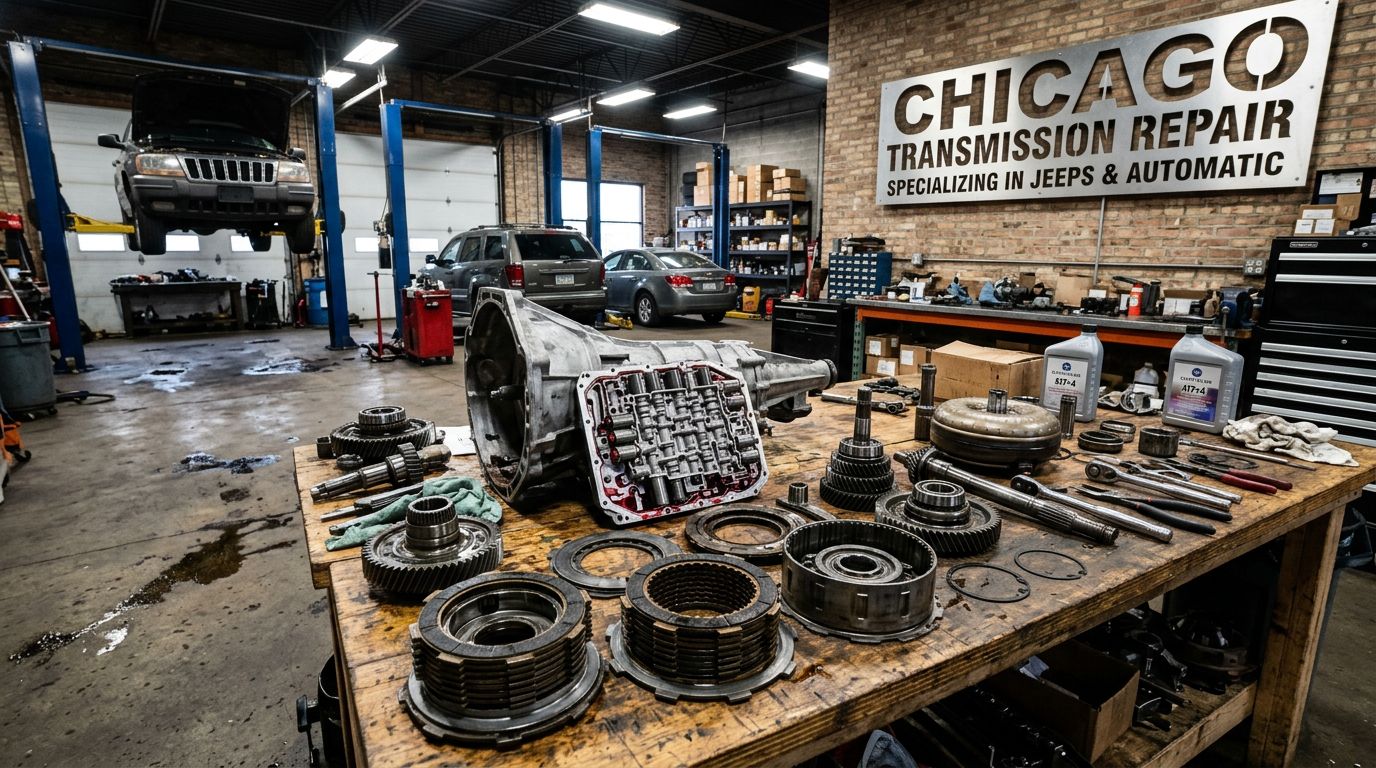
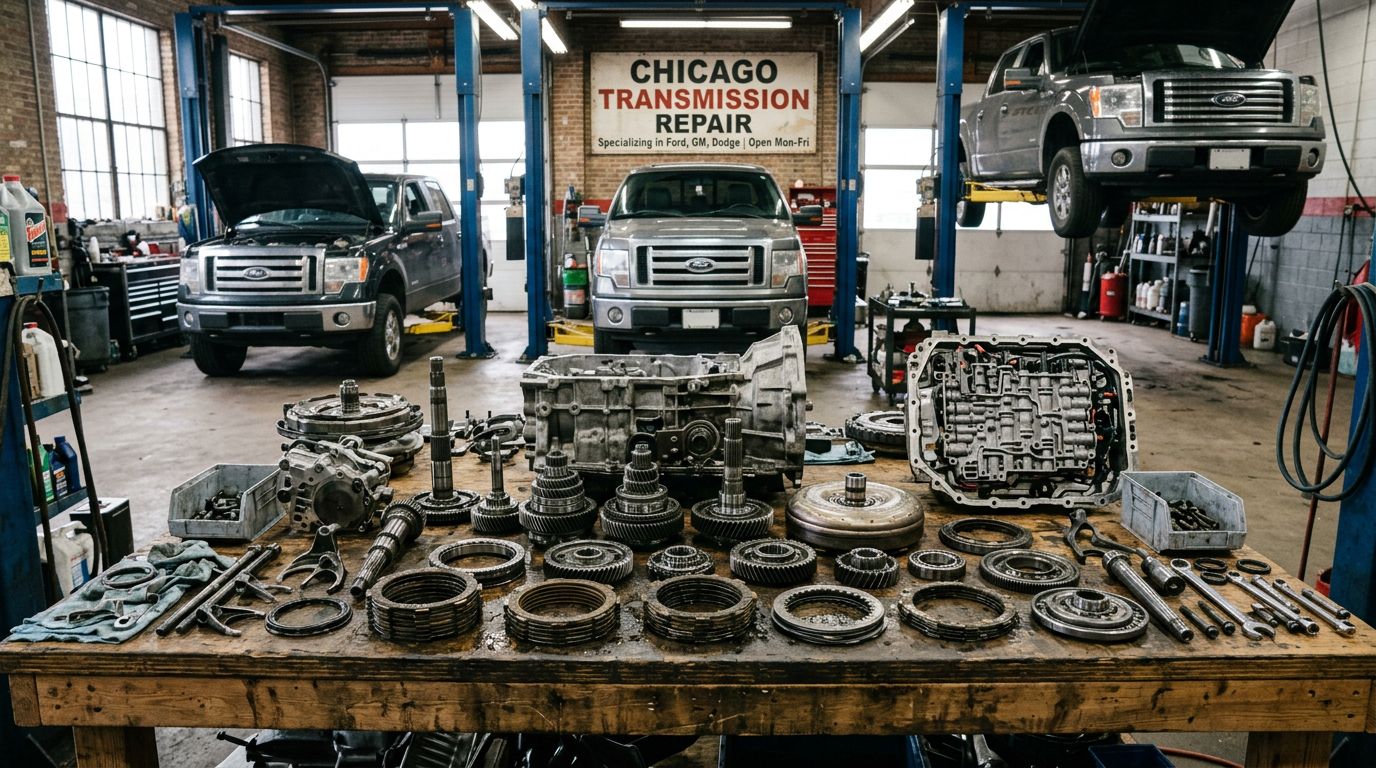
When an automatic has burnt fluid, ratio codes, debris in the pan, or repeated slipping, the estimate moves toward rebuild or replacement. That is where automatic repairs often become more expensive than a basic manual clutch job.
Which Is Cheaper Long Term?
For careful drivers, a manual can be less expensive over time because it has fewer electronic and hydraulic control parts. For drivers who ride the clutch, tow incorrectly, or deal with heavy stop-and-go traffic, clutch wear can arrive sooner. Automatics are easier to drive in traffic but are more sensitive to heat, fluid neglect, and wrong fluid.
Arlington Heights Driving Factors
Northwest suburban driving is hard on both types. Route 53 and I-90 commuting heats automatics during traffic and high-speed cruising. Winter salt can attack cooler lines, clutch hydraulics, mounts, and linkage hardware. Short trips around Arlington Heights, Palatine, Schaumburg, and Mount Prospect can keep fluid from fully stabilizing before the next stop.
Typical Repair Paths
- Manual clutch or hydraulic repair when pedal feel, engagement point, or slipping points to the clutch system.
- Manual internal inspection when grinding, gear pop-out, or bearing noise is present.
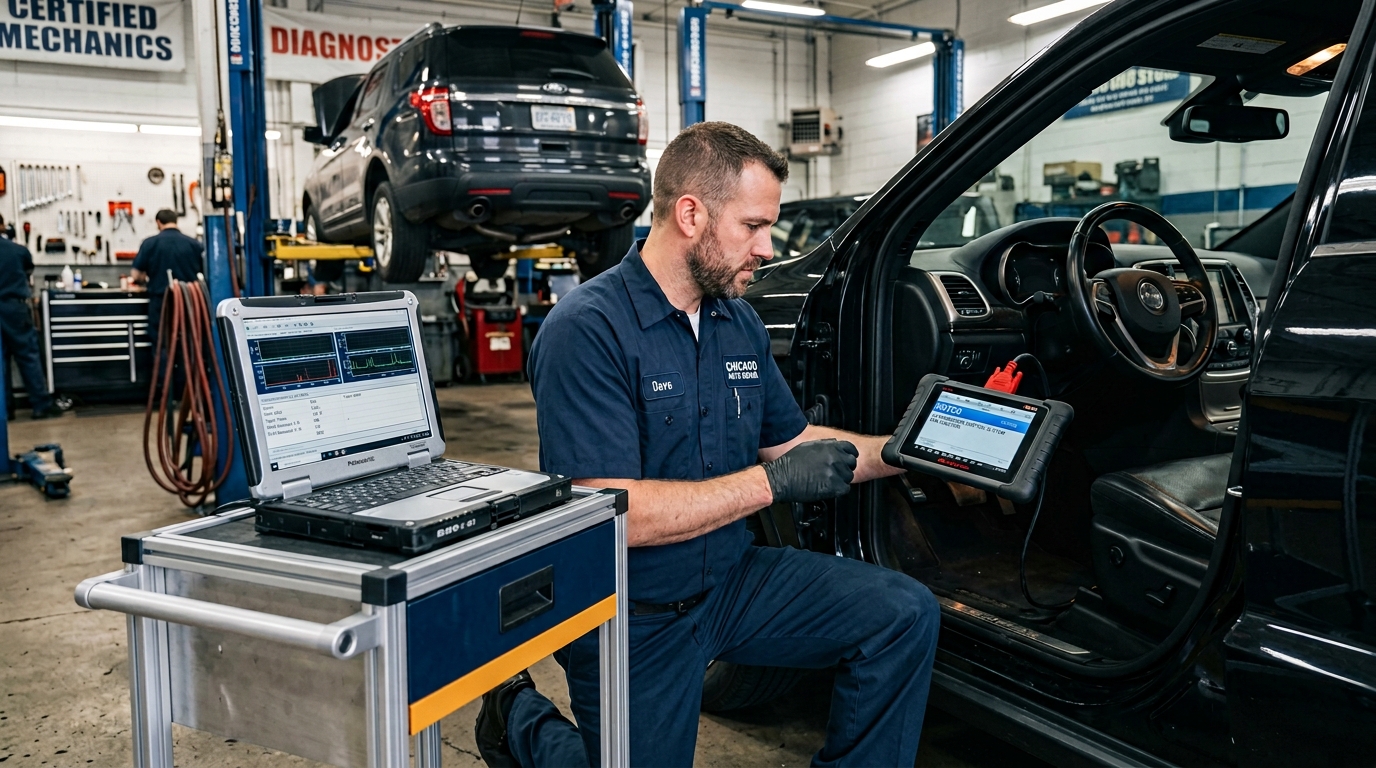
- Automatic service or targeted repair when scan data and fluid condition support it.
- Automatic rebuild or replacement when internal wear is confirmed.
Do Not Compare Quotes Blindly
A low manual quote may exclude flywheel, hydraulics, seals, or related parts. A low automatic quote may be a used unit with unknown history. A high quote may include converter, cooler, programming, and warranty. The only fair comparison is line by line.
Where Manual Quotes Get Missed
Manual jobs get underquoted when the estimate only mentions the clutch disc and pressure plate. The flywheel may be cracked or heat-spotted. The rear main seal may be leaking. A hydraulic slave may be buried inside the bellhousing. If those items are skipped on paper, the final bill can change after the transmission is already out.
Where Automatic Quotes Get Missed
Automatic quotes get messy when they do not say whether the converter, cooler, valve body, programming, mounts, seals, and warranty are included. A price that sounds cheaper may only be a used unit swap. A more complete quote may cost more because it addresses contamination and post-repair testing.
How We Separate Clutch Slip From Transmission Slip
On a manual, engine RPM rising under load often points to clutch slip. On an automatic, the same driver description may point to fluid pressure, converter, or internal clutch issues. We ask about pedal feel, engagement point, smell, gear selection, and whether the problem changes in higher gears because the repair paths are completely different.
What To Send For A Useful Estimate
Text 847-393-0191 with the year, make, model, mileage, transmission type if you know it, symptoms, and any prior estimate. For manuals, describe clutch pedal feel and grinding. For automatics, describe shift timing, slipping, warning lights, fluid condition, and whether the problem changes hot or cold.