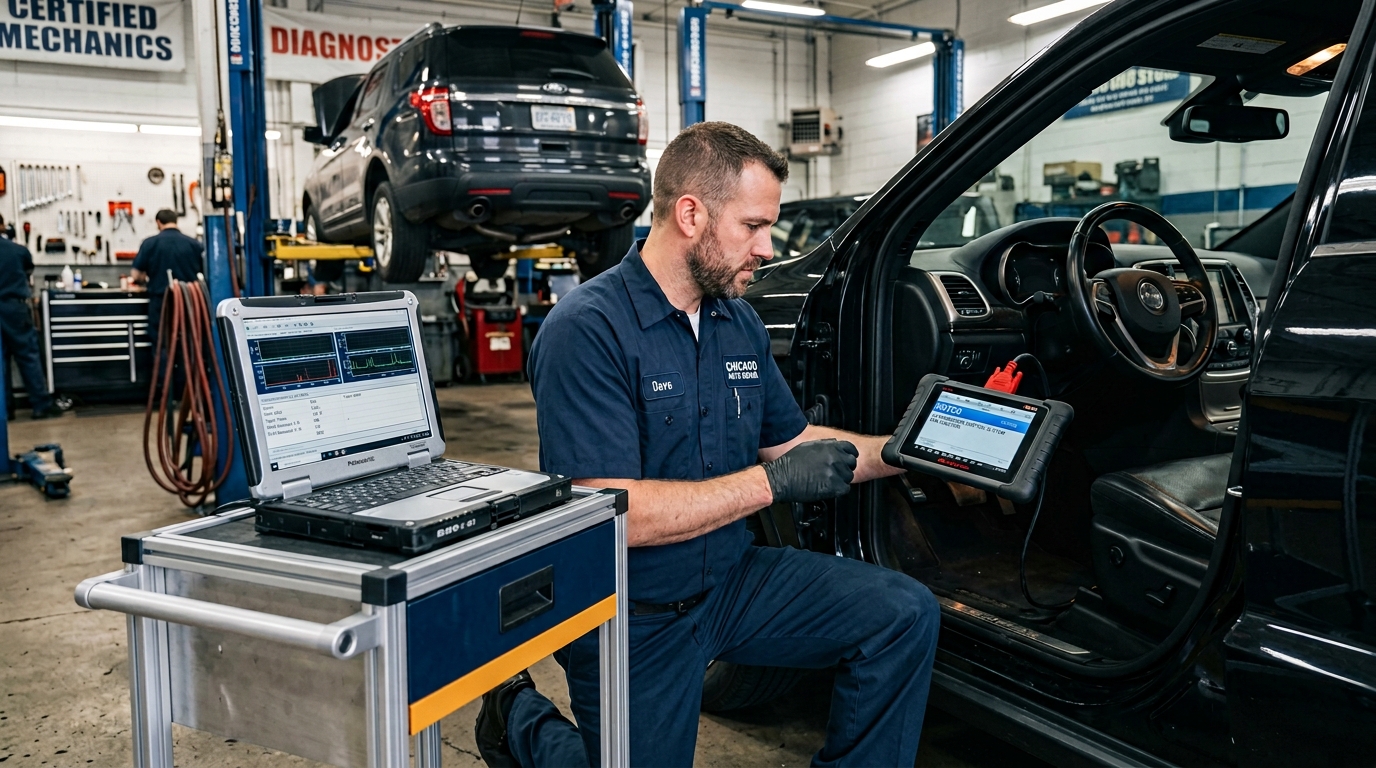
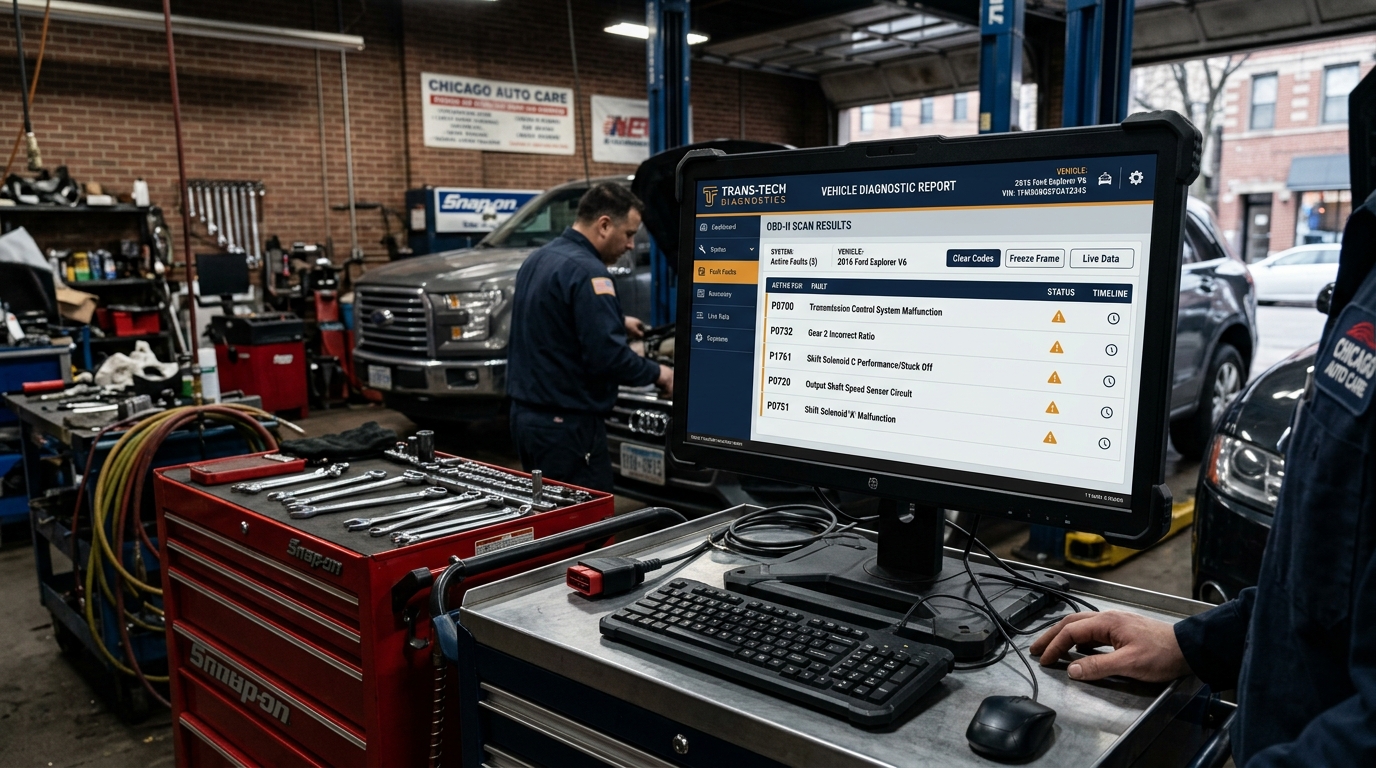
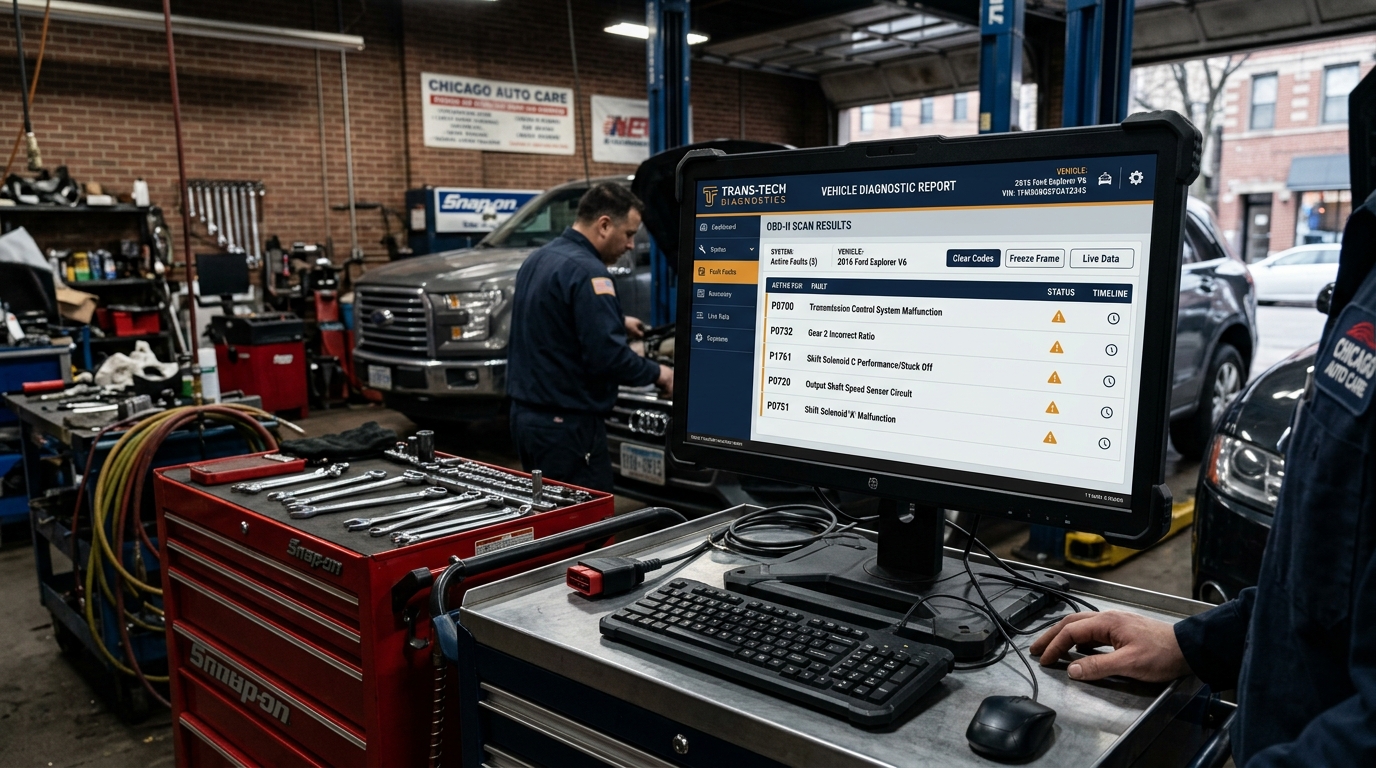
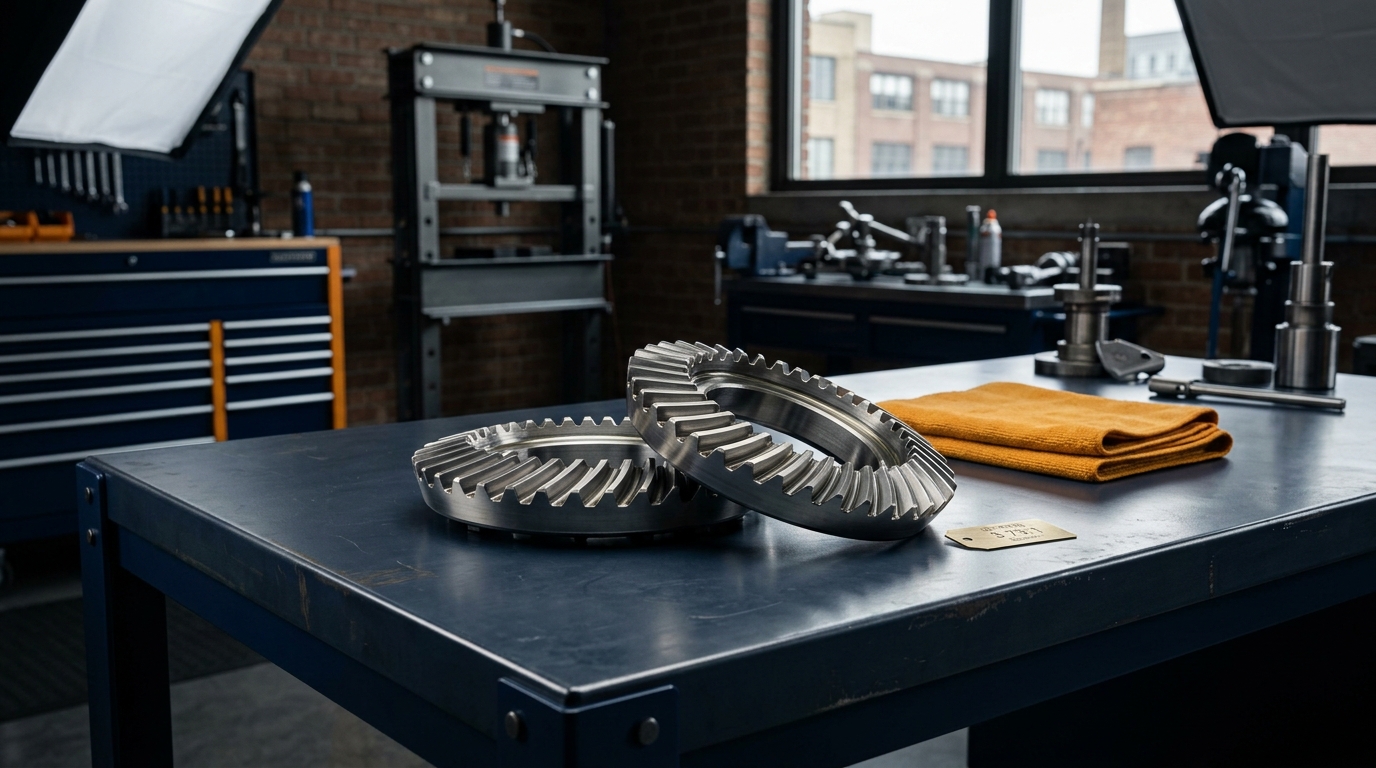
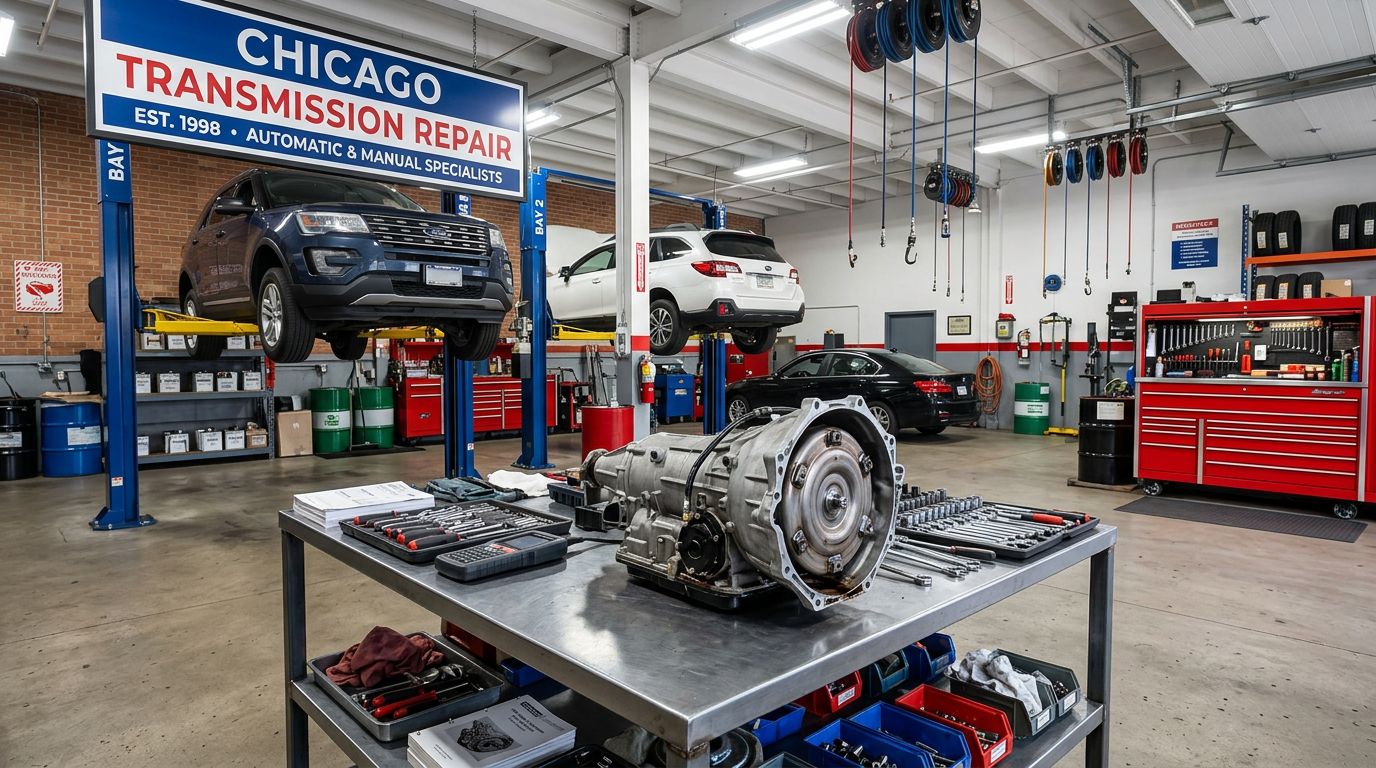
Chevy Tahoe transmission complaints often show up as shudder, slipping, delayed engagement, harsh shifts, or warning lights. Many Tahoes use GM six-speed, eight-speed, or ten-speed units, so the first step is identifying the transmission and symptom pattern.
Common Tahoe Symptoms
Tahoe owners may feel torque converter shudder at cruise, flare during shifts, a bump into Drive, hot slipping, or no overdrive. Heavy family use, towing, and highway commuting can all expose weak spots.
What We Check
- Year, engine, mileage, towing use, and transmission family.
- Fluid condition and pan evidence.
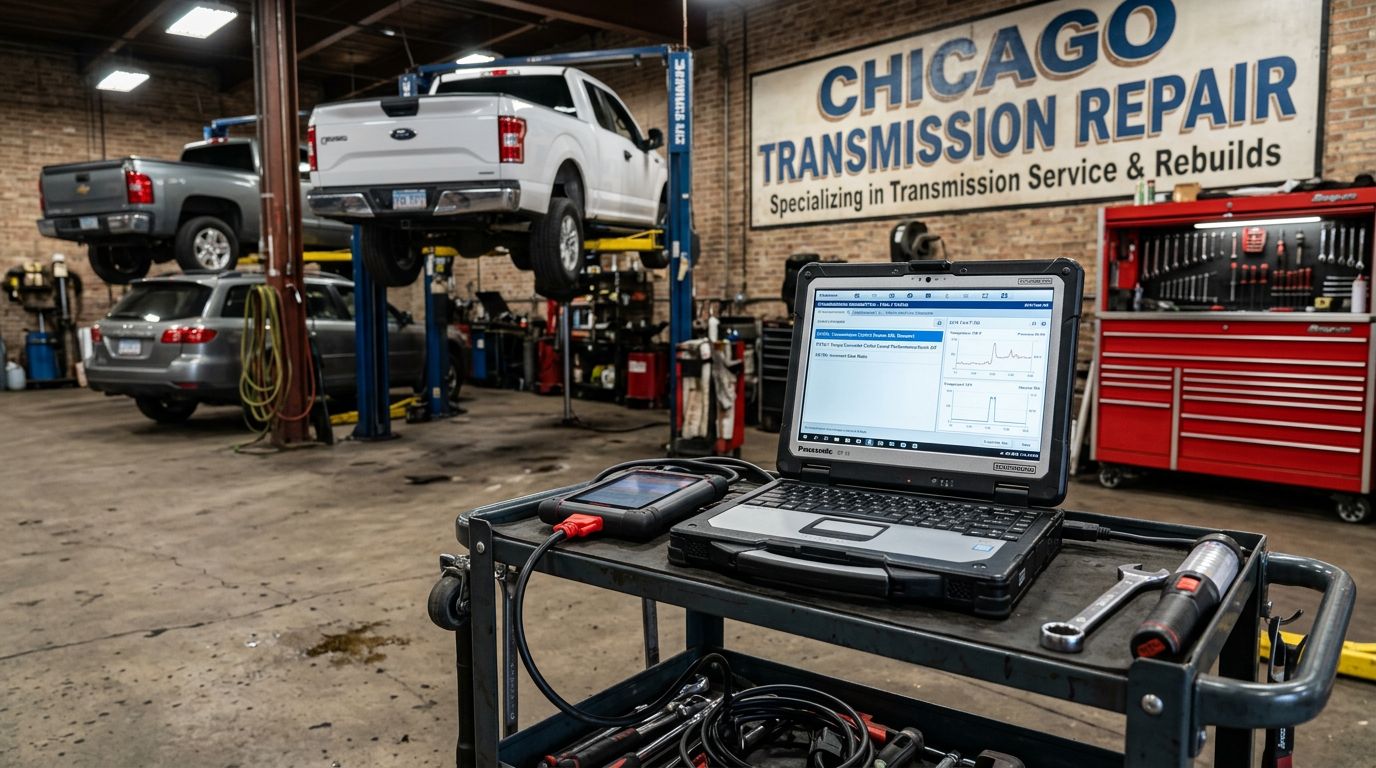
- Converter slip data and pressure codes.
- Whether updated fluid or prior repairs were done.
- Hot versus cold behavior.
Converter Shudder
Some Tahoe shudder complaints improve with the correct service if caught early. If the converter lining is failing or debris is present, fluid alone will not solve the root problem.
Repair Decision
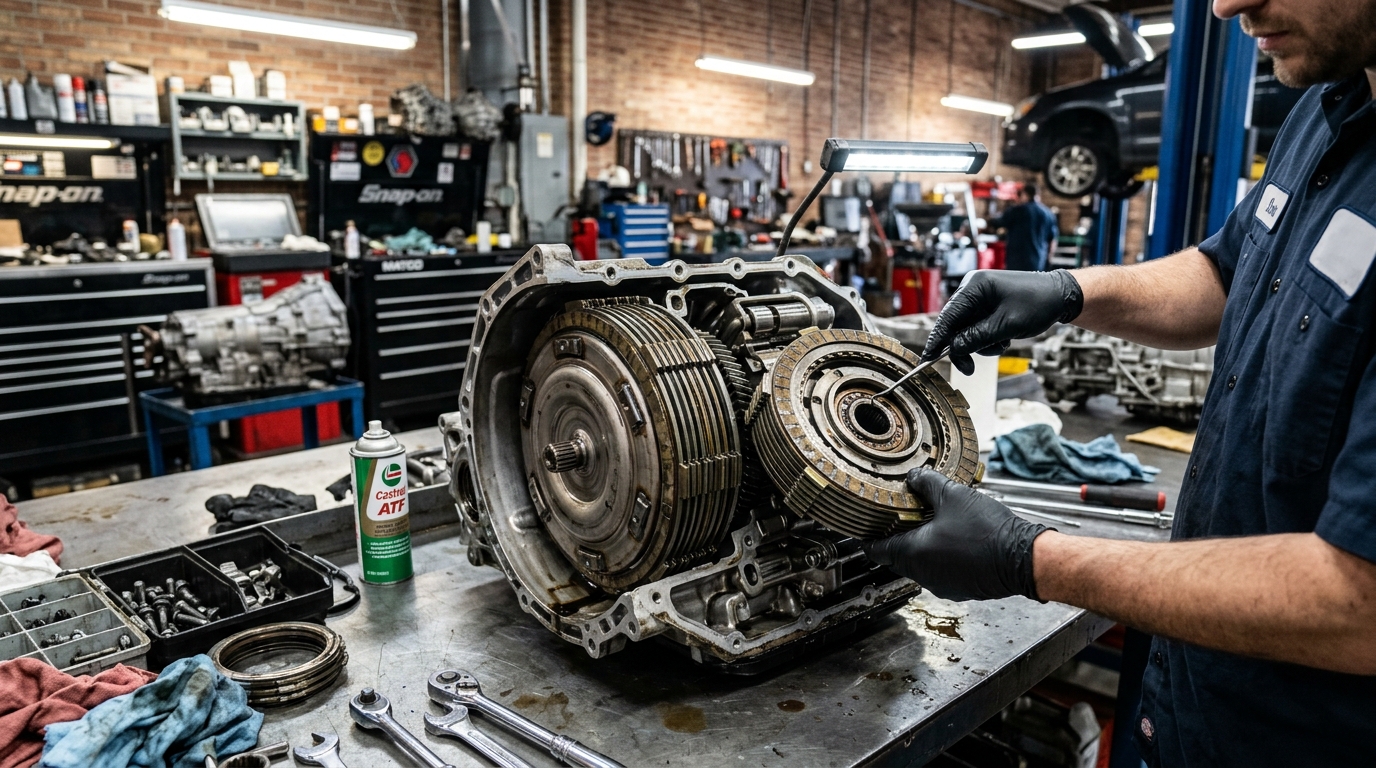
A Tahoe may need fluid service, programming, converter work, valve-body repair, rebuild, or replacement. We explain why the evidence supports that level of repair.
Second Opinion
Bring dealer or shop estimates. We will review whether the quote matches the codes, fluid condition, and road-test behavior.
Tahoe Use Cases Matter
A Tahoe used for family commuting, towing, road trips, or police-style duty will not age the transmission the same way. Extra heat and load can turn a mild converter complaint into internal wear faster.
What We Want To Know
Tell us whether the shudder happens at light throttle, whether the vehicle has updated fluid, whether the symptom changes hot, and whether any prior converter or transmission work was done. That history shapes the repair path.
Family SUV Versus Workload
A Tahoe that mostly moves family around town has a different heat profile than one towing, hauling, idling, or running long road trips loaded with passengers and gear. The way the vehicle is used helps explain why symptoms appeared when they did.
When Fluid Service Is Not Enough
If shudder is paired with slipping, delayed engagement, pressure codes, or debris, a fluid service may only quiet the symptom briefly. We check for evidence that the converter or internal clutches are already shedding material.
How Tahoe Symptoms Get Misread
A Tahoe can have tire vibration, AFM-related engine feel, driveline clunk, transfer-case issues, or converter shudder. Those can feel similar from the driver's seat. We separate them with road testing, scan data, and fluid inspection before calling it a transmission failure.
When A Tahoe Is Worth Repairing
Many Tahoes are worth saving because the body, engine, and interior still have years left. But the repair should be weighed against mileage, rust, suspension work, and how the SUV is used. We make that conversation practical instead of automatic.
What A Tahoe Estimate Should Include
The estimate should identify the transmission family, whether the shudder was duplicated, what the fluid showed, whether converter slip was measured, and whether the repair includes cooler or converter decisions. Without that, it is hard to know what you are approving.
How We Test A Tahoe Shudder
We try to reproduce the vibration under the same load and speed the owner describes. Then we compare converter slip, misfire data, tire/driveline feel, and fluid condition. If the vibration does not line up with converter command, we keep looking before selling transmission work.
When The Quote Gets Bigger
A Tahoe quote gets bigger when the converter has shed material, the fluid is burnt, pressure codes are present, or the transmission slips beyond the shudder complaint. If those signs are absent, the repair conversation may be narrower.
Drive-Or-Tow Guidance
If the Tahoe only has a light shudder and still shifts normally, schedule diagnosis and avoid heavy towing until it is checked. If it slips, overheats, bangs into gear, or leaves a fluid trail, call before driving. A heavy SUV can damage a weak transmission quickly once it starts slipping.
Questions Tahoe Owners Should Ask
Ask whether the shop confirmed the exact transmission, whether the shudder was measured as converter slip, whether any misfire data was reviewed, and whether the fluid showed clutch material. Also ask if the quote includes the converter, cooler decisions, programming, and road test after repair. Those details make the estimate easier to trust.
Why A Second Opinion Helps
Tahoes are valuable enough that a wrong diagnosis hurts. Replacing a transmission for a tire vibration wastes money. Servicing fluid on a unit full of converter debris wastes time. A second opinion gives you a clearer line between maintenance, converter repair, valve-body work, rebuild, and replacement.