Symptom timing
Hot versus cold, stop-and-go versus highway, uphill load, and first start of the day all change the diagnostic path.
This burning smell transmission is written for northwest-suburbs drivers. The burning smell transmission should help the owner describe what the vehicle does, when it happens, and whether continued driving could make the failure worse.
Hot versus cold, stop-and-go versus highway, uphill load, and first start of the day all change the diagnostic path.
No movement, severe slipping, overheating, grinding, or fluid under the vehicle should push the call toward towing.
Codes, mileage, service history, recent repairs, and prior estimates make the first call more useful.
Arlington Heights area households usually need to compare the quote, understand the failure, and then choose the repair path.
Instead of promising a repair before diagnosis, this burning smell transmission page explains what information reduces guesswork and what signs point toward a larger internal failure.
For this burning smell transmission, the driver should bring year, make, model, mileage, warning lights, recent fluid work, towing status, and any quote already received.
The call should filter out panic, vague price shopping, and assumptions that every transmission symptom means a complete replacement.
The next step is framed around Arlington Heights and nearby northwest-suburbs travel patterns.
A burning smell transmission call from Arlington Heights, Palatine, or Rolling Meadows is usually needing a plain explanation they can repeat to a spouse, manager, or family member. The intake asks for the details that change the recommendation instead of assuming every symptom needs the same repair.
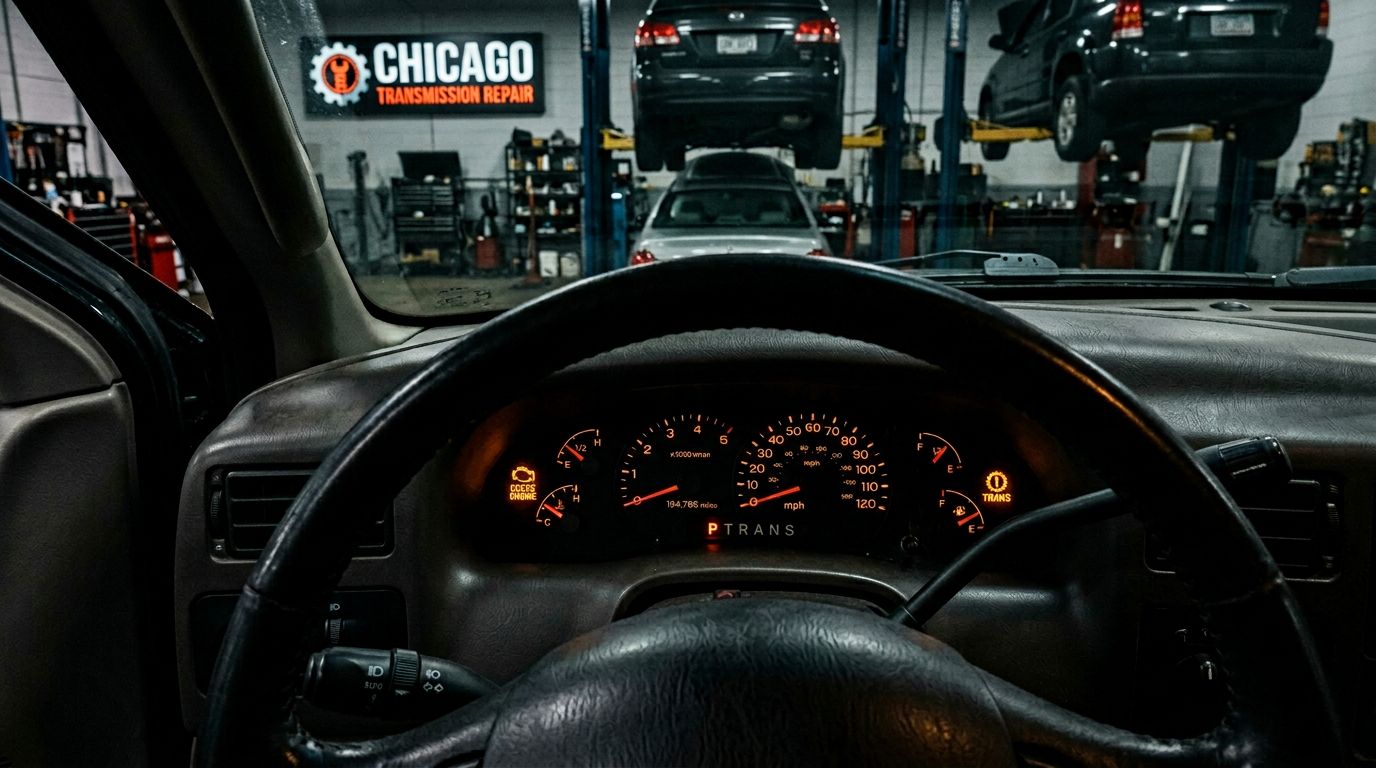
A useful call should connect a short errand that turns into a warning light with heat, converter chatter, and pressure symptoms, then compare that story against tow status, prior quote details, unit family, and warranty expectations.
Ask what happened first, what changed recently, and whether the problem repeats in the same driving situation.
The caller should gather tow status, prior quote details, unit family, and warranty expectations before a major repair is approved.
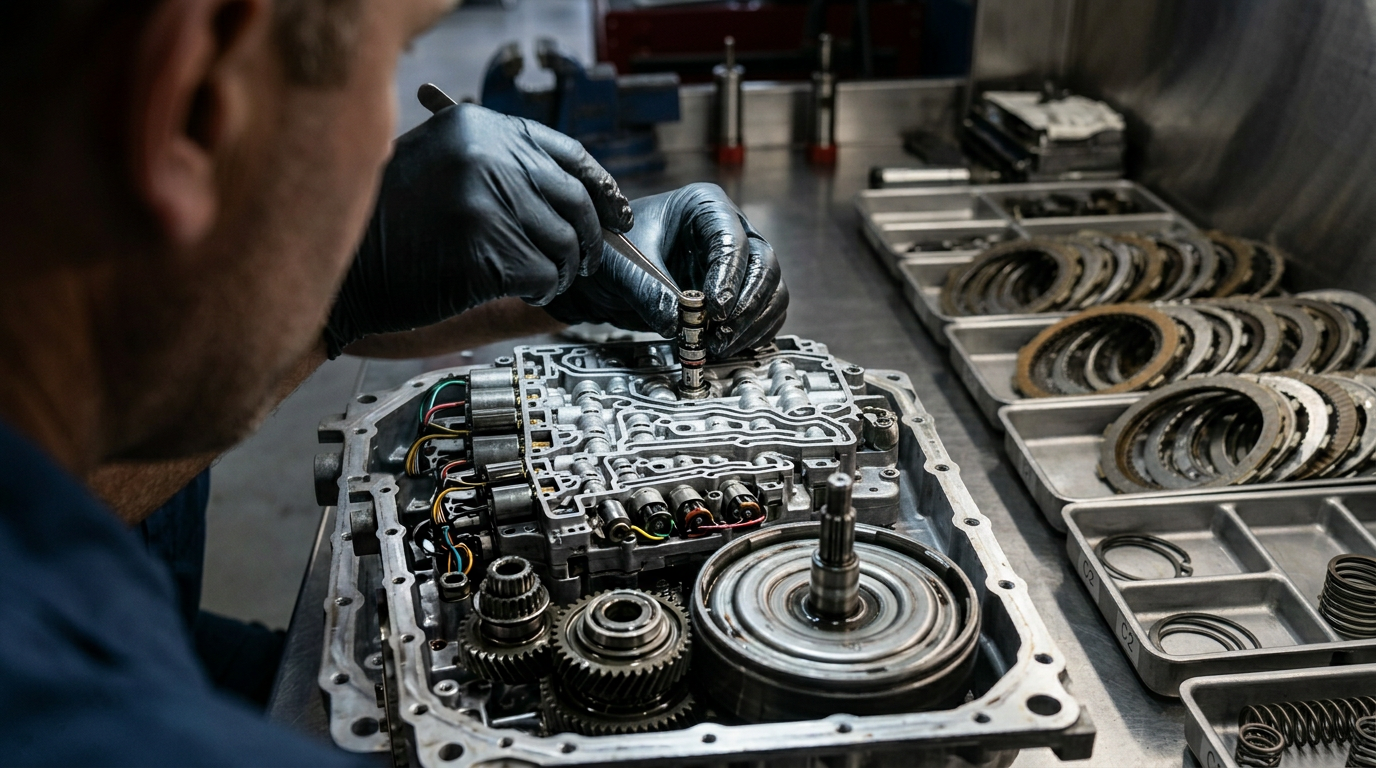
A good recommendation should explain small repair versus teardown, plus what evidence would justify each step in language a driver can act on.
The estimate conversation should separate must-fix evidence from optional work so the driver understands what is urgent and what can wait.
A useful burning smell transmission is stronger when the shop can name the evidence, especially when road-test notes from cold start through full operating temperature is available before the owner approves major transmission work.
A cleaner first call includes vehicle details, driveability, stored codes, quote history, and a realistic appointment or tow decision.
The process should respect the owner who is deciding whether the vehicle is worth the repair, not just push them into the most expensive option.
The first intake question should ask what changed before the symptom appeared: fluid service, towing load, warning lights, a hard shift, or a prior shop visit.
A good diagnostic handoff turns a vague complaint into a sequence: symptom, condition, scan, fluid, road test, estimate, and warranty explanation.
The conversation separates urgent evidence from noise by asking for tow status, prior quote details, unit family, and warranty expectations, then using that information to compare small repair versus teardown, plus what evidence would justify each step.
If a dealer or chain already gave a number, the second-opinion call should ask what proof supported that number and whether another path was checked.
A burning smell transmission call might come from Elk Grove Village after a rough commute on Rand Road, from Rolling Meadows after a dealer quote, or from Buffalo Grove when the vehicle no longer feels safe in stop-and-go traffic.
For a high-mileage owner who wants the estimate explained line by line, the useful details are road-test notes, warning lights, and the exact shift or speed where the problem appears. Those details change whether the next step is whether continued driving risks converter, clutch, cooler, or driveline damage.
The repair conversation should end with a plain recommendation, a warranty explanation tied to the repair path, and a drive-or-tow decision the owner can act on.
For burning smell transmission, the first question is: Has anyone checked fluid level, smell, color, or pan material? The second is: Can the owner safely drive across town, or is a tow the cheaper decision?
A stronger handoff gives the owner a road-test note from cold start through full operating temperature instead of asking them to approve a large repair from a vague symptom.
Elk Grove Village, Rolling Meadows, and Buffalo Grove drivers should be able to repeat the recommendation clearly before they decide whether the vehicle deserves the repair.
The decision is not only what failed; it is whether burning smell transmission can be repaired reasonably or whether a rebuild, replacement, or second opinion is the smarter move.
For Arlington Heights, Palatine, Schaumburg, Hoffman Estates, Rolling Meadows, Mount Prospect, Wheeling, Buffalo Grove, and Elk Grove Village drivers, the goal is simple: understand the likely path before a major repair gets approved.
Call with the symptom, mileage, codes, and any quote you already received.