
Symptoms
We document when the symptom appears, whether it changes warm versus cold, and whether the complaint sounds like hydraulic, electrical, clutch, converter, fluid, mount, or internal wear.
Transmission fluid service is preventive when the unit is still healthy, and diagnostic when the fluid is dark, low, burnt, leaking, or overdue. We check the condition first so a simple service does not get sold as a cure for internal damage.
Short trips around Arlington Heights, Route 53 traffic, I-90 heat, winter salt, and stop-and-go errands all work the fluid hard. The right service depends on color, smell, level, mileage, fluid specification, and whether the transmission is already slipping.
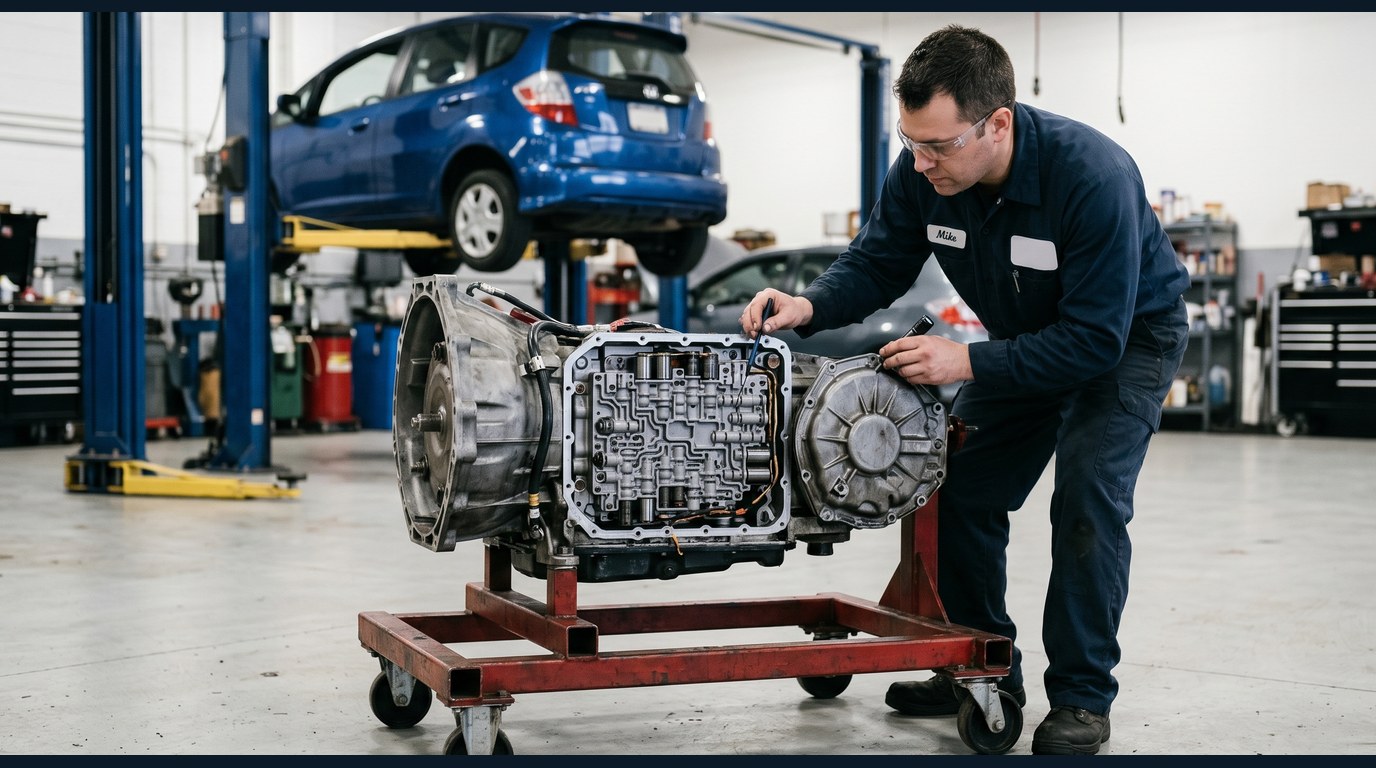
Transmission fluid service should be chosen after checking fluid condition, mileage, service history, symptoms, pan evidence where serviceable, cooler clues, and whether a flush could help or make an existing failure more obvious.
Some vehicles need a drain-and-fill, some need a pan/filter service, some need cooler or leak work first, and some should be diagnosed before any fluid exchange is sold.
The estimate should explain why service is safe, what fluid is required, whether adaptation or relearn is needed, and when slipping, shudder, burnt fluid, or debris means repair is the better conversation.
Get Free DiagnosticThese clues need evidence before parts are ordered. Codes, fluid condition, road-test timing, and related-system checks keep the estimate honest.
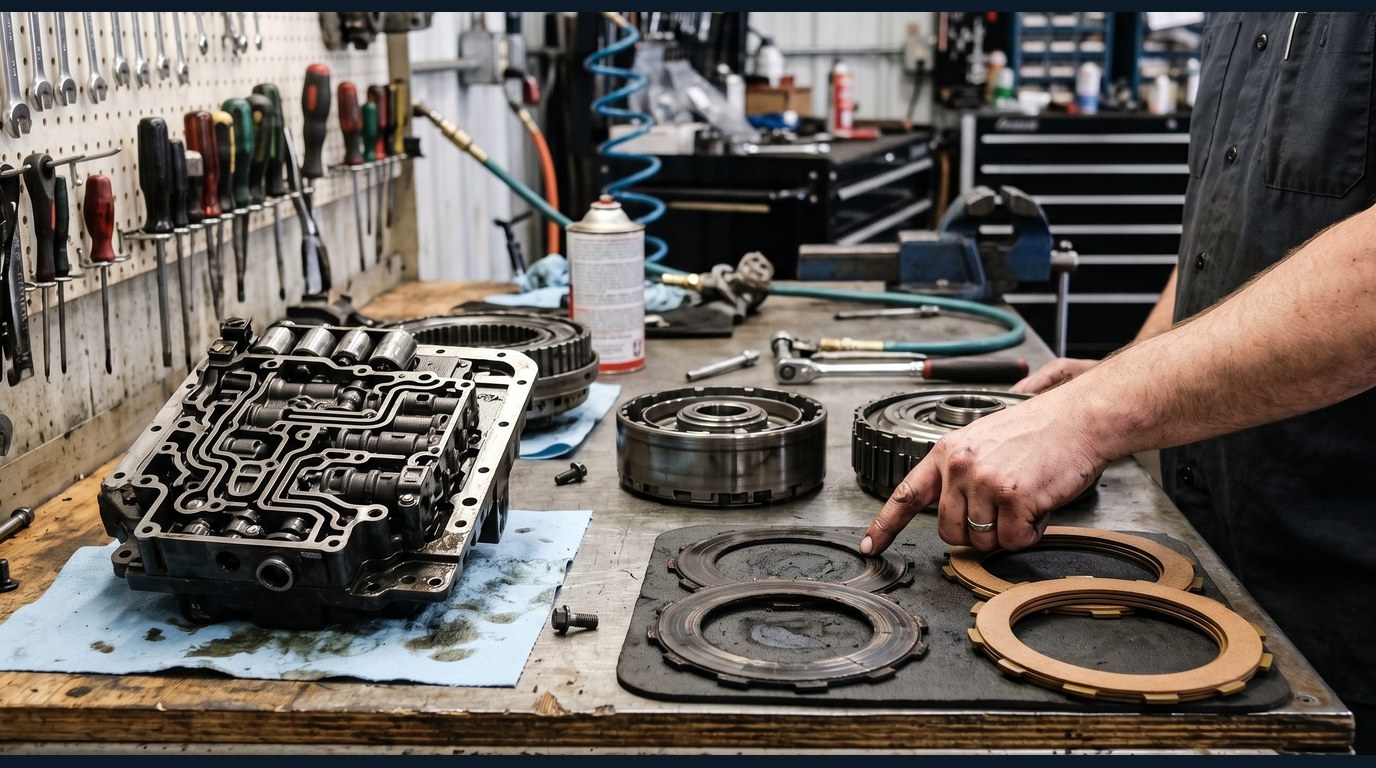
If the evidence points to a related system instead of the transmission itself, we explain that before recommending transmission work.
A useful estimate should explain what failed, what can wait, what protects the vehicle, and how the repair path compares with replacement.
We document when the symptom appears, whether it changes warm versus cold, and whether the complaint sounds like hydraulic, electrical, clutch, converter, fluid, mount, or internal wear.
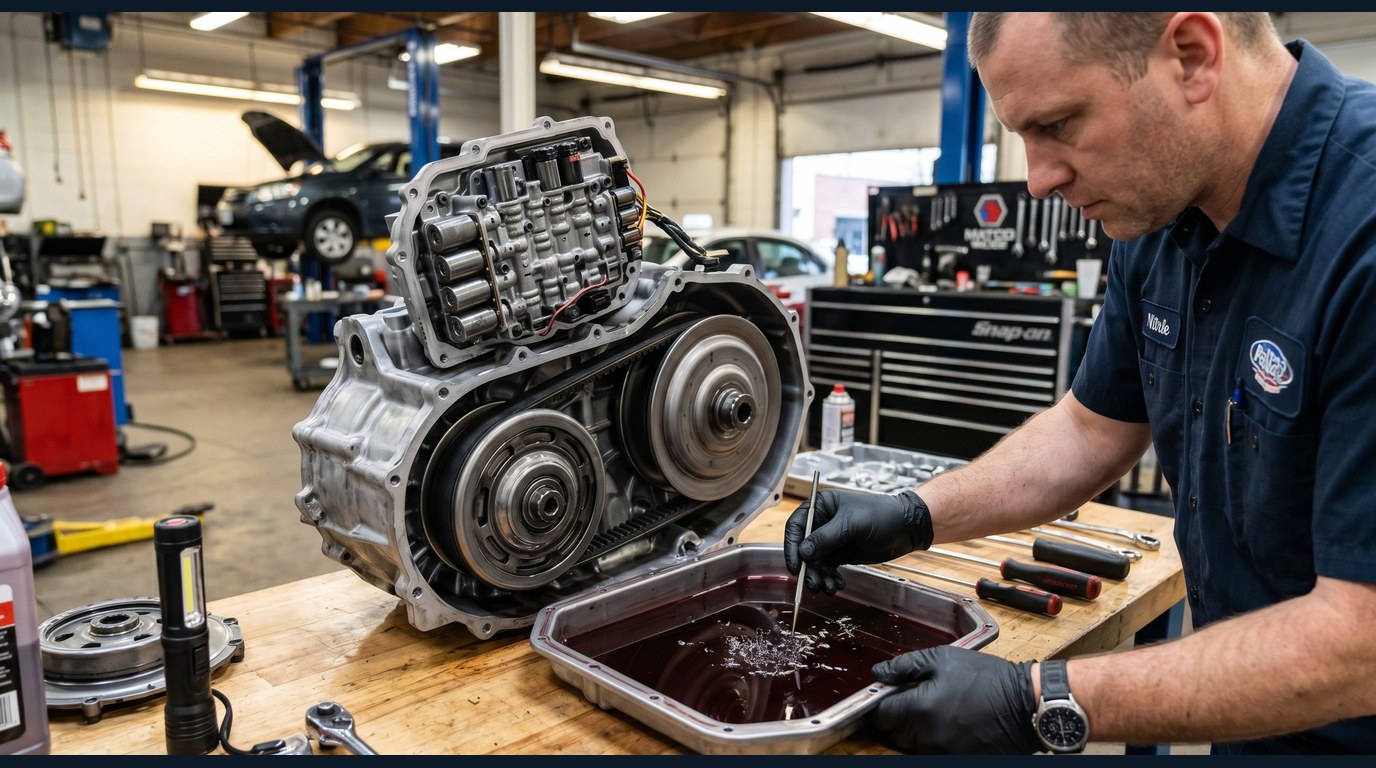
Scan data, fluid evidence, leak checks, road-test notes, service history, and parts availability keep the recommendation grounded.
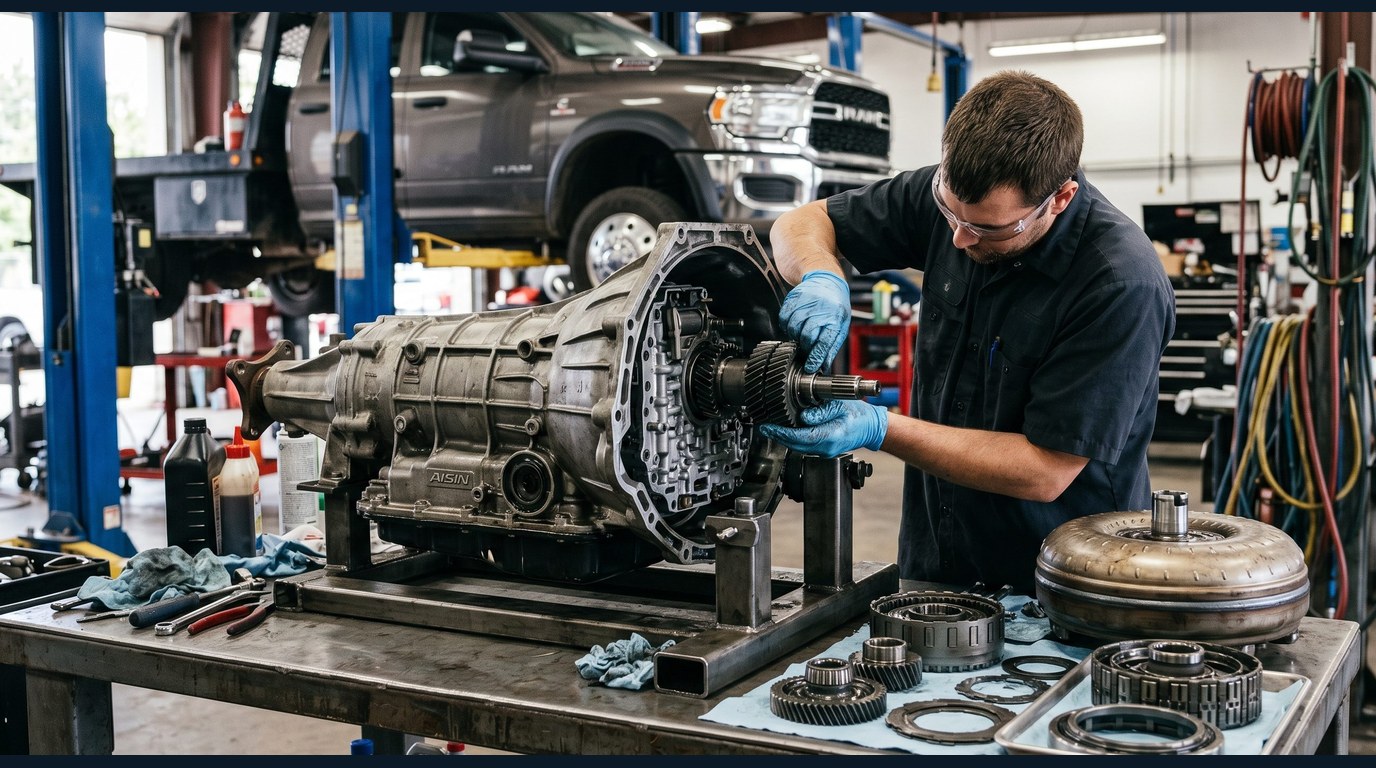
The written estimate separates service, targeted repair, rebuild, used unit, remanufactured unit, and replacement options before money is spent.
Fluid service pricing depends on fluid type, capacity, filter/pan access, cooler or leak work, relearn needs, and whether diagnosis shows internal wear.
Call or text 847-393-0191 with the year, make, model, mileage, codes, warning text, leak history, and symptoms.