P0734 is a fourth-gear ratio code. In plain English, the computer asked for fourth gear, watched the input and output speeds, and decided the transmission did not hold that gear correctly. Around Arlington Heights, that usually shows up on Route 53, I-90, or a steady cruise where the vehicle should already be settled into overdrive.
What P0734 Means On The Road
Fourth gear is usually a cruising gear, not a launch gear. That is why many drivers do not feel the problem in a parking lot or during a short neighborhood test drive. The symptom often appears after the vehicle warms up, shifts through the lower gears, and starts carrying light throttle at road speed.
The warning can feel like a flare, a quick RPM jump, a bump during the 3-4 shift, or a converter-style shudder that is easy to misread. We do not call it a rebuild from the code alone. The question is whether fourth gear is losing hydraulic apply pressure, whether a solenoid or valve-body circuit is late, or whether the clutch material is already worn.
Common Causes We Check First
- Low, dark, or overheated fluid that cannot hold pressure consistently.
- A restricted filter or pan debris pointing to internal wear.
- A shift solenoid or pressure-control issue delaying the 3-4 apply.
- Valve-body wear that lets fluid leak away from the fourth-gear circuit.
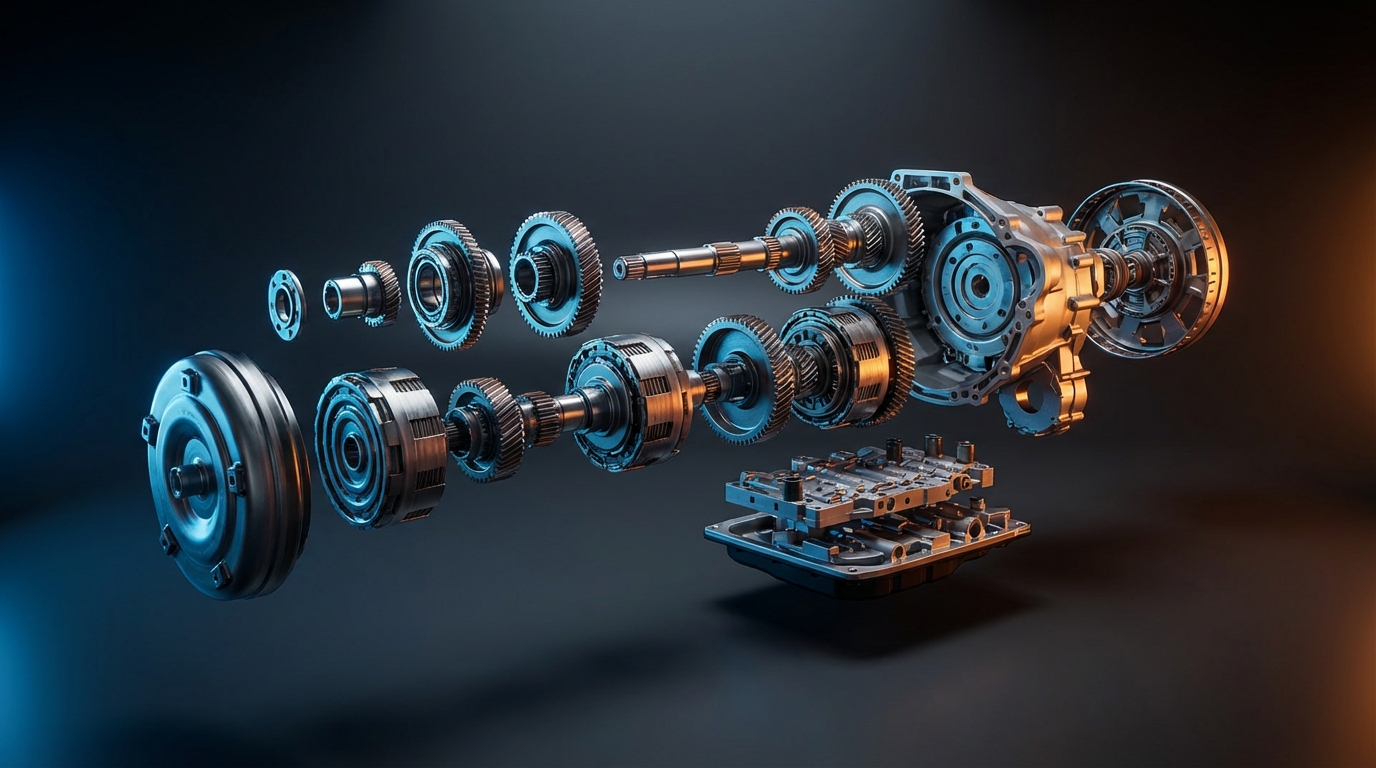
- A worn 3-4 or overdrive clutch pack, especially on older truck and SUV units.
Why Fourth Gear Fails Differently By Vehicle
A GM 4L60E with P0734 is not the same job as a late-model Ford ten-speed or a Chrysler/Ram overdrive clutch complaint. The name of the code is generic, but the failed part is not. We identify the transmission family, road-test the shift pattern, and compare commanded gear to actual ratio before recommending a repair path.
For commuters running from Palatine, Rolling Meadows, or Schaumburg into expressway traffic every day, heat is part of the picture. A transmission that acts normal cold and slips once hot is often telling us more about pressure loss than electronics.
Can You Keep Driving©
If the vehicle bangs into gear, flashes the transmission light, smells burnt, or will not stay in overdrive, driving it can turn a limited repair into a full teardown. If it only set the code once and still shifts normally, bring it in before more clutch material circulates through the valve body and cooler.
What A Proper Diagnosis Includes
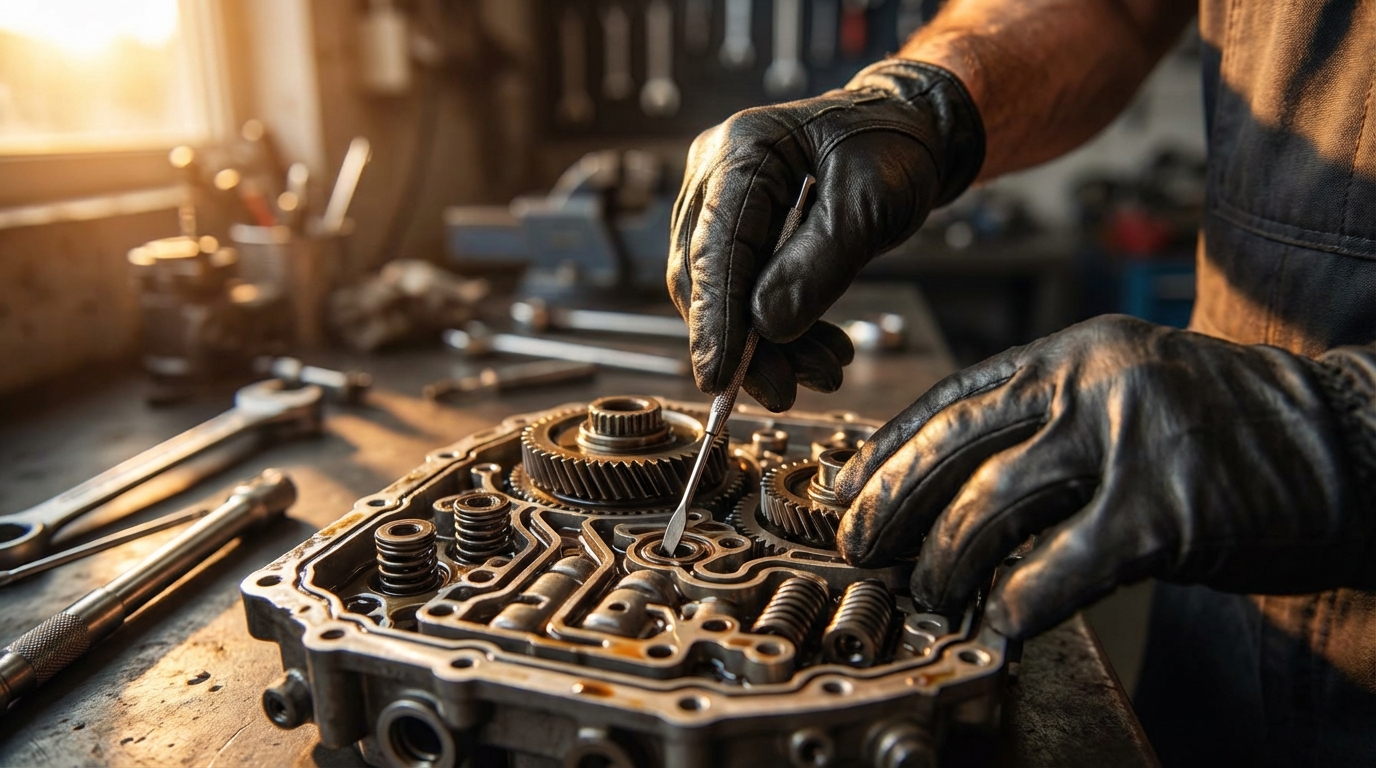
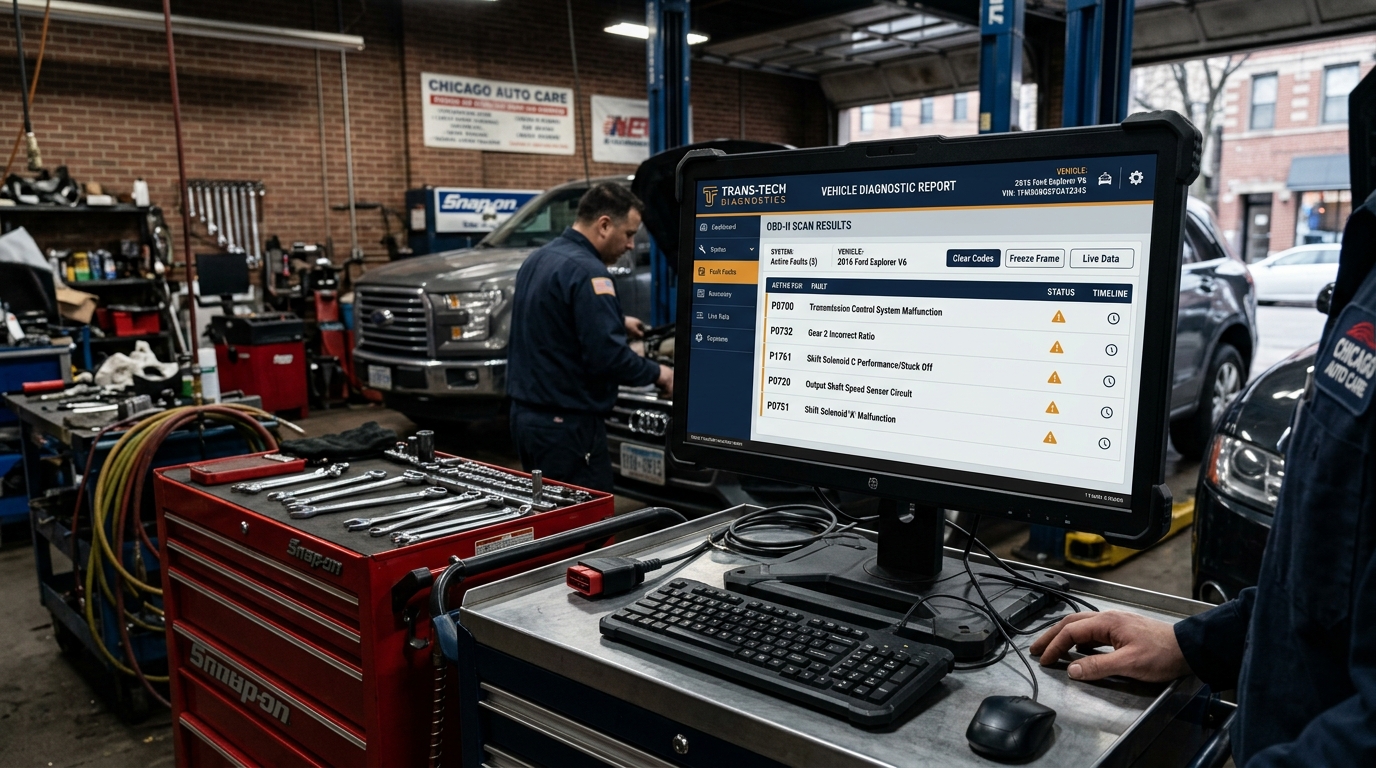
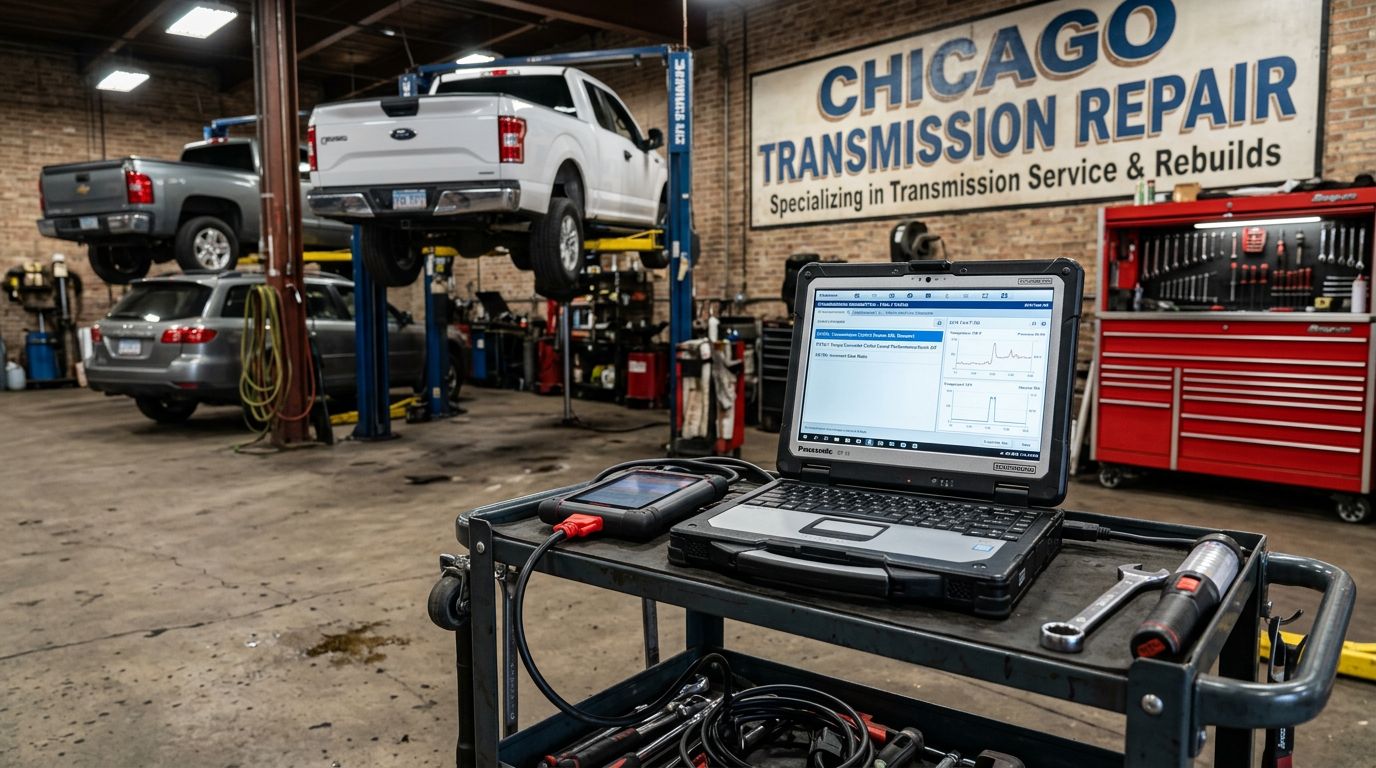
We start with a scan for companion codes, fluid level and condition, a leak check, and a controlled road test. If the scan data shows a commanded fourth gear with the wrong ratio, we then look at pressure behavior, solenoid response, and pan evidence. The written estimate should explain what failed and why the recommended repair fits the evidence.
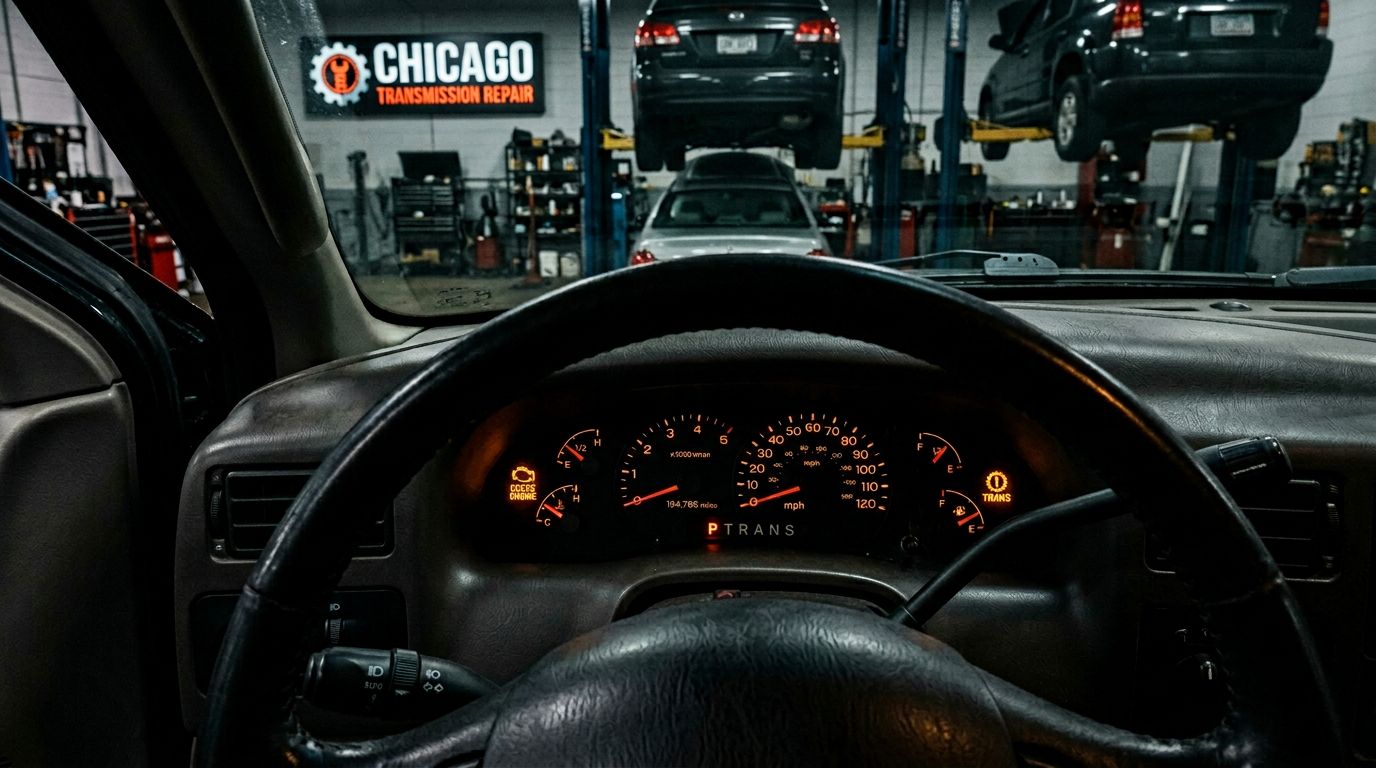
Have a Transmission Problem©
Get a free computer diagnostic from Arlington Heights transmission repair support.