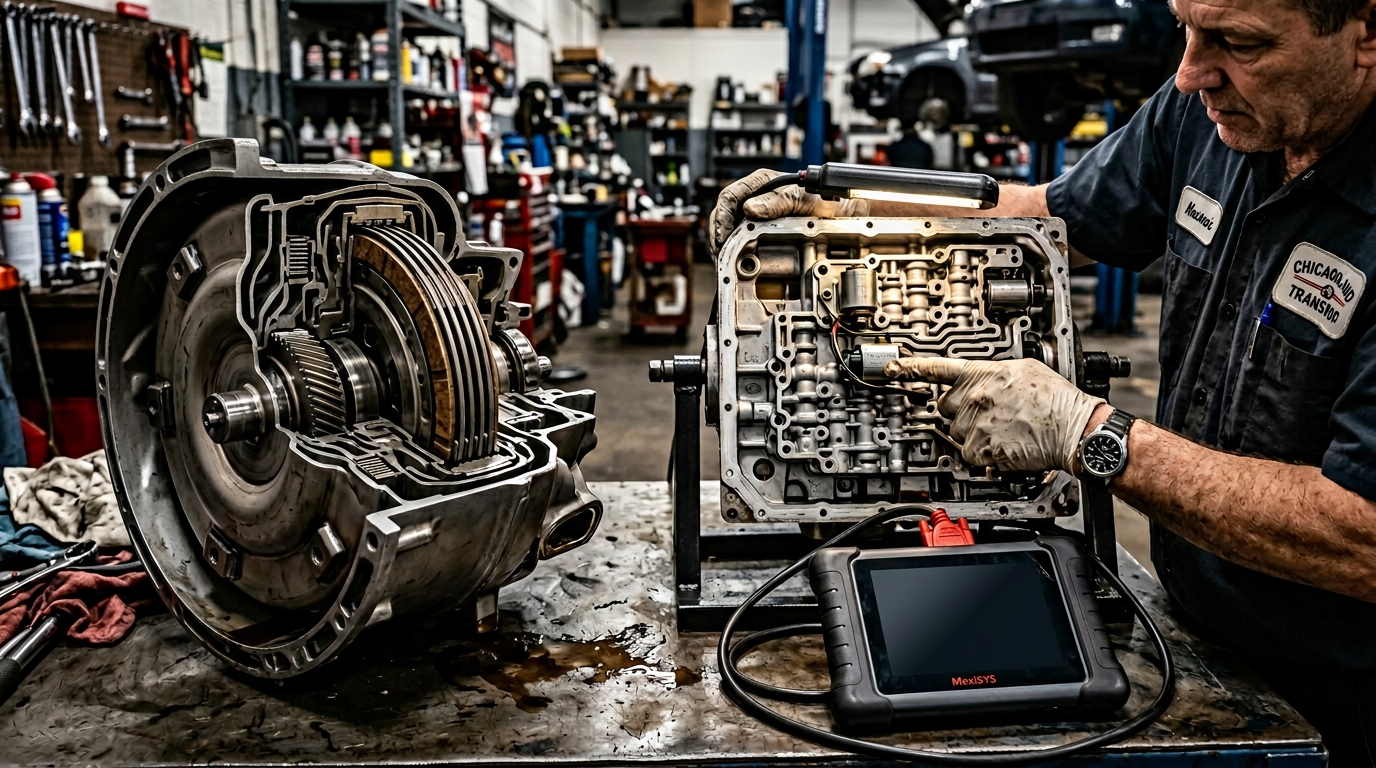
Shift pattern
We document the exact gear change, temperature, throttle input, and delay so a worn hydraulic passage is not confused with normal adaptation behavior.
We diagnose valve body problems by checking how fluid is routed through the casting, whether pressure is leaking past worn valves or bores, and how the solenoid body is commanding each shift. Arlington Heights drivers usually come in after delayed engagement, harsh upshifts, flare shifts, or pan debris makes the hydraulic fault hard to ignore.
Tell us which gear acts up, whether it is worse hot or cold, and whether another shop found metal or clutch material in the pan.
A valve body is the transmission's hydraulic routing block. When the casting, spool valves, check balls, separator plate, or bore surfaces wear, the transmission can lose apply pressure even though the computer is requesting the correct shift.
We separate a valve body fault from a solenoid-body fault because the two work together but do not fail the same way. A sticking pressure-control solenoid may mimic worn hydraulic passages, while a worn bore can make a good solenoid look slow.
The inspection ties the road-test complaint to scan data, fluid condition, pan debris, and pressure response so the estimate can say whether repair, replacement, or deeper internal work is the honest path.
Get Free Diagnostic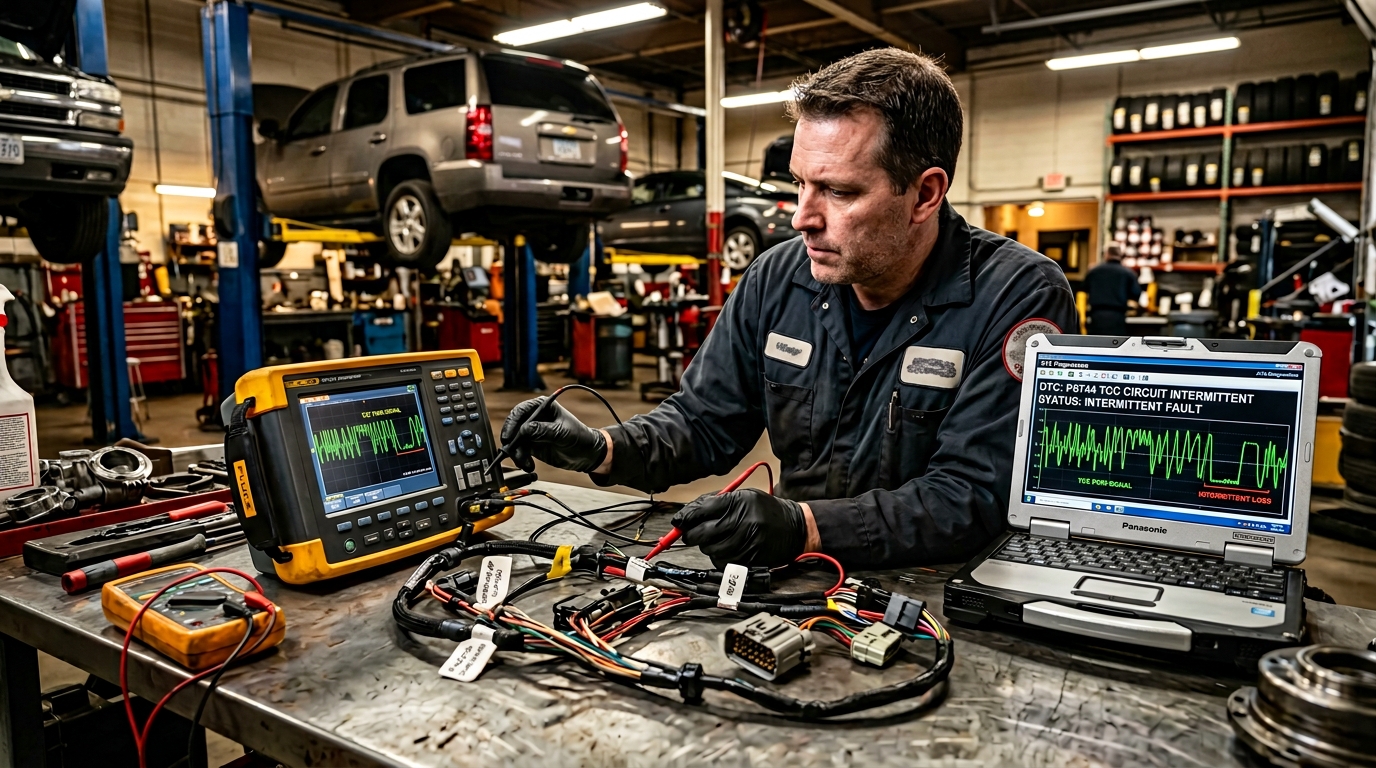
Valve body wear usually shows up as a pattern, not one random bump. The timing of the shift, the temperature of the fluid, and what is sitting in the pan all matter.
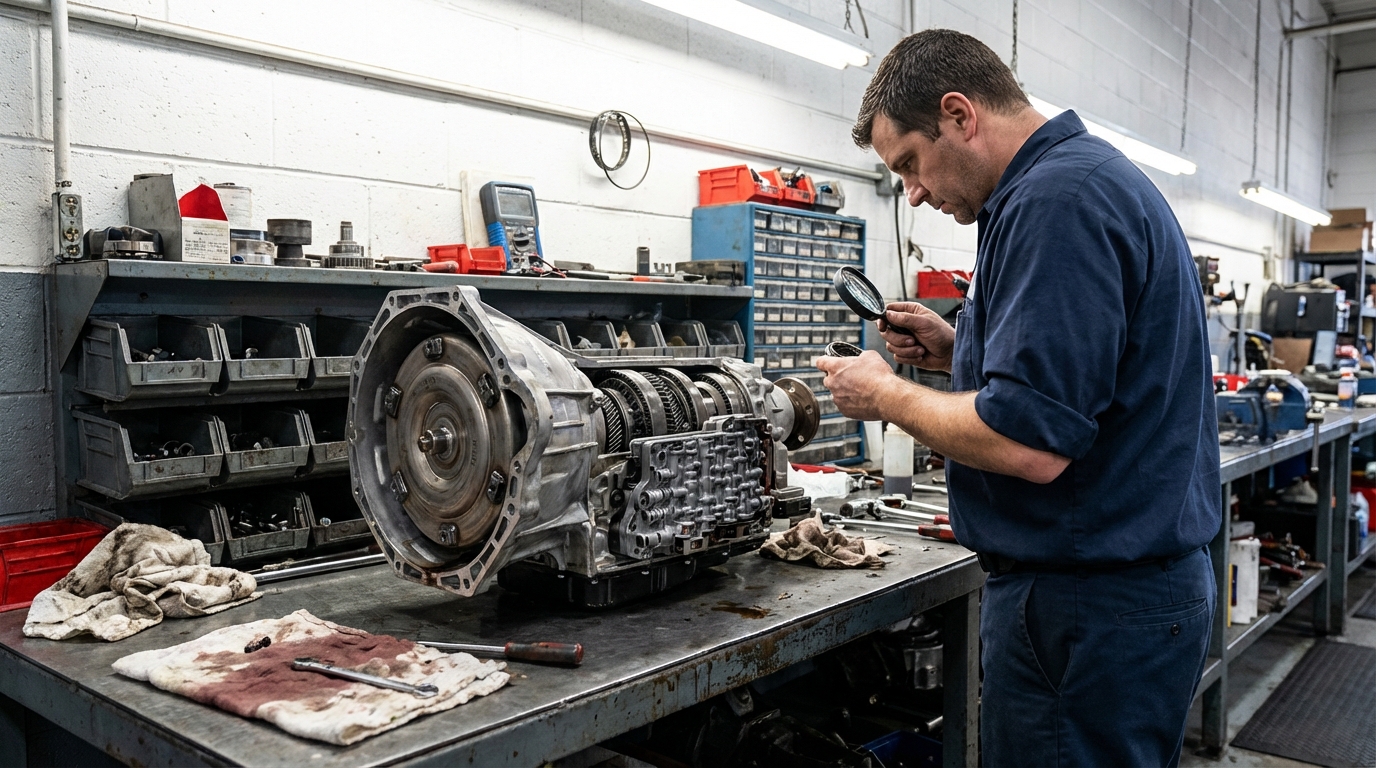
If the test points to a clutch pack, converter, wiring, or module issue instead of hydraulic routing, the estimate changes before parts are ordered.
A useful valve body estimate explains where pressure is being lost, whether the solenoid body is part of the failure, and why the repair choice matches the amount of debris found.
We document the exact gear change, temperature, throttle input, and delay so a worn hydraulic passage is not confused with normal adaptation behavior.
We compare pan debris, pressure-control data, solenoid activity, and valve-body wear signs before recommending a casting, plate, gasket, or solenoid-body repair.
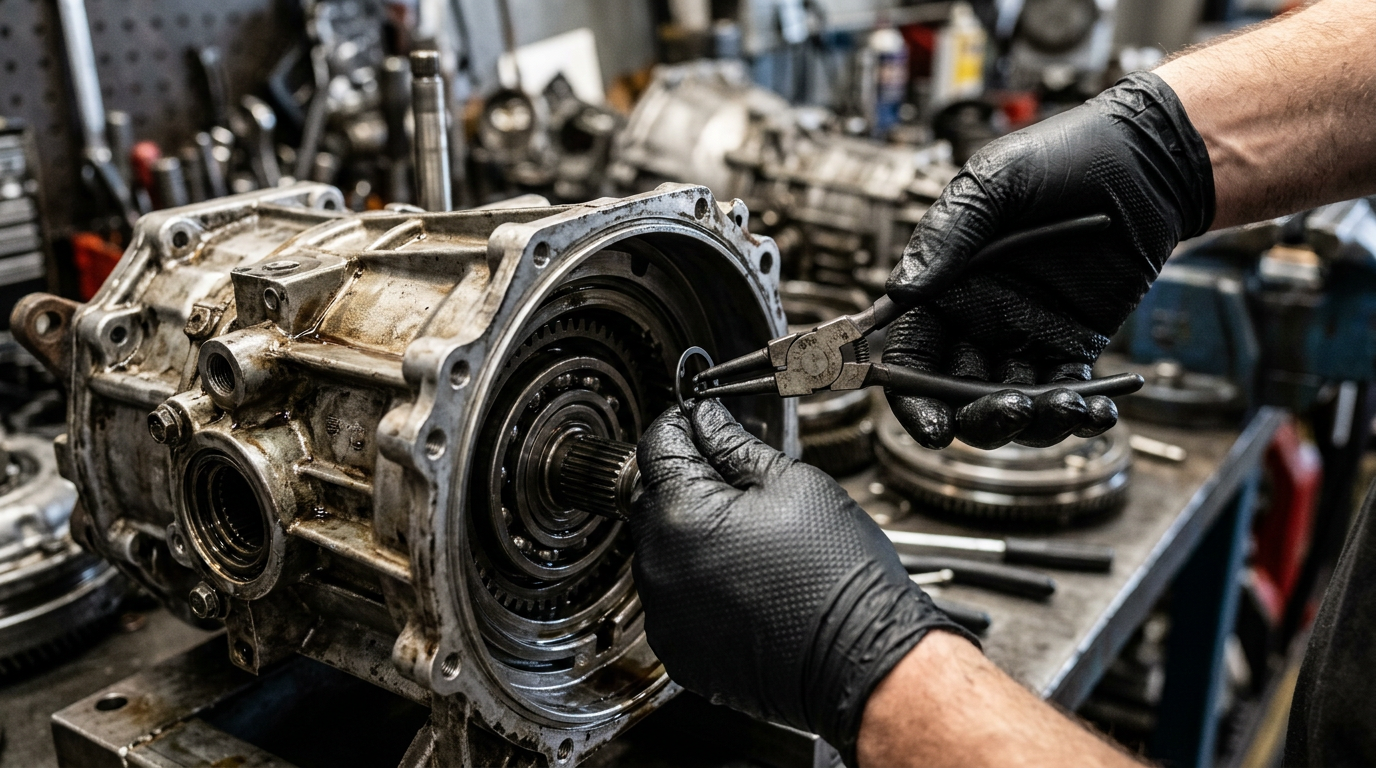
Valve body work depends on shift timing, pressure command, solenoid response, fluid condition, and whether clutch material is already in the pan. If the damage is isolated, targeted repair may avoid a full rebuild.
Valve body pricing depends on how much of the hydraulic assembly can be serviced without rebuilding the rest of the transmission.
Call, text, or send the form with the shift timing, temperature pattern, and any fluid findings. We will inspect the hydraulic routing, explain repair versus replacement, and provide a written estimate before valve body work begins.