Toyota U760E Arlington Heights Transmission Repair photos
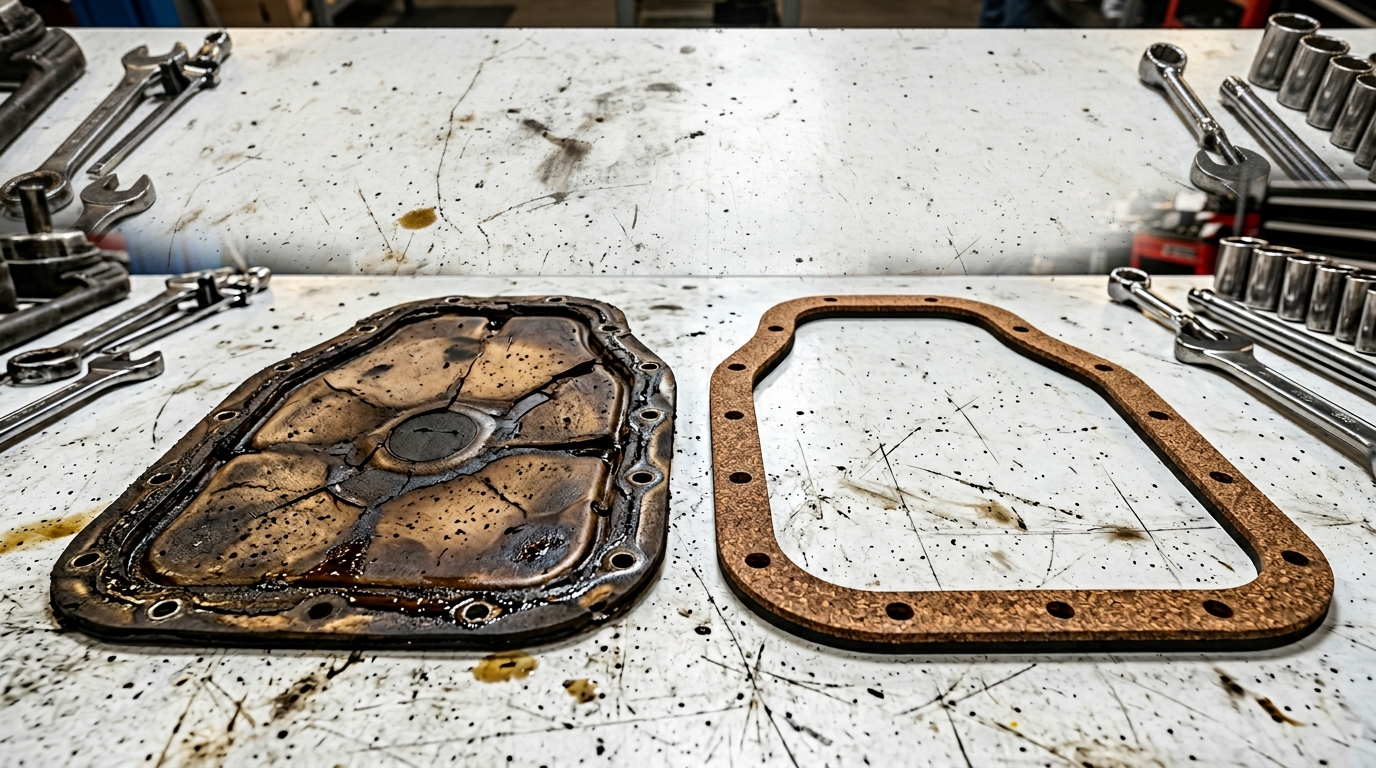
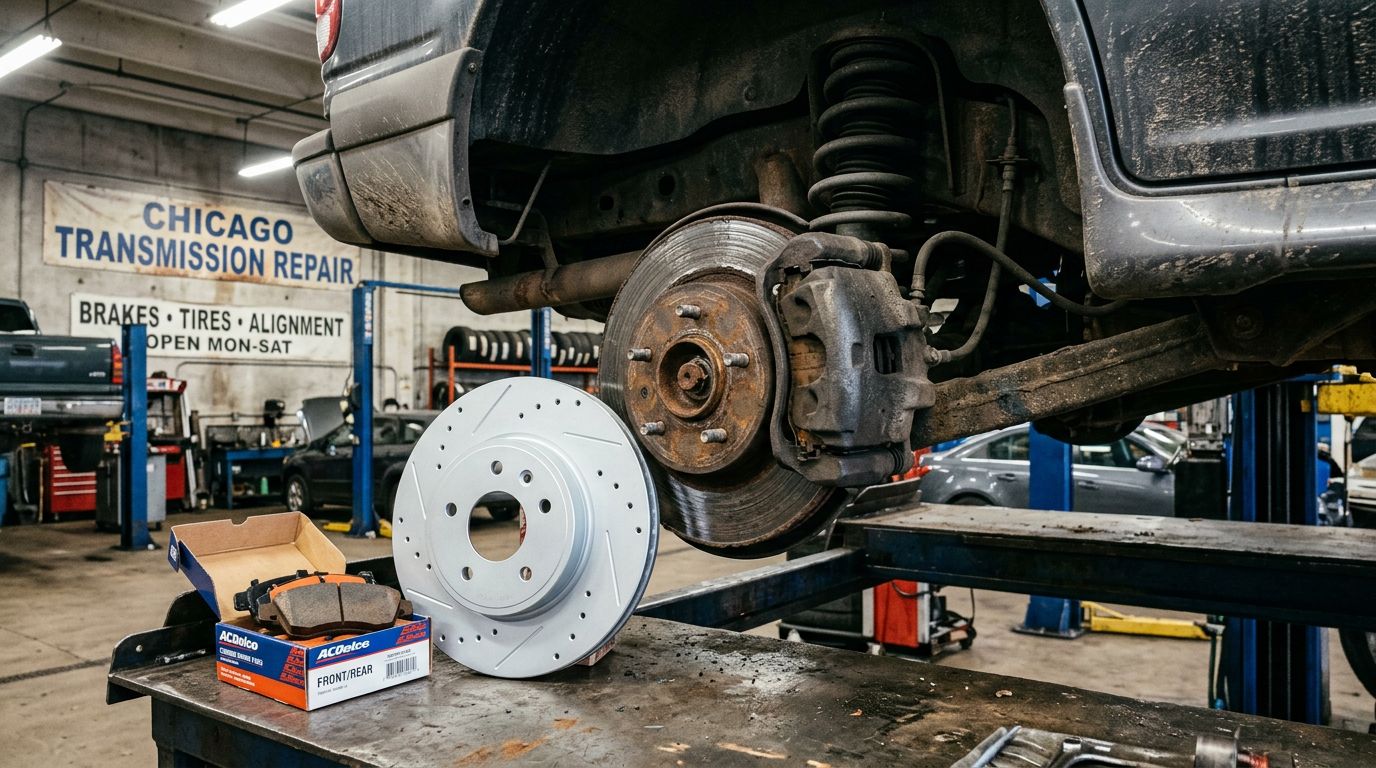
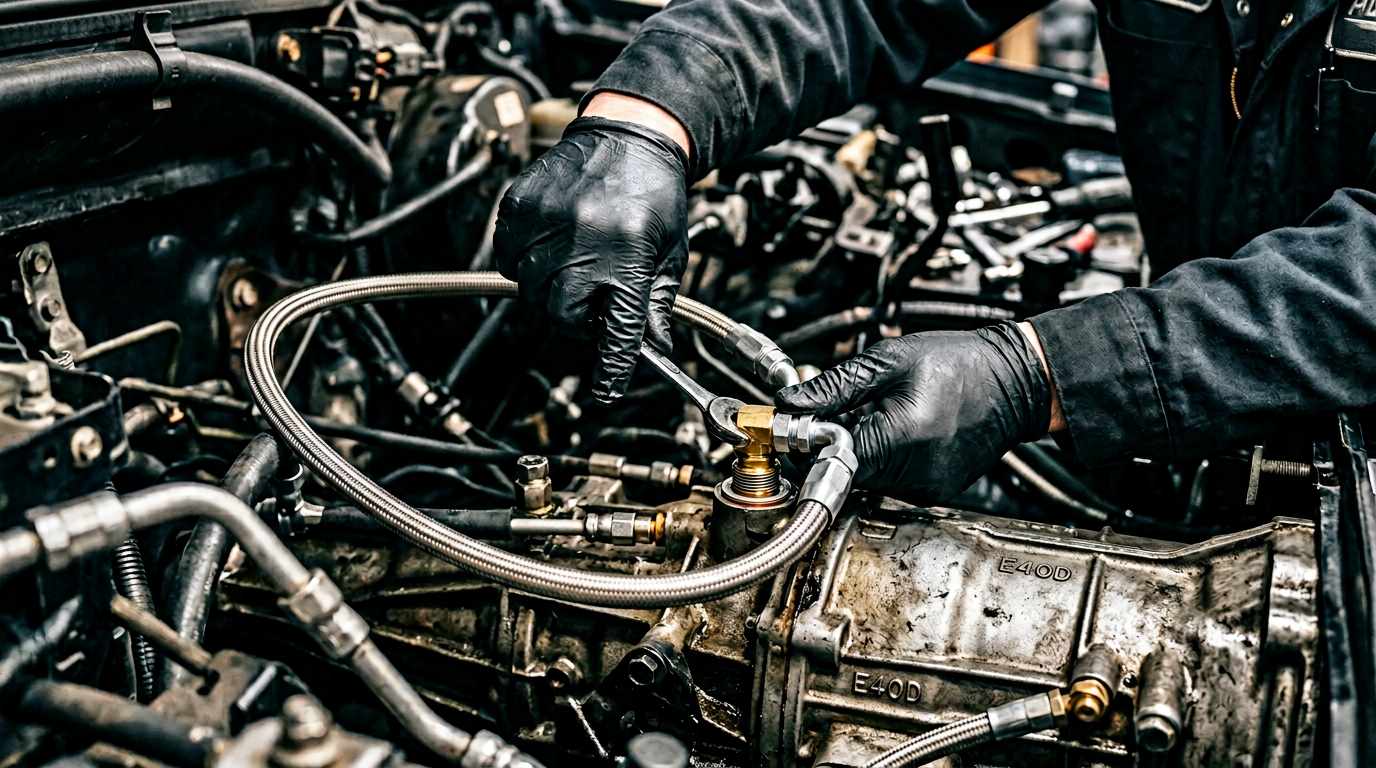
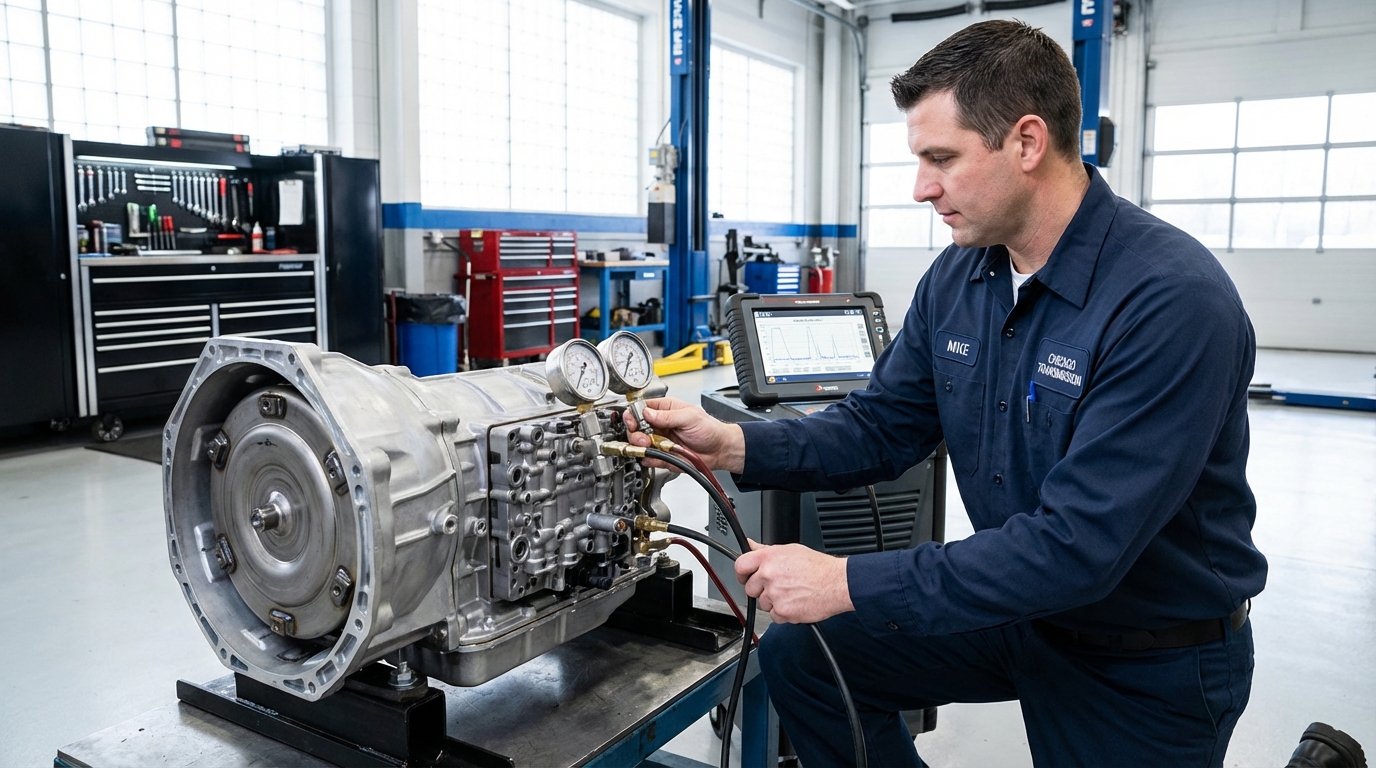

The Toyota U760E is usually smooth when it is healthy, so harsh shifts, delayed engagement, flare, or a hot driving complaint deserve a real check. We look at fluid condition, solenoid command, valve body behavior, mounts, codes, and road-test timing before calling for a major repair.
Send the vehicle details and we will respond by call, text, or email.
A U760E estimate should separate electrical control, valve body wear, fluid problems, converter behavior, and internal clutch wear before the vehicle is taken apart.
Drivers usually notice a flare between gears, a bump into drive, a harsh downshift, delayed reverse, or a shift that gets worse once the Toyota is warm. Those symptoms can come from pressure control, solenoids, valve body wear, fluid condition, or internal clutch wear.
Many U760E vehicles are daily drivers, so short trips around Arlington Heights, Palatine, Mount Prospect, and Schaumburg matter. Repeated cold starts and stop-and-go traffic can make a borderline valve body or old fluid show up sooner.
We check the scan data, fluid level and color, adaptive shift behavior, leak points, mounts, and whether the engine is loading the transmission correctly. A bad mount or engine issue can make a shift feel worse than the transmission actually is.
If the evidence points to a solenoid, valve body, fluid issue, or external leak, we explain that option first. If the unit has burnt fluid, repeated ratio faults, or clutch material, we talk through rebuild or replacement choices.
Toyota transmissions often last well when serviced correctly, but guessing is expensive. The right question is not whether the U760E can be repaired; it is which failure the inspection proves.
The written estimate should explain the failed circuit or component, whether the repair is targeted or internal, what parts are included, and what warranty applies.
A Toyota that shifts normally cold but slips or flares hot may be losing pressure as the fluid thins. Continuing to drive it can turn a valve body or pressure issue into internal clutch damage.
Tell us the model, mileage, codes, whether the fluid has been serviced, and exactly which shift feels wrong. If the vehicle is already slipping on Route 53 or I-90, call before driving it farther.
We help Toyota and Lexus drivers decide whether the next step is a safe drive-in, tow-in, targeted repair, or full unit conversation.
Call, text, or send the form with the Toyota model, mileage, codes, and shift complaint. We will start with the U760E diagnostic path and put the repair options in writing.
Toyota U760E Arlington Heights Transmission Repair photos