U-Joint Replacement Arlington Heights photos
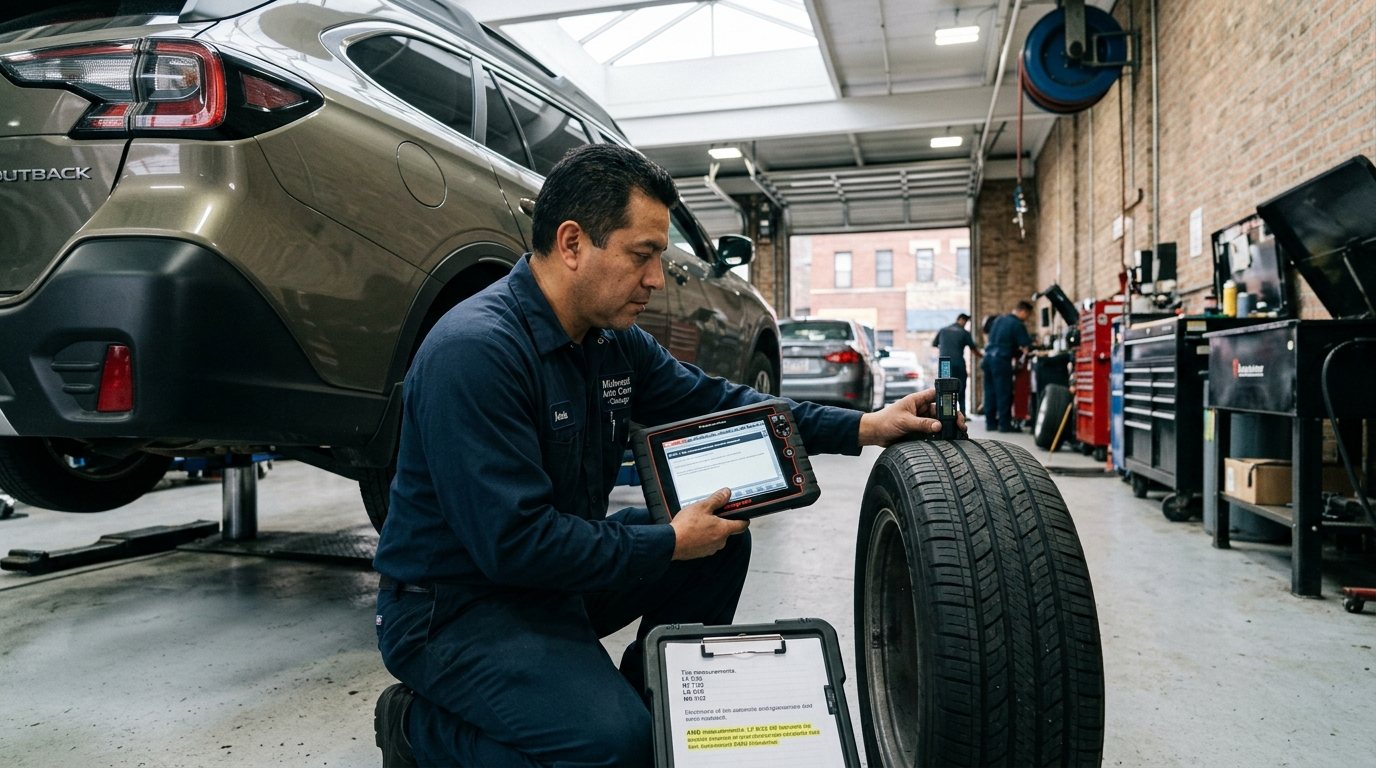
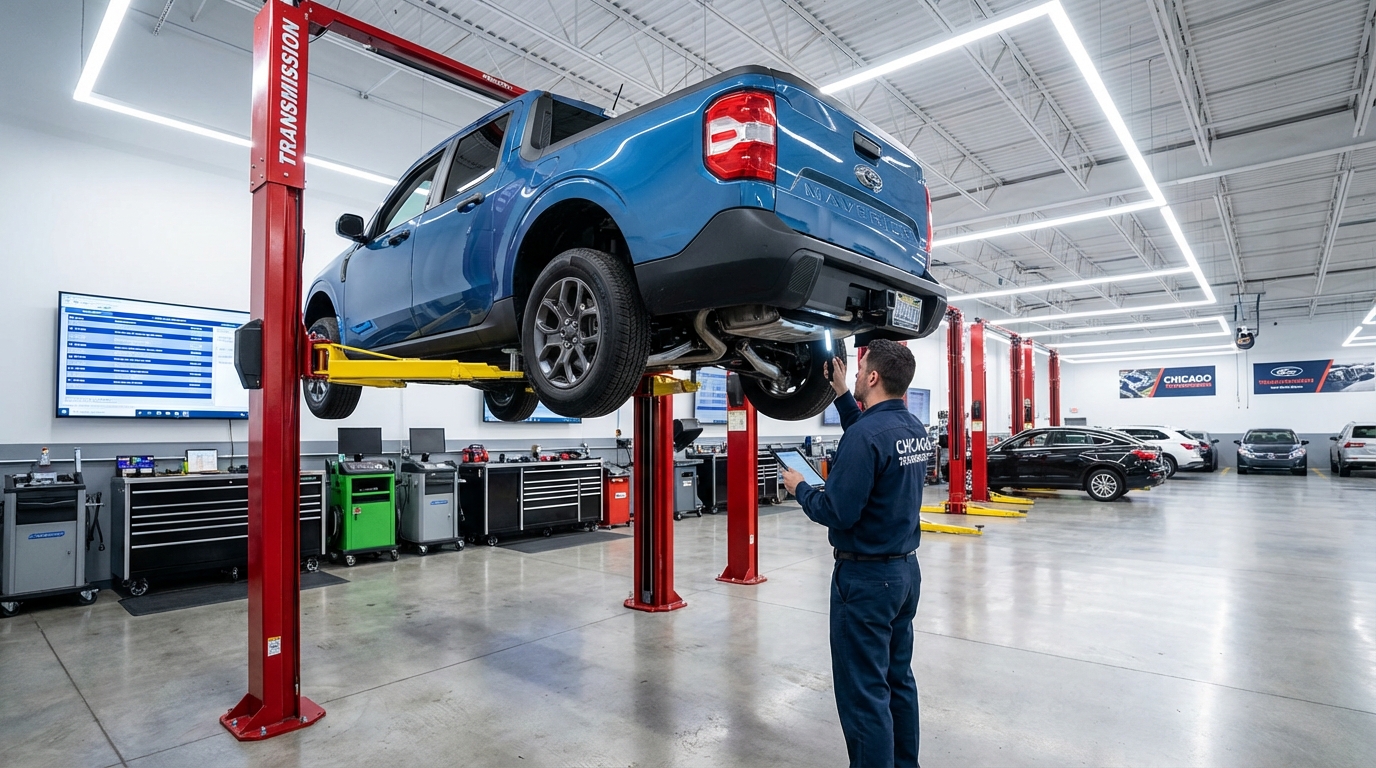
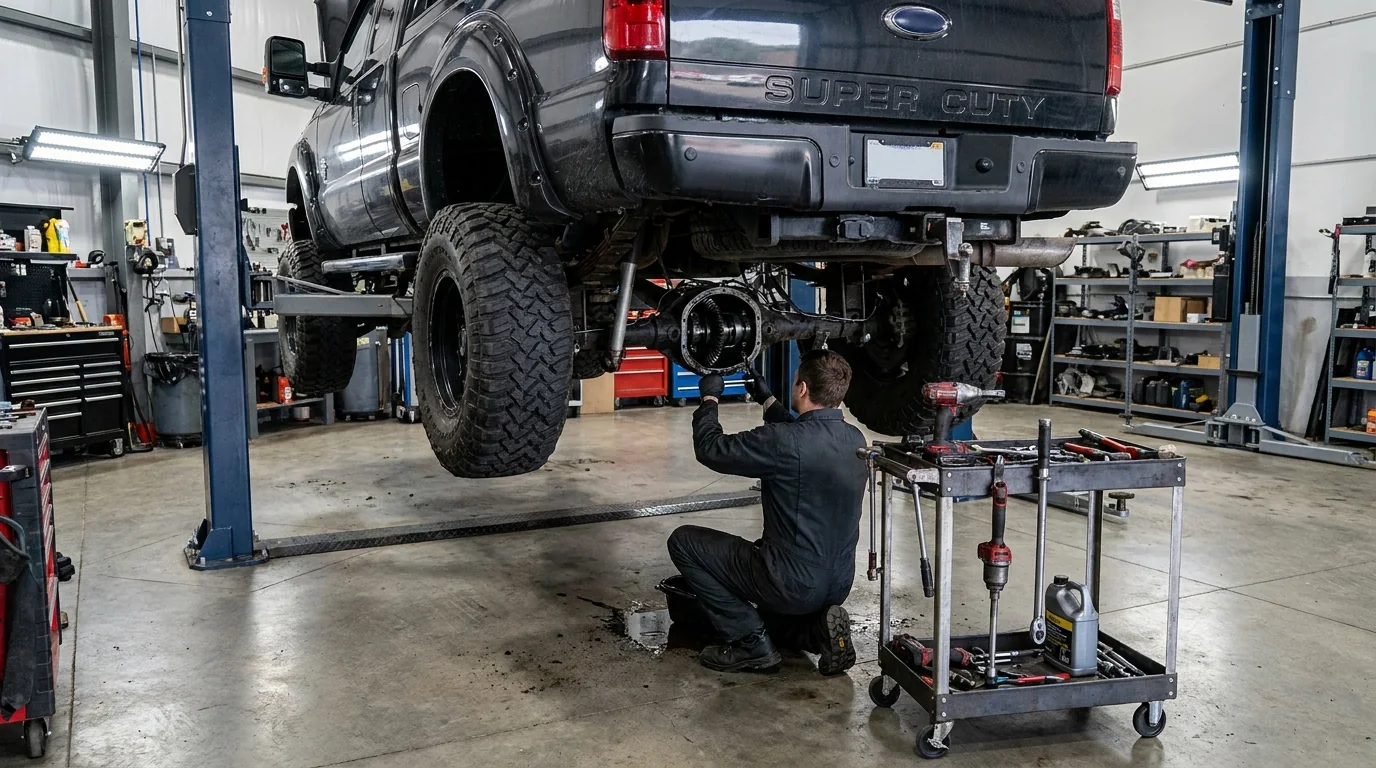
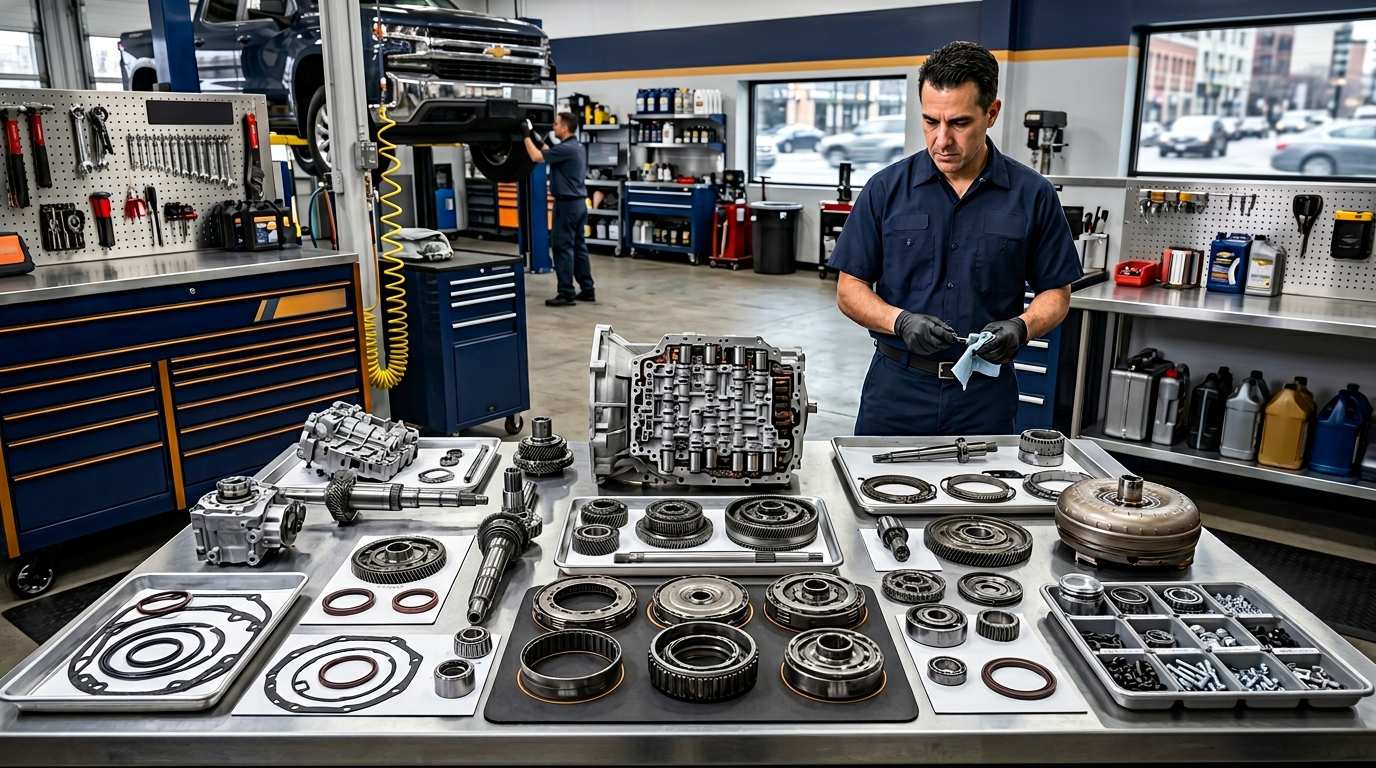
U-joint photos should support joint play, rust, caps, clips, driveshaft angle, and vibration diagnosis.
We diagnose u-joint and driveshaft problems for Arlington Heights drivers with a road test, scan data, fluid checks, and a written estimate before repair work starts. Road salt and pothole hits around the NW suburbs can speed up boot, seal, joint, and bearing wear.
Send the vehicle details and we will respond by call, text, or email.
A worn U-joint often announces itself with a clunk into gear, chirp at low speed, vibration under load, rust powder near a cap, or looseness in the driveshaft. Catching it early can protect the transmission, transfer case, differential, and shaft.
We check joint play, seized movement, missing clips, rust trails, cap movement, driveshaft dents, slip yoke condition, carrier bearing support, pinion yoke wear, and whether the vibration changes with speed or throttle.
A bad U-joint can feel like a transmission clunk. It can also mimic differential backlash, mount movement, or tire vibration. The driveline has to be inspected as a connected system.
Salt and age can make caps seize into the shaft. If the yoke or shaft is damaged during removal, the estimate may change from joint replacement to shaft repair.
Some U-joints are serviceable with standard joints. Some are staked, specialty, or part of an assembly. A two-piece driveshaft may also need carrier-bearing inspection while it is apart.
If the shaft is out of balance or the yoke ears are distorted, simply pressing in a new joint may not fix the vibration. We explain when a shaft needs balancing or replacement.
The estimate should state which joint failed, why it failed, and whether related shaft or bearing work is recommended.
A loose joint can let the driveshaft move violently. That can damage the transmission tail housing, transfer case, differential yoke, exhaust, brake lines, or floor. Strong clunking or visible play should be inspected before highway driving.
Tell us whether the vehicle is rear-wheel drive, 4WD, AWD, one-piece shaft, or two-piece shaft. Also mention any recent lift kit, lowering kit, axle work, or driveshaft replacement.
We will separate U-joint replacement from carrier bearing, driveshaft, mount, and differential problems before quoting the repair.
Call, text, or send the form. We will start with the complaint, inspect the u-joint and driveshaft, and explain the practical repair path. Free diagnostic, written estimate, no obligation.
U-Joint Replacement Arlington Heights photos
U-joint photos should support joint play, rust, caps, clips, driveshaft angle, and vibration diagnosis.