Ford DPS6 Arlington Heights Transmission Repair photos
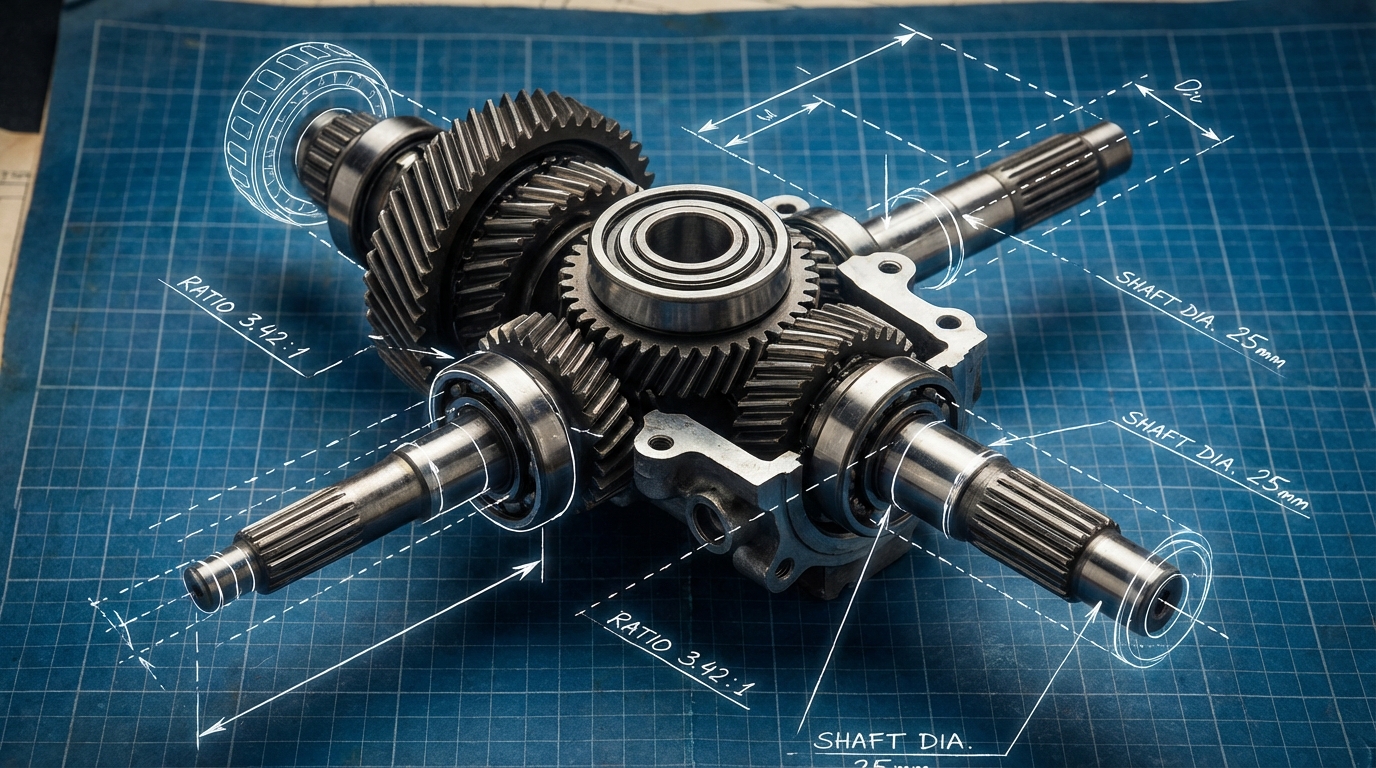
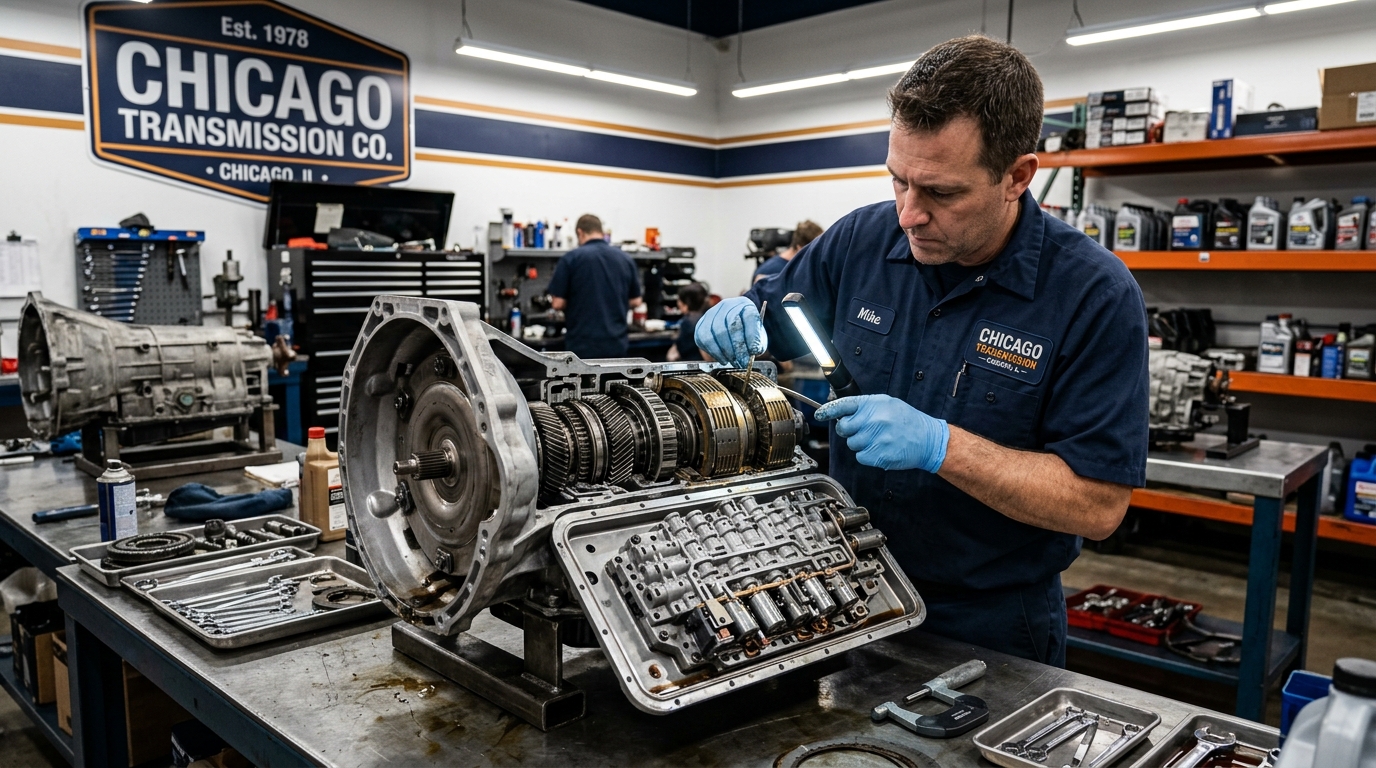
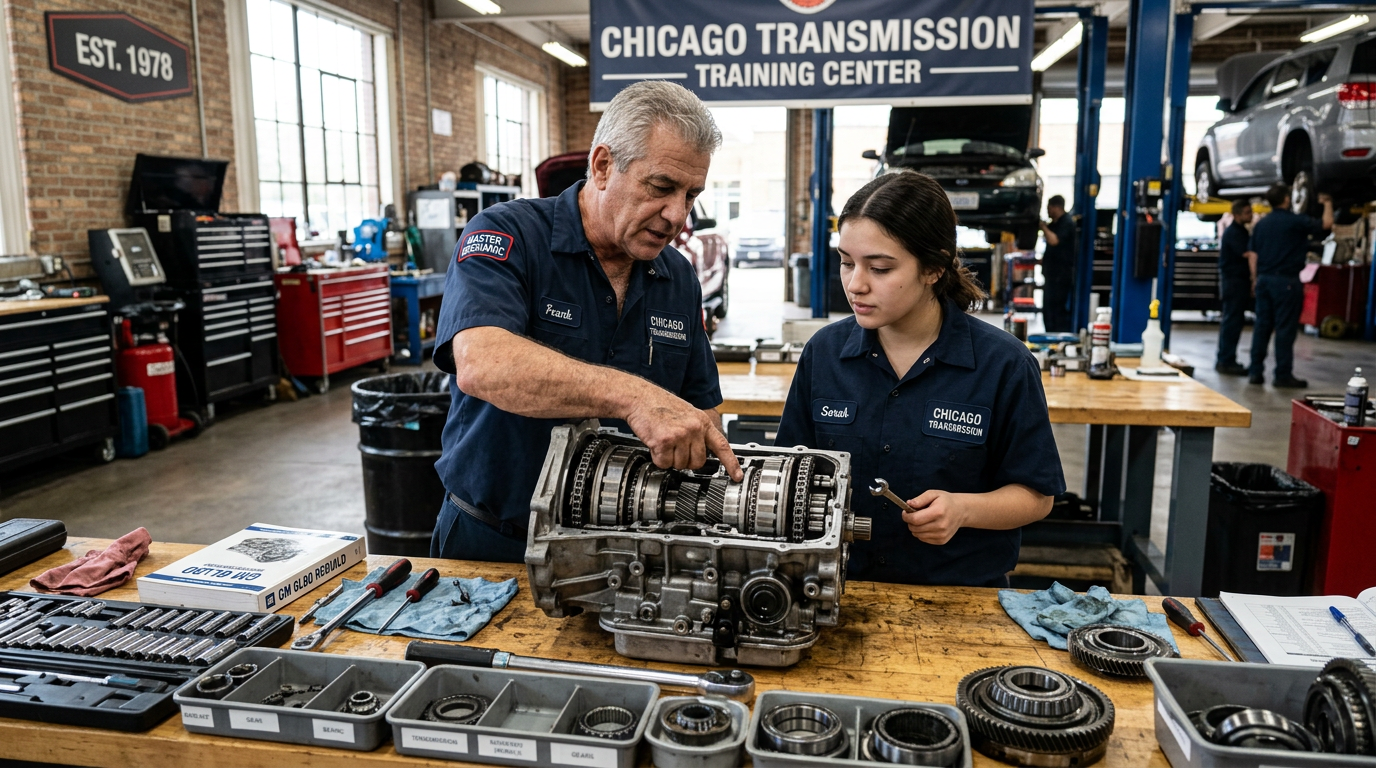
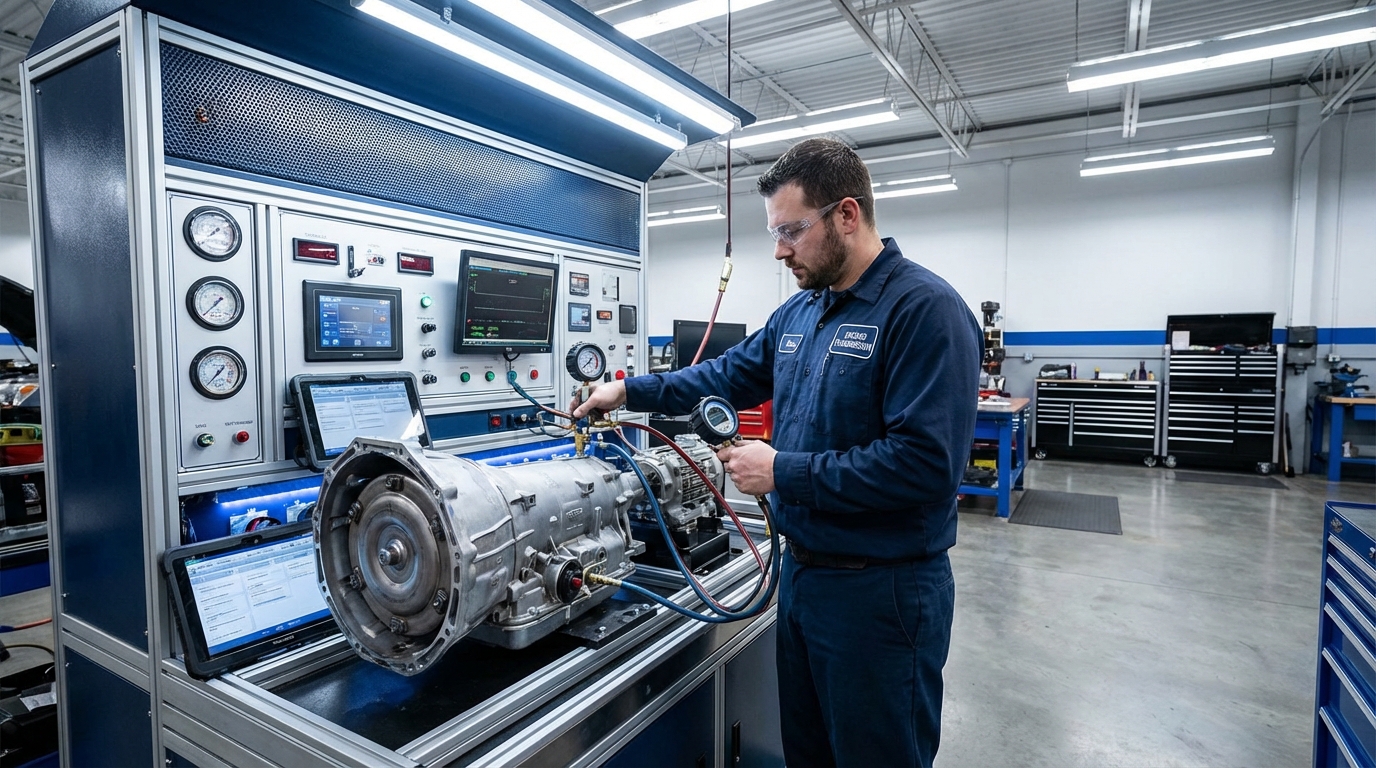
The Ford DPS6 PowerShift is a dry dual-clutch transmission, so the common shudder and hesitation complaints need a different diagnostic path than a normal automatic. We look at clutch behavior, TCM command, actuator movement, fork operation, codes, and the vehicle's repair history before quoting the next step.
Send the vehicle details and we will respond by call, text, or email.
DPS6 work starts with the history of the car, the exact shudder pattern, TCM and actuator evidence, and whether a repair makes sense for the vehicle.
Focus and Fiesta owners usually call about shudder from a stop, delayed engagement, harsh low-speed shifts, no reverse, warning lights, or a vehicle that will not shift correctly after warming up. Some complaints point to clutch wear. Others point to TCM, actuator, fork, wiring, or adaptation problems.
Because these units have a known history, it is easy for a shop to jump to a canned answer. We still test the specific car. Mileage, prior clutch work, TCM replacement history, codes, and how the shudder behaves all matter.
Stop-and-go commuting around Arlington Heights, Schaumburg, Palatine, and I-90 can make a marginal dry clutch feel worse because the unit keeps slipping the clutches at low speed.
Many DPS6 vehicles are older economy cars now, so the recommendation has to be practical. A repair that makes sense on a clean low-mileage car may not make sense on a worn vehicle with multiple unrelated problems.
We explain whether the evidence points toward clutch replacement, TCM or actuator diagnosis, fork issues, wiring, adaptation, or a larger transmission decision. If a prior warranty or dealer repair history affects the decision, bring that paperwork.
The estimate should say what is being tested, what is being replaced, and what outcome to expect. A dry dual-clutch repair should not be sold as if it were a simple fluid-service automatic.
A light takeoff shudder may seem livable, but a worsening shudder, warning light, no reverse, or delayed movement can leave the vehicle stuck. It is better to check it before the car stops moving in traffic.
Tell us the year, mileage, stored codes, whether the TCM has been replaced, whether clutch work has been done, and whether the problem happens hot, cold, or only in traffic. We help drivers from Rolling Meadows, Mount Prospect, Wheeling, and Buffalo Grove decide whether to drive in or tow.
You get a direct written explanation of the failure path before work starts, including whether the repair is worth doing for the vehicle.
Call, text, or send the form. We will start with the complaint, inspect the Ford PowerShift dual-clutch transmission, and explain the practical repair path. Free diagnostic, written estimate, no obligation.
Ford DPS6 Arlington Heights Transmission Repair photos