Toyota A960E Arlington Heights Transmission Repair photos
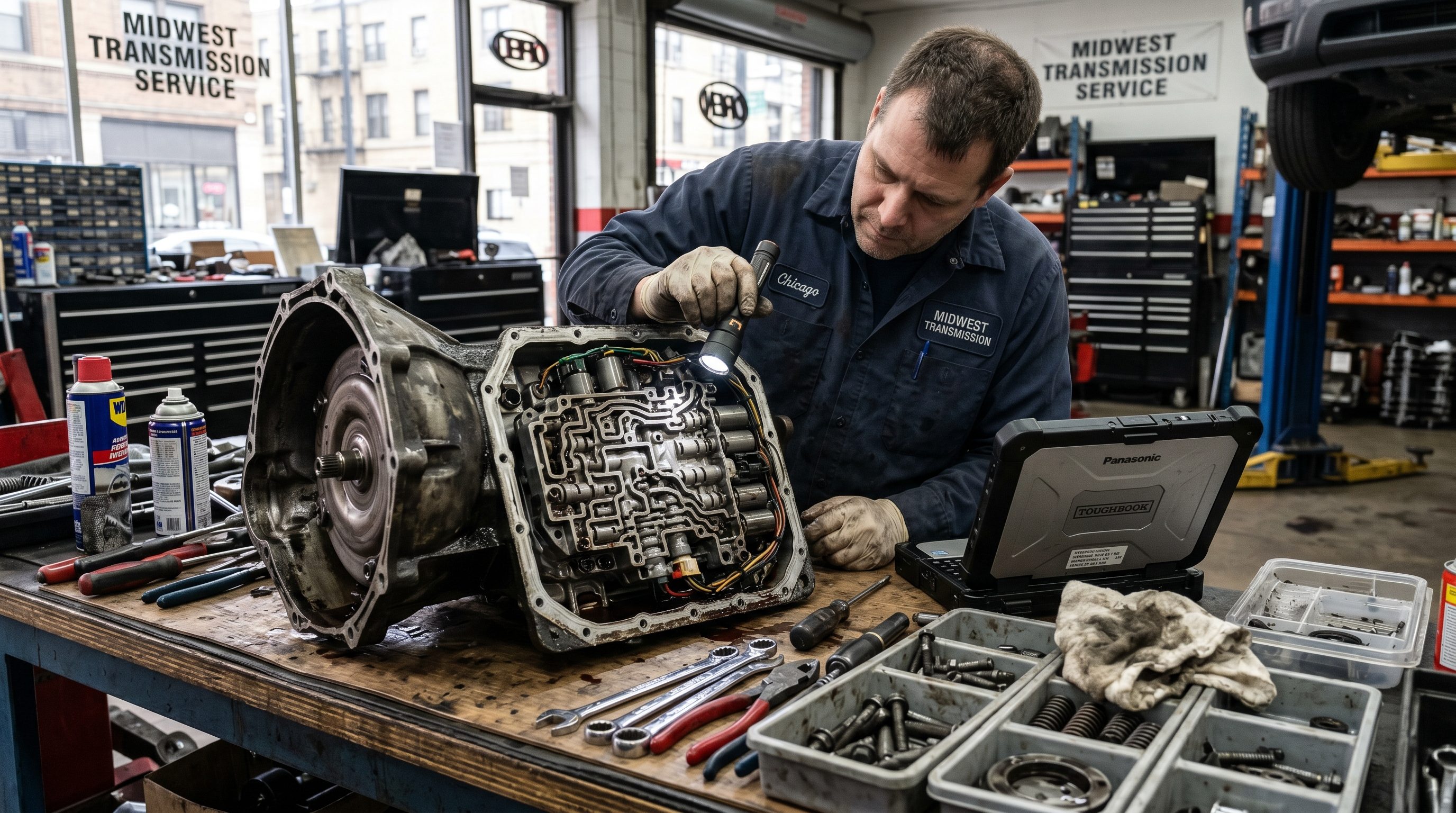
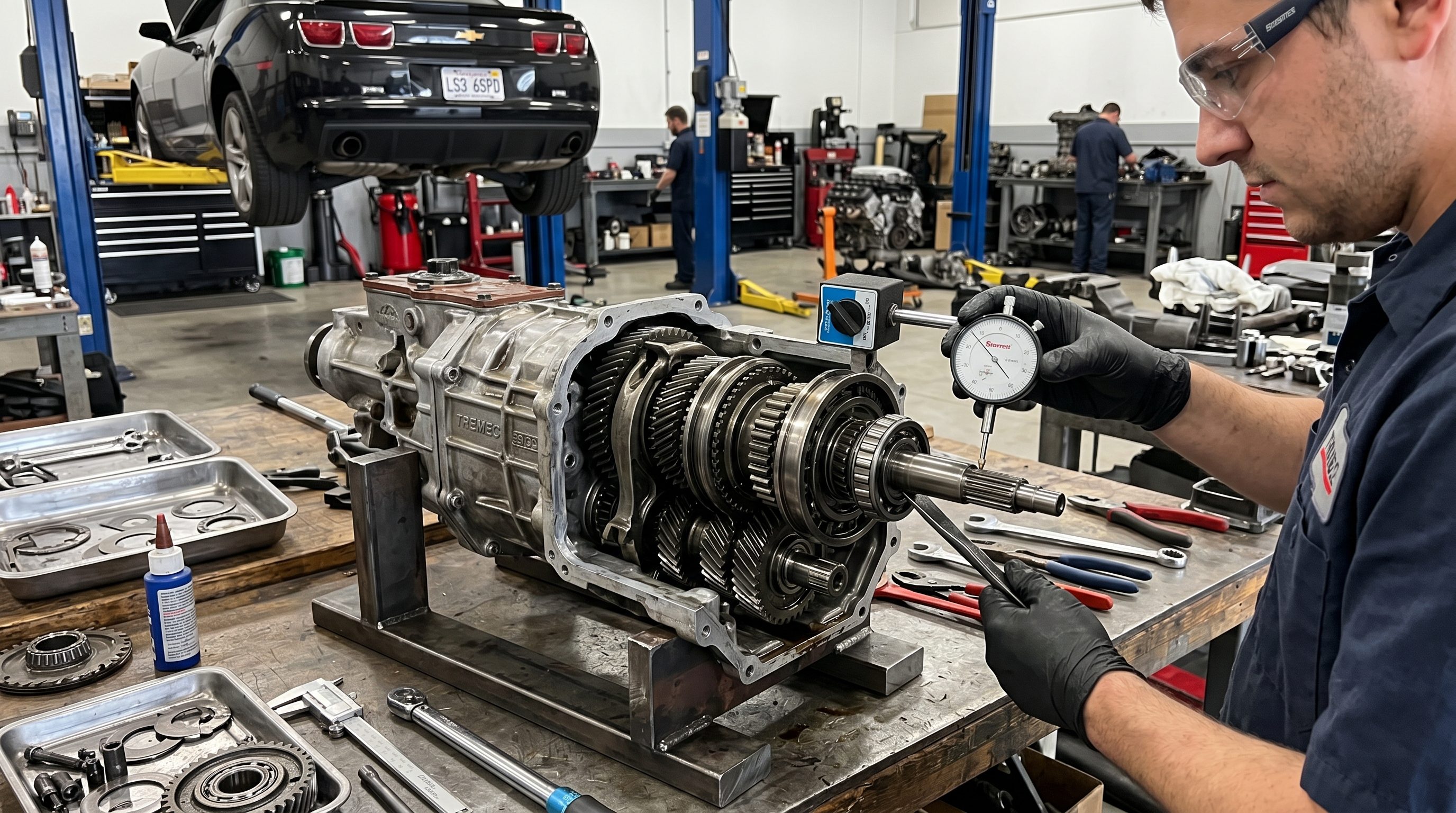
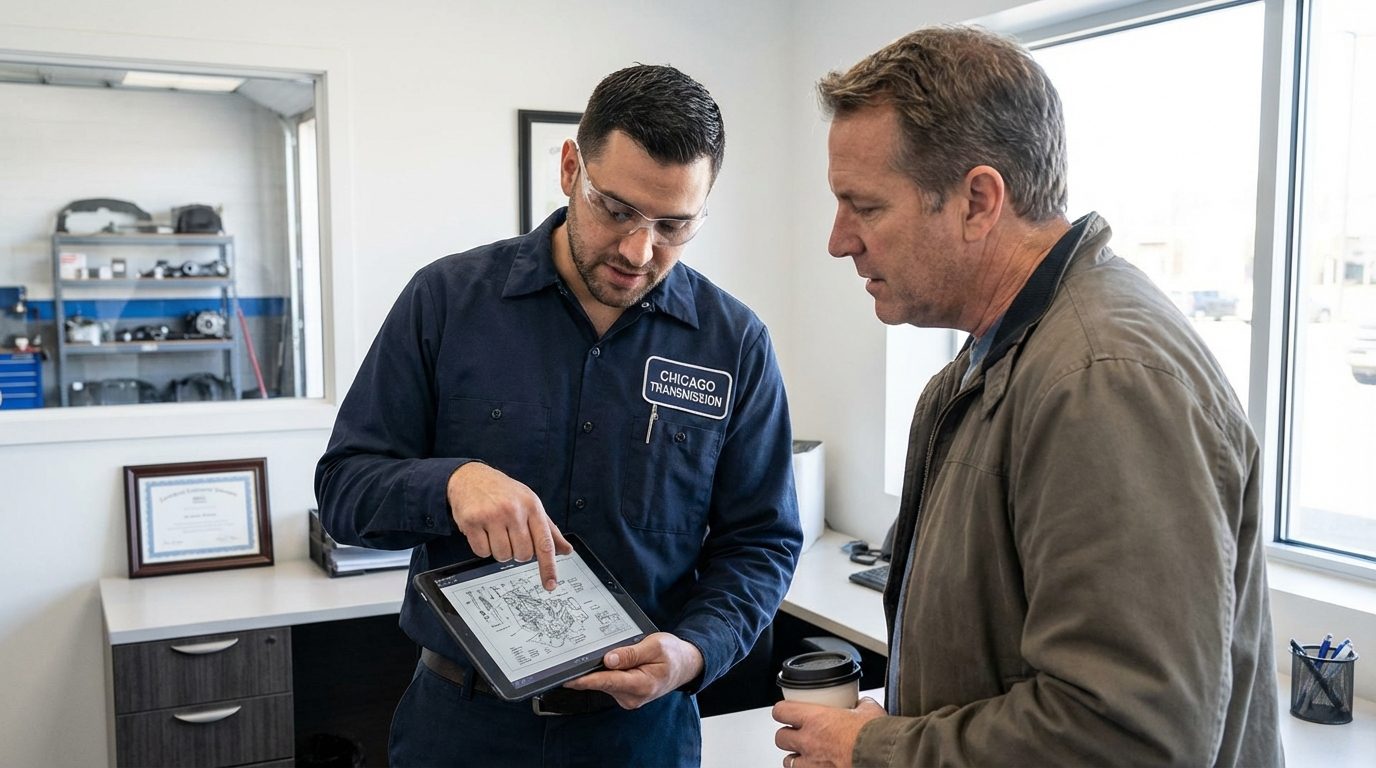
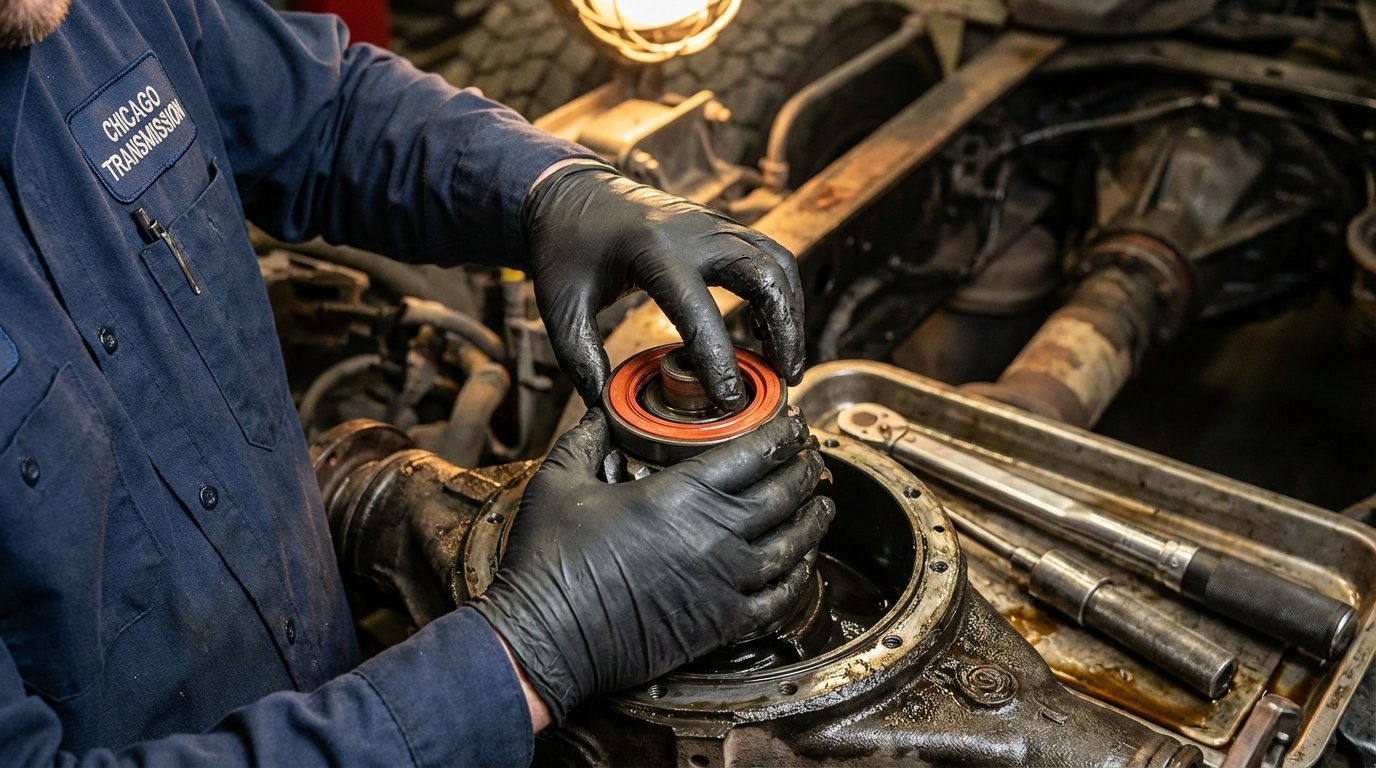
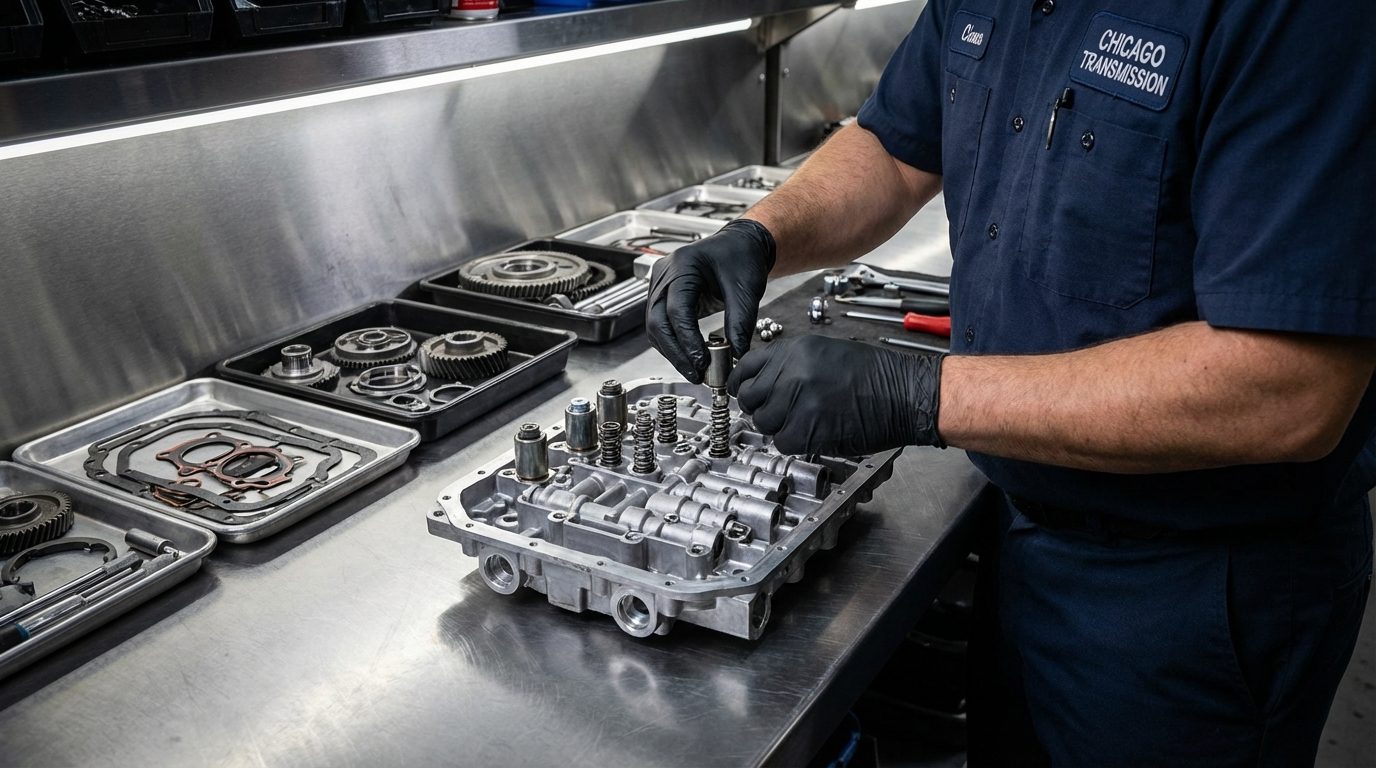
The A960E shows up in Toyota and Lexus rear-drive applications, and the complaint often feels like a harsh shift, delayed engagement, flare, converter shudder, or inconsistent downshift. We check the transmission as a system before recommending a major repair.
Send the vehicle details and we will respond by call, text, or email.
A960E diagnosis needs road-test timing, scan data, fluid condition, converter behavior, and valve body evidence before the estimate is written.
A firm shift at light throttle, a flare on the 2-3 or 3-4 change, delayed reverse, or a shudder at cruise can come from different parts of the unit. Some point toward pressure control or valve body wear. Others point toward converter or internal clutch problems.
Toyota and Lexus owners often bring these vehicles in after a dealer quote or after noticing the shift quality change gradually. We ask whether the problem started after service, after a long highway trip, or only after the transmission warms up.
We inspect fluid condition, codes, adaptive behavior, mounts, leaks, cooler lines, and whether the engine or driveline is contributing to the feel of the shift.
If the A960E still has clean fluid and the issue is isolated, targeted valve body, solenoid, converter, or leak repair may be possible. Burnt fluid, material in the pan, or multiple slipping gears changes the conversation.
The right repair depends on mileage, vehicle condition, parts availability, and whether the owner wants a long-term repair or a value-conscious fix. Rear-drive Lexus and Toyota platforms can also mask driveline vibration as a shift concern, so we check the mount and driveline feel during the road test.
We explain what failed, what can be repaired in place, when removal is required, and what warranty applies to the work.
A large quote does not always mean the diagnosis is wrong, but it should be backed by evidence. We can review the codes, symptoms, and estimate so you understand what the A960E actually needs.
Tell us whether the problem is a harsh upshift, delayed engagement, shudder, flare, leak, or warning light. Drivers from Arlington Heights, Palatine, Rolling Meadows, and Hoffman Estates can usually start with a phone or text intake.
We keep the answer direct: targeted repair when the failure is isolated, internal repair when the evidence proves it, and replacement only when it is the practical path.
Call, text, or send the form with the Lexus or Toyota model, mileage, shift behavior, and any codes. We will check whether the A960E issue is valve body, converter, leak, driveline, or internal wear.
Toyota A960E Arlington Heights Transmission Repair photos