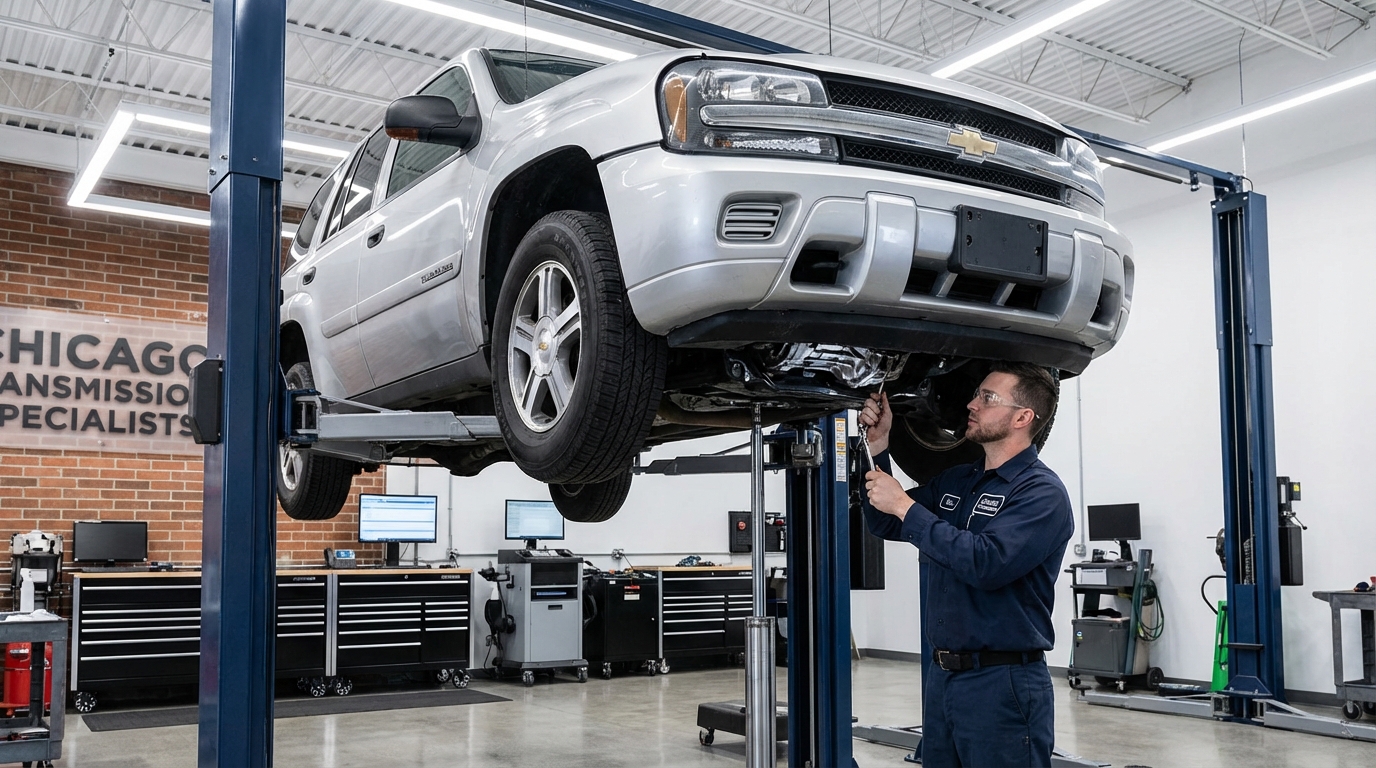
Heat History
Temperature records, fluid smell, cooler flow, and seal behavior show whether heat is the root problem or only a symptom.
The 4L70E is a later upgraded GM 4-speed automatic, but stronger parts do not protect it from excess heat, converter clutch wear, pressure-control faults, or poor rebuild practices.
Share the mileage, how the shift issue shows up, and whether it changes when hot; we use that detail to route the diagnostic correctly.
4L70E problems often show up as lockup shudder, delayed engagement, hot slipping, harsh apply, or repeated failure after a low-quality rebuild.
Because this unit was built as an upgraded 4-speed, we look beyond the nameplate and check whether pressure control, converter strategy, cooling, and internal clearances match the vehicle's use.
A written estimate should explain what can be fixed in-car, what requires removal, and when a rebuild is the more durable choice.
Get Free Diagnostic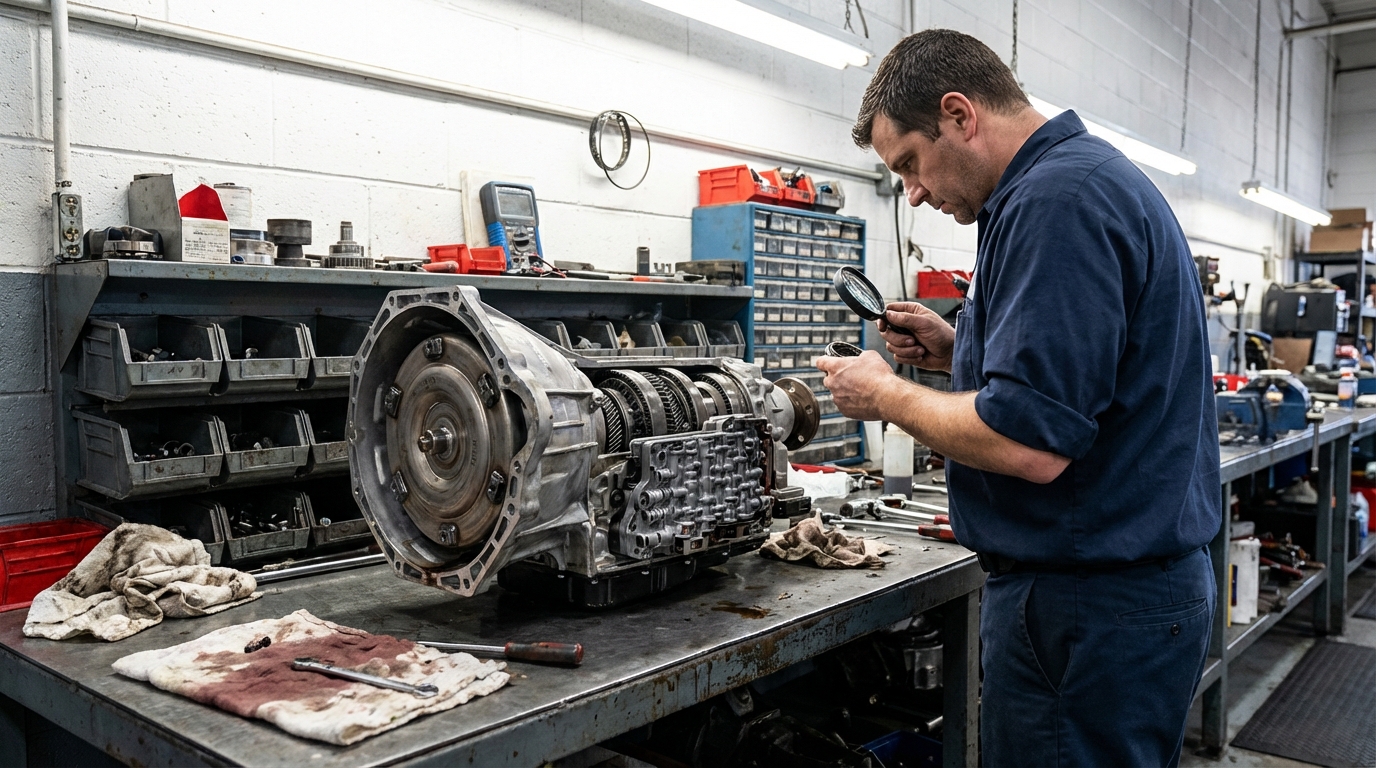
The same driver complaint can come from converter apply, valve-body wear, internal clutch loss, or heat-damaged sealing parts.
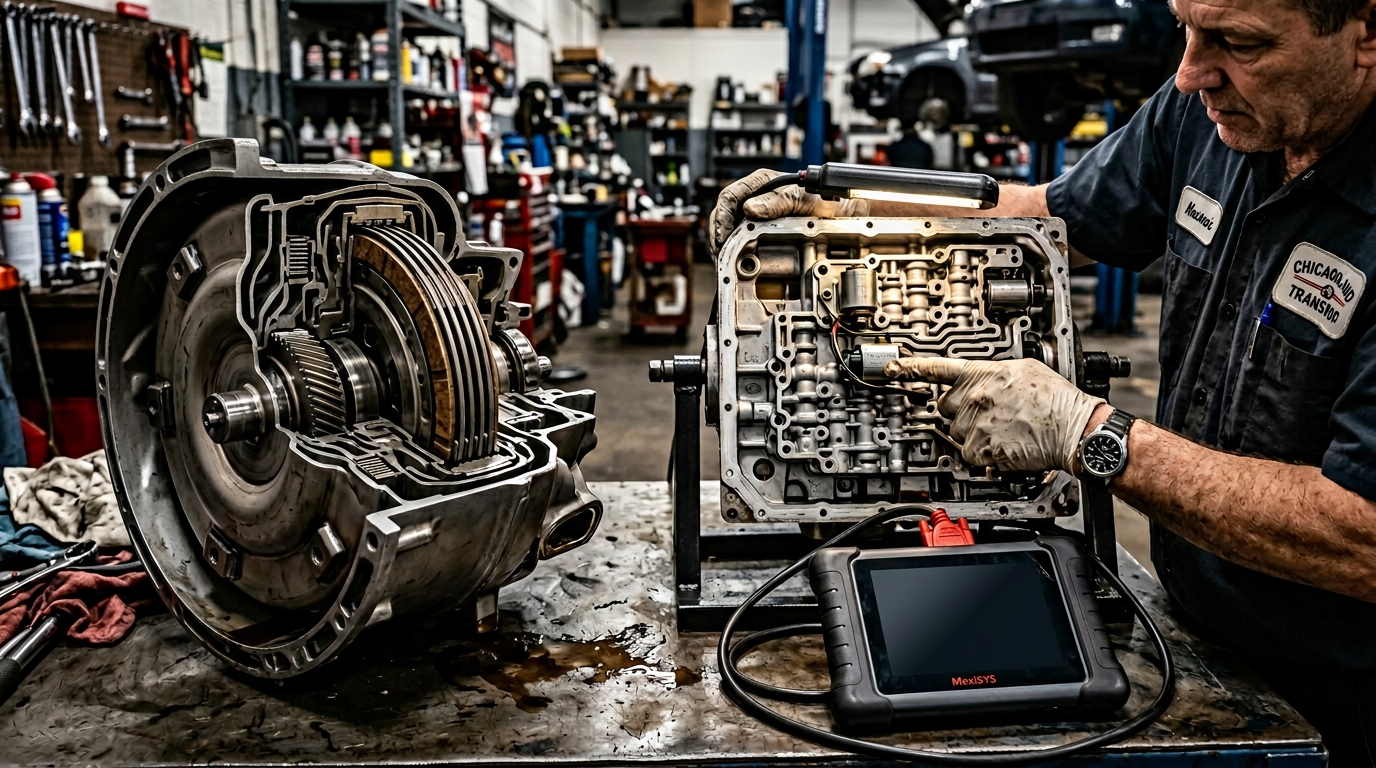
When the data points to a non-transmission cause, the recommendation changes before parts are ordered.
The inspection focuses on why an upgraded GM 4-speed is failing now, not just which repair category sounds closest.
Temperature records, fluid smell, cooler flow, and seal behavior show whether heat is the root problem or only a symptom.
Pressure command, solenoid behavior, valve-body wear, and converter apply data help separate control issues from hard-part failure.
If removal is needed, the quote should address converter choice, pump inspection, clutch clearance, hard parts, bushings, seals, and cooler protection.
A 4L70E estimate depends on whether testing finds an external problem, converter failure, hydraulic control loss, heat damage, or internal wear that makes teardown necessary.
Call or text with the vehicle details and how the 4L70E is acting. We will schedule the free diagnostic, document the likely cause, and explain repair choices before work begins.