Symptoms to mention
For a Lincoln Continental, note slipping, delayed engagement, shudder, harsh 1-2 or 2-3 shifts, no reverse, leaks, overheating, or transmission-related codes.
Model-specific transmission help for Lincoln Continental owners around Arlington Heights and the northwest suburbs.
The Lincoln Continental often shows up as a commuter vehicle. stop-and-go traffic, highway merging, and daily mileage make heat and shift timing important clues. The useful angle is helping the driver describe the symptom, mileage, use pattern, and quote history before committing to a large repair.
For a Lincoln Continental, note slipping, delayed engagement, shudder, harsh 1-2 or 2-3 shifts, no reverse, leaks, overheating, or transmission-related codes.
For a Lincoln Continental, start with this question: Was the fluid serviced recently, and did the problem begin before or after that work?
The Continental conversation should compare rebuild, replacement, used-unit, and remanufactured options depending on evidence.
Drivers from Palatine, Schaumburg, Hoffman Estates, Rolling Meadows, Mount Prospect, Wheeling, Buffalo Grove, Elk Grove Village often call after a warning light, a harsh shift, or a quote that feels too large to approve without another look.
Instead of promising a repair before diagnosis, this lincoln continental transmission repair page explains what information reduces guesswork and what signs point toward a larger internal failure.
For this lincoln continental transmission repair, the driver should bring year, make, model, mileage, warning lights, recent fluid work, towing status, and any quote already received.
The call should filter out panic, vague price shopping, and assumptions that every transmission symptom means a complete replacement.
The next step is framed around Arlington Heights and nearby northwest-suburbs travel patterns.
A lincoln continental transmission repair owner diagnostic review call from Arlington Heights, Wheeling, or Palatine is usually worried because the vehicle still moves but no longer feels trustworthy. The intake asks for the details that change the recommendation instead of assuming every symptom needs the same repair.
A useful call should connect a tow decision after the vehicle bangs into gear with leak evidence, warning lights, and fluid smell, then compare that story against how the vehicle is used, what changed recently, and whether codes return after clearing.
Ask what happened first, what changed recently, and whether the problem repeats in the same driving situation.
The caller should gather how the vehicle is used, what changed recently, and whether codes return after clearing before a major repair is approved.
A good recommendation should explain drive-or-tow guidance before more clutch, converter, or driveline damage happens in language a driver can act on.
When the vehicle still moves, the advisor should explain why heat, pressure loss, slipping, or converter behavior can turn a short drive into a larger repair.
A real repair recommendation should include the reason behind the next step, not just a large number or a pressure-filled approval request.
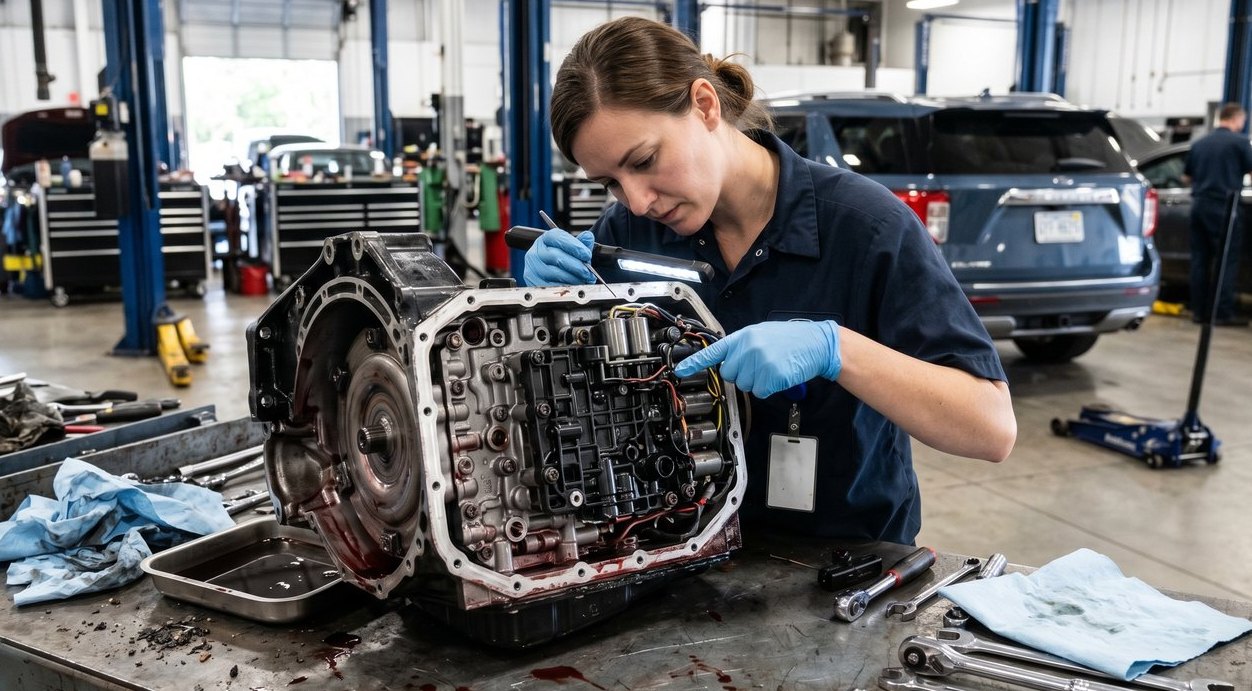
A strong estimate is easier to trust when the advisor can connect bay photos, test notes, and repair recommendations to the symptoms the owner described.
The safest guidance tells the driver when not to keep testing the vehicle, especially with overheating, no movement, grinding, or fluid loss.
A driver from Wheeling may only need a diagnostic appointment, while a driver from Palatine with severe symptoms may need a tow before any road test.
The estimate conversation should separate must-fix evidence from optional work so the driver understands what is urgent and what can wait.
A useful lincoln continental transmission repair owner diagnostic review is stronger when the shop can name the evidence, especially when stored and pending codes with freeze-frame data is available before the owner approves major transmission work.
A cleaner first call includes vehicle details, driveability, stored codes, quote history, and a realistic appointment or tow decision.
A lincoln continental transmission repair call might come from Mount Prospect after a rough commute on Busse Road, from Palatine after a dealer quote, or from Rolling Meadows when the vehicle no longer feels safe in stop-and-go traffic.
For a work-vehicle owner trying to protect uptime, the useful details are tow status, driveability, quote history, and whether the vehicle is safe to move. Those details change whether the next step is whether the next dollar should go toward diagnosis, repair, replacement, or a different vehicle.
The repair conversation should end with a plain recommendation, a warranty explanation tied to the repair path, and a drive-or-tow decision the owner can act on.
For lincoln continental transmission repair, the first question is: Does the concern happen cold, hot, under load, or only after highway driving? The second is: Is the vehicle value strong enough to justify a rebuild or replacement?
A stronger handoff gives the owner a written line-item estimate instead of asking them to approve a large repair from a vague symptom.
Mount Prospect, Palatine, and Rolling Meadows drivers should be able to repeat the recommendation clearly before they decide whether the vehicle deserves the repair.
A second-opinion call is easier when you have the mileage, codes, and prior estimate in front of you.