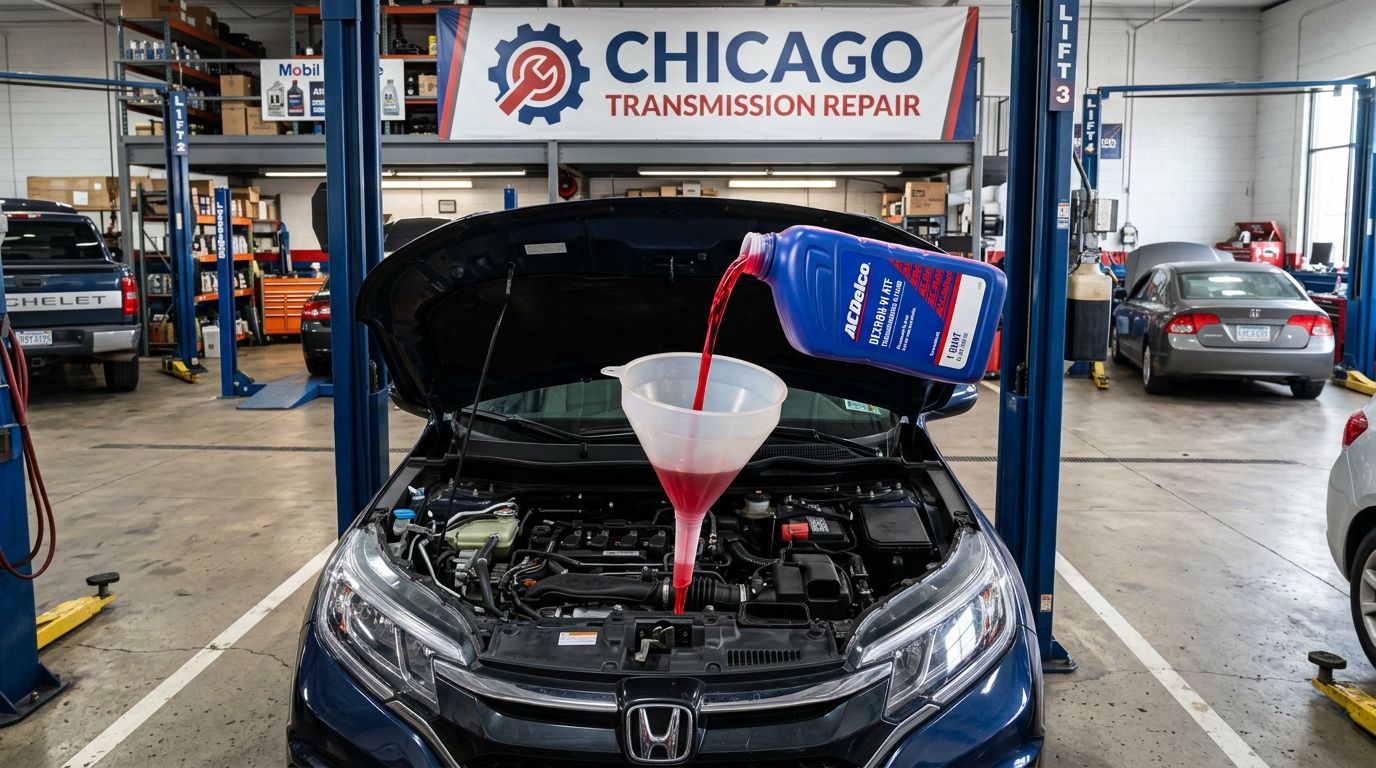
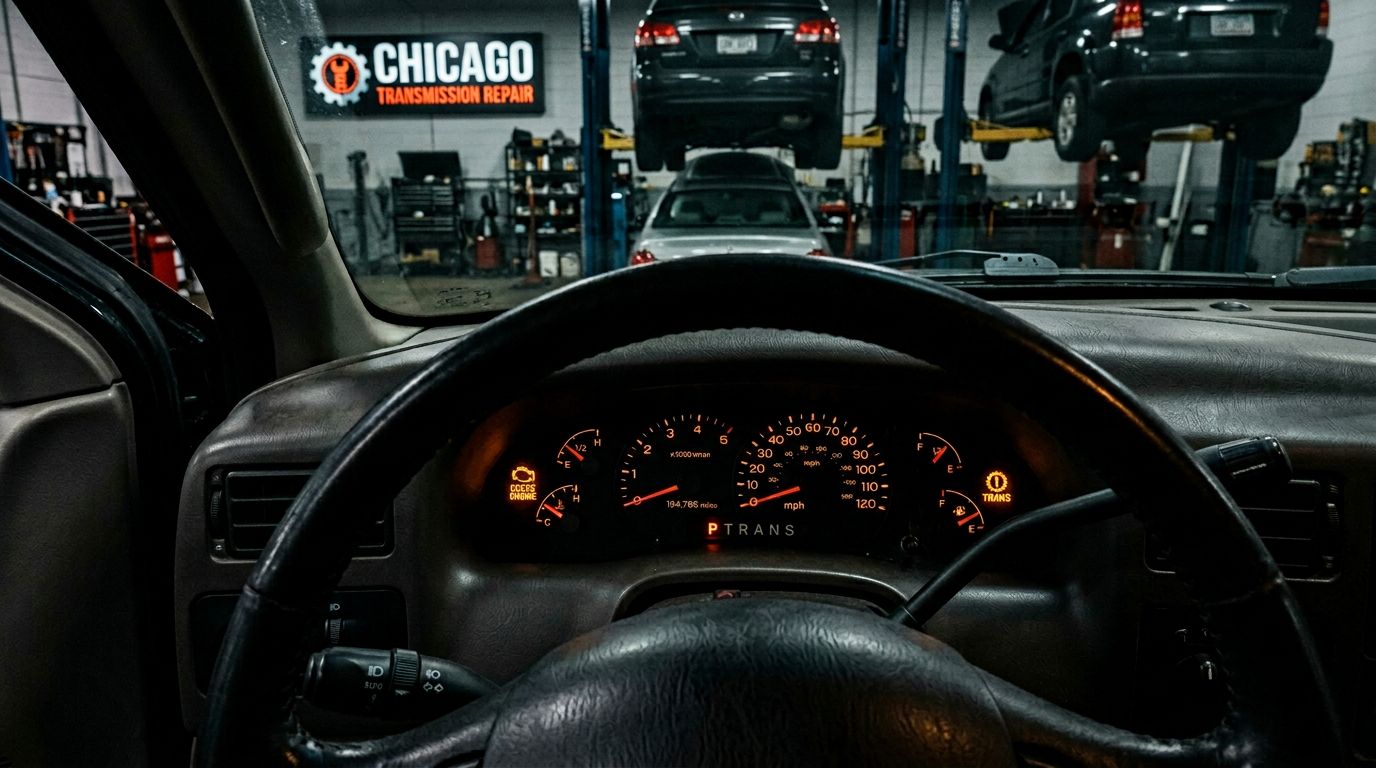
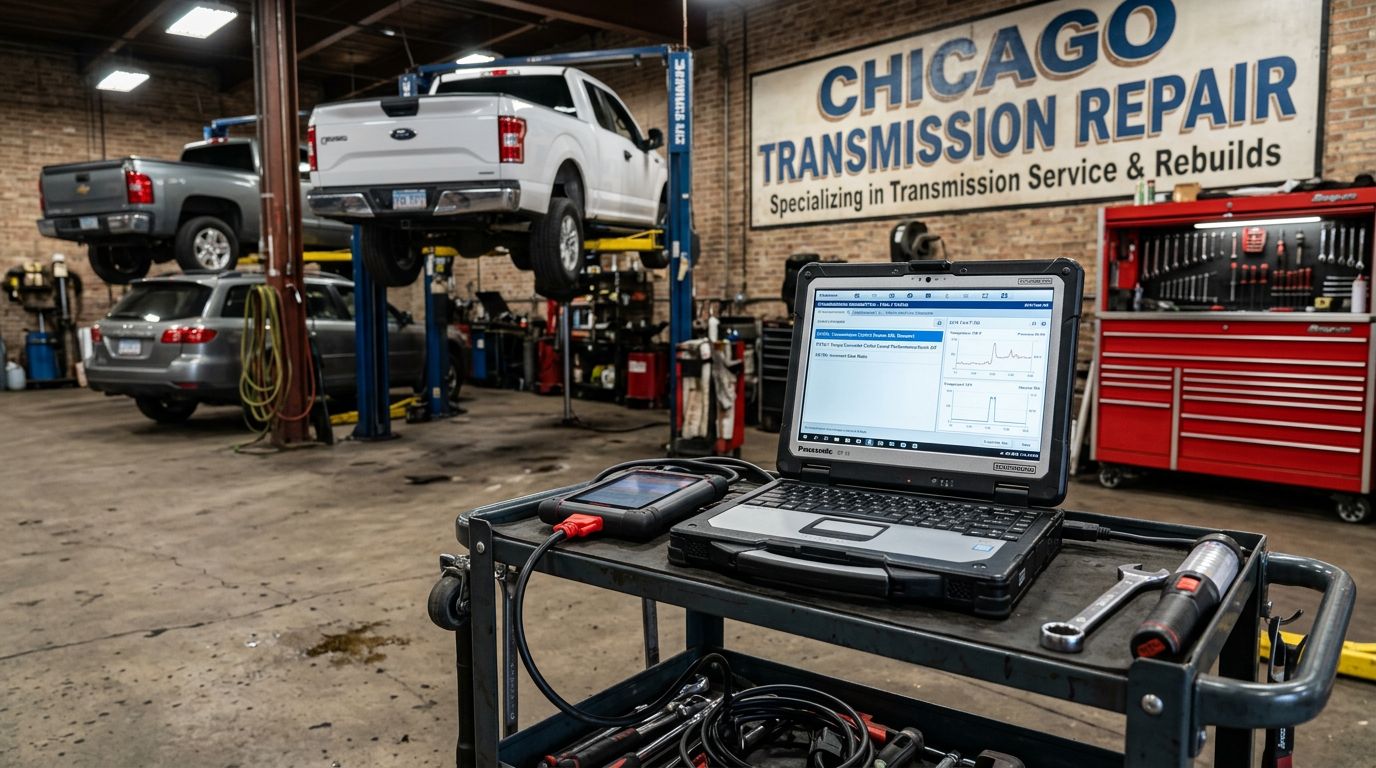
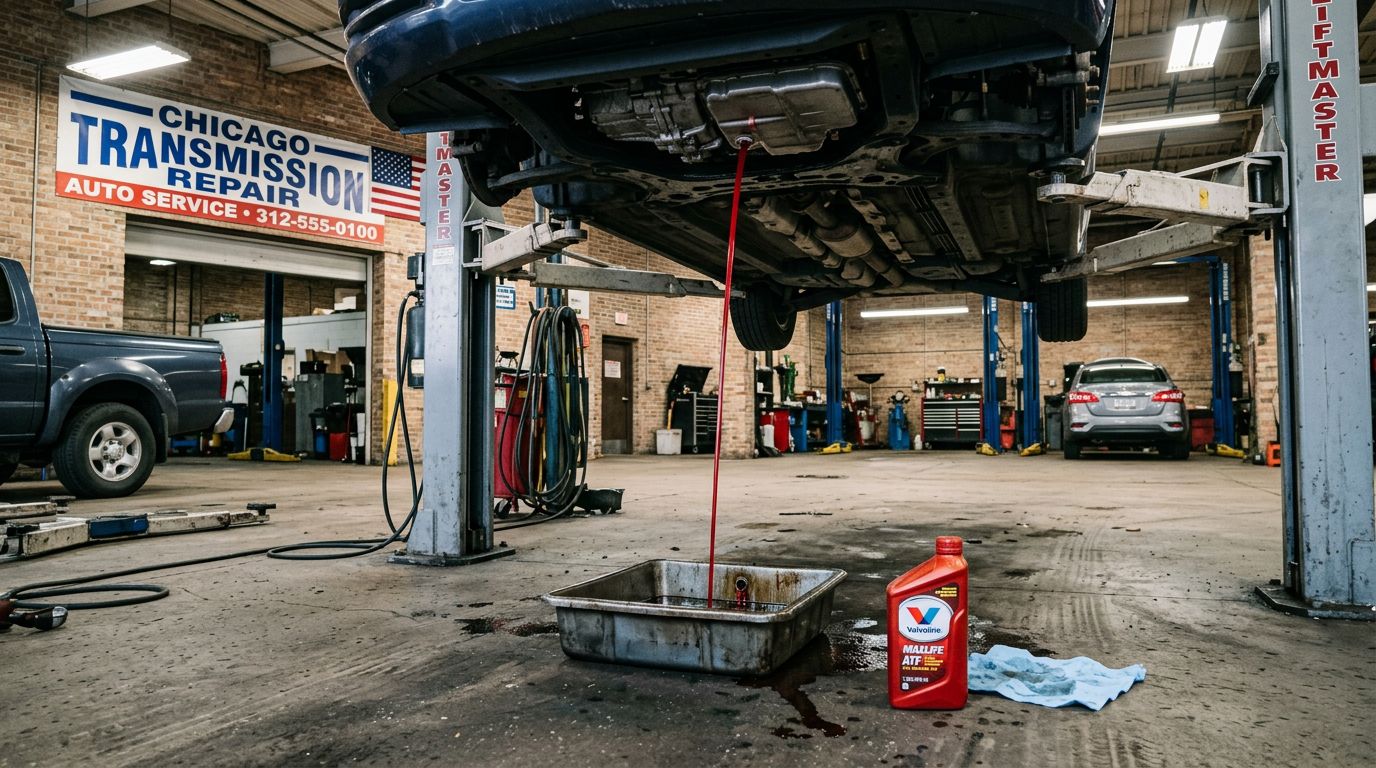
Transmission fluid does more than lubricate. It cools, cleans, applies hydraulic pressure, and protects clutches, bearings, valves, and converters. The right change interval depends on the vehicle, fluid type, mileage, driving conditions, and whether symptoms have already started.
The General Mileage Range
Many vehicles fall somewhere around 30,000 to 60,000 miles for service, but that is only a planning range. Some manufacturers publish longer intervals. Some CVTs, trucks, older automatics, and vehicles used under severe conditions need attention sooner. The maintenance schedule for your exact vehicle matters.
Normal Use Versus Severe Use
Owners often assume they are in the normal schedule. In real life, many Arlington Heights drivers fit severe-use patterns: short trips, heavy traffic, cold starts, hot expressway commuting, towing, rideshare work, delivery use, or long idle time. Those conditions heat and shear fluid faster than easy highway cruising.
Why Northwest Suburban Driving Matters
Route 53 and I-90 commuting can keep the transmission hot. Winter cold thickens fluid at startup and salt can damage cooler lines and fittings. Stop-and-go traffic around Arlington Heights, Palatine, Schaumburg, Rolling Meadows, and Mount Prospect adds heat cycles. None of that means panic; it means the fluid should be checked before the schedule is stretched too far.
Signs Fluid Service Is Due
- Fluid looks dark instead of clear red, amber, or the correct clean color for that spec.
- Fluid smells burnt or cooked.
- Shifts have become harsher or slower than normal.
- There is delayed engagement into Drive or Reverse.
- The vehicle has tow history, high mileage, or unknown service records.
- A small leak has lowered the fluid level.
When Fluid Change Is Not Enough
If the transmission is already slipping, setting ratio codes, overheating, or leaving debris in the pan, fluid service may not solve the failure. Fresh fluid cannot replace worn clutch material, repair a damaged converter, or fix pressure loss. That is why we inspect before recommending service on a symptomatic vehicle.
Drain-And-Fill Versus Flush
A drain-and-fill is often the safer maintenance choice on higher-mileage vehicles because it replaces fluid without forcing debris through the system. A flush may be appropriate on some healthy vehicles when the manufacturer procedure and fluid spec support it. The method should match the condition of the vehicle, not a sales menu.
CVTs And Special Fluids
CVTs are especially fluid-sensitive. The wrong fluid can create shudder, pressure problems, or accelerated wear. If you own a Nissan, Honda, Subaru, Toyota, or other CVT vehicle, do not approve universal fluid unless the spec is proven correct.
Our Practical Recommendation
If your vehicle has service history, follow the schedule and adjust for severe use. If the history is unknown, have the fluid inspected before choosing a service. If symptoms are present, diagnose first. Maintenance fluid service is cheap compared with a rebuild, but the wrong service at the wrong time can waste money.
Ask Before You Service It
Call or text 847-393-0191 with the year, make, model, mileage, fluid history, and any symptoms. We can tell you whether a fluid change is a reasonable next step or whether diagnosis should come first.
Have a Transmission Problem?
Get a free computer diagnostic from Arlington Heights transmission repair support.